




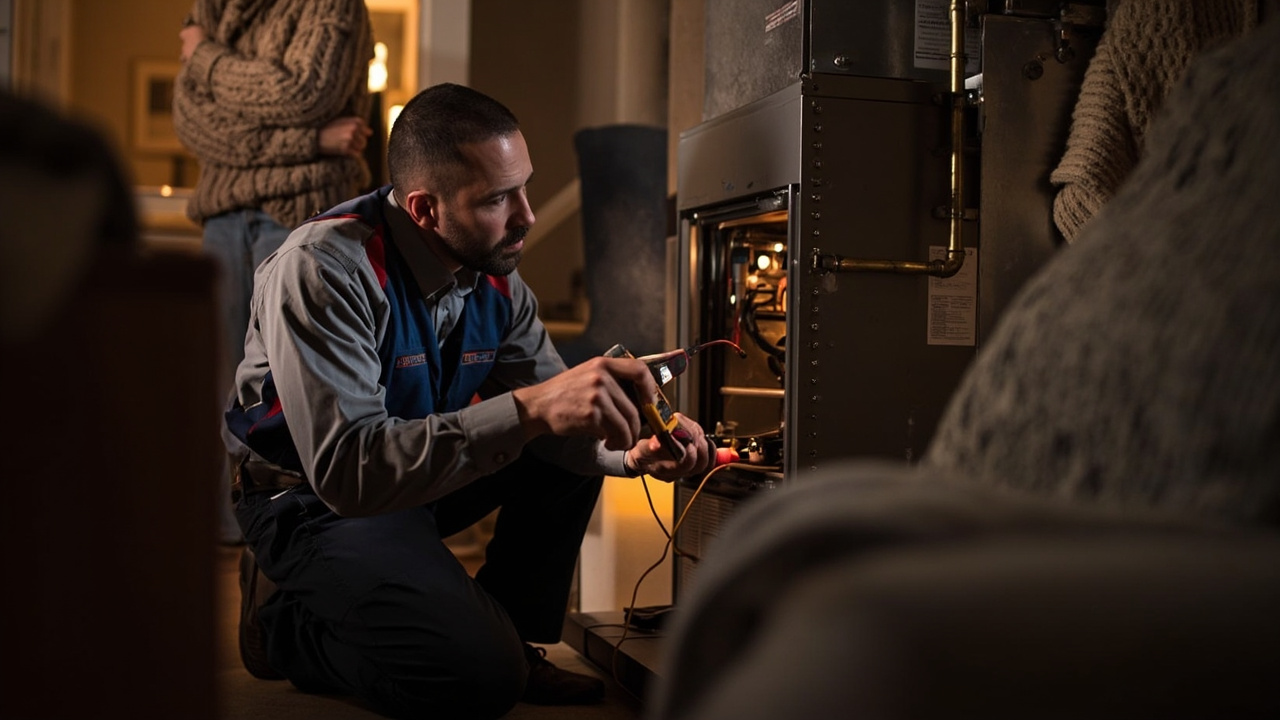
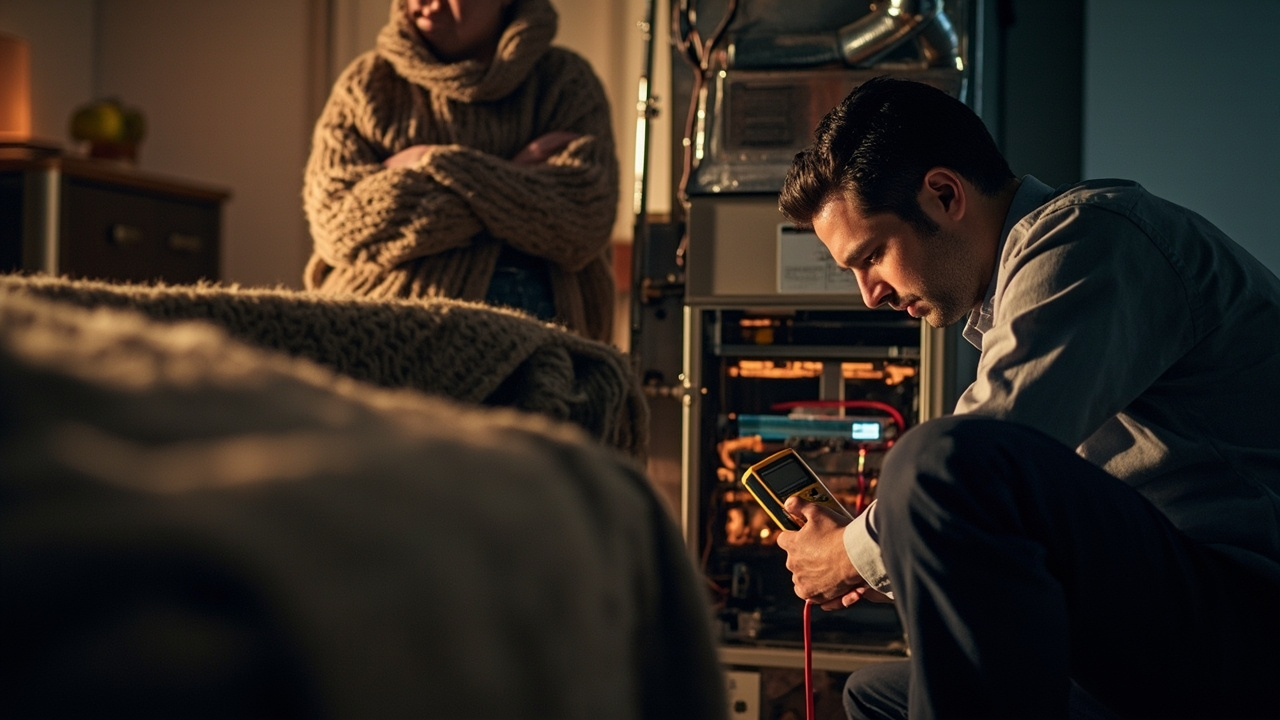
Denver sits at 5,280 feet above sea level, where atmospheric pressure is 17 percent lower than at sea level. This reduced oxygen availability affects combustion efficiency in gas furnaces. Burners need proper air-to-fuel ratios to produce a clean, hot flame. At altitude, furnaces can run rich, producing yellow flames and carbon buildup on flame sensors and heat exchangers. This buildup causes flame sensors to fail prematurely, shutting off the burners while the blower continues running. Many cold air complaints in Denver trace back to altitude-related combustion inefficiency that accelerates sensor fouling.
Denver's temperature swings also stress heating systems. A 50-degree temperature drop in 12 hours forces furnaces to run extended heating cycles, exposing weak igniters and worn blower motors. Fortress HVAC Denver has repaired thousands of furnaces across metro Denver, from older homes in Park Hill to new construction in Sterling Ranch. We understand how local climate and elevation affect system performance. Our technicians are trained to adjust combustion at altitude and identify problems specific to Colorado's Front Range environment.