




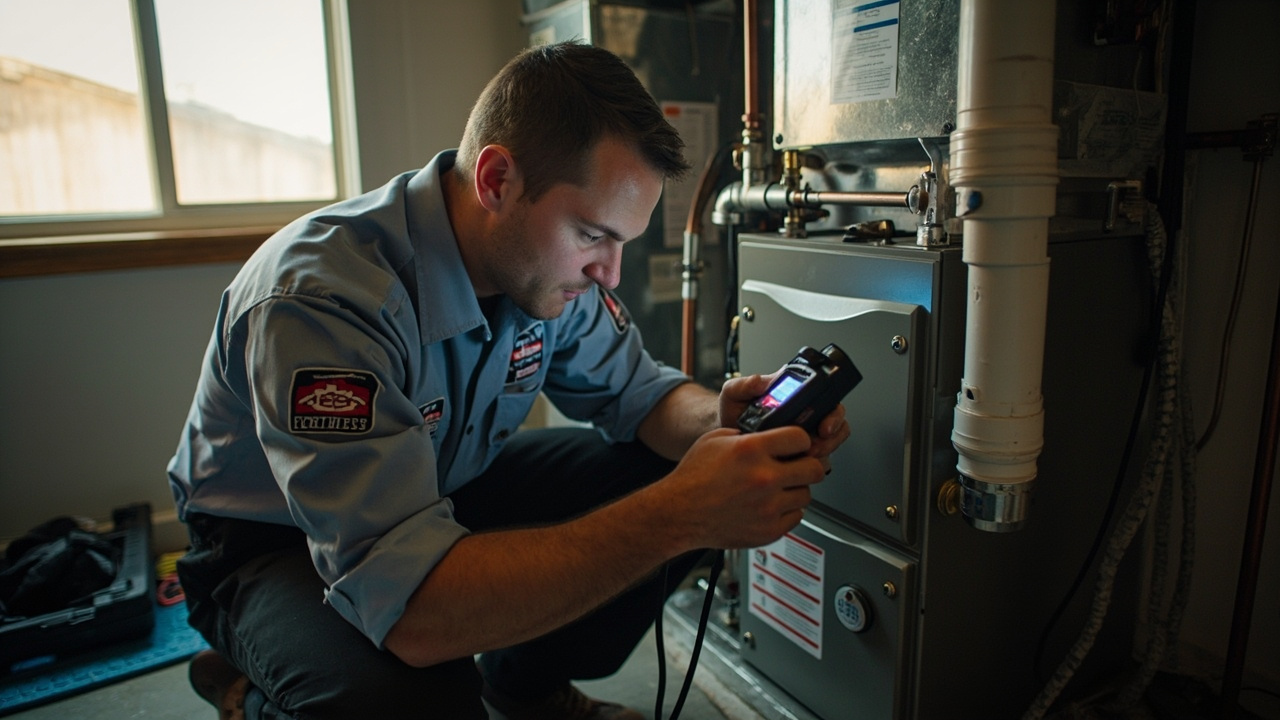
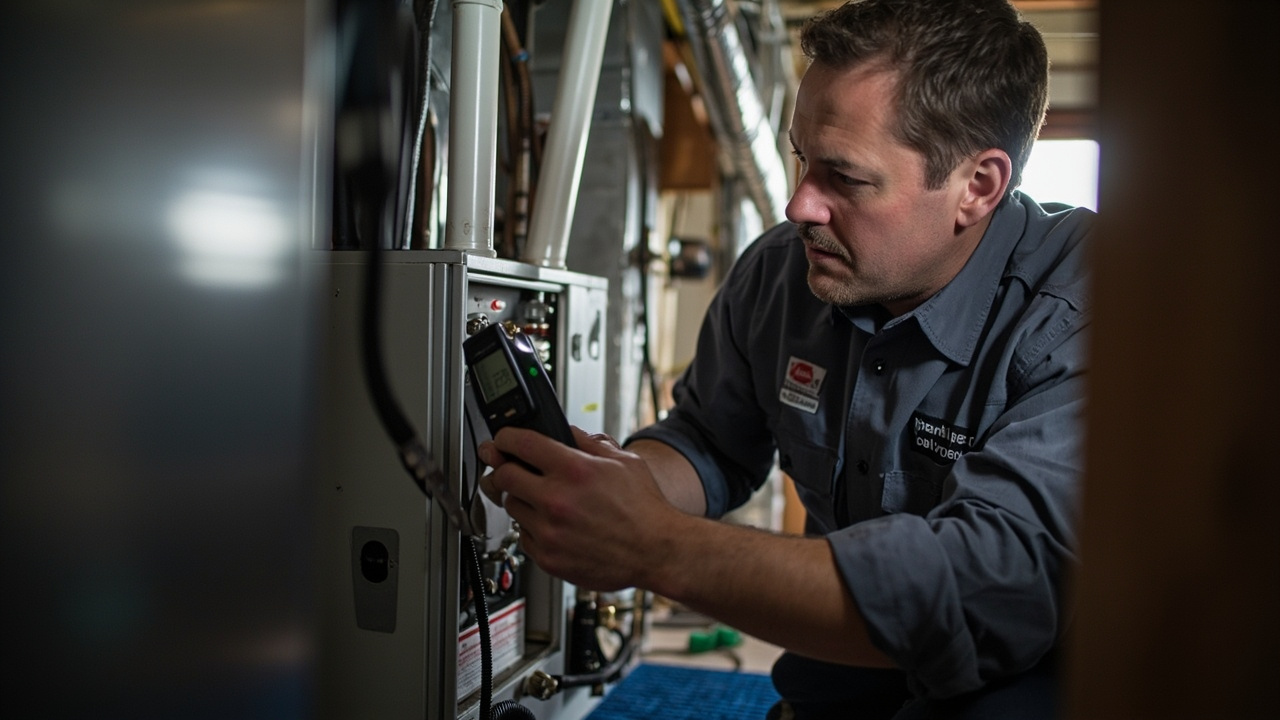
Denver's 5,280-foot elevation changes how your furnace burns gas. Lower atmospheric pressure means less oxygen per cubic foot of air, so furnaces must be adjusted or derated to prevent incomplete combustion that produces carbon monoxide. Many older furnaces in Denver were never properly altitude-adjusted, causing them to run rich and deposit soot inside heat exchangers. That soot traps moisture, which corrodes metal from the inside out and creates cracks where gas can leak into your ductwork. Add Denver's wild temperature swings, where your furnace cycles 15 times per day in shoulder seasons, and you stress gas connections, heat exchangers, and gaskets faster than homes at sea level.
Denver's jurisdiction requires permits for gas line work and furnace replacement, and inspections verify compliance with altitude adjustment requirements. Unlicensed furnace work is common in Denver, especially in older neighborhoods where contractors skip permits to save time. That creates risk for homeowners because non-compliant gas work voids insurance claims if a leak causes fire or injury. Fortress HVAC Denver operates under City and County of Denver mechanical licenses and coordinates all required inspections with the city. We also understand Xcel Energy protocols for gas restoration after emergency shutoffs, which speeds up your repair timeline and keeps your project legal.