




Menu

Multi-Family HVAC Services in Denver | Minimize Downtime, Maximize Property Value

Fortress HVAC Denver delivers multi-unit heating and cooling solutions engineered for property managers who cannot afford tenant complaints, emergency callouts, or deferred maintenance liability across apartment complexes and condominium buildings.

Slider Image 1
Slider Image 2
Slider Image 3
Slider Image 4
Slider Image 5
Slider Image 7
Slider Image 8
Slider Image 9
Slider Image 10
Slider Image 11

Why Denver's Multi-Family Properties Face Unique HVAC Challenges

Denver's high-altitude climate creates punishing demands on multi-family HVAC systems. At 5,280 feet, reduced oxygen content forces air handlers to work 15 to 20 percent harder to achieve the same thermal output as sea-level systems. When you compound that with Denver's 40-degree daily temperature swings during shoulder seasons, the mechanical stress on shared HVAC infrastructure becomes exponential.

Property managers in multi-unit buildings face a specific operational risk. A single failed rooftop package unit can render 12 to 24 residential units uninhabitable during a January cold snap or July heat wave. Tenant turnover costs escalate. Legal exposure increases. Reputation damage compounds across online review platforms.

Condominium heating and cooling repair presents additional complexity. Unlike single-family homes, apartment complex HVAC services require coordination across shared mechanical rooms, vertical ductwork chases, and split ownership structures. You cannot isolate one unit without understanding how the central plant feeds the entire building.

Denver's aging building stock adds another variable. Many multi-family properties built in the 1970s and 1980s still operate original boiler systems or obsolete chiller configurations designed for different tenant density and energy code standards. These legacy systems create deferred maintenance liabilities that erode net operating income.

Multi-family housing HVAC solutions require a different operational mindset than residential service. You need contractors who understand building automation systems, commercial-grade refrigerant handling, and the financial impact of system downtime on your portfolio performance. Property management HVAC contractors must balance capital expenditure planning with immediate reliability demands.

Why Denver's Multi-Family Properties Face Unique HVAC Challenges
How Fortress HVAC Denver Approaches Multi-Unit System Management

How Fortress HVAC Denver Approaches Multi-Unit System Management

We engineer multi-family HVAC services around three operational priorities: system uptime, energy efficiency, and capital expenditure optimization. Our approach diverges from residential contractors who treat apartment buildings as scaled-up single-family projects.

First, we conduct building-level load analysis. This means calculating actual thermal demand across occupied units, common areas, and mechanical spaces. We measure static pressure drops through vertical duct risers, identify air balancing failures between floors, and quantify inefficiencies in central plant distribution. Most multi-unit HVAC maintenance programs skip this diagnostic layer and address only immediate failures.

Second, we map your equipment lifecycle against replacement cost curves. A 15-year-old rooftop unit nearing compressor failure presents a different financial decision than a seven-year-old unit with a repairable control board failure. We provide property managers with data-driven replacement versus repair recommendations that align with your capital planning cycles.

Third, we implement preventive maintenance protocols calibrated to occupancy patterns. High-turnover apartment complexes generate different filter loading and coil fouling rates than stable condominium buildings. Our multi-unit HVAC maintenance schedules adjust for actual runtime data, not generic quarterly intervals.

We also navigate Denver's mechanical code requirements for multi-family occupancies. The 2021 International Mechanical Code and Denver amendments impose specific ventilation rates, combustion air provisions, and refrigerant leak detection standards for buildings exceeding certain occupancy thresholds. Non-compliance creates liability exposure during property transactions or code enforcement actions.

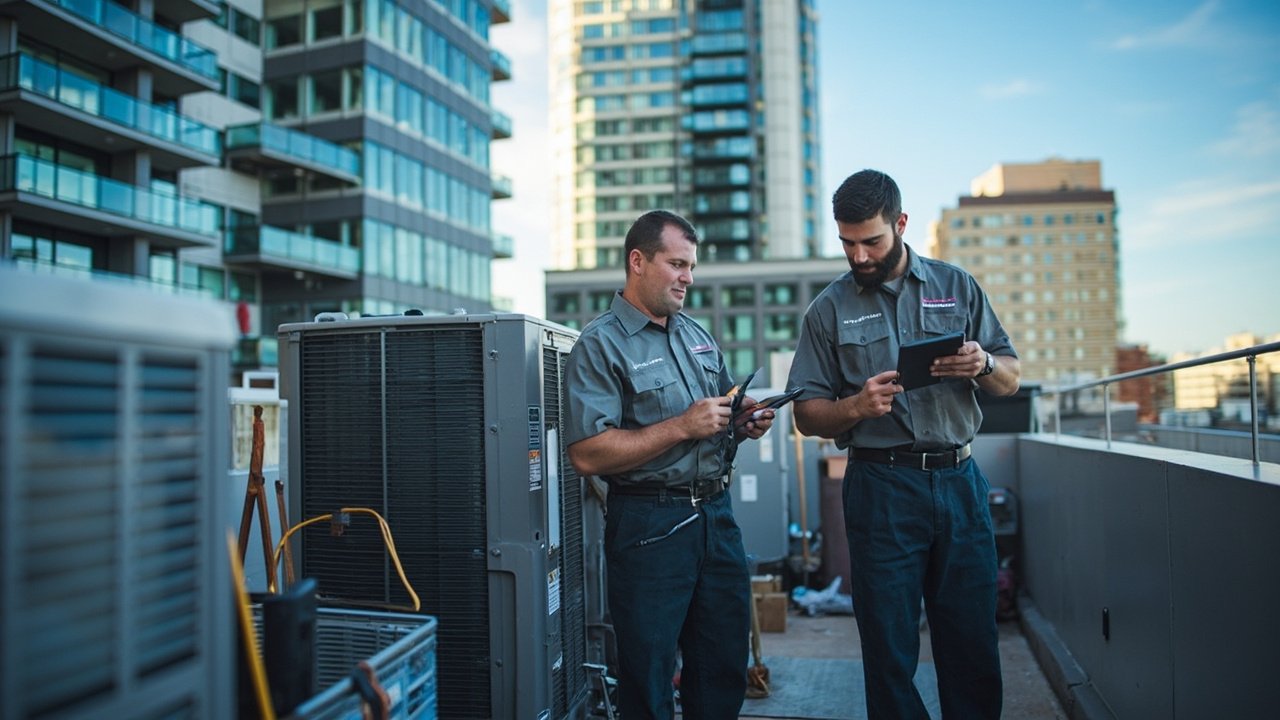
Our technicians carry EPA Universal refrigerant certification and understand commercial-grade system architectures like variable refrigerant flow systems, hydronic fan coil networks, and central chilled water plants. We do not send residential technicians to commercial properties.

What Happens During a Multi-Family HVAC Assessment

Multi-Family HVAC Services in Denver | Minimize Downtime, Maximize Property Value
01

Building System Audit

We inventory all heating and cooling equipment across your property, document make, model, installation date, and current operational status. This includes rooftop package units, split systems, boilers, chillers, air handlers, and any building automation system integration. We photograph equipment nameplates and create a centralized asset database. For properties lacking maintenance records, this audit establishes baseline documentation that supports future capital planning and emergency response protocols when equipment fails.
02

Performance Testing and Analysis

We measure actual system performance against design specifications. This includes refrigerant charge verification, airflow measurement across coils, temperature differential analysis, and electrical draw comparison to nameplate ratings. For central plants, we test boiler combustion efficiency, chiller approach temperatures, and pump curve performance. We identify which units operate within acceptable parameters and which present immediate failure risk. This data separates reactive emergency spending from planned maintenance budgets.
03

Prioritized Action Plan

We deliver a written report categorizing findings into immediate safety concerns, near-term reliability risks, and long-term efficiency opportunities. Each recommendation includes cost-benefit analysis tied to energy savings, tenant comfort improvement, or liability mitigation. For apartment complex HVAC services, we separate unit-specific repairs from building-wide infrastructure upgrades. You receive a 12-month maintenance calendar and a three-year capital replacement forecast. This transforms HVAC spending from unpredictable emergency expense into managed operational cost.

Why Property Managers Choose Fortress HVAC Denver for Multi-Unit Buildings

Managing multi-family HVAC systems in Denver requires understanding how altitude affects equipment selection and performance. Standard manufacturer specifications assume sea-level operation. At 5,280 feet, you need contractors who adjust blower speeds, recalculate heating capacities, and select components rated for reduced air density. We configure systems for Denver's environment, not generic national standards.

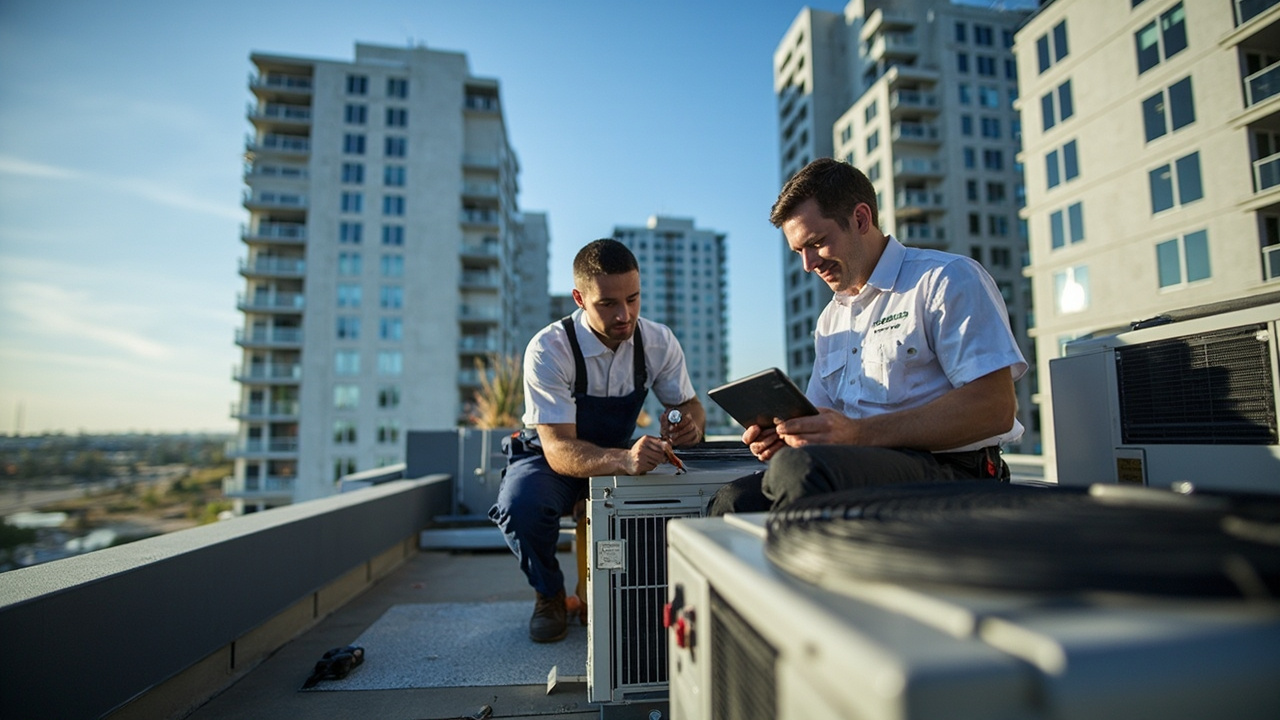
Our service model aligns with property management operational needs. We provide scheduled maintenance during low-occupancy hours to minimize tenant disruption. We coordinate with property staff to access mechanical rooms and rooftop equipment without requiring managers on-site for every service call. We document all work through digital platforms that integrate with your building maintenance software.

We also understand the financial structure of multi-family properties. A failed HVAC system does not just create a repair expense. It triggers tenant relocation costs, potential rent abatement, legal exposure under habitability statutes, and reputation damage across tenant review platforms. Our preventive approach reduces the probability of catastrophic failures that create these cascading costs.

Denver's multi-family market includes diverse building types. Historic apartment buildings in Capitol Hill operate steam radiator systems. Modern condominium towers in Union Station run sophisticated building automation networks. Garden-style complexes in Aurora rely on distributed rooftop package units. We service the full spectrum of multi-family housing HVAC solutions without forcing every building into a one-size-fits-all service template.

We also maintain relationships with Denver building inspectors and understand local interpretation of mechanical codes. When you need expedited permit approvals for emergency equipment replacements or planned system upgrades, we navigate the submittal process efficiently. This matters when a failed boiler in February cannot wait three weeks for permit processing.

What to Expect When You Partner with Fortress HVAC Denver

Response Time and Service Availability

We staff dedicated commercial service teams separate from residential operations. This means your multi-family properties receive priority scheduling without competing against single-family service calls. For emergency failures affecting occupied units, we dispatch within two hours during business hours and four hours after-hours. We maintain truck stock of common commercial components like contactors, capacitors, and control boards to minimize return trips. For planned maintenance, we schedule recurring visits that align with your property management calendar and budget cycles, not our convenience.

Initial Property Assessment Process

New property clients receive a comprehensive system evaluation before we propose any service agreement. We walk every mechanical space, test every major component, and document current conditions through photos and diagnostic readings. This assessment typically requires four to eight hours depending on property size and system complexity. You receive a written report identifying immediate risks, deferred maintenance issues, and efficiency upgrade opportunities. We separate must-fix safety items from optional performance improvements. This transparency allows you to budget accurately and prioritize spending based on actual building needs, not contractor upselling.

Quality Standards and Work Documentation

Every service call generates a digital work order documenting findings, actions taken, parts replaced, and system performance readings. For multi-unit buildings, we track which specific units or zones received service to support tenant communication and lease documentation. All refrigerant handling follows EPA regulations with proper recovery, recycling, and disposal documentation. Electrical work meets National Electrical Code standards and Denver amendments. We pull permits when required and coordinate inspections. You receive copies of all documentation for your property files, supporting due diligence requirements during property sales or refinancing.

Preventive Maintenance and Equipment Protection

We design preventive maintenance programs based on equipment type, building occupancy, and your operational budget. Standard programs include quarterly filter changes, seasonal startup and shutdown protocols, and annual comprehensive inspections. For critical equipment like boilers and chillers, we recommend monthly monitoring during peak-use seasons. All preventive work includes written checklists documenting completed tasks and identifying emerging issues before they cause failures. This documentation becomes part of your building's permanent maintenance history, supporting property valuations and demonstrating responsible asset management to ownership groups or lenders.

Frequently Asked Questions

You Have Questions,
We Have Answers

How Denver's Elevation Impacts Multi-Family HVAC System Selection and Performance

Denver's mile-high altitude reduces atmospheric pressure by approximately 17 percent compared to sea level. This lower air density directly impacts HVAC equipment performance in multi-family buildings. Furnaces produce less heat output because combustion air contains less oxygen per cubic foot. Air conditioning systems work harder because refrigerant operates at different pressure ratios. Boilers require altitude-compensated burner orifices and modified combustion controls. Property managers replacing equipment in apartment complexes or condominium buildings must specify altitude-rated components or accept significant performance degradation. Many national HVAC contractors unfamiliar with Denver's environment install sea-level equipment that underperforms from day one, creating tenant complaints and premature failures.

Denver mechanical contractors serving multi-family properties must navigate both International Mechanical Code requirements and local amendments adopted by Denver Community Planning and Development. These regulations impose specific standards for combustion air supply in mechanical rooms, refrigerant leak detection in occupied buildings, and ventilation rates for residential occupancies. Multi-unit buildings exceeding certain thresholds require mechanical permits for equipment replacement, even when swapping like-for-like units. Contractors unfamiliar with Denver's permitting process create compliance risks that surface during property sales or code enforcement actions. Working with property management HVAC contractors who maintain relationships with local building officials and understand Denver's interpretation of national codes protects your investment and avoids costly retrofit requirements.

HVAC Services in The Denver Area

Fortress HVAC is proud to serve the Denver area and surrounding communities. We invite you to view our location on the map, which highlights our service area. While we often come directly to you for services, knowing our central base can help you understand our reach. Feel free to contact us with any questions about our service coverage or to schedule an appointment directly.

Address:
Fortress HVAC Denver, 6035 E 38th Ave, Denver, CO, 80207

Additional Services We Offer

Our news updates

Latest Articles & News from The Blogs

Why Your Gas Fireplace Should Not Be Your Only Heat Source in Golden\n\nGolden homeowners often rely on gas fireplaces for…

Why Your Gas Fireplace Should Not Be Your Only Heat Source in Golden

Why Your Gas Fireplace Should Not Be Your Only Heat Source in Golden\n\nGolden homeowners often rely on gas fireplaces for…

Why Your Furnace Venting Needs Special Attention in High Altitude Morrison

Why Your Furnace Venting Needs Special Attention in High Altitude Morrison Living at 5,800 feet in Morrison means your furnace…

How to Integrate Your HVAC with Matter and Apple Home in Central Park

How to Integrate Your HVAC with Matter and Apple Home in Central Park Central Park residents who want their HVAC…

Contact Us

Stop managing HVAC failures reactively. Contact Fortress HVAC Denver at (720) 502-9511 to schedule a comprehensive multi-family system assessment. We deliver the operational reliability and financial transparency Denver property managers need.