




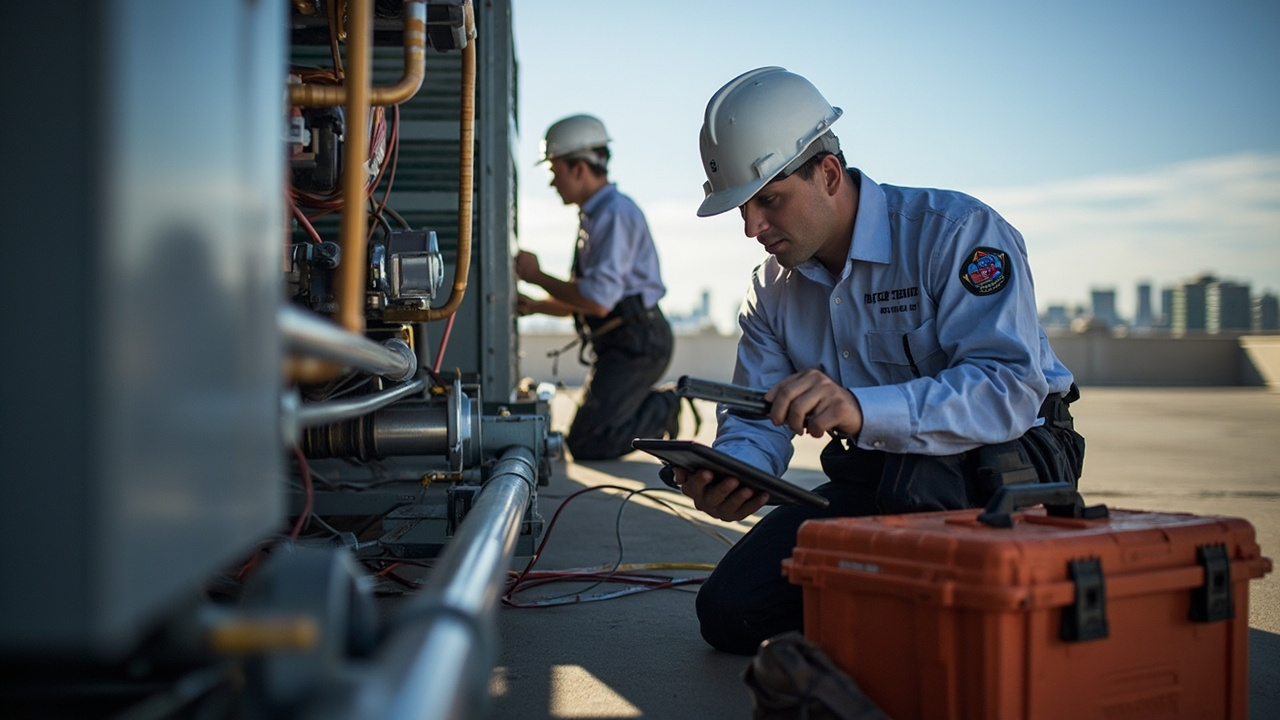
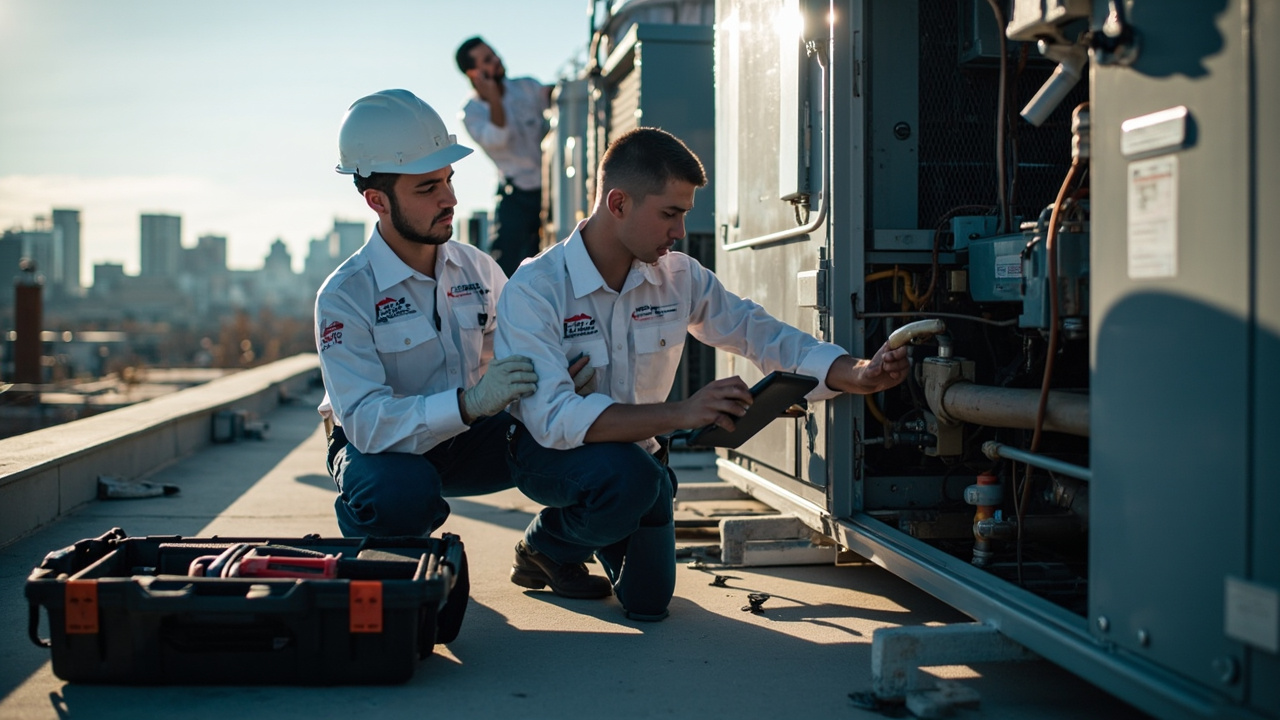
Denver's 5,280-foot elevation creates lower atmospheric pressure that affects HVAC system performance in ways that do not occur at sea level. Compressors work harder to achieve the same cooling capacity. Refrigerant pressures run lower than manufacturer specifications assume. Combustion efficiency changes for gas-fired equipment. Our extreme diurnal temperature swings, often exceeding 40 degrees between overnight lows and afternoon highs, force systems through thermal stress cycles that accelerate component wear. The dry climate promotes dust accumulation in air handlers and coils. These factors make proactive maintenance critical for commercial facilities that cannot afford downtime from preventable failures.
Denver's commercial building codes and energy requirements make proper HVAC maintenance a compliance issue, not just a performance concern. The city adopted energy benchmarking requirements for commercial buildings over 25,000 square feet. Facilities must track and report energy usage annually. Poorly maintained HVAC systems drive up energy consumption and hurt benchmarking scores. Commercial property managers and business owners need service partners who understand Denver's code environment, maintain documentation that satisfies audits, and optimize systems for both performance and compliance. That local expertise protects your investment and reduces regulatory risk.