




Englewood sits at 5,371 feet elevation where the air is thin and the temperature swings are extreme. Summer afternoons hit 95 degrees. Winter mornings drop to single digits. Your HVAC system works harder here than it would at sea level because the lower air density forces equipment to cycle more frequently to maintain comfort.
The homes in neighborhoods like CherryKnolls and Englewood Village were built across different decades with varying insulation standards. Older brick ranches from the 1950s leak conditioned air through single-pane windows. Newer builds near Belleview Station follow modern energy codes but still battle the altitude and dry climate that strains compressors and heat exchangers.
South Platte River humidity creates condensation issues in summer. Arapahoe County building codes require specific ventilation standards for combustion appliances. The freeze-thaw cycles crack heat exchanger welds in furnaces that aren't maintained properly. You cannot ignore your HVAC system in Englewood and expect it to work when you need it most. The climate will not cooperate.
When your heating or cooling fails, you need a technician who shows up ready to fix it, not sell you a new system. Fortress HVAC Denver operates across the entire Englewood metro with fully stocked service trucks and technicians who diagnose problems accurately the first time. We fix what is broken. If replacement makes more sense than repair, we tell you why and show you the numbers.
Our service area covers every corner of Englewood from the historic neighborhoods near Dartmouth Street to the newer developments near the light rail stations. We know the common issues in homes across this city because we have worked in thousands of them. We know which furnace models fail early. We know which AC units handle altitude poorly. We know the ductwork shortcuts builders took in the 1980s and how to fix them without tearing apart your walls.
Speed matters when you are sitting in a 50-degree house or sweating through a 90-degree afternoon. Our dispatch system prioritizes emergency calls. We answer the phone. We give you a real arrival window, not a four-hour range. We carry the parts that fail most often so we can complete repairs on the first visit. You call, we come, we fix it. That is the standard we set for ourselves and the reason Englewood residents keep our number saved.

We prioritize emergency calls across Englewood when your heating or cooling fails. Our dispatch system routes the nearest available technician to your location. Most emergency calls get same-day service because we staff enough technicians to handle urgent situations without making you wait days for relief.

You get the repair price before we start the work. No surprises when we finish. Our technicians diagnose the problem, explain what failed and why, then give you a fixed price to repair it. You decide if the repair makes sense or if replacement is the better investment for your home.
Our trucks carry the parts that fail most often in Englewood homes. Capacitors, contactors, thermostats, igniters, flame sensors, and blower motors are already on board. We complete most repairs on the first visit without ordering parts or scheduling a second trip. Your system gets fixed today, not next week.
We service HVAC systems in every Englewood neighborhood from older brick ranches to new construction near the light rail. We know the common problems in homes built across different decades. We understand local building codes and altitude-related performance issues that affect equipment installed at this elevation.
Fortress HVAC Denver handles the full range of heating and cooling needs across Englewood. Air conditioning repair when your system fails on a hot afternoon. Furnace service when your heat quits on a freezing night. Central air installation when your old system finally gives out after 20 years of fighting the altitude and temperature swings.
We separate our services into three categories based on what homeowners actually need. Emergency repairs happen when something breaks and you need it fixed immediately. Planned maintenance prevents breakdowns before they happen. System replacement becomes necessary when repair costs exceed the value of keeping an old unit running. Each service category requires different expertise and different parts inventory, but we handle all three because Englewood homes need all three at different points in their HVAC lifecycle.
Your AC quits during a heat wave. Your furnace stops working on a freezing night. You need help now. We dispatch technicians to emergency calls across Englewood within hours, not days. Our trucks carry the parts that fail most often so we can complete AC service and furnace repairs on the first visit. We diagnose the failure, explain what happened, give you an upfront price, then restore your comfort before we leave.
Annual HVAC maintenance catches small problems before they become emergency breakdowns. We inspect heat exchangers for cracks, test capacitors before they fail, clean condenser coils that reduce efficiency, and verify refrigerant levels. Scheduled maintenance extends equipment life and reduces the chance your system quits when you need it most. We service both furnaces and air conditioners during our planned visits to your Englewood home.
Old systems eventually cost more to repair than they are worth. When your furnace or air conditioner reaches that point, we install new equipment sized correctly for your Englewood home. We calculate proper load requirements based on your square footage, insulation levels, and altitude. New systems run more efficiently, break down less often, and come with manufacturer warranties that protect your investment for years.
Englewood's elevation and climate create specific HVAC challenges that homeowners across this city deal with repeatedly. The altitude forces systems to work harder. The temperature swings stress components. The dry air creates static buildup and condensation issues. Homes built across different decades have different ductwork designs, insulation standards, and equipment compatibility issues.
These problems show up as emergency calls when systems fail during the hottest and coldest days of the year. We see the same issues across neighborhoods from CherryKnolls to Englewood Village. Heat exchangers crack from freeze-thaw cycles. Compressors fail from overwork at altitude. Ductwork leaks conditioned air into unconditioned spaces. Thermostats lose calibration and cycle systems incorrectly. Each problem has a specific fix, but the underlying cause often traces back to elevation, climate, or deferred maintenance.
Freeze-thaw cycles crack the metal heat exchangers in furnaces that are not maintained regularly. Cracks allow combustion gases to mix with breathable air, creating a carbon monoxide risk. We inspect heat exchangers during maintenance visits and recommend replacement when cracks appear. This failure happens more often in Englewood because of the temperature extremes and altitude stress on furnace components.
Air conditioner compressors work harder at 5,371 feet elevation because the thinner air provides less cooling capacity per cycle. Units that would last 15 years at sea level fail earlier here from overwork. We see compressor failures in Englewood AC units that are only 10 to 12 years old. Proper refrigerant levels and clean condenser coils reduce stress, but altitude shortens compressor life regardless.
Ductwork in older Englewood homes often leaks conditioned air into attics, crawl spaces, and wall cavities. You pay to heat or cool air that never reaches your living space. Leaks happen at joints and seams where ducts connect. We test ductwork for leaks during service calls and seal them with mastic or metal tape. Proper duct sealing reduces energy waste and improves comfort in every room.
Thermostats lose calibration over time and cycle your system incorrectly. Your house feels too hot or too cold even though the system runs constantly. Calibration drift happens faster in homes with extreme temperature swings like we get in Englewood. We test thermostat accuracy during service visits and replace units that cannot maintain proper calibration. Modern programmable thermostats improve accuracy and reduce energy use.
Calling for HVAC repair should not add stress to an already stressful situation. Your system is broken. You are uncomfortable. You need help fast. We designed our service process to eliminate the frustration homeowners deal with when they call other companies. You talk to a real person who listens to your problem and dispatches help immediately. You get a realistic arrival window. The technician who shows up has the skills and parts to fix your system on the first visit.
Our goal is simple. Restore your comfort as fast as possible without surprises or upselling. You will know what is wrong, why it failed, and what it costs to repair before we start the work. You decide if the repair makes sense. We complete the work and test the system before we leave. Here is exactly what happens when you call us for HVAC service in Englewood.
You talk to a real person when you call, not a voicemail system. We ask questions about your problem to dispatch the right technician with the right equipment. You get a realistic arrival window, not a four-hour range. We text you when the technician is on the way. The technician calls if anything changes. You always know the status of your service call from first contact to final completion.
Our technicians diagnose the actual problem, not just the symptom. A furnace that will not start could have a failed igniter, a bad flame sensor, a tripped limit switch, or a dozen other causes. We test each component systematically to find the real failure. You get a clear explanation of what broke, why it failed, and what we need to do to fix it. Then we give you an upfront price before we start the repair work.
We do not leave until your system works correctly. After we complete the repair, we run the system through full heating or cooling cycles to verify performance. We check airflow, measure temperature output, and confirm all safety controls function properly. You see the system running correctly before we pack our tools. We explain any maintenance recommendations and answer your questions about preventing future breakdowns.
HVAC repair should be straightforward. You call with a problem. We fix it. You get back to normal life. We keep our process simple because complex service workflows waste your time and delay your comfort.
You call our dispatch line at (720) 502-9511 with your heating or cooling problem. We gather information about your symptoms and location. Our system routes the nearest available technician to your Englewood address. You get a realistic arrival window. We text you when the technician is 15 minutes away. Emergency calls get same-day priority. Non-emergency calls typically get next-day service.
The technician inspects your system and diagnoses the failure. You get a clear explanation of what broke and why. We provide an upfront fixed price for the repair. You approve the work or decline it. If you approve, we complete the repair using parts already on our truck. Most common failures get fixed on the first visit without ordering parts or scheduling return trips.
We test your system after completing the repair. We run full heating or cooling cycles to verify proper operation. We check safety controls, measure output temperatures, and confirm correct airflow. You see the system working before we leave. We clean up our work area and answer any questions about maintenance or future service needs. You get back to comfort.
Professional HVAC service requires more than basic mechanical skills. Technicians need to understand refrigeration cycles, combustion chemistry, airflow dynamics, and electrical controls. They need to follow manufacturer specifications and local building codes. Work performed incorrectly creates safety hazards, voids equipment warranties, and fails inspections.
Arapahoe County enforces the International Mechanical Code for all HVAC installations and major repairs. Combustion appliances require proper venting to prevent carbon monoxide buildup. Natural gas connections must be leak-tested with approved methods. Refrigerant handling follows EPA Section 608 regulations that require proper recovery and disposal. Electrical work must comply with National Electrical Code standards for voltage, amperage, and circuit protection.
Altitude affects HVAC performance in ways that matter for Englewood installations. Furnace burners require different air-fuel ratios at 5,371 feet compared to sea level. Manufacturer derating tables specify reduced BTU output at elevation. Air conditioner refrigerant pressures run higher in thin air. Technicians who ignore altitude factors install systems that underperform or fail early.
Load calculation determines proper system sizing. We use Manual J methodology from the Air Conditioning Contractors of America to calculate heating and cooling requirements based on home square footage, insulation values, window area, and infiltration rates. Oversized systems short-cycle and waste energy. Undersized systems cannot maintain comfort during temperature extremes. Correct sizing matters more than brand names or efficiency ratings.
Ductwork design follows Manual D guidelines for proper airflow distribution. Each supply register needs adequate CFM delivery. Return air paths must provide enough volume to prevent system strain. Duct sizing, material selection, and sealing methods all affect system performance and energy efficiency. We test ductwork with pressure measurements and seal leaks that waste conditioned air.
Air conditioners need precise refrigerant amounts to work efficiently. Too much refrigerant floods the compressor. Too little reduces cooling capacity. Altitude affects pressure readings used to verify charge levels. We adjust charging procedures for Englewood's elevation using manufacturer specifications and pressure-temperature charts corrected for 5,371 feet. Proper charge extends compressor life and maintains cooling efficiency.
Repair costs depend on which component failed and how difficult it is to access. A simple capacitor replacement costs less than a cracked heat exchanger. Emergency service calls cost more than scheduled maintenance visits. Parts for newer high-efficiency systems cost more than parts for basic models. Ductwork modifications add labor time. Age affects repair value because old systems may need another repair soon after you fix the current problem.
Furnaces typically last 15 to 20 years in Englewood homes with regular maintenance. Air conditioners last 10 to 15 years at this altitude because compressors work harder in thin air. Heat pumps fall between 12 and 15 years. Deferred maintenance shortens lifespan. Oversized systems that short-cycle wear out faster. Proper installation and annual service maximize equipment life and delay replacement costs.
Arapahoe County requires permits for furnace and air conditioner replacements. Inspectors verify proper installation, venting, gas connections, and electrical work. Systems installed without permits fail home sale inspections. We pull permits for all replacement work and coordinate inspections. Proper permitting protects your investment and ensures work meets code standards that keep your home safe.
This video explains how Englewood's 5,371-foot elevation affects air conditioner performance and compressor lifespan. Fortress HVAC Denver covers altitude-specific HVAC challenges including thin air effects on cooling capacity, proper refrigerant charging procedures at elevation, and maintenance practices that extend AC system life. Viewers learn why compressors fail earlier in Englewood compared to sea-level installations and what factors determine repair versus replacement decisions for aging air conditioning systems.
Fortress HVAC Denver provides heating and cooling service across every corner of Englewood and the surrounding metro area. Our service trucks operate throughout the city from the historic neighborhoods near Dartmouth Street to the newer developments along the light rail corridor. We know this area because we work here every day fixing furnaces and air conditioners in homes built across different decades with different HVAC challenges.
CherryKnolls sits in the southern part of Englewood with tree-lined streets and brick ranches built in the 1950s and 1960s. These homes often have original ductwork with leaks and undersized returns. We upgrade ductwork in CherryKnolls homes to improve airflow and reduce energy waste. Englewood Village near Broadway and Hampden features a mix of older construction and recent renovations. We service both original HVAC systems and newer high-efficiency replacements in this central neighborhood.
The area around Belleview Station attracts newer construction with modern building codes and tighter home envelopes. These homes need properly sized HVAC systems that account for improved insulation and reduced air infiltration. Oversized furnaces and air conditioners short-cycle in tight homes, so we calculate loads carefully for this area. The neighborhoods near South Platte River deal with humidity and condensation issues that require proper drainage and ventilation design.
West Englewood toward Santa Fe Drive includes homes built across the full range of decades from post-war ranches to recent infill developments. HVAC systems vary widely in age, efficiency, and condition. We service everything from 30-year-old furnaces on their last legs to brand-new two-stage systems with variable-speed air handlers. Our technicians carry parts for older and newer equipment so we can fix what breaks regardless of when it was installed.
We also serve the broader metro area around Englewood including Sheridan to the north, Littleton to the south, and Greenwood Village to the east. Arapahoe County homes face similar altitude and climate challenges regardless of city boundaries. Our dispatch system routes technicians efficiently across the entire region to provide fast service when your heating or cooling fails. Distance does not delay our response when you need emergency HVAC repair.
The $5000 rule is a repair-versus-replace guideline. Multiply your system's age by the repair cost. If the total exceeds $5000, replacement makes more financial sense than fixing it. For example, a 12-year-old furnace needing a $500 compressor repair equals $6000, suggesting replacement. Englewood's altitude and temperature swings stress aging systems harder than lower elevations. Factor in energy savings from newer high-efficiency units and potential rebates from Xcel Energy. This rule helps you avoid throwing money at a system nearing failure. Get a second opinion before committing to major repairs on older equipment.
In Englewood, typical HVAC jobs range widely based on scope. Basic furnace repairs like thermostat replacements or flame sensor cleanings run lower, while condenser coil replacements or blower motor swaps cost more. Full system replacements represent the highest investment. Englewood's older housing stock near South Broadway often requires ductwork modifications, adding to project costs. Altitude affects equipment sizing calculations, which impacts pricing. Variables include system size, efficiency rating, existing ductwork condition, and accessibility. Always get multiple quotes and verify contractors are licensed. Prices fluctuate seasonally, with better rates during shoulder seasons when demand drops.
For a 2000-square-foot house in Englewood, you need a 3 to 4-ton system depending on insulation, window quality, and sun exposure. Homes near Belleview Avenue with mature tree coverage require less cooling capacity than newer builds in open areas. Altitude reduces air density, affecting heat transfer calculations. Mid-efficiency systems cost less upfront but higher-efficiency units cut utility bills year-round. Existing ductwork condition matters. Homes built before 1980 often need duct sealing or replacement. Two-story layouts require zoning considerations. Get a Manual J load calculation before installation to avoid oversized or undersized equipment.
The $5000 rule is a repair-versus-replace guideline. Multiply your system's age by the repair cost. If the total exceeds $5000, replacement makes more financial sense than fixing it. For example, a 12-year-old furnace needing a $500 compressor repair equals $6000, suggesting replacement. Englewood's altitude and temperature swings stress aging systems harder than lower elevations. Factor in energy savings from newer high-efficiency units and potential rebates from Xcel Energy. This rule helps you avoid throwing money at a system nearing failure. Get a second opinion before committing to major repairs on older equipment.
In Englewood, typical HVAC jobs range widely based on scope. Basic furnace repairs like thermostat replacements or flame sensor cleanings run lower, while condenser coil replacements or blower motor swaps cost more. Full system replacements represent the highest investment. Englewood's older housing stock near South Broadway often requires ductwork modifications, adding to project costs. Altitude affects equipment sizing calculations, which impacts pricing. Variables include system size, efficiency rating, existing ductwork condition, and accessibility. Always get multiple quotes and verify contractors are licensed. Prices fluctuate seasonally, with better rates during shoulder seasons when demand drops.
For a 2000-square-foot house in Englewood, you need a 3 to 4-ton system depending on insulation, window quality, and sun exposure. Homes near Belleview Avenue with mature tree coverage require less cooling capacity than newer builds in open areas. Altitude reduces air density, affecting heat transfer calculations. Mid-efficiency systems cost less upfront but higher-efficiency units cut utility bills year-round. Existing ductwork condition matters. Homes built before 1980 often need duct sealing or replacement. Two-story layouts require zoning considerations. Get a Manual J load calculation before installation to avoid oversized or undersized equipment.
A 1200-square-foot home in Englewood typically needs a 2 to 2.5-ton system. Smaller ranch homes near Cushing Park often have simpler duct layouts, reducing installation complexity. Your home's orientation affects solar heat gain. West-facing windows increase cooling demands during afternoon hours. Englewood's dry climate means evaporative cooling can supplement traditional systems in shoulder months. Older homes may need electrical panel upgrades to handle modern equipment. Insulation quality significantly impacts sizing. A poorly insulated bungalow requires more capacity than a well-sealed newer build. Proper sizing prevents short cycling and humidity problems.
Complete HVAC system replacement in Englewood varies based on equipment tier, home size, and installation complexity. You pay for the furnace, air conditioner or heat pump, thermostat, installation labor, permits, and any necessary ductwork modifications. High-altitude installations require specific equipment adjustments. Homes near the South Platte require humidity control considerations due to proximity to water. Two-stage or variable-speed systems cost more but deliver better comfort and efficiency in Englewood's temperature swings. Factor in Xcel Energy rebates for high-efficiency models. Financing options spread costs over time. Off-season installation typically offers better rates than peak summer or winter.
The 3-minute rule prevents compressor damage by allowing refrigerant pressures to equalize before restarting. When you shut off your air conditioner, high and low pressure sides need time to balance. Restarting too quickly forces the compressor to work against unequal pressures, causing mechanical stress and potential failure. Modern thermostats include built-in delay timers. Englewood's temperature swings tempt homeowners to fiddle with settings, but frequent cycling harms equipment lifespan. Power outages during summer storms can trigger this issue. If your system short cycles without the delay, you have a thermostat problem or failing compressor. Respect the wait time.
Furnaces last 15 to 20 years in Englewood, while air conditioners run 12 to 15 years. Colorado's dry climate reduces rust but intense UV exposure at higher altitude degrades outdoor components faster. Temperature extremes from subzero winters to 90-degree summers stress equipment year-round. Homes near major roads like Santa Fe Drive face more airborne dirt, clogging filters and reducing lifespan. Regular maintenance extends equipment life significantly. Neglected systems fail years earlier. Variable-speed and two-stage systems often last longer due to gentler operation. If your system exceeds these ages, start planning replacement before an emergency breakdown forces rushed decisions.
Homeowners insurance rarely covers normal HVAC repairs from age or wear. Policies typically cover sudden mechanical breakdowns from covered perils like lightning strikes, fire, or vandalism. If a hailstorm damages your condenser or a pipe burst floods your furnace, you may have coverage. Read your policy declarations page for equipment breakdown endorsements. Some insurers offer optional mechanical breakdown coverage for an additional premium. Regular maintenance failures, refrigerant leaks from corrosion, or compressor burnout from age are your responsibility. Document all damage with photos. In Englewood, severe weather events sometimes trigger coverage, so always file a claim and let the adjuster decide.
Dirty filters cause the most service calls in Englewood. Dust from construction along Broadway and pollen from cottonwoods clog filters fast. Thermostat malfunctions rank second, often from dead batteries or wiring issues. Ignition problems plague furnaces during first cold snaps after mild falls. Capacitor failures spike during hot summers when air conditioners run constantly. Refrigerant leaks develop from vibration or corrosion, especially in older copper linesets. Blower motor issues emerge from lack of lubrication or bearing wear. Drain line clogs happen in humid months. Flame sensor buildup prevents furnace ignition. Most issues stem from deferred maintenance, not equipment defects.
Buy HVAC equipment in fall or spring when contractors have lighter schedules. October through November and March through April offer the best combination of availability and pricing in Englewood. Avoid peak summer and winter when emergency replacements dominate schedules and prices climb. Manufacturers release new models in spring, making prior-year inventory available at discounts. Xcel Energy rebates apply year-round but funding sometimes runs out in peak seasons. Shoulder seasons allow more thorough installations without rushed timelines. You can test both heating and cooling before extreme weather hits. Plan ahead rather than waiting for failure during a January cold snap or July heatwave.
A 1200-square-foot home in Englewood typically needs a 2 to 2.5-ton system. Smaller ranch homes near Cushing Park often have simpler duct layouts, reducing installation complexity. Your home's orientation affects solar heat gain. West-facing windows increase cooling demands during afternoon hours. Englewood's dry climate means evaporative cooling can supplement traditional systems in shoulder months. Older homes may need electrical panel upgrades to handle modern equipment. Insulation quality significantly impacts sizing. A poorly insulated bungalow requires more capacity than a well-sealed newer build. Proper sizing prevents short cycling and humidity problems.
Complete HVAC system replacement in Englewood varies based on equipment tier, home size, and installation complexity. You pay for the furnace, air conditioner or heat pump, thermostat, installation labor, permits, and any necessary ductwork modifications. High-altitude installations require specific equipment adjustments. Homes near the South Platte require humidity control considerations due to proximity to water. Two-stage or variable-speed systems cost more but deliver better comfort and efficiency in Englewood's temperature swings. Factor in Xcel Energy rebates for high-efficiency models. Financing options spread costs over time. Off-season installation typically offers better rates than peak summer or winter.
The 3-minute rule prevents compressor damage by allowing refrigerant pressures to equalize before restarting. When you shut off your air conditioner, high and low pressure sides need time to balance. Restarting too quickly forces the compressor to work against unequal pressures, causing mechanical stress and potential failure. Modern thermostats include built-in delay timers. Englewood's temperature swings tempt homeowners to fiddle with settings, but frequent cycling harms equipment lifespan. Power outages during summer storms can trigger this issue. If your system short cycles without the delay, you have a thermostat problem or failing compressor. Respect the wait time.
Furnaces last 15 to 20 years in Englewood, while air conditioners run 12 to 15 years. Colorado's dry climate reduces rust but intense UV exposure at higher altitude degrades outdoor components faster. Temperature extremes from subzero winters to 90-degree summers stress equipment year-round. Homes near major roads like Santa Fe Drive face more airborne dirt, clogging filters and reducing lifespan. Regular maintenance extends equipment life significantly. Neglected systems fail years earlier. Variable-speed and two-stage systems often last longer due to gentler operation. If your system exceeds these ages, start planning replacement before an emergency breakdown forces rushed decisions.
Homeowners insurance rarely covers normal HVAC repairs from age or wear. Policies typically cover sudden mechanical breakdowns from covered perils like lightning strikes, fire, or vandalism. If a hailstorm damages your condenser or a pipe burst floods your furnace, you may have coverage. Read your policy declarations page for equipment breakdown endorsements. Some insurers offer optional mechanical breakdown coverage for an additional premium. Regular maintenance failures, refrigerant leaks from corrosion, or compressor burnout from age are your responsibility. Document all damage with photos. In Englewood, severe weather events sometimes trigger coverage, so always file a claim and let the adjuster decide.
Dirty filters cause the most service calls in Englewood. Dust from construction along Broadway and pollen from cottonwoods clog filters fast. Thermostat malfunctions rank second, often from dead batteries or wiring issues. Ignition problems plague furnaces during first cold snaps after mild falls. Capacitor failures spike during hot summers when air conditioners run constantly. Refrigerant leaks develop from vibration or corrosion, especially in older copper linesets. Blower motor issues emerge from lack of lubrication or bearing wear. Drain line clogs happen in humid months. Flame sensor buildup prevents furnace ignition. Most issues stem from deferred maintenance, not equipment defects.
Buy HVAC equipment in fall or spring when contractors have lighter schedules. October through November and March through April offer the best combination of availability and pricing in Englewood. Avoid peak summer and winter when emergency replacements dominate schedules and prices climb. Manufacturers release new models in spring, making prior-year inventory available at discounts. Xcel Energy rebates apply year-round but funding sometimes runs out in peak seasons. Shoulder seasons allow more thorough installations without rushed timelines. You can test both heating and cooling before extreme weather hits. Plan ahead rather than waiting for failure during a January cold snap or July heatwave.
Fortress HVAC is proud to serve the Denver area and surrounding communities. We invite you to view our location on the map, which highlights our service area. While we often come directly to you for services, knowing our central base can help you understand our reach. Feel free to contact us with any questions about our service coverage or to schedule an appointment directly.
Address:
Englewood, CO, 80113
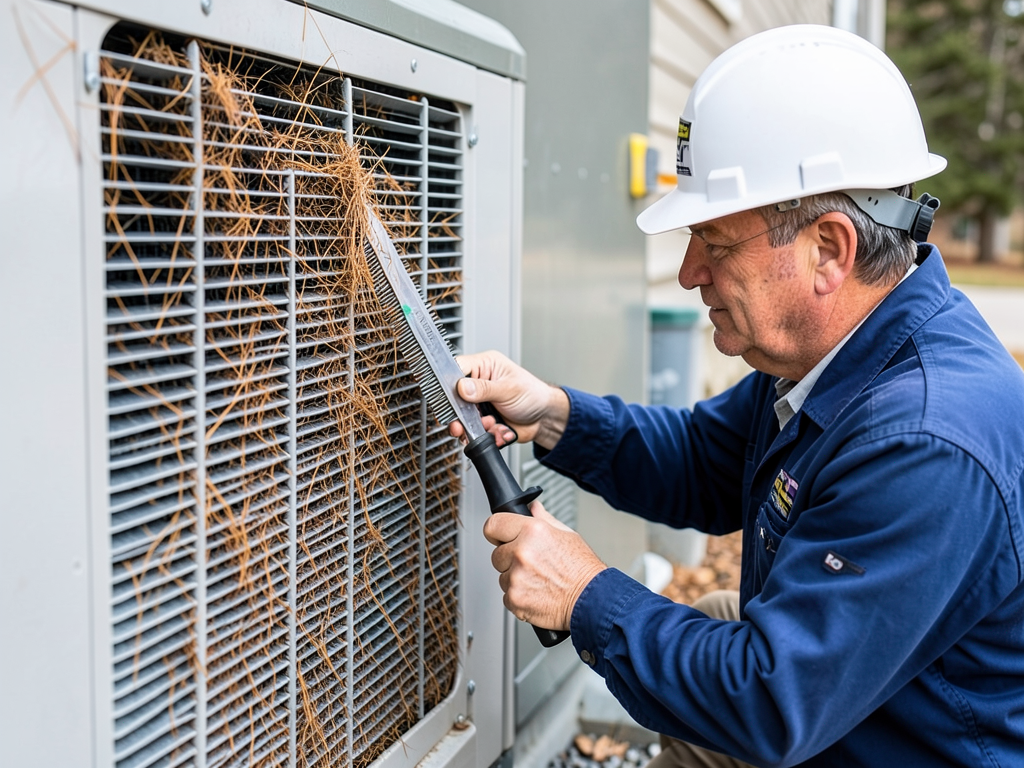
Why Pine Needles are a Unique Threat to Denver AC Units Living in Genesee means dealing with the beautiful but challenging mountain environment. The pine trees that give your property its scenic charm can wreak…

Why Your Gas Fireplace Should Not Be Your Only Heat Source in Golden\n\nGolden homeowners often…
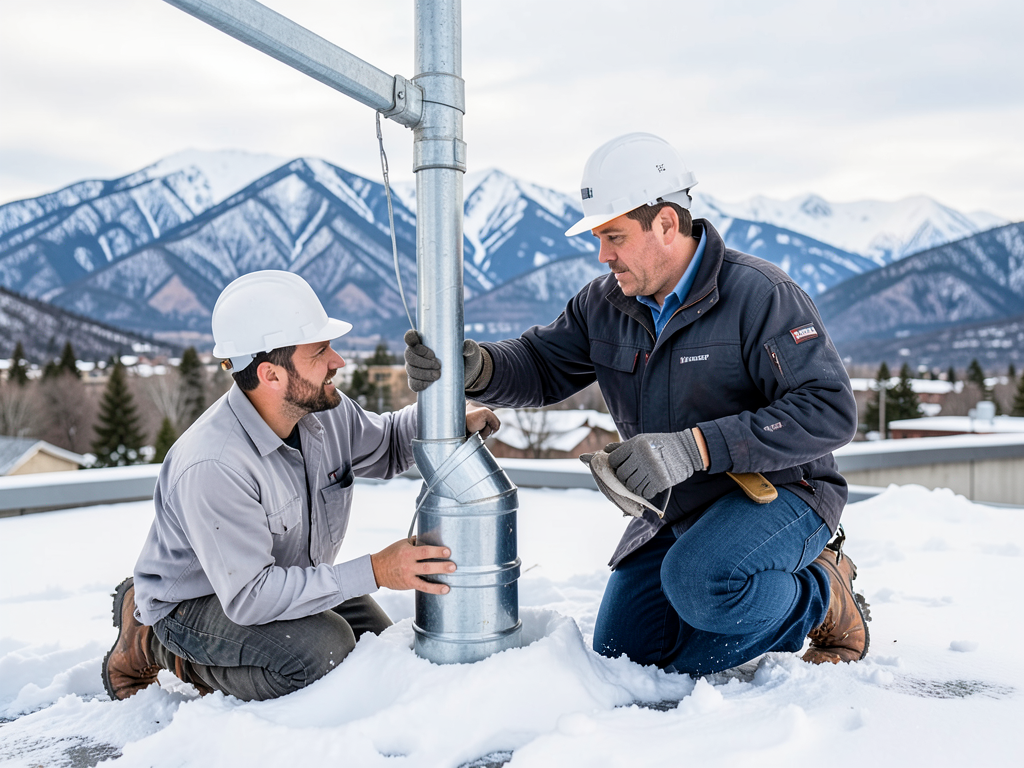
Why Your Furnace Venting Needs Special Attention in High Altitude Morrison Living at 5,800 feet…
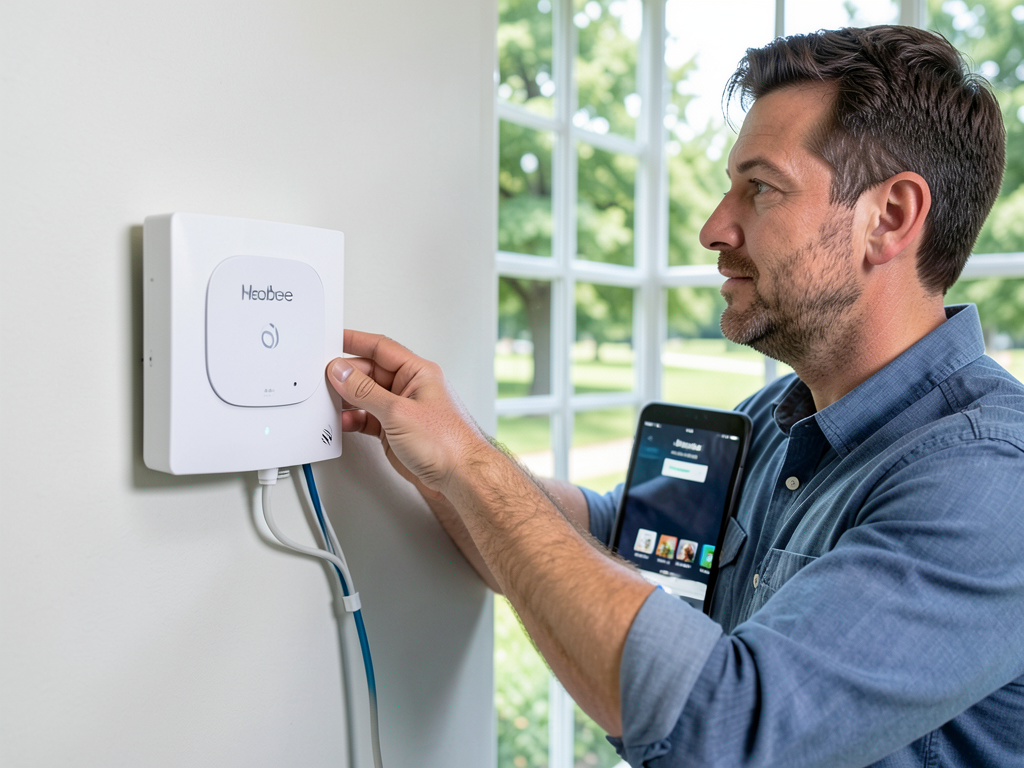
How to Integrate Your HVAC with Matter and Apple Home in Central Park Central Park…
Your comfort cannot wait. Call Fortress HVAC Denver now at (720) 502-9511 for same-day emergency service across Englewood. We answer the phone, we show up on time, and we fix your heating or cooling problem before the day ends.