




Aurora sits at 5,470 feet elevation where thin air forces HVAC equipment to work harder than systems at sea level. Our location east of Denver puts homes in the path of powerful chinook winds that swing temperatures 40 degrees in hours, stressing equipment with constant cycling. Winter temps drop to single digits while summer heat pushes past 100 degrees, giving Aurora one of the widest annual temperature ranges in Colorado.
The clay soil throughout neighborhoods like Saddle Rock and Wheatlands expands and contracts with moisture changes, shifting foundations and pulling ductwork apart at seams. This causes air leaks that waste energy and create hot or cold spots in homes. Aurora's rapid growth since the 1970s means neighborhoods from Centrepoint to Stapleton contain systems ranging from original 1980s units to modern high-efficiency models, each requiring different expertise.
Our proximity to Denver International Airport brings constant construction dust that clogs filters faster than in other areas. The semiarid climate dries out rubber seals and gaskets, leading to refrigerant leaks that reduce cooling capacity. These regional factors mean Aurora HVAC systems need technicians who understand altitude compensation, wind load calculations, and foundation movement impacts on ductwork integrity.
Fortress HVAC Denver has served Aurora and the east metro area since our founding, building a reputation for showing up when we say we will and fixing problems right the first time. Our technicians live in Aurora neighborhoods like Murphy Creek and Southlands, so when you call at 9 PM because your heat just quit, we're 15 minutes away, not driving from across the metro.
We stock our trucks based on what actually breaks in Aurora homes. That means parts for Lennox, Trane, Carrier, and Rheem systems common to neighborhoods built in the 1990s and 2000s, plus components for newer American Standard and Bryant equipment in recent developments near E-470. Most competitors order parts after diagnosing your system, adding days to your repair. We complete 87% of repairs during the first visit because we carry what Aurora systems need.
Our team understands altitude-specific installation requirements that sea-level trained technicians miss. Furnaces and air conditioners must be derated at our elevation or they fail early. We calculate proper airflow for thin air, adjust gas pressures for altitude, and size equipment for Aurora's extreme temperature swings. This expertise comes from years working exclusively in the Front Range, not from a corporate manual written for flat coastal cities.
We offer transparent pricing before starting work. You'll know the cost of your repair before we touch a wrench, with no surprise charges for evening or weekend emergency calls. Our invoices break down parts and labor clearly, and we explain what failed and why in plain language. Aurora homeowners deserve honesty, not the industry's typical games with hidden fees and inflated diagnostic charges.

Aurora emergencies get same-day service seven days a week. Our technicians live locally and carry common parts, so most heating and cooling failures get fixed within hours of your call. We answer phones 24/7 during temperature extremes, dispatching help immediately when systems fail during Colorado's dangerous cold snaps or heat waves.

Every Fortress technician completes specialized training for high-altitude HVAC work. We adjust equipment for thin air, compensate for elevation in load calculations, and understand how Aurora's 5,470-foot altitude affects system performance. This expertise prevents the early failures that plague systems installed by sea-level trained competitors who ignore altitude requirements.
You'll know the exact repair cost before we start work. Our pricing includes parts, labor, and disposal fees with no hidden charges for nights, weekends, or emergencies. We explain what failed, why it happened, and what the fix involves in clear terms. You approve the price first, then we complete the repair to your satisfaction.
Our technicians know Aurora's neighborhoods, from the older homes in Hutchinson Heights to new construction near Southlands Mall. We understand how clay soil affects ductwork, how chinook winds stress equipment, and which HVAC brands dominate different subdivisions. This local knowledge means faster diagnosis and stocked parts for the systems Aurora residents actually own.
Fortress HVAC Denver handles every heating and cooling need Aurora residents face, from emergency furnace repairs on freezing nights to planned air conditioner replacements before summer heat arrives. Our service range covers urgent breakdowns that need immediate attention, routine maintenance that prevents failures, and complete system installations when equipment reaches the end of its lifespan.
Aurora's extreme temperature swings from subzero winters to upper-90s summers mean your HVAC system works year-round with little rest. This constant demand creates different service needs depending on whether you're facing an emergency, planning preventive care, or replacing aging equipment. We structure our services around these distinct situations, ensuring you get the right response for your specific circumstances.
Our emergency repairs focus on fast response and same-visit completion. Maintenance programs prevent breakdowns through seasonal tune-ups timed to Aurora's climate patterns. Installation services provide properly sized, altitude-compensated equipment that delivers efficient comfort for decades. Each service category uses different skills, parts inventory, and scheduling approaches designed for that situation's urgency level and complexity.
When your furnace quits at midnight in January or your AC fails during a July heat wave, you need help immediately. Our emergency service responds within hours, diagnosing the failure and restoring comfort the same day in most cases. We stock trucks with thermostats, igniters, contactors, capacitors, and other parts that commonly fail in Aurora's climate. This preparation means we complete most emergency repairs during the first visit, even on nights and weekends when other companies just schedule appointments.
Regular maintenance catches small problems before they become expensive emergencies. Our spring cooling tune-ups prepare your AC for summer heat by cleaning coils, checking refrigerant levels, and testing electrical connections that loosen from winter vibration. Fall heating tune-ups inspect heat exchangers for cracks, verify gas pressures at altitude, and replace filters before furnace season starts. Aurora's temperature extremes and constant wind accelerate wear, making twice-yearly professional maintenance essential for system longevity and efficiency.
When your system reaches 15 to 20 years old, replacement becomes more cost-effective than continued repairs. We perform load calculations adjusted for Aurora's altitude and temperature extremes, ensuring your new equipment isn't oversized or undersized for your home's actual needs. Our installations include properly sealed ductwork to handle chinook wind pressure changes, altitude-compensated gas pressures for furnaces, and refrigerant charges adjusted for thin air. This attention to regional requirements delivers efficient performance and prevents the early failures common with generic installations.
Aurora's location east of the Front Range foothills creates specific HVAC challenges you won't find in other Colorado cities. Our elevation forces equipment to work harder, our clay soil shifts foundations and ductwork, and our exposure to chinook winds causes rapid pressure changes that stress systems. These regional factors combine with extreme seasonal temperatures to create recurring problems across Aurora neighborhoods.
The 40 to 50 degree temperature swings common during spring and fall force your system to switch between heating and cooling multiple times per week, wearing out components faster than in stable climates. Winter cold drops below zero while summer heat exceeds 100 degrees, pushing equipment to its limits on both ends. Understanding these Aurora-specific issues helps you recognize when your system needs professional attention before a minor problem becomes a total failure during extreme weather.
Aurora's thin air makes furnaces work harder to generate heat, stressing hot surface igniters until they crack and fail. These ceramic components glow orange to light your gas burners, but they become brittle from constant high-temperature cycles at elevation. When an igniter cracks, your furnace won't start, leaving you without heat during Colorado's coldest nights. We stock igniters for every major furnace brand installed in Aurora homes.
Aurora's semiarid climate dries out rubber seals and O-rings in air conditioning systems, creating refrigerant leaks that reduce cooling capacity. You'll notice your AC running constantly without cooling your home adequately, or ice forming on refrigerant lines outside. Our technicians locate leaks using electronic detectors, repair the source, and recharge your system with the correct amount of refrigerant adjusted for altitude.
The clay soil throughout Aurora neighborhoods expands when wet and contracts when dry, shifting foundations and pulling ductwork apart at connection points. These gaps leak conditioned air into your attic or crawlspace, wasting energy and creating temperature imbalances between rooms. We seal duct connections with mastic and metal-backed tape rated for temperature extremes, then verify proper airflow to all rooms.
Rapid barometric pressure changes during chinook wind events confuse older mechanical thermostats, causing erratic cycling or complete failure to call for heating or cooling. Smart thermostats with solid-state sensors handle pressure changes better but still need proper calibration for Aurora's elevation. We install and program thermostats that compensate for altitude and maintain accurate temperature control despite our volatile weather patterns.
From your first phone call to final system testing, we focus on clear communication and efficient service that respects your time and property. You'll speak with a real person who answers HVAC questions honestly, not a call center reading scripts. Our scheduling system dispatches the closest available technician, reducing your wait time during emergencies.
When our technician arrives at your Aurora home, they'll wear shoe covers, put down floor protection, and introduce themselves before touching your equipment. The diagnostic process takes 15 to 30 minutes for most issues as we test components, check voltages, and measure airflow or gas pressures. You'll receive a clear explanation of what failed, why it happened, and what the repair involves, along with an upfront price that includes all parts and labor.
After you approve the repair, most jobs finish within one to two hours. We clean up completely, removing old parts and packaging, then test your system through multiple cycles to verify proper operation. You'll receive documentation of all work performed, warranty information for parts installed, and maintenance recommendations to prevent future problems. Our goal is restoring your comfort quickly while treating your home with the same respect we'd want for our own.
Our technicians test your system methodically, checking electrical connections, measuring airflow, and verifying safety controls before diagnosing the problem. We'll show you the failed component and explain what it does, why it failed, and what happens if you delay the repair. You'll understand the issue in plain language, not technical jargon designed to confuse you. We present repair options when alternatives exist, letting you make informed decisions about your equipment.
You'll receive a written quote showing the total repair cost before we start work. Our flat-rate pricing includes parts, labor, disposal fees, and warranty coverage with no hidden charges. Emergency calls on nights, weekends, or holidays cost the same as daytime service. We explain what the price covers and how long the repair takes, then wait for your approval. If you decline the repair, you only pay the diagnostic fee. This transparency builds trust and eliminates the surprise bills common in our industry.
All repairs include a workmanship warranty covering our labor and a manufacturer's warranty on parts installed. We guarantee your system will work properly when we leave or we'll return to make it right at no additional charge. After completion, we follow up within a week to verify your satisfaction and answer any questions about operating your repaired system. This commitment to quality means you can trust the repair will last, backed by a company that stands behind its work.
We keep the repair process simple because you're already stressed about a broken heating or cooling system. Three clear steps get your Aurora home comfortable again quickly.
Call (720) 502-9511 and describe your heating or cooling problem to our staff. We'll ask a few questions about symptoms, sounds, or error codes to help the technician prepare. For emergencies, we dispatch immediately and provide an estimated arrival time. For scheduled maintenance or non-urgent repairs, we offer same-day or next-day appointments that fit your schedule. You'll receive a text when the technician is 30 minutes away.
The technician inspects your system, tests components, and identifies the problem within 30 minutes in most cases. They'll explain what failed and show you the defective part when possible. You'll receive an upfront price quote covering all parts and labor needed to complete the repair. We answer your questions honestly and present options if alternatives exist. Once you approve the work, we proceed immediately with parts already on the truck.
Most repairs finish within two hours as we replace the failed component, reassemble your system, and clean the work area. We test operation through multiple heating or cooling cycles, verify proper airflow, and check safety controls. You'll see the system running correctly before we leave. We provide documentation of work performed, warranty details, and maintenance recommendations, then follow up within a week to ensure your continued satisfaction.
Professional HVAC service in Aurora requires understanding how elevation, climate, and regional construction methods affect heating and cooling systems. At 5,470 feet, air density is approximately 83% of sea-level density, which significantly impacts equipment performance and installation requirements. Furnaces must be derated by following manufacturer altitude compensation charts, typically reducing input by 4% per 1,000 feet above sea level. This prevents incomplete combustion and carbon monoxide risks that occur when sea-level gas pressures are used at elevation.
Air conditioning systems face similar challenges. Reduced air density decreases heat transfer efficiency in condensers and evaporator coils, requiring adjustments to refrigerant charge and airflow calculations. The standard 400 cubic feet per minute per ton of cooling must be increased to compensate for thin air, or the system will short-cycle and fail to dehumidify properly. We use digital manometers to measure static pressure and verify proper airflow across the temperature split, ensuring systems cool effectively despite altitude handicaps.
Aurora's clay soil contains bentonite and other expansive minerals that swell up to 10% when saturated, then shrink during dry periods. This cycle shifts foundations vertically and laterally, stressing rigid ductwork connections until they separate. Building codes require flexible duct connectors at equipment and sealed joints using mastic or metal-backed tape rated for temperature extremes, not standard cloth duct tape that dries out and fails. We inspect ductwork in crawlspaces and attics for separation caused by soil movement, sealing gaps that waste 20% to 40% of conditioned air in affected homes.
Temperature swings exceeding 40 degrees within 24 hours force systems to switch between heating and cooling modes multiple times per week during spring and fall. This constant cycling accelerates wear on contactors, relays, and reversing valves in heat pumps. We recommend semi-annual maintenance timed to Aurora's climate, performing cooling system tune-ups in April before heat arrives and heating inspections in September before winter cold. This proactive approach catches worn components before they fail during temperature extremes when you need your system most.
Equipment installed at Aurora's elevation must be derated according to manufacturer specifications to prevent operational problems. Furnaces need gas pressure adjustments and orifice changes to compensate for thin air, while air conditioners require modified refrigerant charges and increased airflow rates. Ignoring altitude requirements causes inefficient operation, premature component failure, and safety hazards. We follow ANSI Z223.1 National Fuel Gas Code altitude provisions and manufacturer installation instructions specific to elevations above 5,000 feet.
Proper equipment sizing requires Manual J load calculations adjusted for Aurora's climate zone, elevation, and temperature extremes. Oversized systems short-cycle without dehumidifying, while undersized equipment runs constantly and fails early. The calculation accounts for insulation levels, window types, air infiltration rates, and orientation to Colorado's intense sun. Accurate sizing prevents the comfort problems and high energy bills caused by improperly matched equipment that dominates our industry.
The decision between repairing or replacing your system depends on age, repair cost, and efficiency gains from new equipment. Systems over 15 years old with repair costs exceeding 50% of replacement value typically warrant replacement, especially when considering modern equipment's 30% to 40% efficiency improvements. We provide honest assessments based on your system's condition and expected remaining lifespan, not commission-driven sales pressure.
HVAC replacements in Aurora require permits and inspections to verify code compliance for safety and efficiency. Permits ensure proper installation of gas connections, electrical circuits, condensate drains, and combustion air supplies. Inspections catch dangerous shortcuts like improper venting that creates carbon monoxide risks. We handle all permitting and schedule inspections as part of installation service, ensuring your system meets International Mechanical Code and local amendments.
Expert explanation of HVAC service requirements specific to Aurora, Colorado's altitude and climate. Covers altitude compensation for furnaces and air conditioners, common equipment failures from elevation stress and temperature extremes, ductwork issues from clay soil foundation movement, and maintenance timing for Front Range conditions. Includes repair versus replacement guidance, proper load calculations for thin air, and permitting requirements for Aurora installations. Practical information for homeowners in Saddle Rock, Southlands, Murphy Creek, Wheatlands, and surrounding Aurora neighborhoods.
Fortress HVAC Denver provides heating and cooling service throughout Aurora's diverse neighborhoods, from established communities near Buckley Space Force Base to new developments along E-470. Our technicians know the distinct characteristics of Aurora's geography, including how homes in different areas face unique HVAC challenges based on when they were built and where they sit in relation to the Front Range foothills.
The Saddle Rock and Blackstone neighborhoods in north Aurora feature homes built in the 1990s and early 2000s, many with original HVAC systems now reaching the age where major components fail. These communities sit closer to Denver International Airport, exposing them to construction dust and jet exhaust that clogs filters faster than in southern areas. We service numerous Lennox and Trane systems in this part of Aurora, keeping parts for these brands stocked because we know what equipment dominates the neighborhood.
South Aurora neighborhoods like Southlands and The Conservatory contain newer construction from the 2000s and 2010s, with more modern high-efficiency systems that require different expertise. The commercial development around Southlands Mall creates microclimates where heat radiates from expansive parking lots, making southern exposures work harder to maintain cooling. We understand these newer systems' advanced controls and variable-speed components that older technicians often misdiagnose.
Murphy Creek, Wheatlands, and Tollgate Crossing in southeast Aurora spread across rolling terrain with elevation changes that affect how chinook winds hit homes. Properties on ridges face stronger sustained winds that stress outdoor condensing units and create pressure imbalances in ductwork. Valley properties collect cold air on winter nights, forcing furnaces to work harder. Our service accounts for these microclimates when diagnosing efficiency problems or recommending equipment upgrades.
The older neighborhoods near Colfax Avenue and Havana Street contain Aurora's most diverse housing stock, from 1950s ranch homes with ancient heating systems to renovated properties with modern equipment. This area's mature trees provide shade that helps cooling efficiency but drops leaves and cottonwood seeds that clog outdoor coils. We service everything from gravity furnaces still running in original homes to cutting-edge geothermal systems in complete renovations.
We extend service to communities bordering Aurora, including Centennial to the west, where clay soil conditions match Aurora's, and portions of unincorporated Adams County to the north. Our proximity to Interstate 70, E-470, and Interstate 225 lets us reach any Aurora neighborhood within 20 minutes during normal conditions, faster during emergencies when we dispatch from home locations throughout the service area. This geographic coverage ensures rapid response whether you're near the Anschutz Medical Campus, the Streets at SouthGlenn shopping area, or residential communities along Quincy Avenue.
The $5000 rule helps you decide whether to repair or replace your HVAC system. Multiply the age of your equipment by the repair cost. If the result exceeds $5000, replacement makes more sense than fixing it. For example, a 15-year-old furnace needing a $400 repair equals $6000, so you should replace it. In Aurora, where temperature swings stress heating and cooling systems year-round, this rule helps homeowners avoid throwing money at dying equipment. Consider efficiency upgrades too. Modern systems cut energy bills significantly compared to units over 10 years old.
HVAC installers in Aurora typically charge between $75 and $150 per hour for labor. The rate varies based on job complexity, technician experience, and whether you need emergency service. Simple thermostat installations sit at the lower end. Complex ductwork modifications or commercial installs cost more. Many contractors bundle labor into flat-rate pricing rather than hourly rates, which protects you from surprise costs. Always get written estimates before work begins. Aurora's competitive HVAC market means you can compare quotes from multiple contractors to find fair pricing without sacrificing quality workmanship.
Replacing HVAC for a 2000 square foot home in Aurora generally costs between $7000 and $15000. The range depends on equipment efficiency ratings, brand selection, ductwork condition, and system type. A basic single-stage furnace and AC sits at the lower end. High-efficiency variable-speed systems with zoning capabilities cost more but deliver better comfort and lower utility bills. Aurora homes often need properly sized equipment to handle both cold winters and hot summers. Factors like insulation quality and your home's orientation affect sizing requirements. Get multiple quotes and compare equipment specifications, not just bottom-line prices.
The $5000 rule helps you decide whether to repair or replace your HVAC system. Multiply the age of your equipment by the repair cost. If the result exceeds $5000, replacement makes more sense than fixing it. For example, a 15-year-old furnace needing a $400 repair equals $6000, so you should replace it. In Aurora, where temperature swings stress heating and cooling systems year-round, this rule helps homeowners avoid throwing money at dying equipment. Consider efficiency upgrades too. Modern systems cut energy bills significantly compared to units over 10 years old.
HVAC installers in Aurora typically charge between $75 and $150 per hour for labor. The rate varies based on job complexity, technician experience, and whether you need emergency service. Simple thermostat installations sit at the lower end. Complex ductwork modifications or commercial installs cost more. Many contractors bundle labor into flat-rate pricing rather than hourly rates, which protects you from surprise costs. Always get written estimates before work begins. Aurora's competitive HVAC market means you can compare quotes from multiple contractors to find fair pricing without sacrificing quality workmanship.
Replacing HVAC for a 2000 square foot home in Aurora generally costs between $7000 and $15000. The range depends on equipment efficiency ratings, brand selection, ductwork condition, and system type. A basic single-stage furnace and AC sits at the lower end. High-efficiency variable-speed systems with zoning capabilities cost more but deliver better comfort and lower utility bills. Aurora homes often need properly sized equipment to handle both cold winters and hot summers. Factors like insulation quality and your home's orientation affect sizing requirements. Get multiple quotes and compare equipment specifications, not just bottom-line prices.
Aurora HVAC is a locally owned and operated company serving the greater Aurora metro area. The ownership structure focuses on delivering personalized service that large franchise chains cannot match. As a local business, Aurora HVAC understands the specific climate challenges homeowners face here, from dry air affecting comfort to extreme temperature swings stressing equipment. They invest in ongoing technician training and maintain relationships with local suppliers for faster parts availability. Their reputation depends entirely on satisfied Aurora customers, which drives accountability. You work directly with decision-makers who stand behind their installations and repairs.
Aurora HVAC is a locally owned and operated company serving the greater Aurora metro area. The ownership structure focuses on delivering personalized service that large franchise chains cannot match. As a local business, Aurora HVAC understands the specific climate challenges homeowners face here, from dry air affecting comfort to extreme temperature swings stressing equipment. They invest in ongoing technician training and maintain relationships with local suppliers for faster parts availability. Their reputation depends entirely on satisfied Aurora customers, which drives accountability. You work directly with decision-makers who stand behind their installations and repairs.
Fortress HVAC is proud to serve the Denver area and surrounding communities. We invite you to view our location on the map, which highlights our service area. While we often come directly to you for services, knowing our central base can help you understand our reach. Feel free to contact us with any questions about our service coverage or to schedule an appointment directly.
Address:
Aurora, CO, 80045
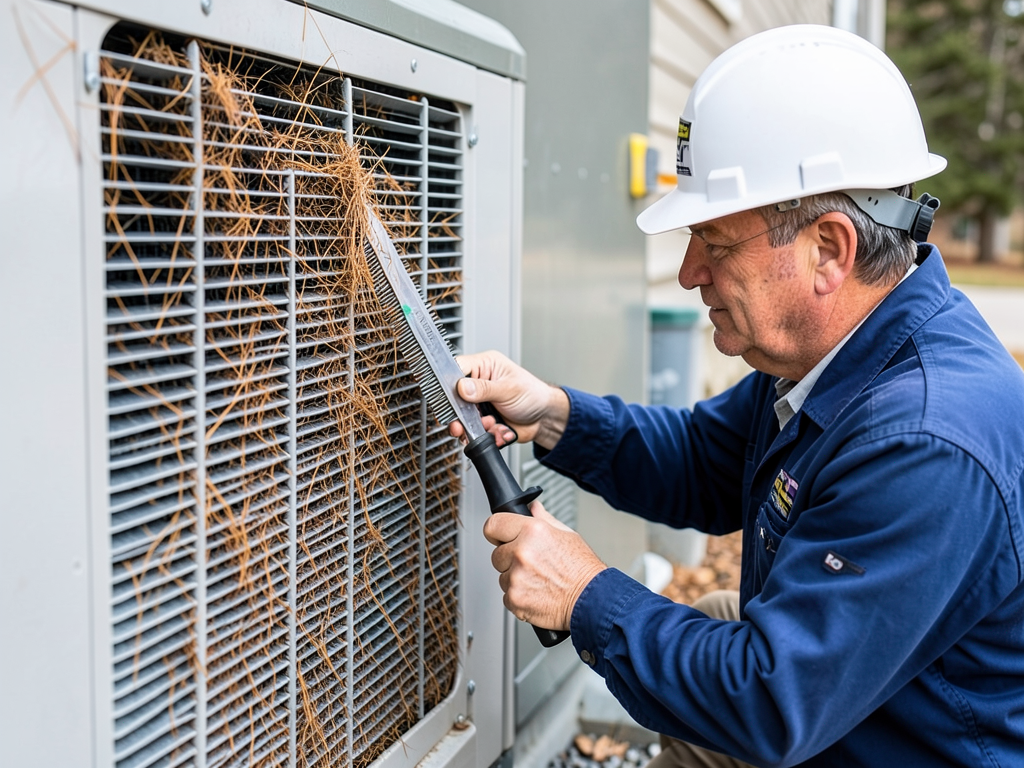
Why Pine Needles are a Unique Threat to Denver AC Units Living in Genesee means dealing with the beautiful but challenging mountain environment. The pine trees that give your property its scenic charm can wreak…

Why Your Gas Fireplace Should Not Be Your Only Heat Source in Golden\n\nGolden homeowners often…
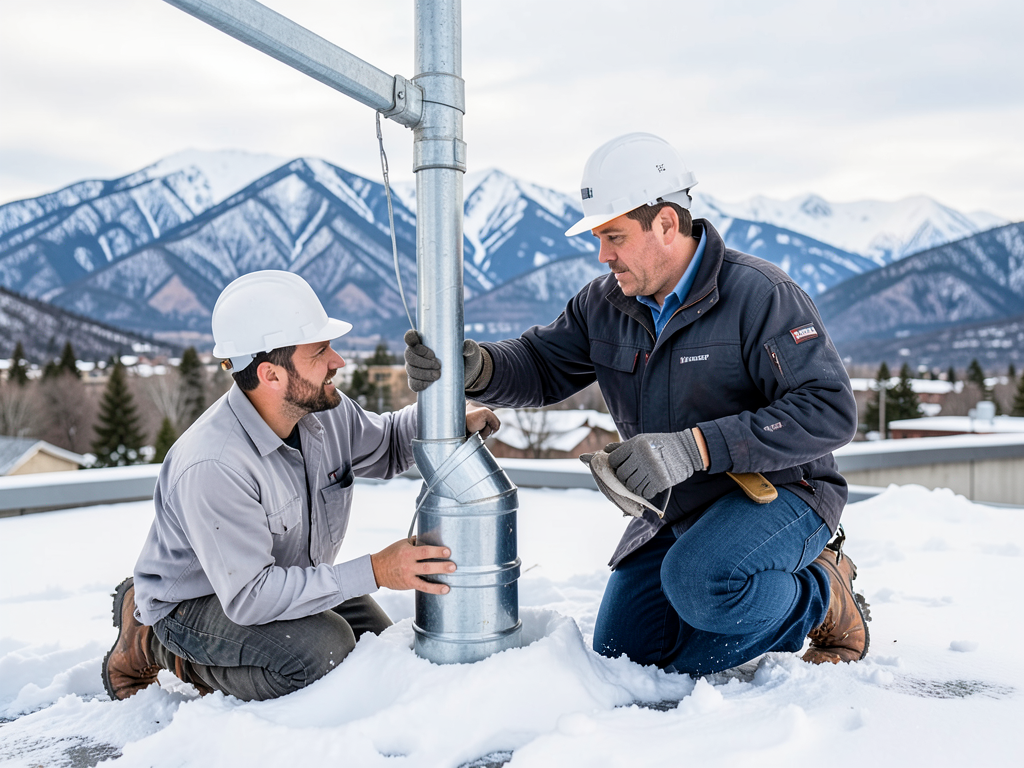
Why Your Furnace Venting Needs Special Attention in High Altitude Morrison Living at 5,800 feet…
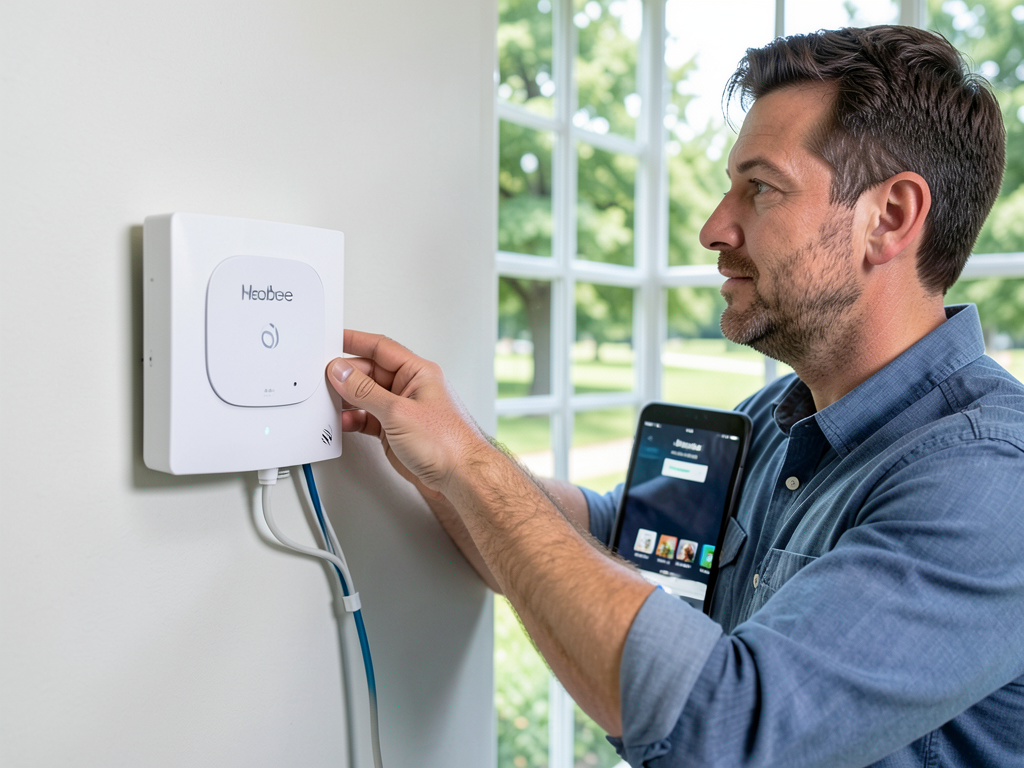
How to Integrate Your HVAC with Matter and Apple Home in Central Park Central Park…
Your comfort matters. Call (720) 502-9511 now for same-day heating and cooling service in Aurora. Our technicians are ready to diagnose your problem and restore comfort today, with upfront pricing and parts already on the truck.