
Why Your Edgewater Home Is Always Dusty Even After You Clean
Dust seems to reappear the moment you finish cleaning. If you live in Edgewater you are not alone. Denver’s unique high-desert climate creates perfect conditions for dust to settle and stick to every surface in your home. The problem is not your cleaning skills. It is your indoor air system working against you.
Denver’s semi-arid climate keeps humidity levels between 15 and 25 percent most of the year. That is far below the ideal indoor range of 30 to 50 percent. When the air is this dry dust particles become lighter and stay airborne longer. They float through your rooms until they find a surface to cling to. Low humidity also creates static electricity which acts like a magnet pulling dust onto furniture walls and floors.. Read more about Managing Basement Humidity and Mold Risk in Older Berkeley Homes.
Edgewater homes built in the mid-century and early 2000s often have aging ductwork that develops small leaks over time. These leaks pull unfiltered air from attics crawlspaces and wall cavities directly into your living space. That air carries insulation fibers pollen and fine soil particles from the Front Range. Even a brand-new filter cannot stop what sneaks in through gaps in your ducts.. Read more about Comparing the Best Air Filter MERV Ratings for Colorado Wildfire Season.
Another factor is Denver’s Front Range dust. Fine clay soil from nearby construction sites and natural erosion gets lifted by wind and drawn into homes through open windows or poorly sealed doors. During summer wildfire season PM2.5 particles from smoke add another layer of ultra-fine dust that standard filters struggle to capture.
Understanding these root causes is the first step. The next section breaks down the five most common HVAC system failures that turn your home into a dust magnet.
Top Five HVAC Culprits Behind Your Dust Problem
Most homeowners blame outdoor air or pets for constant dust. In reality your HVAC system often creates or worsens the problem. Here are the five most common mechanical failures we see in Edgewater homes.
1. Leaky Return Ducts and Attic Insulation
Return ducts are supposed to pull air from your living space back to the furnace for filtering and reheating. When these ducts leak they suck air from places you never want to breathe. Attic air often contains fiberglass insulation particles and years of accumulated dust. A single one-inch gap in a return plenum can pull in unfiltered air at a rate of 150 cubic feet per minute. Emergency Furnace Repair for Denver Residents Dealing with a Frozen House.
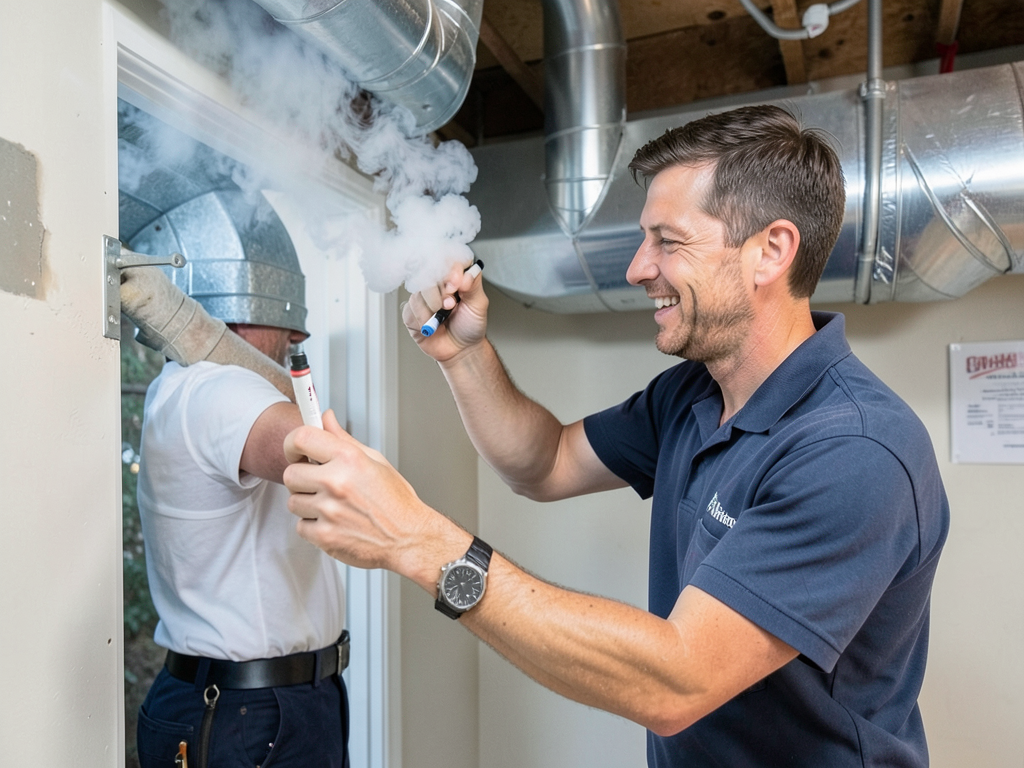
Diagnostic test: Turn your thermostat fan to “on” and hold a smoke pencil near duct joints. If the smoke stream moves toward the duct you have a leak. This test takes five minutes and proves the problem exists before any repair work begins. EPA indoor air quality guidelines.
2. Inadequate MERV Ratings on Air Filters
Many Edgewater homeowners buy the cheapest filter at the hardware store without realizing it only catches particles larger than 10 microns. That means fine dust pollen and smoke particles pass right through. A MERV 8 filter captures about 20 percent of airborne particles while a MERV 13 filter captures 90 percent of particles down to 0.3 microns.
High-altitude air is less dense than air at sea level. That means your blower motor must work harder to push air through dense filters. A MERV 13 filter at Denver’s elevation can reduce airflow by 15 to 20 percent if your system is not designed for it. The solution is not just a better filter but a system check to ensure your blower can handle the resistance.. Read more about Simple Ways to Lower Your High Xcel Energy Bills This Winter.
3. The Role of Denver’s Low Humidity
Denver averages 15 to 20 percent relative humidity during winter months. When indoor air drops below 30 percent relative humidity several problems compound. Dry air allows dust to remain suspended longer. Static charges build on synthetic carpets and electronics attracting more particles. Mucous membranes in your nose and throat dry out making you more sensitive to airborne irritants.
Solution options include whole-home bypass humidifiers which use furnace airflow to evaporate water or steam humidifiers which produce moisture independent of airflow. Steam units cost more upfront but maintain consistent humidity even when the furnace is not running.
4. Neglected Air Handler and Blower Compartment
The blower compartment inside your furnace collects dust over years of operation. When the blower wheel becomes coated with debris it cannot move air efficiently. That forces the system to run longer cycles which pulls more dust through the home. During a professional cleaning we remove the blower assembly and clean each blade with compressed air. A dirty blower can reduce system efficiency by up to 30 percent.
Visual inspection: Remove the furnace access panel and look at the blower wheel. If you see gray fuzz or hair on the blades it is time for a cleaning.
5. Poor Return Air Pathway Design
Some Edgewater homes were built with only one return air grille for the entire house. That creates negative pressure in bedrooms and other closed-off spaces. The pressure difference forces air to leak in through gaps around doors windows and even electrical outlets. Each of these pathways carries unfiltered air and dust.
Fix options include adding jump ducts across hallways or installing transfer grilles in bedroom doors. These modifications balance pressure and reduce infiltration without major construction.
The Health Impact: Air Quality in the Mile High City
Dust is more than a cleaning nuisance. In Denver’s high-altitude environment it affects your health every day. Fine particulate matter PM2.5 which includes dust smoke and pollen penetrates deep into your lungs. The EPA sets the annual PM2.5 standard at 12 micrograms per cubic meter. During wildfire season Denver often exceeds 35 micrograms per cubic meter.
Children elderly individuals and people with asthma or allergies experience the most severe effects. Symptoms include itchy eyes runny nose coughing and difficulty breathing. Even healthy adults report more fatigue and sleep disruption when indoor air quality drops.
Indoor air can be two to five times more polluted than outdoor air according to the EPA. In Denver’s dry climate that ratio often climbs higher because there is no moisture to help particles settle. The solution is not just to clean more often but to remove the source of the particles.
Professional Solutions to Eliminate Dust for Good
Once you identify the root causes you can take targeted action. Some fixes are DIY friendly but others require professional tools and expertise. Here are the most effective solutions we install in Edgewater homes.
Whole-Home Air Purification Systems
Standalone air purifiers only clean one room. Whole-home systems attach directly to your HVAC ductwork and filter all air circulating through your house. Options include HEPA filters which capture 99.97 percent of particles down to 0.3 microns and electronic air cleaners which use charged plates to attract particles.
ActivePure technology goes further by releasing oxidizing molecules that neutralize bacteria viruses and volatile organic compounds. These systems are especially valuable during wildfire season when outdoor air quality drops sharply.
Duct Sealing with Aeroseal Technology
Traditional duct sealing involves manually applying mastic or tape to visible joints. That misses leaks hidden inside walls or under floors. Aeroseal technology pressurizes your duct system and injects a polymer mist that finds and seals leaks from the inside. The process can seal leaks up to 5 inches in diameter and reduce duct leakage by 90 percent.
Benefits include lower energy bills since your system does not lose heated or cooled air to the attic improved air quality from less infiltration and longer equipment life because the blower does not work as hard.
Advanced Filtration Without Sacrificing Airflow
High-MERV filters are only effective if your system can move enough air through them. We perform a static pressure test to measure resistance in your ductwork. If pressure is too high we may recommend a variable-speed blower motor which adjusts speed to maintain proper airflow regardless of filter density.
Another option is a media air cleaner which provides MERV 11 to 16 filtration in a larger cabinet that reduces pressure drop. These units can handle dense filters without starving your system of air.
Humidity Control as a Dust Management Tool
Maintaining indoor humidity between 35 and 45 percent reduces airborne dust in several ways. Moisture causes particles to clump together and fall out of the air. It also reduces static electricity which stops dust from clinging to surfaces. Whole-home humidifiers integrate with your thermostat so you never have to remember to turn them on or off.
Steam humidifiers cost more than bypass units but provide precise control and work even when the furnace is not running. For Edgewater’s extremely dry winters the investment often pays for itself in reduced cleaning time and improved comfort.
When to Call a Denver IAQ Expert
Some dust problems are easy to fix with a better filter or a humidifier. Others require professional diagnosis because the symptoms overlap. Call an expert if you notice these signs.
- Dust accumulates within one to two days of cleaning
- You see gray or black streaks around ceiling registers
- Your home feels stuffy even when the thermostat shows the right temperature
- Family members experience frequent allergy or asthma symptoms indoors
- You can see insulation fibers or debris around vents
A professional IAQ assessment includes particle counting to measure dust levels before and after filtration. We use thermal imaging to find hidden duct leaks and blower door tests to measure how much outside air enters your home. These diagnostic tools take the guesswork out of solving your dust problem.
Edgewater homes have unique challenges because of their age construction style and Denver’s climate. A one-size-fits-all solution rarely works. Professional assessment ensures you invest in the right fix the first time.
Frequently Asked Questions
Why does my house get so dusty so quickly?
Rapid dust buildup usually means your HVAC system is pulling unfiltered air from attics crawlspaces or wall cavities. Leaky return ducts and poor return air pathways are the most common causes in Denver homes.
Can a better air filter really make a difference?
Yes but only if your system can handle the increased resistance. A MERV 13 filter captures 90 percent of airborne particles compared to 20 percent for a basic filter. However high-altitude air density means your blower must be sized correctly to maintain proper airflow.
How often should I change my air filter?
Change standard one-inch filters every one to three months. Thicker media filters can last six to twelve months. Check monthly during wildfire season or if you have pets because dust and dander accumulate faster.
Will a humidifier help with dust?
Yes. Maintaining humidity between 35 and 45 percent causes dust particles to clump and settle. It also reduces static electricity which stops dust from clinging to surfaces. Whole-home humidifiers provide the most consistent results.
How much does professional duct sealing cost?
Aeroseal duct sealing for an average home costs between $1500 and $2500. The investment typically pays for itself in three to five years through lower energy bills and reduced HVAC repairs. Fast AC Repair Services in Aurora for When the Summer Heat Hits.
Can I seal my ducts myself?
You can seal visible joints with mastic but that misses leaks hidden in walls or under floors. Professional sealing with Aeroseal technology finds and seals all leaks including those you cannot access.
Is whole-home air purification worth the cost?
If you or family members have allergies asthma or respiratory issues the health benefits often justify the cost. These systems also protect your HVAC equipment and reduce cleaning time. Many homeowners report paying for themselves within two years through energy savings and fewer filter replacements. Repair vs. Replace AC Guide.
How do I know if my home has negative pressure?
Signs include doors slamming shut when windows are open drafts around outlets and faster dust accumulation in closed rooms. A professional can test pressure with a manometer to confirm the problem.
Dust does not have to be a constant battle. The right combination of filtration humidity control and duct sealing can transform your indoor air quality. Call (720) 502-9511 today to schedule your inspection and breathe easier tomorrow.
Pick up the phone and call (720) 502-9511 before the next storm hits. Your lungs and your cleaning schedule will thank you. For more information, visit Department of Energy duct sealing guide.
You may also find this helpful. Why Modern Sloan’s Lake Townhomes Need an HRV or ERV for Fresh Air.
{
“@context”: “https://schema.org”,
“@type”: “BlogPosting”,
“headline”: “Why Your Edgewater Home Is Always Dusty Even After You Clean”,
“description”: “Struggling with constant dust in your Edgewater home? Discover the real HVAC culprits behind Denver’s dry climate dust problem and how professional solutions can help.”,
“wordCount”: 2048,
“datePublished”: “2026-03-04T10:40:00.000Z”,
“dateModified”: “2026-03-04T10:40:00.000Z”,
“inLanguage”: “en-US”,
“mainEntityOfPage”: {
“@type”: “WebPage”,
“@id”: “https://fortresshvacdenver.com”
},
“publisher”: {
“@type”: “LocalBusiness”,
“name”: “Fortress HVAC Denver”,
“url”: “https://fortresshvacdenver.com”
},
“author”: {
“@type”: “Organization”,
“name”: “Fortress HVAC Denver”,
“url”: “https://fortresshvacdenver.com”
},
“image”: {
“@type”: “ImageObject”,
“url”: “https://fortresshvacdenver.com/wp-content/uploads/2026/03/why-your-edgewater-home-is-always-dusty-even-after-1.png”
}
}
{
“@context”: “https://schema.org”,
“@type”: “HVACBusiness”,
“name”: “Fortress HVAC Denver”,
“url”: “https://fortresshvacdenver.com”,
“address”: {
“@type”: “PostalAddress”,
“addressLocality”: “Denver”
},
“areaServed”: {
“@type”: “City”,
“name”: “Denver”
}
}
{
“@context”: “https://schema.org”,
“@type”: “FAQPage”,
“mainEntity”: [
{
“@type”: “Question”,
“name”: “Why does my house get so dusty so quickly?”,
“acceptedAnswer”: {
“@type”: “Answer”,
“text”: “Rapid dust buildup usually means your HVAC system is pulling unfiltered air from attics crawlspaces or wall cavities. Leaky return ducts and poor return air pathways are the most common causes in Denver homes.”
}
},
{
“@type”: “Question”,
“name”: “Can a better air filter really make a difference?”,
“acceptedAnswer”: {
“@type”: “Answer”,
“text”: “Yes but only if your system can handle the increased resistance. A MERV 13 filter captures 90 percent of airborne particles compared to 20 percent for a basic filter. However high-altitude air density means your blower must be sized correctly to maintain proper airflow.”
}
},
{
“@type”: “Question”,
“name”: “How often should I change my air filter?”,
“acceptedAnswer”: {
“@type”: “Answer”,
“text”: “Change standard one-inch filters every one to three months. Thicker media filters can last six to twelve months. Check monthly during wildfire season or if you have pets because dust and dander accumulate faster.”
}
},
{
“@type”: “Question”,
“name”: “Will a humidifier help with dust?”,
“acceptedAnswer”: {
“@type”: “Answer”,
“text”: “Yes. Maintaining humidity between 35 and 45 percent causes dust particles to clump and settle. It also reduces static electricity which stops dust from clinging to surfaces. Whole-home humidifiers provide the most consistent results.”
}
},
{
“@type”: “Question”,
“name”: “How much does professional duct sealing cost?”,
“acceptedAnswer”: {
“@type”: “Answer”,
“text”: “Aeroseal duct sealing for an average home costs between $1500 and $2500. The investment typically pays for itself in three to five years through lower energy bills and reduced HVAC repairs. Fast AC Repair Services in Aurora for When the Summer Heat Hits.”
}
},
{
“@type”: “Question”,
“name”: “Can I seal my ducts myself?”,
“acceptedAnswer”: {
“@type”: “Answer”,
“text”: “You can seal visible joints with mastic but that misses leaks hidden in walls or under floors. Professional sealing with Aeroseal technology finds and seals all leaks including those you cannot access.”
}
},
{
“@type”: “Question”,
“name”: “Is whole-home air purification worth the cost?”,
“acceptedAnswer”: {
“@type”: “Answer”,
“text”: “If you or family members have allergies asthma or respiratory issues the health benefits often justify the cost. These systems also protect your HVAC equipment and reduce cleaning time. Many homeowners report paying for themselves within two years through energy savings and fewer filter replacements. Repair vs. Replace AC Guide.”
}
},
{
“@type”: “Question”,
“name”: “How do I know if my home has negative pressure?”,
“acceptedAnswer”: {
“@type”: “Answer”,
“text”: “Signs include doors slamming shut when windows are open drafts around outlets and faster dust accumulation in closed rooms. A professional can test pressure with a manometer to confirm the problem.”
}
}
]
}
{
“@context”: “https://schema.org”,
“@type”: “BreadcrumbList”,
“itemListElement”: [
{
“@type”: “ListItem”,
“position”: 1,
“name”: “Home”,
“item”: “https://fortresshvacdenver.com”
},
{
“@type”: “ListItem”,
“position”: 2,
“name”: “Blog”,
“item”: “https://fortresshvacdenver.com/blog”
},
{
“@type”: “ListItem”,
“position”: 3,
“name”: “Why Your Edgewater Home Is Always Dusty Even After You Clean”
}
]
}
{
“@context”: “https://schema.org”,
“@type”: “Service”,
“serviceType”: “HVAC”,
“provider”: {
“@type”: “LocalBusiness”,
“name”: “Fortress HVAC Denver”,
“url”: “https://fortresshvacdenver.com”
},
“areaServed”: {
“@type”: “City”,
“name”: “Denver”
},
“description”: “Struggling with constant dust in your Edgewater home? Discover the real HVAC culprits behind Denver’s dry climate dust problem and how professional solutions can help.”
}