
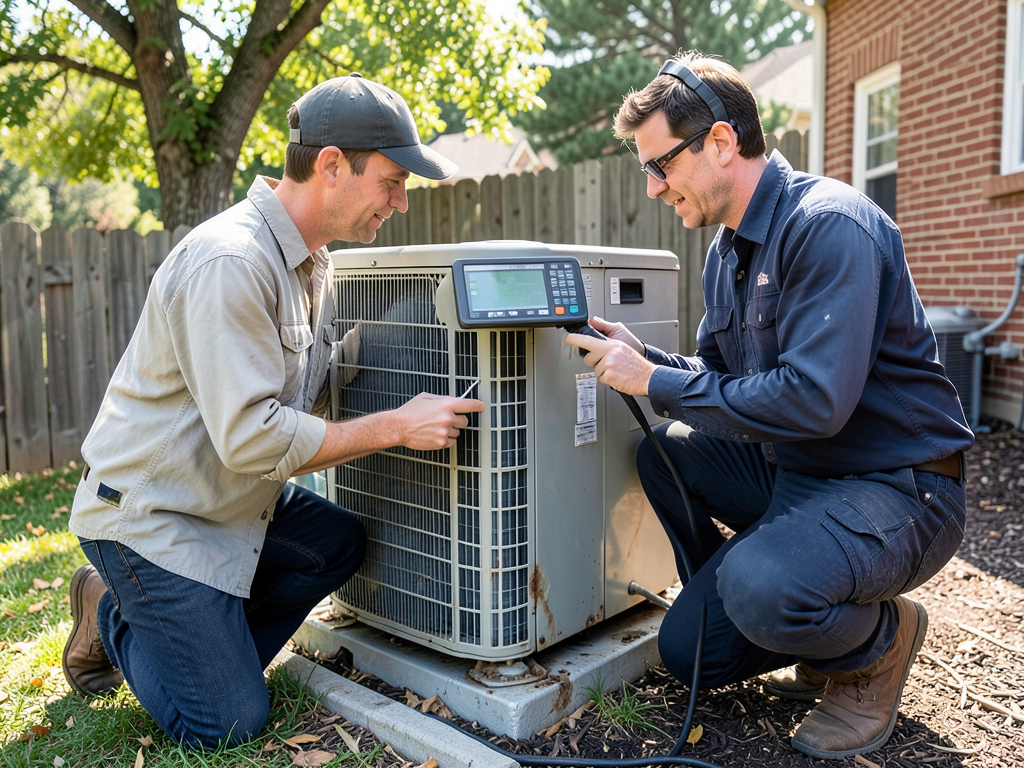
When Is It Time to Retire Your 20 Year Old AC Unit? (Northfield Replacement Guide)
Your air conditioner has been humming along for two decades but now it struggles to keep your Northfield home cool during Denver’s summer heat waves. The question isn’t whether it’s old but whether it’s costing you more in repairs and energy bills than a new system would. A 20-year-old AC unit in Denver’s climate typically operates at 60-70% efficiency compared to modern systems that achieve 90% or higher efficiency ratings. Fast AC Repair Services in Aurora for When the Summer Heat Hits.
Denver’s high-altitude climate creates unique challenges for aging AC units. The dry air and temperature swings from 40-degree nights to 90-degree days put extra stress on compressors and electrical components. If your system runs constantly but never reaches the set temperature or if you notice warm air blowing from vents during peak hours, these are warning signs that replacement might be more cost-effective than another repair. Repair vs. Replace AC Guide.
Denver’s Climate Impact on 20-Year-Old AC Systems
Denver’s semi-arid climate affects AC performance differently than humid regions. The low humidity means your system doesn’t have to remove as much moisture, but the high altitude reduces cooling capacity by approximately 10-15%. A 20-year-old unit that was sized for standard conditions may now struggle to maintain comfort levels during Denver’s hottest months.
The combination of Denver’s intense UV exposure and temperature fluctuations accelerates wear on outdoor condenser coils and compressor insulation. Systems in Northfield neighborhoods with mature trees might have slightly better protection, but the fundamental aging issues remain. The expansion and contraction from daily temperature swings can cause refrigerant leaks and electrical connection failures in older units.
The Rule of 5,000: A Simple Formula for Decision Making
Professional HVAC technicians use the “Rule of 5,000” to help homeowners decide between repair and replacement. Multiply the age of your unit by the repair cost. If the result exceeds 5,000, replacement is usually the better financial choice. For a 20-year-old system, even a $250 repair reaches the threshold, suggesting replacement might be wiser.
This calculation becomes more compelling when you consider that a 20-year-old AC unit has a high probability of experiencing additional failures within the next 1-2 years. The cost of multiple repairs plus continued high energy bills often exceeds the investment in a new, efficient system.
5 Signs Your Air Conditioner is Near the End of Its Life
Recognizing these warning signs can help you avoid emergency replacements during Denver’s hottest weeks. Listen for unusual noises like grinding, squealing, or rattling sounds that indicate failing bearings or loose components. Feel the air temperature at vents; if it’s not consistently 15-20 degrees cooler than room temperature, your system is struggling. Emergency Furnace Repair for Denver Residents Dealing with a Frozen House.
Watch for ice buildup on the evaporator coil, which indicates airflow restrictions or refrigerant problems common in older units. Notice if your system runs continuously without cycling off, a sign that it can’t meet the cooling demand. Check your energy bills; if they’re increasing while your usage stays the same, your AC is losing efficiency.
Energy Efficiency Factors: SEER2 Ratings Explained for Colorado Homes
Modern AC units use SEER2 (Seasonal Energy Efficiency Ratio 2) ratings that provide more accurate efficiency measurements than the previous SEER standard. In Denver’s climate, a SEER2 rating of 14-16 is typically sufficient, but high-efficiency units with ratings of 18-21 can reduce cooling costs by 30-40% compared to 20-year-old systems.. Read more about Real Costs of Running a Swamp Cooler vs Central Air in Broomfield.
The altitude and climate in Denver affect how SEER ratings translate to real-world performance. A unit that performs well in Houston might struggle at Denver’s elevation. That’s why proper sizing through Manual J calculations is critical for Colorado homes. Oversized units short-cycle and waste energy, while undersized units run constantly and wear out faster.
The Cost of Refrigerant: Why R-410A Units Are No Longer Viable
The HVAC industry is transitioning away from R-410A refrigerant to more environmentally friendly options like R-454B and R-32. This transition affects repair decisions for 20-year-old units because R-410A is becoming more expensive and less available. A refrigerant leak repair on an old system could cost $500-1,000, and the refrigerant itself might cost $100-150 per pound.
Denver’s building codes now require new installations to use the latest refrigerants, and technicians cannot simply recharge an old system with R-410A if it leaks. The phase-out means that repairing a 20-year-old unit with refrigerant issues often makes less financial sense than upgrading to a new system with modern refrigerant that will be available for the system’s entire lifespan.
Local Denver Incentives: Xcel Energy Rebates and Federal Tax Credits
Xcel Energy offers rebates of $200-1,000 for high-efficiency AC replacements in Denver, depending on the SEER2 rating of the new unit. These rebates can significantly reduce the upfront cost of replacement. Additionally, the federal government provides tax credits of up to $300 for qualifying high-efficiency cooling systems installed in 2026. Xcel Energy rebates.
Denver’s local utility providers also offer energy audits that can identify additional efficiency improvements. These programs often include rebates for smart thermostats and other energy-saving devices that complement your new AC system. The combination of utility rebates and tax credits can offset 15-25% of replacement costs.. Read more about Understanding the Federal Tax Credits for New HVAC Equipment in 2026.
Making the Choice: Repair vs. Replace Checklist
Before deciding, consider these factors specific to your Northfield home. How often has your AC needed repairs in the past two years? If you’ve called for service more than once annually, replacement might be more economical. What’s your budget for emergency repairs versus planned replacement?
Consider your plans for the home. If you’ll move within two years, a repair might suffice. If you’re staying long-term, the energy savings and reliability of a new system provide better value. Also factor in the peace of mind that comes with a warranty-covered new system versus the uncertainty of an aging unit.
Heat Pump vs. Traditional AC in Denver’s Climate
Denver’s climate makes heat pumps increasingly viable alternatives to traditional AC systems. Modern cold-climate heat pumps can efficiently heat your home when temperatures drop above 20-25 degrees, providing both heating and cooling in one system. This dual functionality can eliminate the need for a separate furnace, potentially saving thousands in equipment costs.
The efficiency of heat pumps in Denver’s dry climate often exceeds that of traditional AC units, especially during shoulder seasons. However, for homes above 6,000 feet or in areas with extreme cold snaps, a dual-fuel system combining a heat pump with a gas furnace might provide the best balance of efficiency and reliability.
Indoor Air Quality Benefits of New AC Systems
Upgrading from a 20-year-old unit provides significant indoor air quality improvements. New systems feature advanced filtration options that remove more allergens, dust, and pollutants from your Northfield home’s air. This is particularly important in Denver’s high-pollen seasons and during wildfire smoke events that have become more common.
Modern AC units also maintain more consistent humidity levels, which helps prevent mold growth and creates more comfortable living conditions. The variable-speed technology in new systems runs longer at lower speeds, which means better air filtration and more even cooling throughout your home.
Typical Lifespan of HVAC Units in the Mountain West
While the national average for AC lifespan is 15-20 years, Denver’s unique conditions often result in slightly shorter lifespans. The combination of high altitude, temperature extremes, and UV exposure can reduce AC longevity by 2-3 years compared to coastal climates. A 20-year-old unit in Denver has already exceeded typical expectations.
The quality of installation and maintenance history significantly impacts lifespan. Units that received annual professional maintenance and had proper refrigerant charge levels often last longer than neglected systems. However, even well-maintained 20-year-old units cannot match the efficiency and reliability of modern equipment.
Cost Comparison: Minor Repair vs. Complete Replacement
Minor repairs on a 20-year-old AC unit typically cost $150-500, while major repairs like compressor replacement can exceed $1,500. A complete replacement for a standard efficiency system ranges from $4,000-7,000, with high-efficiency units costing $6,000-10,000. While the upfront cost is higher, replacement eliminates the risk of multiple future repairs.
Energy savings from a new high-efficiency unit can reduce cooling costs by $200-400 annually in Denver’s climate. Over a 10-year period, these savings plus the elimination of repair costs often offset the price difference between repair and replacement, making replacement the better long-term investment.
Emergency Replacement Considerations
Waiting until your 20-year-old AC fails completely often results in rushed decisions and higher costs. Denver’s HVAC contractors experience peak demand during summer heat waves, which can extend wait times for installation. Planning your replacement during shoulder seasons can result in better pricing and more available appointment times. Commercial HVAC Contractors.
Consider having a professional assessment performed before emergency strikes. A technician can evaluate your current system’s condition, provide energy efficiency recommendations, and help you understand available rebates and financing options. This preparation ensures you make informed decisions rather than panic choices during a heat emergency.
Frequently Asked Questions
How much longer will my 20-year-old AC last?
Most 20-year-old AC units in Denver have exceeded their expected lifespan. While some may operate for another 1-3 years, the risk of major failure increases significantly each year. The cost of potential emergency repairs and energy waste often exceeds replacement costs within 2-3 years.
Can I just recharge the refrigerant in my old unit?
Recharging an old system provides only temporary relief if there’s a leak. R-410A refrigerant is expensive and becoming harder to obtain. If your system is leaking refrigerant, replacement is usually more cost-effective than repeated recharges, especially for 20-year-old equipment.
What size AC do I need for my Denver home?
Proper sizing requires a Manual J calculation that considers your home’s square footage, insulation, window orientation, and Denver’s altitude. A unit that’s too large will short-cycle and waste energy, while one that’s too small won’t cool adequately. Professional sizing ensures optimal performance and efficiency.
Are heat pumps worth it in Denver?
Modern cold-climate heat pumps work efficiently in Denver for most of the heating season. They provide both heating and cooling, eliminating the need for separate systems. However, homes above 6,000 feet or in areas with extreme cold might benefit from a dual-fuel system combining a heat pump with a gas furnace.
How long does AC replacement take?
Standard AC replacement typically takes 1-2 days, including removal of the old unit and installation of the new system. More complex installations involving ductwork modifications or electrical upgrades may require additional time. Most homeowners are without cooling for less than 24 hours during the process.
Next Steps for Your AC Decision
Don’t wait for your 20-year-old AC to fail during Denver’s next heat wave. A professional assessment can help you understand your system’s condition and provide options for repair or replacement. Consider the long-term costs of continuing to operate an aging system versus the benefits of modern, efficient equipment.
The decision between repairing and replacing your AC involves multiple factors including age, repair history, energy costs, and available incentives. Understanding these factors helps you make the choice that best serves your home’s comfort and your financial interests. Professional guidance can help you navigate these decisions with confidence.
Ready to evaluate your options? Call (720) 502-9511 today to schedule your professional AC assessment. Our Denver HVAC experts can help you understand whether repair or replacement makes the most sense for your Northfield home. For more information, visit federal tax credits.
You may also find this helpful. Will Denver’s New Electrification Rules Force You to Replace Your Gas Furnace?.
{
“@context”: “https://schema.org”,
“@type”: “BlogPosting”,
“headline”: “When Is It Time to Retire Your 20 Year Old AC Unit? (Northfield Replacement Guide)”,
“description”: “Is your 20-year-old AC unit failing in Northfield? Get expert Denver HVAC advice on when to repair vs replace, including local rebates and energy savings.”,
“wordCount”: 1902,
“datePublished”: “2026-03-17T10:58:00.000Z”,
“dateModified”: “2026-03-17T10:58:00.000Z”,
“inLanguage”: “en-US”,
“mainEntityOfPage”: {
“@type”: “WebPage”,
“@id”: “https://fortresshvacdenver.com”
},
“publisher”: {
“@type”: “LocalBusiness”,
“name”: “Fortress HVAC Denver”,
“url”: “https://fortresshvacdenver.com”
},
“author”: {
“@type”: “Organization”,
“name”: “Fortress HVAC Denver”,
“url”: “https://fortresshvacdenver.com”
},
“image”: {
“@type”: “ImageObject”,
“url”: “https://fortresshvacdenver.com/wp-content/uploads/2026/03/when-is-it-time-to-retire-your-20-year-old-ac-unit-1.png”
}
}
{
“@context”: “https://schema.org”,
“@type”: “HVACBusiness”,
“name”: “Fortress HVAC Denver”,
“url”: “https://fortresshvacdenver.com”,
“address”: {
“@type”: “PostalAddress”,
“addressLocality”: “Denver”
},
“areaServed”: {
“@type”: “City”,
“name”: “Denver”
}
}
{
“@context”: “https://schema.org”,
“@type”: “FAQPage”,
“mainEntity”: [
{
“@type”: “Question”,
“name”: “How much longer will my 20-year-old AC last?”,
“acceptedAnswer”: {
“@type”: “Answer”,
“text”: “Most 20-year-old AC units in Denver have exceeded their expected lifespan. While some may operate for another 1-3 years, the risk of major failure increases significantly each year. The cost of potential emergency repairs and energy waste often exceeds replacement costs within 2-3 years.”
}
},
{
“@type”: “Question”,
“name”: “Can I just recharge the refrigerant in my old unit?”,
“acceptedAnswer”: {
“@type”: “Answer”,
“text”: “Recharging an old system provides only temporary relief if there’s a leak. R-410A refrigerant is expensive and becoming harder to obtain. If your system is leaking refrigerant, replacement is usually more cost-effective than repeated recharges, especially for 20-year-old equipment.”
}
},
{
“@type”: “Question”,
“name”: “What size AC do I need for my Denver home?”,
“acceptedAnswer”: {
“@type”: “Answer”,
“text”: “Proper sizing requires a Manual J calculation that considers your home’s square footage, insulation, window orientation, and Denver’s altitude. A unit that’s too large will short-cycle and waste energy, while one that’s too small won’t cool adequately. Professional sizing ensures optimal performance and efficiency.”
}
},
{
“@type”: “Question”,
“name”: “Are heat pumps worth it in Denver?”,
“acceptedAnswer”: {
“@type”: “Answer”,
“text”: “Modern cold-climate heat pumps work efficiently in Denver for most of the heating season. They provide both heating and cooling, eliminating the need for separate systems. However, homes above 6,000 feet or in areas with extreme cold might benefit from a dual-fuel system combining a heat pump with a gas furnace.”
}
},
{
“@type”: “Question”,
“name”: “How long does AC replacement take?”,
“acceptedAnswer”: {
“@type”: “Answer”,
“text”: “Standard AC replacement typically takes 1-2 days, including removal of the old unit and installation of the new system. More complex installations involving ductwork modifications or electrical upgrades may require additional time. Most homeowners are without cooling for less than 24 hours during the process.”
}
}
]
}
{
“@context”: “https://schema.org”,
“@type”: “BreadcrumbList”,
“itemListElement”: [
{
“@type”: “ListItem”,
“position”: 1,
“name”: “Home”,
“item”: “https://fortresshvacdenver.com”
},
{
“@type”: “ListItem”,
“position”: 2,
“name”: “Blog”,
“item”: “https://fortresshvacdenver.com/blog”
},
{
“@type”: “ListItem”,
“position”: 3,
“name”: “When Is It Time to Retire Your 20 Year Old AC Unit? (Northfield Replacement Guide)”
}
]
}
{
“@context”: “https://schema.org”,
“@type”: “Service”,
“serviceType”: “HVAC”,
“provider”: {
“@type”: “LocalBusiness”,
“name”: “Fortress HVAC Denver”,
“url”: “https://fortresshvacdenver.com”
},
“areaServed”: {
“@type”: “City”,
“name”: “Denver”
},
“description”: “Is your 20-year-old AC unit failing in Northfield? Get expert Denver HVAC advice on when to repair vs replace, including local rebates and energy savings.”
}