
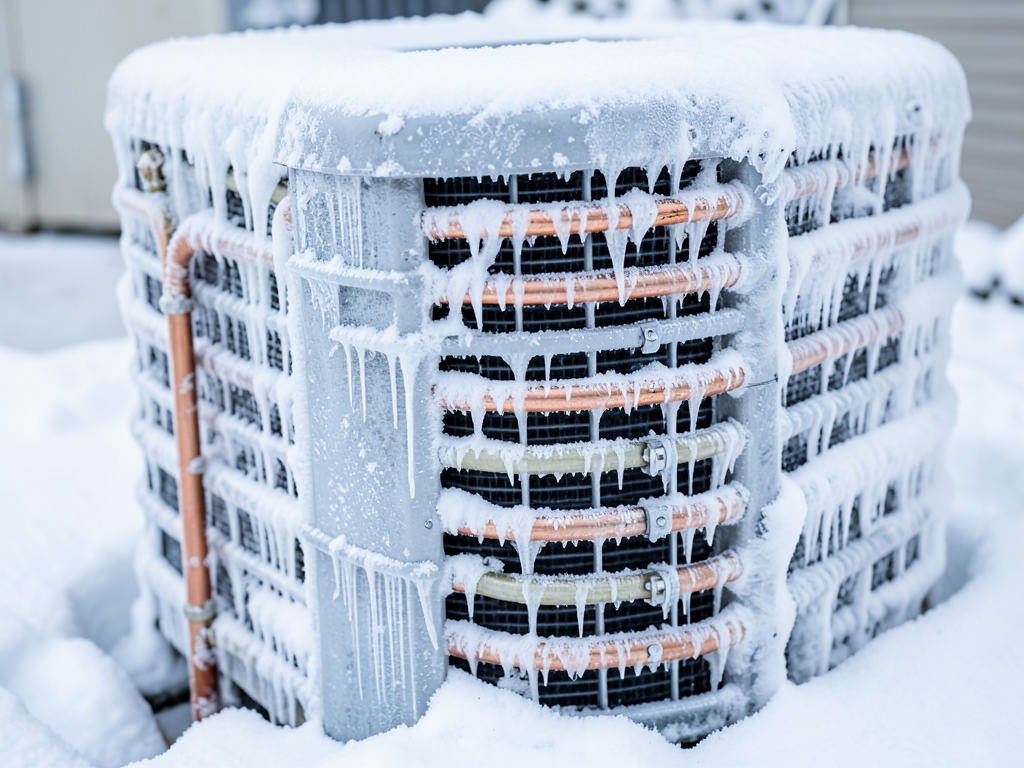
What to Do When Your Air Conditioner Freezes into a Block of Ice (Glendale Homeowner Guide)
Your air conditioner should never look like an iceberg. When you see ice buildup on your AC unit you’re facing an emergency that could destroy your compressor if you don’t act fast. This happens more often than you’d think in Glendale and the Denver metro area especially during those sudden temperature swings we get in spring and fall. Emergency Furnace Repair for Denver Residents Dealing with a Frozen House.
The first thing to understand is that ice on your AC isn’t just a cosmetic issue. It means your system is running inefficiently and the longer it runs frozen the more damage it causes. Your compressor which is the heart of your AC system can burn out trying to push refrigerant through ice-blocked coils. That’s a $2000+ repair you want to avoid. EPA refrigerant handling regulations.
Emergency Steps to Take When Your AC Freezes
Before you do anything else turn off your AC at the thermostat. Don’t just set it to a higher temperature. You need to cut power completely to stop the cooling cycle. This prevents the compressor from working against the ice blockage and potentially burning out.
Next switch your fan setting to “ON” instead of “AUTO.” This keeps air moving across the frozen coils which helps them thaw faster. You’ll want to let this run for several hours sometimes up to 24 hours depending on how thick the ice is.
While the system thaws check your condensate drain line. Ice buildup can cause water to back up and overflow when it melts. Place towels around the indoor unit to catch any water that drips out.
Why Your AC Freezes Up in the First Place
Ice forms when the refrigerant temperature drops below freezing inside your evaporator coils. This happens for a few main reasons. The most common is restricted airflow. When air can’t move freely across the coils the refrigerant gets too cold and moisture in the air freezes on contact.
Low refrigerant levels also cause freezing. When your system is low on refrigerant the pressure drops and so does the temperature of the refrigerant. Even a small leak can lead to ice buildup over time.
Another culprit is a dirty evaporator coil. Dust and debris on the coils act like insulation keeping heat from transferring properly. This makes the refrigerant too cold and causes ice to form.
Denver’s Unique Climate and AC Freezing
Living in Glendale means dealing with Denver’s high altitude and semi-arid climate which actually affects how your AC operates. The thin air at 5280 feet means your system has to work harder to move the same amount of air compared to sea level.. Read more about Are Washable Air Filters Actually a Good Idea for Colorado Homeowners?.
Those dramatic temperature swings we experience in the Front Range also contribute. When nighttime temperatures drop suddenly it can cause condensation to form on coils that haven’t fully warmed up yet. Combined with restricted airflow this creates perfect conditions for ice formation.
The dry air in Denver means more dust and debris gets pulled into your system. This makes dirty coils a bigger problem here than in more humid climates where dust tends to stick to surfaces less readily.
Common Causes of AC Freezing in Glendale Homes
Restricted airflow is by far the most common cause we see in Glendale homes. This usually comes from a dirty air filter. When was the last time you changed yours? Most homeowners forget this simple maintenance task until something breaks.
Blower motor issues can also restrict airflow. If your blower motor is failing or if the capacitor that starts it is going bad the fan won’t spin fast enough to move air across the coils. You might notice weak airflow from your vents before the freezing starts.
Thermostat problems can cause short cycling where your AC turns on and off rapidly. This doesn’t give the system time to properly defrost between cycles leading to ice buildup over time.
Expansion valve malfunctions are another common issue. The expansion valve controls how much refrigerant enters the evaporator coils. If it gets stuck open or closed it can cause the coils to get too cold and freeze.
How to Safely Thaw Your AC Unit
Once you’ve turned off the cooling and switched to fan-only mode you need to be patient. Never try to chip away ice with a tool. This can damage the delicate fins on your coils and cause expensive repairs. Fast AC Repair Services in Aurora for When the Summer Heat Hits.
The thawing process typically takes 4-24 hours depending on how much ice has built up. You’ll know it’s working when you see water dripping from the unit. Make sure your condensate drain is clear so this water has somewhere to go.
While waiting check your air filter. If it’s dirty this is likely the cause of your freezing issue. Replace it with a new MERV 8-11 rated filter which provides good filtration without restricting airflow too much. Repair vs. Replace AC Guide.
After the ice has completely melted turn your system back on and monitor it closely for the first hour. If you see ice forming again within 30 minutes you likely have a refrigerant leak or another serious issue that needs professional attention.
When to Call a Professional Glendale HVAC Technician
Some AC freezing issues you can handle yourself but others require immediate professional help. Call us right away if you notice ice forming again within an hour of restarting your system. This indicates a refrigerant leak or mechanical failure.
Strange noises coming from your outdoor unit are another red flag. Grinding clicking or hissing sounds often mean failing components that could lead to complete system failure if not addressed quickly.
If your AC is over 10 years old and freezing repeatedly it might be time to consider replacement rather than constant repairs. Modern high-efficiency units can cut your cooling costs by 30-40% while providing more reliable operation.
We also recommend calling a professional if you’ve changed your filter and the problem persists. There could be underlying issues like duct leaks blower motor failure or refrigerant problems that require specialized diagnostic equipment to identify.
Preventing Future AC Freezing Issues
Regular maintenance is your best defense against AC freezing. Schedule professional tune-ups twice yearly one in spring before cooling season and another in fall before heating season. These visits include coil cleaning refrigerant level checks and component inspections that catch problems early.
Change your air filter every 30-90 days depending on your home’s dust levels and whether you have pets. Homes in Glendale with the typical Colorado dust might need more frequent changes than the standard recommendation.
Keep vegetation at least 2 feet away from your outdoor unit. Plants growing too close restrict airflow and can drop leaves and debris into the coils. This is especially important during Denver’s growing season when plants grow rapidly.
Consider installing a smart thermostat that can alert you to unusual system behavior. Some models can detect when your system is short cycling or running inefficiently and notify you before serious problems develop.
Cost Considerations for Glendale Homeowners
The cost to fix a frozen AC varies widely depending on the cause. A simple filter change and cleaning might cost $75-150. Refrigerant recharge typically runs $200-500 plus the cost to repair any leaks which can add another $300-800.
Blower motor replacement usually costs $400-700 including parts and labor. If your compressor was damaged by running the system frozen you could be looking at $1500-2500 for replacement.
Emergency service calls during peak summer months often cost 50-100% more than standard service rates. That’s why addressing freezing issues promptly during business hours can save you significant money.
Many Glendale homeowners find that preventative maintenance contracts which typically cost $150-300 annually actually save money by preventing costly emergency repairs and extending system lifespan by several years.
Understanding Your AC System’s Refrigeration Cycle
To really understand why your AC freezes it helps to know how the refrigeration cycle works. Your system moves heat from inside your home to outside using refrigerant that changes between liquid and gas states.
The refrigerant absorbs heat in the evaporator coils inside your home. For this to work efficiently air must flow across these coils. When airflow is restricted the refrigerant gets colder than it should and moisture in the air freezes on the coils.
The frozen layer then acts as insulation making the problem worse. The refrigerant gets even colder and more ice forms creating a cascading effect that can completely block the coils in just a few hours.
This is why turning off your AC immediately when you see ice is so critical. Every minute you run a frozen system increases the risk of permanent damage to expensive components.
Special Considerations for Older Glendale Homes
Many homes in Glendale were built in the 1970s and 1980s with HVAC systems that are now 30-40 years old. These older systems are more prone to freezing issues due to aging components and outdated technology.
Older ductwork in these homes often has leaks or poor insulation that causes airflow imbalances. Some rooms might get too much airflow while others get too little leading to freezing in the under-served areas.
The original refrigerant used in many older systems R-22 is being phased out due to environmental concerns. If your system uses R-22 refrigerant leaks are not only more expensive to fix but also harder to source making repairs increasingly difficult.
Consider upgrading if your system is over 15 years old. Modern systems are not only more efficient but also have better freeze protection features and use environmentally friendly refrigerants.
Frequently Asked Questions
How long does it take for a frozen AC to thaw completely?
Most frozen AC units take 4-24 hours to thaw completely depending on how thick the ice buildup is. Thicker ice near the refrigerant lines might take longer to melt. Never try to speed up the process with tools as this can damage your coils.
Can I still use my AC if it’s frozen?
No you should never run your AC when it’s frozen. Running a frozen system can burn out your compressor which is the most expensive component to replace. Turn off the cooling function immediately and switch to fan-only mode to start the thawing process.
Why does my AC freeze up at night but work fine during the day?
This often happens when nighttime temperatures drop suddenly causing condensation to form on coils that haven’t fully warmed up. Combined with restricted airflow from a dirty filter this creates perfect conditions for ice formation. It’s more common in spring and fall during Denver’s temperature swings.
How much does it cost to fix a frozen AC in Glendale?
Costs vary widely based on the cause. Simple fixes like changing a dirty filter might cost $75-150. Refrigerant recharge runs $200-500 plus leak repair costs. Major repairs like blower motor replacement cost $400-700 while compressor damage can exceed $2000.
Should I try to fix a frozen AC myself or call a professional?
Start with basic troubleshooting like changing the air filter and turning off the system. If the problem persists or returns quickly after thawing you need professional help. Also call immediately if you hear strange noises or if your system is over 10 years old and freezing repeatedly.
Take Action Now to Protect Your AC System
Don’t let a frozen AC turn into a costly emergency. If you’re seeing ice on your unit right now turn it off and call us immediately. The longer you wait the more likely you are to damage expensive components.
Even if your system is working now this is your sign to schedule preventative maintenance. A simple tune-up now can prevent the panic and expense of a frozen system during the next heat wave.
Call (720) 502-9511 today to schedule your inspection. Our Glendale HVAC technicians are standing by to help you avoid costly repairs and keep your home comfortable all summer long. Don’t wait until your AC is a solid block of ice to take action. For more information, visit ASHRAE HVAC standards.
{
“@context”: “https://schema.org”,
“@type”: “BlogPosting”,
“headline”: “What to Do When Your Air Conditioner Freezes into a Block of Ice (Glendale Homeowner Guide)”,
“description”: “Is your AC frozen solid? Learn the emergency steps Glendale homeowners need to take right now to prevent costly damage and get your system running again.”,
“wordCount”: 2021,
“datePublished”: “2026-03-27T14:41:00.000Z”,
“dateModified”: “2026-03-27T14:41:00.000Z”,
“inLanguage”: “en-US”,
“mainEntityOfPage”: {
“@type”: “WebPage”,
“@id”: “https://fortresshvacdenver.com”
},
“publisher”: {
“@type”: “LocalBusiness”,
“name”: “Fortress HVAC Denver”,
“url”: “https://fortresshvacdenver.com”
},
“author”: {
“@type”: “Organization”,
“name”: “Fortress HVAC Denver”,
“url”: “https://fortresshvacdenver.com”
},
“image”: {
“@type”: “ImageObject”,
“url”: “https://fortresshvacdenver.com/wp-content/uploads/2026/03/what-to-do-when-your-air-conditioner-freezes-into-1.png”
}
}
{
“@context”: “https://schema.org”,
“@type”: “HVACBusiness”,
“name”: “Fortress HVAC Denver”,
“url”: “https://fortresshvacdenver.com”,
“address”: {
“@type”: “PostalAddress”,
“addressLocality”: “Denver”
},
“areaServed”: {
“@type”: “City”,
“name”: “Denver”
}
}
{
“@context”: “https://schema.org”,
“@type”: “FAQPage”,
“mainEntity”: [
{
“@type”: “Question”,
“name”: “How long does it take for a frozen AC to thaw completely?”,
“acceptedAnswer”: {
“@type”: “Answer”,
“text”: “Most frozen AC units take 4-24 hours to thaw completely depending on how thick the ice buildup is. Thicker ice near the refrigerant lines might take longer to melt. Never try to speed up the process with tools as this can damage your coils.”
}
},
{
“@type”: “Question”,
“name”: “Can I still use my AC if it’s frozen?”,
“acceptedAnswer”: {
“@type”: “Answer”,
“text”: “No you should never run your AC when it’s frozen. Running a frozen system can burn out your compressor which is the most expensive component to replace. Turn off the cooling function immediately and switch to fan-only mode to start the thawing process.”
}
},
{
“@type”: “Question”,
“name”: “Why does my AC freeze up at night but work fine during the day?”,
“acceptedAnswer”: {
“@type”: “Answer”,
“text”: “This often happens when nighttime temperatures drop suddenly causing condensation to form on coils that haven’t fully warmed up. Combined with restricted airflow from a dirty filter this creates perfect conditions for ice formation. It’s more common in spring and fall during Denver’s temperature swings.”
}
},
{
“@type”: “Question”,
“name”: “How much does it cost to fix a frozen AC in Glendale?”,
“acceptedAnswer”: {
“@type”: “Answer”,
“text”: “Costs vary widely based on the cause. Simple fixes like changing a dirty filter might cost $75-150. Refrigerant recharge runs $200-500 plus leak repair costs. Major repairs like blower motor replacement cost $400-700 while compressor damage can exceed $2000.”
}
},
{
“@type”: “Question”,
“name”: “Should I try to fix a frozen AC myself or call a professional?”,
“acceptedAnswer”: {
“@type”: “Answer”,
“text”: “Start with basic troubleshooting like changing the air filter and turning off the system. If the problem persists or returns quickly after thawing you need professional help. Also call immediately if you hear strange noises or if your system is over 10 years old and freezing repeatedly.”
}
}
]
}
{
“@context”: “https://schema.org”,
“@type”: “BreadcrumbList”,
“itemListElement”: [
{
“@type”: “ListItem”,
“position”: 1,
“name”: “Home”,
“item”: “https://fortresshvacdenver.com”
},
{
“@type”: “ListItem”,
“position”: 2,
“name”: “Blog”,
“item”: “https://fortresshvacdenver.com/blog”
},
{
“@type”: “ListItem”,
“position”: 3,
“name”: “What to Do When Your Air Conditioner Freezes into a Block of Ice (Glendale Homeowner Guide)”
}
]
}
{
“@context”: “https://schema.org”,
“@type”: “Service”,
“serviceType”: “HVAC”,
“provider”: {
“@type”: “LocalBusiness”,
“name”: “Fortress HVAC Denver”,
“url”: “https://fortresshvacdenver.com”
},
“areaServed”: {
“@type”: “City”,
“name”: “Denver”
},
“description”: “Is your AC frozen solid? Learn the emergency steps Glendale homeowners need to take right now to prevent costly damage and get your system running again.”
}