The Essential Spring HVAC Checklist for Homeowners in University Hills
Spring in University Hills brings rapid temperature swings that can stress your HVAC system. This checklist walks you through essential maintenance tasks to prepare your system for the season while maximizing efficiency and avoiding costly breakdowns. From cottonwood seed removal to thermostat calibration for Denver’s high-altitude climate, these steps address the specific challenges University Hills homeowners face. EPA regulations.
Why University Hills Homes Need Spring HVAC Attention
University Hills sits at approximately 5,300 feet elevation where spring temperatures can swing from 30°F to 80°F in a single day. This extreme variability forces HVAC systems to cycle frequently, increasing wear on components. The neighborhood’s mature cottonwood trees also release millions of seeds during late May and June, creating a unique challenge for outdoor condenser units. These fluffy seeds can clog condenser coils and reduce efficiency by up to 30% if not addressed promptly.
Additionally, University Hills homes built between the 1950s and 1970s often have aging ductwork that develops leaks over winter. Spring is the ideal time to inspect these systems before summer cooling demands hit. According to Xcel Energy, properly maintained HVAC systems in Denver’s climate can reduce energy consumption by 15-20% annually. Xcel Energy rebates.
Exterior HVAC System Inspection
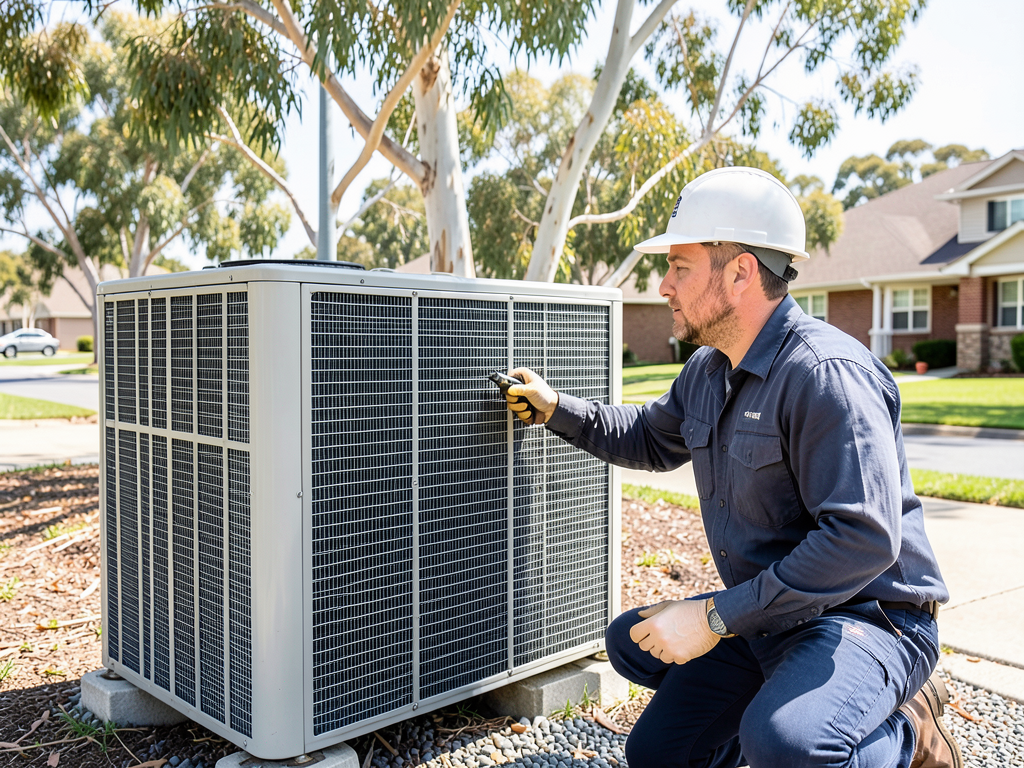
Start your spring maintenance by examining the outdoor components of your system. Remove the condenser unit’s protective cover if you installed one for winter. Clear away any debris, leaves, or branches that accumulated around the unit during the colder months. Maintain at least two feet of clearance on all sides for proper airflow.
Inspect the condenser coils for damage. Denver’s intense UV exposure and temperature fluctuations can cause coil fins to become bent or corroded. Use a fin comb to straighten any bent fins carefully. Check the concrete pad beneath the unit for cracks or shifting. University Hills’ expansive clay soil can cause pads to settle unevenly, leading to vibration and premature component failure.
Test the disconnect switch to ensure it operates smoothly. A faulty disconnect can prevent your system from starting when you need it most. Listen for unusual noises when the fan spins freely by hand. Grinding or scraping sounds indicate bearing wear that requires professional attention.
Cottonwood Season Preparation
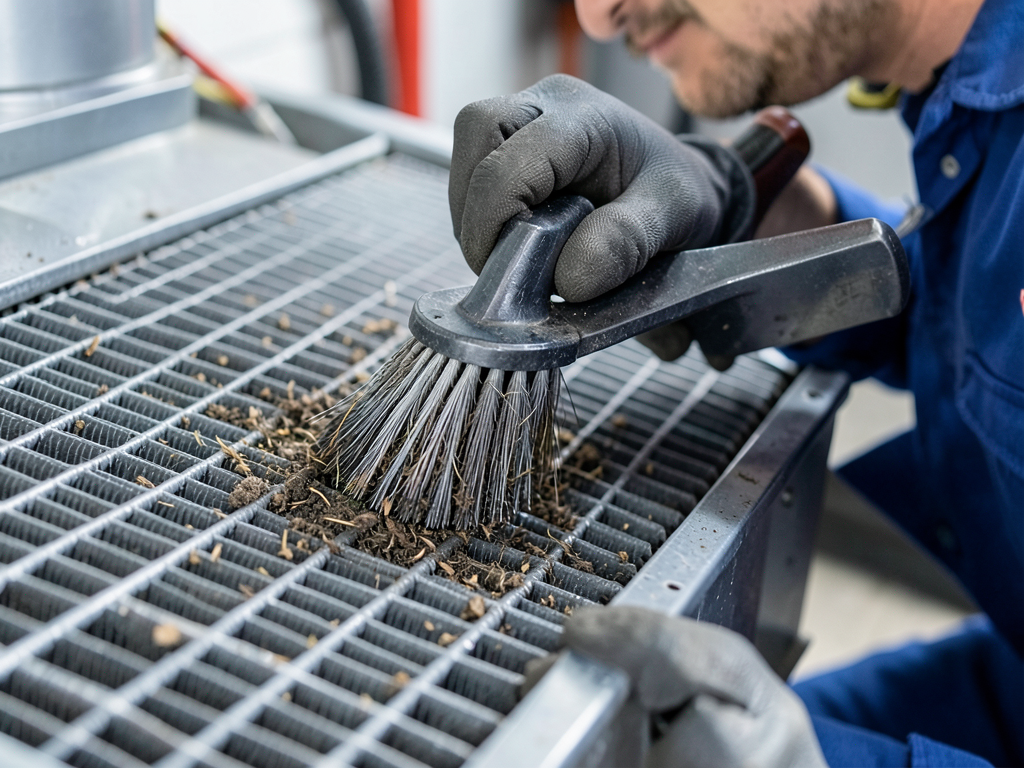
Cottonwood trees dominate many University Hills properties, and their annual seed release creates a significant HVAC challenge. These seeds are extremely light and sticky, adhering to condenser coils and reducing heat transfer efficiency. Install a temporary mesh screen around your condenser unit before cottonwood season begins, typically in late May.
Clean your condenser coils using a garden hose with moderate pressure. Avoid high-pressure washers that can damage delicate fins. For stubborn buildup, use a commercial coil cleaner following manufacturer instructions. Denver’s hard water can leave mineral deposits on coils, so consider using filtered water for the final rinse. Commercial HVAC Contractors.
Check your air filter more frequently during cottonwood season. These seeds can enter your home through open windows and doors, eventually clogging your indoor filter. Replace standard filters every 30-45 days during peak season rather than the typical 90-day interval.
Indoor System Assessment
Examine your thermostat for accuracy. Denver’s rapid temperature changes can cause older thermostats to cycle systems inefficiently. Consider upgrading to a programmable or smart thermostat that can handle the area’s temperature swings better. Set your thermostat to cooling mode and verify it activates properly.
Inspect all visible ductwork for gaps, tears, or disconnected sections. University Hills homes often have ductwork in unconditioned spaces like attics or crawl spaces where winter cold can cause seals to crack. Seal any visible gaps with mastic sealant or metal tape. According to the EPA, leaky ducts can reduce system efficiency by up to 20%.
Check your air filter location and type. University Hills’ high pollen counts in spring mean you need a filter with appropriate MERV rating. For most homes, a MERV 8-11 filter provides good balance between particle removal and airflow. Higher MERV ratings can restrict airflow in older systems.
Refrigerant and Electrical System Check
Low refrigerant levels cause your system to work harder and can lead to compressor failure. While homeowners shouldn’t attempt to recharge refrigerant themselves due to EPA regulations, you can check for signs of leaks. Oil stains around refrigerant lines or hissing sounds near the outdoor unit indicate potential problems requiring professional service.
Inspect all electrical connections for signs of corrosion or damage. Denver’s dry climate can cause electrical connections to loosen over time. Check the contactor switch for burned contacts. A failing contactor can prevent your system from starting or cause intermittent operation.
Test your system’s capacitors using a multimeter if you have electrical experience. Weak capacitors cause motors to draw excessive current and fail prematurely. Capacitors typically last 5-7 years in Denver’s climate due to temperature extremes.
Evaporative Cooler Considerations
Many University Hills homes still use evaporative coolers, particularly those built before the 1980s. If you have a swamp cooler, spring startup requires different procedures than central air systems. Remove the winter cover and inspect the cooler pads for damage. Replace pads if they show signs of mineral buildup or deterioration. The Best Swamp Cooler Service and Startup in Denver and Arvada.
Clean the water distribution system thoroughly. Hard water deposits can clog distribution tubes and reduce cooling effectiveness. Check the float valve for proper operation and adjust water level according to manufacturer specifications. Denver’s water contains high mineral content that accumulates in cooler pans over winter.
Inspect the belt tension on belt-driven models. Loose belts reduce airflow and cooling efficiency. Check the motor bearings for smooth operation by manually spinning the blower wheel. Squeaking or grinding indicates bearing wear requiring replacement.
Air Quality and Ventilation
Denver’s spring brings high pollen counts that affect indoor air quality. Consider installing a whole-house air purifier if family members suffer from allergies. UV light systems installed in ductwork can reduce mold and bacteria growth, particularly important in University Hills’ older homes with aging duct systems.
Test your carbon monoxide detectors and smoke alarms. Spring is an excellent time to replace batteries in all safety devices. Ensure detectors are properly located according to current building codes. Denver requires smoke detectors in every sleeping area and on every level of the home.
Check your home’s ventilation rates. Modern homes are built tighter than older construction, potentially trapping pollutants indoors. Consider installing a heat recovery ventilator (HRV) or energy recovery ventilator (ERV) to bring in fresh air without losing heating or cooling efficiency.
Professional Maintenance Considerations
While many spring maintenance tasks are DIY-friendly, certain procedures require professional expertise. A certified HVAC technician can perform a comprehensive system analysis using specialized tools. They’ll check refrigerant charge with precision gauges, test electrical components under load, and inspect heat exchangers for cracks that could leak carbon monoxide.
Professional tune-ups typically include cleaning evaporator coils, which are difficult to access in most homes. Technicians also lubricate moving parts, calibrate thermostats, and check system performance metrics against manufacturer specifications. According to the Air Conditioning Contractors of America, professional maintenance can extend equipment life by 3-5 years.
Consider enrolling in a maintenance plan if you haven’t already. Many University Hills HVAC companies offer seasonal service agreements that include spring and fall checkups at discounted rates. These plans often provide priority service during peak seasons and can save money on repairs. Fast AC Repair Services in Aurora for When the Summer Heat Hits.
Energy Efficiency Upgrades
Spring is an ideal time to evaluate energy efficiency improvements. Xcel Energy offers rebates for high-efficiency HVAC equipment, smart thermostats, and insulation upgrades. Check their website for current incentives, which can offset 20-30% of upgrade costs. University Hills homes built before 1980 may qualify for additional utility rebates.
Consider a professional energy audit to identify heat loss areas. Thermal imaging can reveal gaps in insulation or air leaks that your system must compensate for. Addressing these issues can reduce HVAC runtime and lower utility bills significantly.
Upgrade to a high-efficiency system if your current unit is over 10 years old. Modern systems with SEER2 ratings of 16 or higher can reduce cooling costs by 30-40% compared to older models. While the upfront cost is higher, utility rebates and energy savings often provide payback within 5-7 years.
Emergency Preparedness
Spring in Denver can bring unexpected cold snaps even after warm periods. Keep your furnace operational until nighttime temperatures consistently stay above 50°F. Many University Hills residents make the mistake of shutting down heating systems too early, only to face freezing temperatures in April or May. Emergency Furnace Repair for Denver Residents Dealing with a Frozen House.
Locate your HVAC system’s emergency shutoff switches and ensure they’re clearly marked. Teach all household members how to turn off the system in case of emergencies. Keep contact information for a reliable HVAC service provider readily available.
Consider a backup heating option for unusually cold spring nights. Portable electric heaters can prevent frozen pipes if your primary system fails during temperature swings. Ensure any backup heating devices have proper safety features and are used according to manufacturer instructions.
Seasonal Transition Schedule
Create a timeline for your spring HVAC transition. Begin outdoor inspections when daytime temperatures consistently reach 50°F. Complete all cottonwood preparation by May 15th before seed release begins. Schedule professional maintenance between April 15th and May 15th to avoid the summer rush.
Test your cooling system on a mild day when you can monitor its operation without needing immediate cooling. Run the system for 15-20 minutes and listen for unusual noises. Check that all vents are blowing air properly. Address any issues before hot weather arrives.
Document your maintenance activities, including filter changes, cleaning dates, and any repairs. This record helps track system performance and can be valuable for warranty claims or when selling your home. Many University Hills homeowners find that organized maintenance prevents the panic of system failure during summer heat waves.
Frequently Asked Questions
When should I turn off my furnace for the season?
Wait until nighttime temperatures consistently stay above 45°F before shutting down your furnace. Denver’s spring weather is unpredictable, and late-season cold snaps are common even in April and May. Keep your heating system operational until you’re confident freezing temperatures won’t return.
How often should I replace my air filter during spring?
Replace standard 1-inch filters every 30-45 days during spring months. University Hills experiences high pollen counts and cottonwood seed release that can quickly clog filters. If you have pets or allergies, consider replacing filters every 20-30 days for optimal air quality and system efficiency.
What’s the best way to protect my condenser from cottonwood seeds?
Install a mesh screen around your condenser unit before cottonwood season begins. Use a filter-grade mesh with openings no larger than 1/4 inch. Clean the screen weekly during peak seed release, typically late May through June. Consider professional coil cleaning if you notice reduced cooling efficiency.
How can I tell if my refrigerant needs professional attention?
Signs of low refrigerant include reduced cooling capacity, ice formation on refrigerant lines, hissing sounds near the outdoor unit, or the system running continuously without reaching set temperature. Never attempt to add refrigerant yourself due to EPA regulations and the need for precise charging procedures.
Are swamp coolers still effective in University Hills?
Swamp coolers work well in University Hills’ dry climate but are less effective during rainy periods or when humidity exceeds 30%. They use significantly less electricity than refrigerated air conditioning but require more maintenance. Many homeowners use coolers during mild weather and switch to central air during extreme heat or humidity. Getting a New Central Air System Installed in Your Lakewood Home.
[IMAGE_PLACEHOLDER_3>
Take Action Before Summer Heat Arrives
Completing this spring HVAC checklist now can prevent uncomfortable breakdowns during summer’s first heat wave. University Hills’ unique climate challenges, from cottonwood season to high-altitude temperature swings, require specific attention that generic maintenance guides don’t address. Whether you handle these tasks yourself or schedule professional service, early preparation ensures your system operates efficiently when you need it most.
Don’t wait until your system fails on a 95°F day. Call (720) 502-9511 today to schedule your spring maintenance appointment. Our technicians understand the specific needs of University Hills homes and can identify potential issues before they become costly repairs. Beat the summer rush and ensure your comfort all season long.
Remember that proper HVAC maintenance isn’t just about comfort—it’s about protecting your investment and maintaining healthy indoor air quality for your family. Take these steps now to enjoy worry-free cooling throughout Denver’s intense summer months.