
The Best HVAC Solutions for Keeping a Home Office Comfortable in Ken Caryl
Working from home in Ken Caryl means facing Colorado’s unique climate challenges head-on. The dry air, temperature swings, and altitude can turn your home office into an uncomfortable workspace. The right HVAC solution isn’t just about comfort—it’s about productivity, equipment protection, and energy efficiency.. Read more about Creating a Perfect Climate for Your Home Gym or Yoga Studio in Stapleton.
Dry air can damage electronics, cause static shocks, and make you feel colder than the actual temperature. Meanwhile, Denver’s high altitude means your HVAC system works harder to achieve the same results as systems at sea level. Finding the perfect balance requires understanding both the technology and the local conditions. Denver building code requirements.
The Challenge of Cooling/Heating a Denver Home Office
Standard central air systems often struggle with single-room comfort because they’re designed to heat or cool your entire home. Your home office might be on the opposite side of the house from the thermostat, or it might have different heat loads from computers, monitors, and equipment. This creates hot and cold spots that make working uncomfortable. Getting a New Central Air System Installed in Your Lakewood Home.
Denver’s climate adds another layer of complexity. With humidity often below 20% and temperature swings of 30-40 degrees in a single day, your home office needs both heating and cooling capabilities. The dry air also means you need to consider humidity control to protect your electronics and maintain comfort.
Top 3 HVAC Solutions for Home Offices
Ductless Mini-Split Systems (The Gold Standard)
Ductless mini-splits offer the most precise temperature control for home offices. These systems have an outdoor compressor unit connected to one or more indoor air handlers. Each air handler operates independently, so you can set your office to exactly 72 degrees while the rest of your house runs at a different temperature. Ductless Mini Split Installation for Older Homes in The Highlands.
The indoor units are remarkably quiet—typically operating between 19-30 decibels, about as loud as a whisper. This makes them perfect for video calls and focused work. Modern mini-splits also include advanced filtration that removes dust, pollen, and other particles from the air, improving your indoor air quality.. Read more about Creative Ways to Hide Outdoor Mini-Split Units in Tight Washington Park Lots.
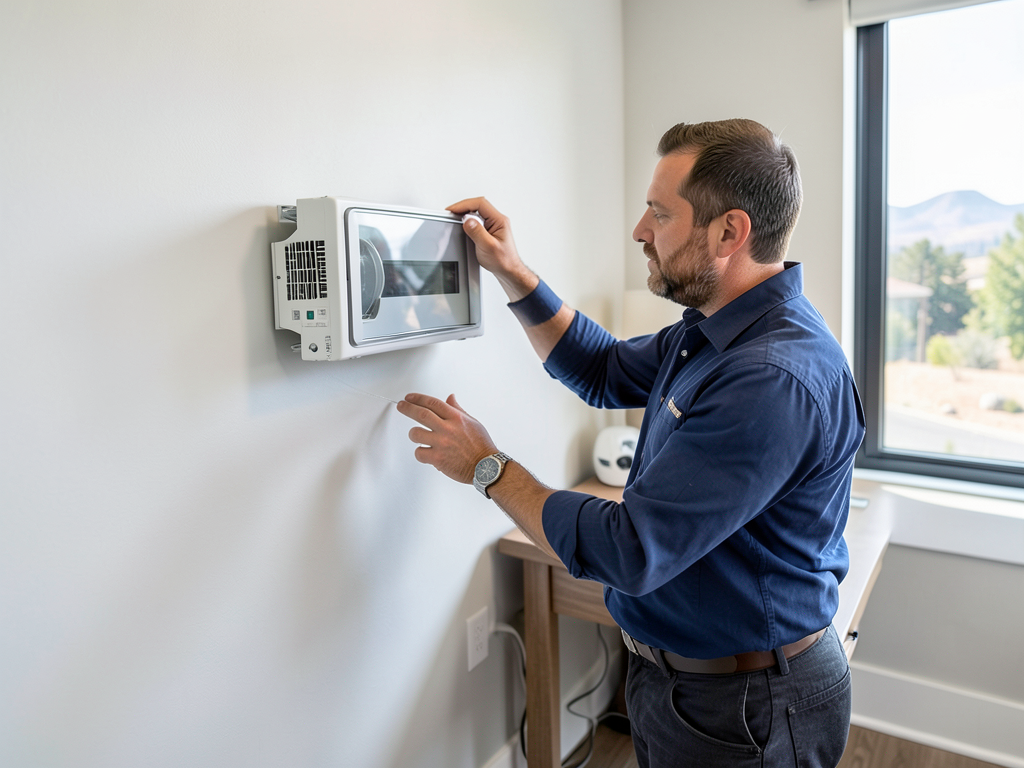
Installation is straightforward since no ductwork is required. A small hole through the wall connects the indoor and outdoor units. Most installations in Ken Caryl can be completed in one day, with minimal disruption to your home or work schedule.
Zoned HVAC Systems
If you already have a central HVAC system, adding zoning controls can solve many home office comfort issues. A zoned system uses dampers in your ductwork and multiple thermostats to control different areas of your home independently. This means your office can get extra heating or cooling when needed without affecting other rooms.. Read more about How to Stop Your HVAC System from Rattling Every Time the Wind Blows in Green Mountain.
Zoning works well for homes with consistent ductwork and good insulation. The system can be programmed to maintain different temperatures throughout the day—cooler during work hours, warmer at night. Smart zoning controllers even learn your patterns and adjust automatically. The Best Swamp Cooler Service and Startup in Denver and Arvada.
The main advantage is that you’re using your existing equipment, which can be more cost-effective than installing a completely new system. However, zoning requires professional installation and may not solve comfort issues if your ductwork has leaks or your home has significant insulation problems.
Smart Thermostats and Air Balancing
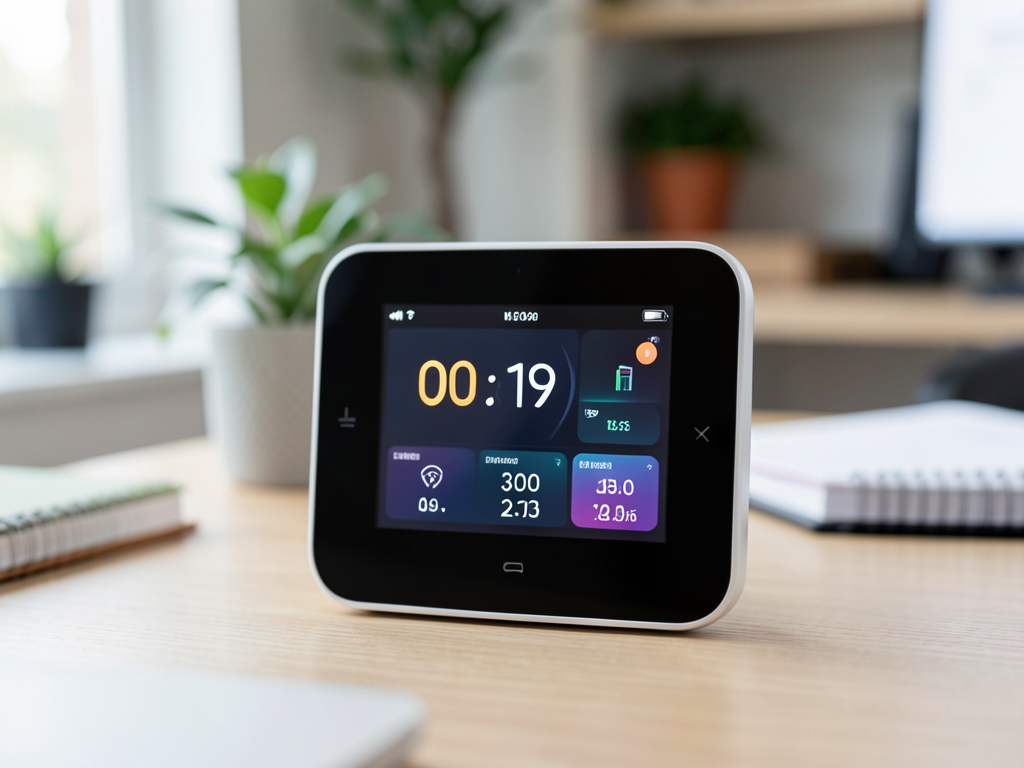
Sometimes the best solution is improving what you already have. Smart thermostats can dramatically improve comfort by learning your schedule and adjusting temperatures automatically. They can also integrate with remote sensors placed in your home office to ensure accurate temperature readings.
Air balancing involves adjusting your existing ductwork to direct more airflow to specific rooms. This might include adding dampers, adjusting vents, or even installing booster fans in your ducts. While not as precise as mini-splits or zoning, air balancing can significantly improve comfort in problem areas.. Read more about Certified Mitsubishi Mini Split Installation and Support for Homeowners in University Park.
Smart thermostats also offer energy monitoring, so you can see exactly how much energy your home office uses. Many models integrate with voice assistants and smartphone apps, allowing you to adjust temperatures without leaving your desk.
Denver-Specific Considerations
Denver’s altitude affects HVAC efficiency in several ways. At 5,280 feet above sea level, air density is about 15% lower than at sea level. This means heat pumps and air conditioners need to work harder to move the same amount of air. Look for systems with higher SEER2 ratings—at least 16 SEER2 for air conditioners and 18 SEER2 for heat pumps.
Humidity control is crucial in our dry climate. Whole-home humidifiers integrated with your HVAC system maintain optimal humidity levels between 30-50%, protecting your electronics and making the air feel warmer at lower temperatures. Portable humidifiers work but require frequent refilling and don’t integrate with your existing system.
Xcel Energy offers rebates for high-efficiency heat pumps and smart thermostats. Current rebates can cover up to $2,000 of installation costs, making efficient systems more affordable. These rebates change annually, so check current offerings before making your decision. Xcel Energy rebates.
Denver’s building code requires mechanical permits for most HVAC installations. The permit process ensures your system meets local efficiency standards and is installed safely. A licensed contractor will handle permits and inspections as part of your installation.
Installation Process and What to Expect
Professional installation is crucial for HVAC performance. A typical mini-split installation in Ken Caryl follows these steps: First, a technician performs a load calculation to determine the exact size unit you need. This calculation considers your room size, insulation, window orientation, and equipment heat output.
Next comes the mounting of indoor and outdoor units. The indoor unit mounts on your wall with a mounting plate, while the outdoor unit sits on a concrete pad or wall bracket. The refrigerant lines, condensate drain, and electrical connections run through a small hole in your wall—usually about 3 inches in diameter.
Permits are pulled before work begins. In Denver County, mechanical permits typically cost $75-150 and require a brief inspection after installation. The entire process usually takes 4-8 hours for a single-zone mini-split.
Workspace protection is standard practice. Technicians use drop cloths, wear shoe covers, and clean up thoroughly after installation. They’ll also show you how to operate your new system and provide maintenance instructions.
Frequently Asked Questions
Which HVAC system is the quietest for video calls?
Ductless mini-splits are the quietest option, with indoor units operating at 19-30 decibels. This is quieter than a library and won’t interfere with video calls or recordings. Traditional furnaces and air conditioners typically operate at 40-60 decibels, which can be noticeable during calls. Emergency Furnace Repair for Denver Residents Dealing with a Frozen House.
What is the cost of a mini-split installation in Denver?
A single-zone mini-split installation in Denver typically costs $3,500-5,500, including equipment and labor. This covers a 9,000-12,000 BTU unit suitable for most home offices. Multi-zone systems cost more but can serve multiple rooms. Xcel Energy rebates can reduce costs by up to $2,000.
How long do mini-split systems last in Denver’s climate?
With proper maintenance, mini-split systems typically last 15-20 years in Denver. The dry air and moderate temperatures are actually easier on these systems than humid, coastal climates. Annual professional maintenance and regular filter cleaning help maximize lifespan.
Can I install a mini-split myself?
DIY installation is not recommended and may void your warranty. Mini-split installation requires refrigerant handling certification, electrical work, and knowledge of local building codes. Improper installation can lead to poor performance, higher energy bills, and potential safety hazards.
Will a mini-split work during a power outage?
Standard mini-splits require electricity to operate. However, some models can be connected to backup power systems or generators. If power outages are common in your area, discuss backup power options with your installer.
How do I maintain my mini-split system?
Monthly filter cleaning is essential—just remove the filters and vacuum or wash them with mild soap and water. Professional maintenance once a year includes checking refrigerant levels, cleaning coils, and inspecting electrical connections. These simple steps keep your system running efficiently.
Cost Comparison and Energy Savings
Understanding the true cost of each option helps you make the right decision. Here’s a comparison of typical costs and energy savings:
| System Type | Equipment Cost | Installation Cost | Annual Energy Savings | Typical Payback Period |
|---|---|---|---|---|
| Ductless Mini-Split | $1,800-3,000 | $1,500-2,500 | $150-300 | 5-8 years |
| Zoned Central System | $500-1,500 | $1,000-2,000 | $100-200 | 7-10 years |
| Smart Thermostat Only | $200-400 | $100-200 | $50-100 | 3-5 years |
Energy savings vary based on your current system efficiency and usage patterns. Mini-splits typically save 20-30% compared to older central systems because they heat and cool only the spaces you’re using.
Making the Right Choice for Your Home Office
The best HVAC solution depends on your specific situation. Consider these factors when making your decision:
- Room size and layout: Mini-splits work best for rooms up to 1,500 square feet. Larger spaces might need multiple units or a different approach.
- Existing system: If you have a newer central system in good condition, zoning or air balancing might be more cost-effective than replacement.
- Budget: Smart thermostats offer the lowest upfront cost but also the least dramatic improvement in comfort.
- Noise sensitivity: If you’re on video calls all day, the quiet operation of mini-splits is worth the investment.
- Long-term plans: If you’re staying in your home for many years, the energy savings of efficient systems add up significantly.
Professional consultation can help you weigh these factors and choose the best solution. A qualified technician will assess your space, discuss your needs, and provide specific recommendations based on your home’s characteristics.
Ready to Improve Your Home Office Comfort?
Don’t let uncomfortable temperatures affect your productivity and comfort. Whether you need a new mini-split installation, zoning controls, or just want to explore your options, professional help makes the process simple and stress-free.
Call (720) 502-9511 today to schedule your free consultation. Our experienced technicians will assess your home office, discuss your needs, and provide clear recommendations with upfront pricing. We serve Ken Caryl and all of the greater Denver area with prompt, professional service.
Pick up the phone and call (720) 502-9511 before the next temperature swing makes your office unbearable. Your perfect home office climate is just one call away.
Conclusion
Finding the right HVAC solution for your Ken Caryl home office means balancing comfort, efficiency, and cost. Ductless mini-splits offer the best performance for most situations, but zoning and smart controls can also dramatically improve comfort. The key is choosing a system that addresses Denver’s unique climate challenges while meeting your specific needs.
Professional installation ensures your system operates at peak efficiency and complies with all local codes. With proper maintenance, your new HVAC solution will provide years of comfortable, productive work environment. Don’t settle for uncomfortable temperatures—invest in your comfort and productivity today.
Call (720) 502-9511 now to get started on your home office HVAC project. We’re here to help you create the perfect workspace environment.
Frequently Asked Questions
Which HVAC system is the quietest for video calls?
Ductless mini-splits are the quietest option, with indoor units operating at 19-30 decibels. This is quieter than a library and won’t interfere with video calls or recordings. Traditional furnaces and air conditioners typically operate at 40-60 decibels, which can be noticeable during calls.
What is the cost of a mini-split installation in Denver?
A single-zone mini-split installation in Denver typically costs $3,500-5,500, including equipment and labor. This covers a 9,000-12,000 BTU unit suitable for most home offices. Xcel Energy rebates can reduce costs by up to $2,000.
How long do mini-split systems last in Denver’s climate?
With proper maintenance, mini-split systems typically last 15-20 years in Denver. The dry air and moderate temperatures are actually easier on these systems than humid, coastal climates. Annual professional maintenance and regular filter cleaning help maximize lifespan.
Can I install a mini-split myself?
DIY installation is not recommended and may void your warranty. Mini-split installation requires refrigerant handling certification, electrical work, and knowledge of local building codes. Improper installation can lead to poor performance, higher energy bills, and potential safety hazards.
Will a mini-split work during a power outage?
Standard mini-splits require electricity to operate. However, some models can be connected to backup power systems or generators. If power outages are common in your area, discuss backup power options with your installer.
How do I maintain my mini-split system?
Monthly filter cleaning is essential—just remove the filters and vacuum or wash them with mild soap and water. Professional maintenance once a year includes checking refrigerant levels, cleaning coils, and inspecting electrical connections. These simple steps keep your system running efficiently.
You may also find this helpful. Getting Your Variable Speed Air Conditioner Installed in Highlands Ranch for Maximum Efficiency.
{
“@context”: “https://schema.org”,
“@type”: “BlogPosting”,
“headline”: “The Best HVAC Solutions for Keeping a Home Office Comfortable in Ken Caryl”,
“description”: “Discover the best HVAC solutions for your Ken Caryl home office. From ductless mini-splits to smart thermostats, learn how to stay comfortable and productive year-round.”,
“wordCount”: 2094,
“datePublished”: “2026-04-07T09:32:00.000Z”,
“dateModified”: “2026-04-07T09:32:00.000Z”,
“inLanguage”: “en-US”,
“mainEntityOfPage”: {
“@type”: “WebPage”,
“@id”: “https://fortresshvacdenver.com”
},
“publisher”: {
“@type”: “LocalBusiness”,
“name”: “Fortress HVAC Denver”,
“url”: “https://fortresshvacdenver.com”
},
“author”: {
“@type”: “Organization”,
“name”: “Fortress HVAC Denver”,
“url”: “https://fortresshvacdenver.com”
},
“image”: {
“@type”: “ImageObject”,
“url”: “https://fortresshvacdenver.com/wp-content/uploads/2026/03/the-best-hvac-solutions-for-keeping-a-home-office-1.png”
}
}
{
“@context”: “https://schema.org”,
“@type”: “HVACBusiness”,
“name”: “Fortress HVAC Denver”,
“url”: “https://fortresshvacdenver.com”,
“address”: {
“@type”: “PostalAddress”,
“addressLocality”: “Denver”
},
“areaServed”: {
“@type”: “City”,
“name”: “Denver”
}
}
{
“@context”: “https://schema.org”,
“@type”: “FAQPage”,
“mainEntity”: [
{
“@type”: “Question”,
“name”: “Which HVAC system is the quietest for video calls?”,
“acceptedAnswer”: {
“@type”: “Answer”,
“text”: “Ductless mini-splits are the quietest option, with indoor units operating at 19-30 decibels. This is quieter than a library and won’t interfere with video calls or recordings. Traditional furnaces and air conditioners typically operate at 40-60 decibels, which can be noticeable during calls. Emergency Furnace Repair for Denver Residents Dealing with a Frozen House.”
}
},
{
“@type”: “Question”,
“name”: “What is the cost of a mini-split installation in Denver?”,
“acceptedAnswer”: {
“@type”: “Answer”,
“text”: “A single-zone mini-split installation in Denver typically costs $3,500-5,500, including equipment and labor. This covers a 9,000-12,000 BTU unit suitable for most home offices. Multi-zone systems cost more but can serve multiple rooms. Xcel Energy rebates can reduce costs by up to $2,000.”
}
},
{
“@type”: “Question”,
“name”: “How long do mini-split systems last in Denver’s climate?”,
“acceptedAnswer”: {
“@type”: “Answer”,
“text”: “With proper maintenance, mini-split systems typically last 15-20 years in Denver. The dry air and moderate temperatures are actually easier on these systems than humid, coastal climates. Annual professional maintenance and regular filter cleaning help maximize lifespan.”
}
},
{
“@type”: “Question”,
“name”: “Can I install a mini-split myself?”,
“acceptedAnswer”: {
“@type”: “Answer”,
“text”: “DIY installation is not recommended and may void your warranty. Mini-split installation requires refrigerant handling certification, electrical work, and knowledge of local building codes. Improper installation can lead to poor performance, higher energy bills, and potential safety hazards.”
}
},
{
“@type”: “Question”,
“name”: “Will a mini-split work during a power outage?”,
“acceptedAnswer”: {
“@type”: “Answer”,
“text”: “Standard mini-splits require electricity to operate. However, some models can be connected to backup power systems or generators. If power outages are common in your area, discuss backup power options with your installer.”
}
},
{
“@type”: “Question”,
“name”: “How do I maintain my mini-split system?”,
“acceptedAnswer”: {
“@type”: “Answer”,
“text”: “Monthly filter cleaning is essential—just remove the filters and vacuum or wash them with mild soap and water. Professional maintenance once a year includes checking refrigerant levels, cleaning coils, and inspecting electrical connections. These simple steps keep your system running efficiently.”
}
},
{
“@type”: “Question”,
“name”: “Ready to Improve Your Home Office Comfort?”,
“acceptedAnswer”: {
“@type”: “Answer”,
“text”: “Don’t let uncomfortable temperatures affect your productivity and comfort. Whether you need a new mini-split installation, zoning controls, or just want to explore your options, professional help makes the process simple and stress-free.”
}
},
{
“@type”: “Question”,
“name”: “Which HVAC system is the quietest for video calls?”,
“acceptedAnswer”: {
“@type”: “Answer”,
“text”: “Ductless mini-splits are the quietest option, with indoor units operating at 19-30 decibels. This is quieter than a library and won’t interfere with video calls or recordings. Traditional furnaces and air conditioners typically operate at 40-60 decibels, which can be noticeable during calls.”
}
},
{
“@type”: “Question”,
“name”: “What is the cost of a mini-split installation in Denver?”,
“acceptedAnswer”: {
“@type”: “Answer”,
“text”: “A single-zone mini-split installation in Denver typically costs $3,500-5,500, including equipment and labor. This covers a 9,000-12,000 BTU unit suitable for most home offices. Xcel Energy rebates can reduce costs by up to $2,000.”
}
},
{
“@type”: “Question”,
“name”: “How long do mini-split systems last in Denver’s climate?”,
“acceptedAnswer”: {
“@type”: “Answer”,
“text”: “With proper maintenance, mini-split systems typically last 15-20 years in Denver. The dry air and moderate temperatures are actually easier on these systems than humid, coastal climates. Annual professional maintenance and regular filter cleaning help maximize lifespan.”
}
},
{
“@type”: “Question”,
“name”: “Can I install a mini-split myself?”,
“acceptedAnswer”: {
“@type”: “Answer”,
“text”: “DIY installation is not recommended and may void your warranty. Mini-split installation requires refrigerant handling certification, electrical work, and knowledge of local building codes. Improper installation can lead to poor performance, higher energy bills, and potential safety hazards.”
}
},
{
“@type”: “Question”,
“name”: “Will a mini-split work during a power outage?”,
“acceptedAnswer”: {
“@type”: “Answer”,
“text”: “Standard mini-splits require electricity to operate. However, some models can be connected to backup power systems or generators. If power outages are common in your area, discuss backup power options with your installer.”
}
},
{
“@type”: “Question”,
“name”: “How do I maintain my mini-split system?”,
“acceptedAnswer”: {
“@type”: “Answer”,
“text”: “Monthly filter cleaning is essential—just remove the filters and vacuum or wash them with mild soap and water. Professional maintenance once a year includes checking refrigerant levels, cleaning coils, and inspecting electrical connections. These simple steps keep your system running efficiently.”
}
}
]
}
{
“@context”: “https://schema.org”,
“@type”: “BreadcrumbList”,
“itemListElement”: [
{
“@type”: “ListItem”,
“position”: 1,
“name”: “Home”,
“item”: “https://fortresshvacdenver.com”
},
{
“@type”: “ListItem”,
“position”: 2,
“name”: “Blog”,
“item”: “https://fortresshvacdenver.com/blog”
},
{
“@type”: “ListItem”,
“position”: 3,
“name”: “The Best HVAC Solutions for Keeping a Home Office Comfortable in Ken Caryl”
}
]
}
{
“@context”: “https://schema.org”,
“@type”: “Service”,
“serviceType”: “HVAC”,
“provider”: {
“@type”: “LocalBusiness”,
“name”: “Fortress HVAC Denver”,
“url”: “https://fortresshvacdenver.com”
},
“areaServed”: {
“@type”: “City”,
“name”: “Denver”
},
“description”: “Discover the best HVAC solutions for your Ken Caryl home office. From ductless mini-splits to smart thermostats, learn how to stay comfortable and productive year-round.”
}