How to Get More Years Out of Your Rental Property HVAC in Aurora
Denver landlords face unique challenges keeping rental property HVAC systems running efficiently in Aurora’s extreme climate. The high-altitude dry air, rapid temperature swings, and heavy seasonal use put tremendous stress on heating and cooling equipment. Property owners who implement a strategic maintenance plan can extend system life by 30-50% while avoiding costly emergency repairs that disrupt tenant comfort and cash flow. Denver Air Quality Information.
Understanding Aurora’s specific HVAC demands is the first step. The area experiences 30-40 degree temperature drops within a single day, forcing systems to cycle on and off more frequently than in milder climates. This constant expansion and contraction of metal components leads to premature wear on heat exchangers, compressors, and electrical connections. Combined with the region’s high particulate matter from both urban development and seasonal wildfires, filters clog faster and airflow becomes restricted, causing systems to work harder and fail sooner.
The financial impact is significant. A furnace replacement in Aurora typically costs $4,500-8,000, while emergency service calls during winter nights can exceed $300 just for the dispatch fee. Property managers who neglect routine maintenance often discover that 80% of these failures could have been prevented through simple seasonal inspections and filter changes. The math is clear: spending $200-300 annually on preventive maintenance saves thousands in premature replacement costs and keeps tenants satisfied with consistent comfort. Emergency Furnace Repair for Denver Residents Dealing with a Frozen House.
Denver Altitude Effects on HVAC Performance
Aurora sits at 5,400 feet above sea level, where atmospheric pressure drops by 15% compared to sea level. This affects every aspect of HVAC operation. Natural gas furnaces must be adjusted for proper combustion air intake, with manifold pressure settings typically reduced by 4-6% to prevent sooting and incomplete combustion. The lower oxygen content also means air conditioners work harder to cool the same space volume, reducing SEER efficiency ratings by approximately 10-15%.
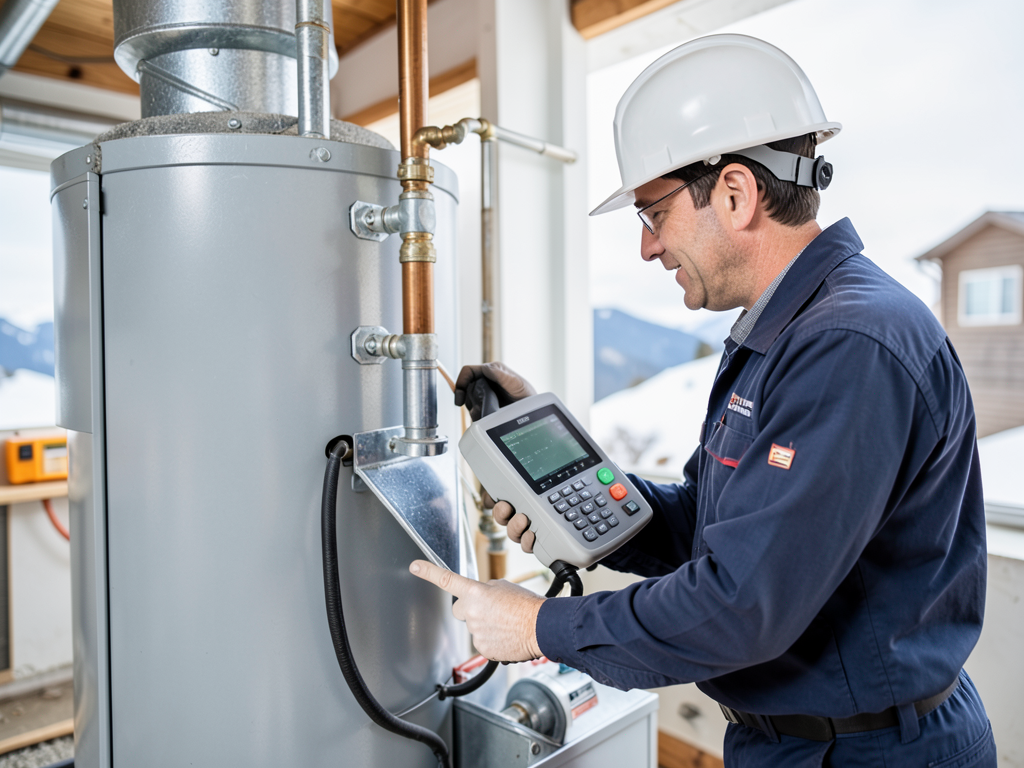
Technicians performing maintenance in Aurora must account for these altitude adjustments. Standard factory settings on new equipment are calibrated for sea-level operation, meaning improper installation can reduce system lifespan by years. The solution involves precise combustion analysis using digital analyzers that measure CO2 and O2 levels in flue gases, ensuring optimal fuel efficiency and preventing dangerous carbon monoxide production.
Local building codes reflect these altitude concerns. The Denver Mechanical Code requires all furnace installations to include proper venting calculations based on elevation, with Section 1305.4 specifically addressing altitude deration factors. Property owners should verify their maintenance provider understands these requirements, as improper adjustments not only void warranties but create serious safety hazards.
Seasonal Maintenance Calendar for Aurora Rentals
Creating a year-round maintenance schedule prevents the most common failure patterns in Aurora properties. Spring preparation focuses on cooling systems before summer demand spikes. This includes cleaning condenser coils, checking refrigerant levels, and testing capacitor performance. The intense UV exposure at altitude degrades rubber components and electrical insulation, making early detection of cracking or corrosion critical.
Fall furnace startup requires comprehensive safety inspections. Technicians should test flame sensors, clean burners, and inspect heat exchangers for cracks using infrared cameras. The dry climate accelerates metal fatigue, particularly in older systems where thermal stress creates hairline fractures invisible to the naked eye. These cracks can leak carbon monoxide into living spaces, making annual inspections not just good practice but legally required under Colorado’s Warranty of Habitability law. Colorado Warranty of Habitability.
Winter operations demand different attention. Filter changes every 60-90 days instead of the standard 90-120 days account for increased system runtime and airborne particulates. The extreme cold causes condensation in heat exchangers to freeze and thaw repeatedly, stressing metal joints. Smart thermostats with remote monitoring help property managers track system performance and catch developing issues before tenants report problems.
Summer brings its own challenges. Evaporative coolers, common in older Aurora homes, require complete disassembly and cleaning each spring. Mineral buildup from Denver’s hard water creates scale on pads and internal components, reducing cooling efficiency by up to 40%. The high mineral content also corrodes metal parts twice as fast as in coastal areas, making annual replacement of sacrificial anodes essential. The Best Swamp Cooler Service and Startup in Denver and Arvada.
Air Quality and Filter Management Strategies
Aurora’s air quality issues compound HVAC maintenance challenges. Wildfire smoke from mountain regions drifts across the metro area 3-5 times annually, creating particulate counts that exceed 150 micrograms per cubic meter. Standard 1-inch filters clog within days under these conditions, causing systems to overheat and fail. Property managers should stock 2-inch pleated filters with MERV 8-11 ratings, which capture more particles without restricting airflow.
The dry climate also affects indoor air quality. Relative humidity in Aurora homes often drops below 20% during winter, causing static electricity, respiratory irritation, and excessive dust accumulation. This dryness accelerates wear on blower motors and causes belts to crack prematurely. Installing whole-house humidifiers with automatic controls maintains optimal 35-45% humidity levels, protecting both equipment and tenant health.
Multi-tenant properties face additional complications. Different tenants have varying cleanliness standards, pet ownership, and cooking habits that affect filter loading rates. Implementing a quarterly filter replacement schedule with tenant education reduces service calls by 60%. Providing simple instructions and basic tools empowers tenants to handle minor maintenance while building goodwill and reducing landlord workload. Repair vs. Replace AC Guide.
Carbon Monoxide Safety Requirements
Colorado law mandates carbon monoxide detectors in all rental properties with fuel-burning appliances. The Colorado Carbon Monoxide Detector Law requires installation within 15 feet of every bedroom, with detectors replaced every 5-7 years depending on the model. Property owners must document compliance and provide tenants with operation instructions during move-in.
Beyond legal requirements, CO safety involves preventive maintenance. Heat exchangers develop cracks from thermal stress, allowing deadly gases to enter living spaces. Annual inspections using combustion analyzers measure CO levels in flue gases, ensuring they stay below 100 parts per million. Any reading above 25 ppm indicates dangerous conditions requiring immediate shutdown and repair. Fast AC Repair Services in Aurora for When the Summer Heat Hits.
Smart CO detectors add another layer of protection. These devices send alerts to property managers’ phones when dangerous levels are detected, enabling rapid response even when tenants are away. The investment of $50-100 per unit prevents potential lawsuits and demonstrates responsible property management that protects both tenants and the owner’s investment.
Energy Efficiency and Cost Control
Utility costs in Aurora run higher than national averages due to extreme climate demands. Summer cooling can account for 60-70% of annual electricity usage, while winter heating often doubles natural gas bills. Property owners can reduce these costs through several strategies without major equipment replacement.
Programmable thermostats save 10-15% on energy costs by automatically adjusting temperatures during vacancy periods. Smart models learn occupancy patterns and optimize run times, preventing the energy waste of heating or cooling empty units. The payback period typically ranges from 12-18 months, making this one of the highest-ROI improvements available.
Sealing ductwork prevents 20-30% energy loss common in older Aurora homes. The dry climate causes duct tape adhesive to fail within 2-3 years, creating leaks that force systems to run longer. Professional duct sealing with mastic compound and mechanical fasteners provides 15-20 year durability, significantly reducing both energy costs and system runtime.
Regular coil cleaning maintains system efficiency. Dirty condenser coils reduce cooling capacity by 30% and increase energy consumption by 20%. The same applies to evaporator coils inside furnaces, where dust accumulation insulates heat exchange surfaces. Annual cleaning restores factory efficiency levels and prevents the cascading failures that occur when systems work beyond their design capacity.
Tenant Education and Communication
Successful property management requires tenant cooperation for HVAC longevity. Many system failures result from tenant actions or neglect rather than equipment defects. Creating a simple maintenance guide that explains basic care responsibilities reduces service calls and extends system life.
Key tenant instructions include proper thermostat operation, keeping outdoor units clear of debris, and reporting unusual noises or performance changes promptly. Tenants often ignore minor issues until they become major failures, turning $100 repairs into $1,000 replacements. Building a relationship where tenants feel comfortable reporting problems early prevents expensive emergency services.
Providing basic tools and replacement filters empowers tenants to handle minor maintenance. A small toolkit with screwdrivers, filters, and cleaning supplies costs under $50 but can prevent dozens of service calls annually. Including these items in move-in packages demonstrates professional management while reducing operational costs.. Read more about How to Handle HVAC Insurance Claims After a Denver Hail Storm in Green Valley Ranch.
Documentation proves invaluable for both legal protection and system tracking. Maintaining service records shows due diligence in habitability compliance while helping technicians identify recurring issues. Digital maintenance logs accessible through property management software streamline scheduling and ensure no unit falls through the cracks during busy seasons.
Emergency Response Planning
Even with perfect maintenance, emergencies occur. Aurora’s winter storms can knock out power for days, while summer heatwaves push aging systems beyond their limits. Property managers need clear protocols for rapid response that minimize tenant displacement and property damage.
Establishing relationships with 24/7 HVAC service providers ensures priority response during peak demand. Companies familiar with your portfolio can dispatch technicians with necessary parts immediately, often resolving issues within hours rather than days. The cost premium for emergency service typically pays for itself through tenant retention and damage prevention.
Backup heating solutions provide critical protection. Portable electric heaters can maintain minimum temperatures in frozen units, preventing pipe bursts and water damage. For longer outages, temporary furnace rentals cost $500-1,000 weekly but prevent the $5,000-10,000 damage from frozen plumbing systems. The investment seems expensive until compared with insurance deductibles and tenant relocation costs.
Communication plans reduce panic during emergencies. Providing tenants with emergency contact procedures, temporary accommodation options, and compensation policies for extended outages builds trust. Clear expectations about response times and temporary solutions prevent negative reviews and legal complications that arise from perceived negligence.
Cost-Benefit Analysis of Maintenance Programs
Property owners often question whether preventive maintenance justifies its cost. The numbers tell a compelling story. A comprehensive maintenance program costs $200-400 per unit annually, while the average emergency repair costs $500-1,500. More importantly, systems receiving regular maintenance last 5-8 years longer than neglected equipment, delaying the $5,000-10,000 replacement expense.
Tenant satisfaction directly impacts financial performance. Rental properties with reliable HVAC systems command 5-10% higher rents and experience 30% lower vacancy rates. The cost of a single month’s vacancy often exceeds annual maintenance budgets for multiple units. Happy tenants also maintain properties better and stay longer, reducing turnover costs that can exceed $2,000 per unit.
Insurance considerations add another dimension. Many policies offer premium discounts for documented preventive maintenance programs. More importantly, maintenance records prove due diligence in habitability lawsuits, potentially saving hundreds of thousands in liability claims. The documentation serves as both operational tool and legal shield.
Energy savings provide ongoing returns. Efficient systems reduce utility costs by 15-25%, with savings accumulating monthly. Over a 10-year period, these reductions often exceed the original equipment investment. The environmental benefits also appeal to increasingly eco-conscious tenants willing to pay premiums for sustainable properties.
Choosing the Right HVAC Service Provider
Not all HVAC companies understand rental property management needs. Property owners need contractors who offer flat-rate pricing, detailed documentation, and priority scheduling for portfolio accounts. The cheapest option often proves most expensive through poor workmanship and inadequate follow-up. Commercial HVAC Contractors.
Look for NATE-certified technicians who understand altitude adjustments and local code requirements. Certification ensures technical competence while liability insurance protects against damage during service calls. Companies offering 24/7 emergency response with guaranteed response times provide peace of mind during critical failures.
Volume discounts make financial sense for multi-property owners. Service agreements typically offer 10-20% savings over individual calls while ensuring regular maintenance scheduling. The best providers offer online portals for service history access, automated scheduling, and electronic invoicing that integrates with property management software.
References from other local property managers provide valuable insights. Companies specializing in rental properties understand the unique challenges of tenant coordination, after-hours access, and documentation requirements. They also maintain inventory of common parts, reducing repair times and minimizing tenant inconvenience.
Future-Proofing Your HVAC Investment
Technology continues advancing HVAC efficiency and control capabilities. Smart thermostats now predict maintenance needs based on performance patterns, alerting property managers before failures occur. These systems can reduce emergency calls by 40% while optimizing energy usage based on occupancy and weather forecasts.. Read more about Why Your Castle Pines Home Needs a Surge Protector for the Outdoor AC Unit.
High-efficiency equipment offers compelling long-term benefits despite higher upfront costs. Modern furnaces achieve 98% efficiency compared to 80-85% for older models, while variable-speed air conditioners provide superior comfort with 30% less energy consumption. Utility rebates often cover 20-30% of upgrade costs, improving return on investment.
Indoor air quality improvements increasingly influence tenant decisions. HEPA filtration systems, UV light sterilization, and advanced humidity control differentiate properties in competitive markets. These upgrades cost $1,000-3,000 but can justify premium rents while protecting tenant health and reducing respiratory-related complaints.
Renewable integration represents the next frontier. Solar-powered HVAC systems and geothermal heat pumps eliminate utility costs while providing reliable operation during grid outages. While initial investments range from $15,000-30,000, tax incentives and energy savings create attractive long-term economics for forward-thinking property owners.
Frequently Asked Questions
How often should rental property HVAC systems be serviced?
Professional maintenance should occur twice yearly – once before cooling season and once before heating season. Additionally, filters require replacement every 60-90 days depending on tenant factors like pets and smoking. Properties with high turnover may need quarterly service to ensure proper operation between tenants.
What are the legal requirements for HVAC in Colorado rentals?
Colorado’s Warranty of Habitability law requires landlords to provide functioning heating systems capable of maintaining minimum temperatures. The law also mandates carbon monoxide detectors within 15 feet of all bedrooms in properties with fuel-burning appliances. Local jurisdictions may have additional requirements for ventilation and indoor air quality.
How can I tell if my rental’s HVAC system needs replacement?
Systems over 15 years old, those requiring frequent repairs, or units showing declining efficiency despite maintenance likely need replacement. Warning signs include uneven heating/cooling, unusual noises, frequent cycling, and rising utility bills. Professional assessment using combustion analyzers and efficiency tests provides definitive guidance on replacement timing.
Take Control of Your Property’s HVAC Future
Extending your rental property HVAC system’s life requires understanding Aurora’s unique climate challenges and implementing a comprehensive maintenance strategy. The combination of high altitude, extreme temperature swings, and dry air creates conditions that stress equipment beyond normal expectations. Property owners who invest in preventive maintenance, tenant education, and professional service partnerships protect their investments while providing superior tenant experiences.
The cost of neglect far exceeds maintenance expenses. Emergency repairs disrupt cash flow, while premature replacements drain capital reserves. More importantly, HVAC failures create habitability issues that lead to tenant complaints, legal complications, and damaged reputations in competitive rental markets.
Professional HVAC maintenance isn’t just about fixing problems – it’s about preventing them through understanding local conditions, proper equipment selection, and systematic care. Property owners who partner with experienced local providers gain access to altitude-specific expertise, priority service, and cost-saving maintenance programs that protect both their investments and their tenants’ comfort.
Don’t wait for the next system failure to take action. Call (720) 502-9511 today to schedule your comprehensive rental property HVAC assessment. Our Aurora-based technicians understand the unique challenges of Colorado’s high-altitude climate and can help you implement a maintenance program that saves money while extending system life. Pick up the phone and call (720) 502-9511 before the next storm hits – your tenants and your bottom line will thank you.

You may also find this helpful. HVAC Rules and Rights for Renters in Downtown Denver Lofts and Apartments.
{
“@context”: “https://schema.org”,
“@type”: “BlogPosting”,
“headline”: “How to Get More Years Out of Your Rental Property HVAC in Aurora”,
“description”: “Learn Denver-specific HVAC maintenance tips to extend system life, reduce emergency repairs, and keep rental properties compliant. Call (720) 502-9511 for expert service.”,
“wordCount”: 2584,
“datePublished”: “2026-05-12T11:44:00.000Z”,
“dateModified”: “2026-05-12T11:44:00.000Z”,
“inLanguage”: “en-US”,
“mainEntityOfPage”: {
“@type”: “WebPage”,
“@id”: “https://fortresshvacdenver.com”
},
“publisher”: {
“@type”: “LocalBusiness”,
“name”: “Fortress HVAC Denver”,
“url”: “https://fortresshvacdenver.com”
},
“author”: {
“@type”: “Organization”,
“name”: “Fortress HVAC Denver”,
“url”: “https://fortresshvacdenver.com”
},
“image”: {
“@type”: “ImageObject”,
“url”: “https://fortresshvacdenver.com/wp-content/uploads/2026/03/how-to-get-more-years-out-of-your-rental-property-1.png”
}
}
{
“@context”: “https://schema.org”,
“@type”: “HVACBusiness”,
“name”: “Fortress HVAC Denver”,
“url”: “https://fortresshvacdenver.com”,
“address”: {
“@type”: “PostalAddress”,
“addressLocality”: “Denver”
},
“areaServed”: {
“@type”: “City”,
“name”: “Denver”
}
}
{
“@context”: “https://schema.org”,
“@type”: “FAQPage”,
“mainEntity”: [
{
“@type”: “Question”,
“name”: “How often should rental property HVAC systems be serviced?”,
“acceptedAnswer”: {
“@type”: “Answer”,
“text”: “Professional maintenance should occur twice yearly – once before cooling season and once before heating season. Additionally, filters require replacement every 60-90 days depending on tenant factors like pets and smoking. Properties with high turnover may need quarterly service to ensure proper operation between tenants.”
}
},
{
“@type”: “Question”,
“name”: “What are the legal requirements for HVAC in Colorado rentals?”,
“acceptedAnswer”: {
“@type”: “Answer”,
“text”: “Colorado’s Warranty of Habitability law requires landlords to provide functioning heating systems capable of maintaining minimum temperatures. The law also mandates carbon monoxide detectors within 15 feet of all bedrooms in properties with fuel-burning appliances. Local jurisdictions may have additional requirements for ventilation and indoor air quality.”
}
},
{
“@type”: “Question”,
“name”: “How can I tell if my rental’s HVAC system needs replacement?”,
“acceptedAnswer”: {
“@type”: “Answer”,
“text”: “Systems over 15 years old, those requiring frequent repairs, or units showing declining efficiency despite maintenance likely need replacement. Warning signs include uneven heating/cooling, unusual noises, frequent cycling, and rising utility bills. Professional assessment using combustion analyzers and efficiency tests provides definitive guidance on replacement timing.”
}
}
]
}
{
“@context”: “https://schema.org”,
“@type”: “BreadcrumbList”,
“itemListElement”: [
{
“@type”: “ListItem”,
“position”: 1,
“name”: “Home”,
“item”: “https://fortresshvacdenver.com”
},
{
“@type”: “ListItem”,
“position”: 2,
“name”: “Blog”,
“item”: “https://fortresshvacdenver.com/blog”
},
{
“@type”: “ListItem”,
“position”: 3,
“name”: “How to Get More Years Out of Your Rental Property HVAC in Aurora”
}
]
}
{
“@context”: “https://schema.org”,
“@type”: “Service”,
“serviceType”: “HVAC”,
“provider”: {
“@type”: “LocalBusiness”,
“name”: “Fortress HVAC Denver”,
“url”: “https://fortresshvacdenver.com”
},
“areaServed”: {
“@type”: “City”,
“name”: “Denver”
},
“description”: “Learn Denver-specific HVAC maintenance tips to extend system life, reduce emergency repairs, and keep rental properties compliant. Call (720) 502-9511 for expert service.”
}