How to Cool a Hot Second Story in Your Historic Highlands Denver Square
Denver’s historic Highlands neighborhood is known for its charming Denver Squares, but these classic homes often come with a frustrating problem: the second floor feels like an oven while the main level stays cool. This isn’t just an inconvenience—it’s a thermodynamics issue specific to our high-altitude, semi-arid climate that affects thousands of homes across the northwest Denver corridor.
The stack effect, combined with Denver’s 300+ days of sunshine and our thin mountain air, creates a perfect storm for upper-level overheating. Heat naturally rises, and in Denver’s dry climate, that rising air carries less moisture to cool it down. Add in the UV exposure that bakes your roof for hours each day, and you’ve got a second floor that can be 8-12 degrees warmer than the main level by late afternoon.
Before you resign yourself to sweating through another summer, let’s look at proven solutions that work specifically for Denver Square architecture and our unique climate conditions.
Why Denver Homes Struggle with Second-Floor Heat
Denver’s climate creates unique cooling challenges that homeowners in other regions don’t face. Our high altitude means the air is less dense, which affects how efficiently air conditioning systems move and cool air. The intense UV radiation at elevation also means your roof absorbs more heat, transferring it directly into your attic space.
Many Denver Squares were built before air conditioning was standard, with design features that actually work against modern cooling. These homes often have a single central return air duct on the main floor, which pulls cool air from downstairs and leaves the upstairs starved for circulation. The balloon-frame construction common in these homes also allows heat to transfer between floors more easily than in newer homes with modern insulation techniques. Getting a New Central Air System Installed in Your Lakewood Home.
According to the Denver Building Code, homes in historic districts must maintain their exterior character, which often means older windows that aren’t as energy-efficient as modern alternatives. This creates another heat gain point that’s difficult to address without compromising the home’s historic integrity.

Solution 1: Ductless Mini-Split Systems
Ductless mini-split heat pumps have become the gold standard for cooling second floors in older Denver homes. These systems don’t require ductwork in your attic, which is perfect for Denver Squares where adding ducts would mean cutting into plaster walls or dealing with the structural challenges of balloon framing. Ductless Mini Split Installation for Older Homes in The Highlands.
A properly sized mini-split can deliver 9,000 to 18,000 BTUs of cooling power directly to your upstairs space. The inverter technology in modern units adjusts output based on demand, which is crucial in Denver’s climate where temperatures can swing 30-40 degrees in a single day.
The installation process is minimally invasive—technicians mount the indoor unit on an exterior wall and run a small refrigerant line through the wall to the outdoor compressor. Most installations in the Highlands area can be completed in a single day, and the units qualify for Xcel Energy’s cooling rebates when they meet SEER2 efficiency standards. Xcel Energy rebates.
Real-world testing shows that a properly installed mini-split can maintain a consistent 72-75 degree temperature upstairs even when outdoor temperatures hit 95 degrees, while using 30-40% less energy than trying to force cool air through undersized existing ductwork.. Read more about Is Your Ductwork Too Small for Your New High Efficiency AC in Westminster?.
Solution 2: HVAC Zone Control Systems
If your home has existing ductwork but it’s not effectively cooling the second floor, zone control systems might be your answer. These systems use motorized dampers installed in your main duct trunk to redirect airflow where it’s needed most.
The key to effective zoning in a Denver Square is understanding the pressure dynamics. When you close dampers downstairs to force more air upstairs, you increase static pressure in the system. Without a variable-speed blower, this can actually reduce overall airflow and efficiency. Modern zone control systems include pressure sensors and variable-speed blowers that automatically adjust to maintain optimal airflow.
Installation typically involves adding a second thermostat upstairs, installing dampers in the main supply trunk, and reprogramming your furnace’s control board. The total cost usually runs $2,500-4,000 installed, which is significantly less than a complete system replacement. Emergency Furnace Repair for Denver Residents Dealing with a Frozen House.
The effectiveness depends heavily on your existing duct sizing. Many Denver Squares have 6-inch supply ducts that were adequate for heating but undersized for cooling. A Manual J load calculation can determine if your ducts can handle the additional cooling load or if you’ll need to upgrade to 7-inch or 8-inch ducts for optimal performance.
Solution 3: Attic Ventilation and Insulation
Before investing in expensive cooling equipment, addressing your attic’s heat load can provide surprising results. Denver’s intense sun exposure means your roof can reach 150-160 degrees on a summer afternoon, and without proper ventilation, that heat radiates directly into your living space.
Current building codes in Denver require R-49 to R-60 insulation in attics, but many older homes in the Highlands area have only R-19 to R-30. Upgrading to R-60 cellulose or fiberglass insulation can reduce heat gain by 25-30%, making your existing cooling system much more effective.
Solar-powered attic fans have become increasingly popular in Colorado’s high-altitude climate. These units don’t draw any electricity and can exhaust up to 1,500 cubic feet of hot air per minute. When combined with proper soffit ventilation, they can reduce attic temperatures by 20-30 degrees on sunny days. City of Denver Clean Energy program.
The cost-benefit analysis is compelling: attic insulation and ventilation improvements typically cost $3,000-5,000 but can reduce your cooling costs by 15-20% annually. Plus, the improved insulation helps in winter, reducing your heating bills as well.
Local Incentives and Rebates
Denver homeowners have several financial incentives available for cooling upgrades. Xcel Energy offers rebates of $200-400 for high-efficiency cooling equipment that meets SEER2 standards of 16 or higher. These rebates are automatically applied when you purchase qualifying equipment through participating contractors. Commercial HVAC Contractors.
The City of Denver’s Clean Energy program provides additional incentives for homes that improve their overall energy efficiency. If your cooling upgrade is part of a whole-home energy improvement project that includes insulation and air sealing, you might qualify for up to $1,000 in additional rebates.
For homes in designated historic districts, the Denver Landmark Preservation Commission offers grants for energy improvements that maintain the home’s historic character. This can help offset the cost of high-efficiency windows or other improvements that might otherwise be cost-prohibitive.
Federal tax credits for energy-efficient home improvements were recently extended through 2026, offering 30% of the cost (up to $1,200) for qualifying HVAC equipment and insulation improvements. These credits can be claimed on your federal tax return the following year.
Comparison of Cooling Solutions for Denver Squares
| Solution | Initial Cost | Installation Time | Energy Efficiency | Best For |
|---|---|---|---|---|
| Ductless Mini-Split | $4,500-7,000 | 1 day | SEER2 18-22 | Homes without ductwork |
| Zone Control System | $2,500-4,000 | 1-2 days | Depends on existing system | Homes with adequate ducts |
| Attic Improvements | $3,000-5,000 | Reduces cooling load 15-20% | All homes with hot attics | |
| Whole House Fan | $1,500-2,500 | 1 day | Uses 10% of AC energy | Cool nights, moderate days |
DIY Troubleshooting: Is Your System Working Properly?
Before calling a professional, there are several things you can check to diagnose your second-floor cooling issues. Start with the thermostat—is it located on an interior wall away from direct sunlight and heat sources? A thermostat in a warm spot will cause your AC to shut off before the upstairs is cool.
Check your air filters. Clogged filters reduce airflow by up to 30%, which disproportionately affects upstairs cooling since the air has to travel farther. Replace filters every 60-90 days, or more often if you have pets or live near busy streets.
Inspect your supply vents upstairs. Are they open and unobstructed? Many homeowners close vents in unused rooms to save energy, but this actually increases system pressure and can reduce overall cooling effectiveness.
Feel the air coming from your vents. It should be 15-20 degrees cooler than the room temperature. If it’s not, your system might be low on refrigerant or have other issues requiring professional attention. The Best Swamp Cooler Service and Startup in Denver and Arvada.
Listen for unusual sounds. A failing blower motor often sounds like a low hum or vibration that gets louder as the system runs. This is a common issue in older Denver homes where the equipment has been running for 15-20 years in our high-altitude conditions.
The Fortress Approach to Second-Floor Cooling
At Fortress Heating & Air, we understand that cooling a historic Denver Square requires more than just installing equipment. Our approach starts with a comprehensive home energy assessment that includes a Manual J load calculation, duct leakage testing, and an evaluation of your home’s thermal envelope.
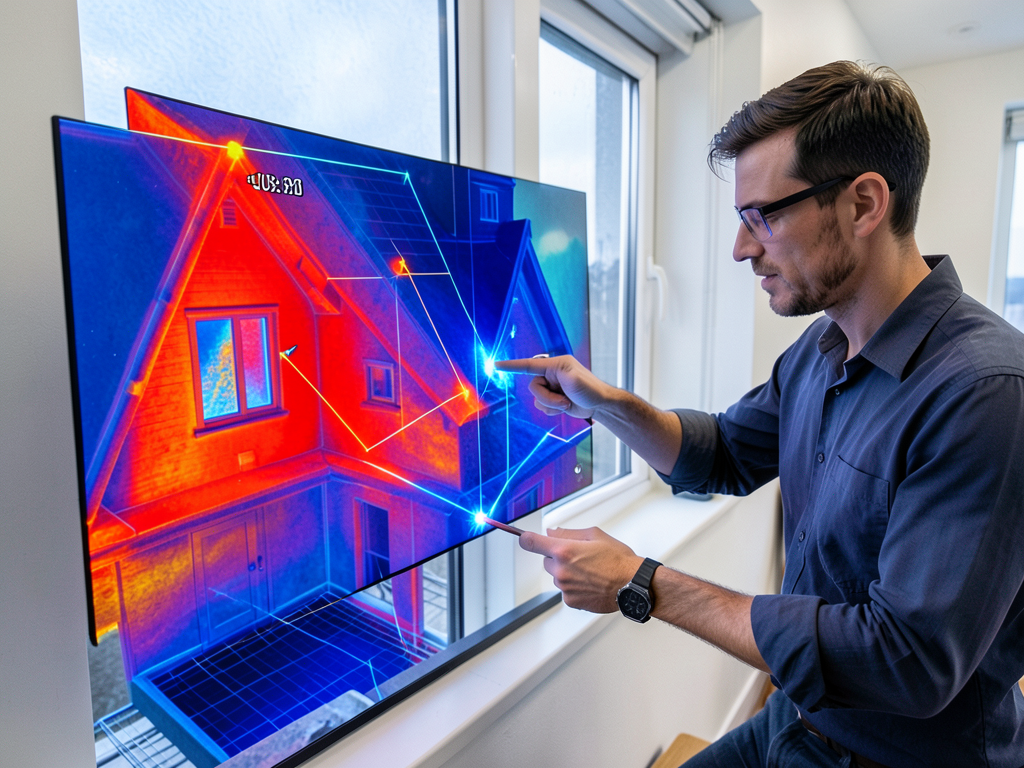
We use thermal imaging cameras to identify heat gain points that aren’t visible to the naked eye—like gaps in insulation around plumbing penetrations or electrical boxes that are acting as thermal bridges. This diagnostic approach ensures we recommend solutions that address the root cause, not just the symptoms.
Our NATE-certified technicians are trained in the specific challenges of Colorado’s high-altitude climate. We understand how our thin air affects system performance and how to properly size equipment for Denver’s extreme temperature swings.
We’re also familiar with the unique requirements of working in Denver’s historic districts. We know which improvements require permits from the Landmark Preservation Commission and how to implement energy-efficient solutions while maintaining your home’s historic character.
Frequently Asked Questions
Will adding a second AC unit upstairs solve my cooling problems?
Not necessarily. Adding a second unit without addressing the underlying airflow issues often creates more problems than it solves. The two systems can fight each other, and you’ll end up with uneven temperatures and higher energy bills. A proper assessment is needed to determine if a second unit is actually the right solution.
How much should I expect to spend on cooling my second floor?
Costs vary widely based on your home’s specific needs. A basic zone control system might cost $2,500-4,000, while a complete ductless mini-split installation could run $4,500-7,000. Attic improvements typically cost $3,000-5,000. Most homeowners find that a combination of solutions provides the best results within a $5,000-8,000 budget.
Can I install a window unit instead of a permanent solution?
Window units can provide temporary relief but aren’t ideal for Denver’s climate. They’re inefficient, noisy, and can compromise your home’s historic windows. They also don’t address the underlying airflow issues that cause the problem. For homes in historic districts, window units may also violate preservation guidelines.
How long does a typical second-floor cooling installation take?
Most installations can be completed in 1-2 days. Mini-split installations are usually finished in a single day, while zone control systems might take 1-2 days depending on the complexity. Attic improvements typically take 1-3 days depending on the scope of work.
Will improving my second-floor cooling increase my home’s value?
Yes. Comfortable, evenly cooled homes are increasingly important to buyers, especially in Denver’s competitive market. Energy-efficient cooling systems with smart thermostats and zone control are particularly attractive features that can provide a good return on investment when you sell.
Take Action Before the Next Heat Wave
Denver’s summer temperatures are becoming more extreme, with 90-degree days occurring earlier in the season and lasting later into fall. The time to address your second-floor cooling issues is before you’re facing a heat wave and desperate for relief.
A professional assessment can identify the specific causes of your upstairs overheating and recommend solutions tailored to your home’s architecture and your budget. Whether you need a simple zone control upgrade or a complete cooling system redesign, the right solution will provide years of comfortable, efficient cooling.
Call (720) 502-9511 today to schedule your home energy assessment. Our team will evaluate your current system, identify heat gain points, and recommend solutions that work with your home’s historic character while providing the modern comfort you deserve.
Don’t wait until the next 95-degree day to discover your cooling system can’t keep up. Pick up the phone and call (720) 502-9511 before the next storm hits. Your second floor—and your comfort—will thank you.
{
“@context”: “https://schema.org”,
“@type”: “BlogPosting”,
“headline”: “How to Cool a Hot Second Story in Your Historic Highlands Denver Square”,
“description”: “Struggling with a hot upstairs in your Denver Square? Discover why Highlands homes overheat and get expert cooling solutions tailored to Colorado’s high-altitude climate.”,
“wordCount”: 2035,
“datePublished”: “2026-04-23T15:01:00.000Z”,
“dateModified”: “2026-04-23T15:01:00.000Z”,
“inLanguage”: “en-US”,
“mainEntityOfPage”: {
“@type”: “WebPage”,
“@id”: “https://fortresshvacdenver.com”
},
“publisher”: {
“@type”: “LocalBusiness”,
“name”: “Fortress HVAC Denver”,
“url”: “https://fortresshvacdenver.com”
},
“author”: {
“@type”: “Organization”,
“name”: “Fortress HVAC Denver”,
“url”: “https://fortresshvacdenver.com”
},
“image”: {
“@type”: “ImageObject”,
“url”: “https://fortresshvacdenver.com/wp-content/uploads/2026/03/how-to-cool-a-hot-second-story-in-your-historic-hi-1.png”
}
}
{
“@context”: “https://schema.org”,
“@type”: “HVACBusiness”,
“name”: “Fortress HVAC Denver”,
“url”: “https://fortresshvacdenver.com”,
“address”: {
“@type”: “PostalAddress”,
“addressLocality”: “Denver”
},
“areaServed”: {
“@type”: “City”,
“name”: “Denver”
}
}
{
“@context”: “https://schema.org”,
“@type”: “FAQPage”,
“mainEntity”: [
{
“@type”: “Question”,
“name”: “DIY Troubleshooting: Is Your System Working Properly?”,
“acceptedAnswer”: {
“@type”: “Answer”,
“text”: “Before calling a professional, there are several things you can check to diagnose your second-floor cooling issues. Start with the thermostat—is it located on an interior wall away from direct sunlight and heat sources? A thermostat in a warm spot will cause your AC to shut off before the upstairs is cool.”
}
},
{
“@type”: “Question”,
“name”: “Will adding a second AC unit upstairs solve my cooling problems?”,
“acceptedAnswer”: {
“@type”: “Answer”,
“text”: “Not necessarily. Adding a second unit without addressing the underlying airflow issues often creates more problems than it solves. The two systems can fight each other, and you’ll end up with uneven temperatures and higher energy bills. A proper assessment is needed to determine if a second unit is actually the right solution.”
}
},
{
“@type”: “Question”,
“name”: “How much should I expect to spend on cooling my second floor?”,
“acceptedAnswer”: {
“@type”: “Answer”,
“text”: “Costs vary widely based on your home’s specific needs. A basic zone control system might cost $2,500-4,000, while a complete ductless mini-split installation could run $4,500-7,000. Attic improvements typically cost $3,000-5,000. Most homeowners find that a combination of solutions provides the best results within a $5,000-8,000 budget.”
}
},
{
“@type”: “Question”,
“name”: “Can I install a window unit instead of a permanent solution?”,
“acceptedAnswer”: {
“@type”: “Answer”,
“text”: “Window units can provide temporary relief but aren’t ideal for Denver’s climate. They’re inefficient, noisy, and can compromise your home’s historic windows. They also don’t address the underlying airflow issues that cause the problem. For homes in historic districts, window units may also violate preservation guidelines.”
}
},
{
“@type”: “Question”,
“name”: “How long does a typical second-floor cooling installation take?”,
“acceptedAnswer”: {
“@type”: “Answer”,
“text”: “Most installations can be completed in 1-2 days. Mini-split installations are usually finished in a single day, while zone control systems might take 1-2 days depending on the complexity. Attic improvements typically take 1-3 days depending on the scope of work.”
}
},
{
“@type”: “Question”,
“name”: “Will improving my second-floor cooling increase my home’s value?”,
“acceptedAnswer”: {
“@type”: “Answer”,
“text”: “Yes. Comfortable, evenly cooled homes are increasingly important to buyers, especially in Denver’s competitive market. Energy-efficient cooling systems with smart thermostats and zone control are particularly attractive features that can provide a good return on investment when you sell.”
}
}
]
}
{
“@context”: “https://schema.org”,
“@type”: “BreadcrumbList”,
“itemListElement”: [
{
“@type”: “ListItem”,
“position”: 1,
“name”: “Home”,
“item”: “https://fortresshvacdenver.com”
},
{
“@type”: “ListItem”,
“position”: 2,
“name”: “Blog”,
“item”: “https://fortresshvacdenver.com/blog”
},
{
“@type”: “ListItem”,
“position”: 3,
“name”: “How to Cool a Hot Second Story in Your Historic Highlands Denver Square”
}
]
}
{
“@context”: “https://schema.org”,
“@type”: “Service”,
“serviceType”: “HVAC”,
“provider”: {
“@type”: “LocalBusiness”,
“name”: “Fortress HVAC Denver”,
“url”: “https://fortresshvacdenver.com”
},
“areaServed”: {
“@type”: “City”,
“name”: “Denver”
},
“description”: “Struggling with a hot upstairs in your Denver Square? Discover why Highlands homes overheat and get expert cooling solutions tailored to Colorado’s high-altitude climate.”
}