Getting Your HVAC System Ready for a New Baby in Observatory Park
Welcoming a newborn into your Observatory Park home means more than just setting up a crib and painting the nursery. Denver’s high-altitude, dry climate creates unique challenges for maintaining the perfect environment where your baby will sleep, play, and grow. The air here is thinner, the humidity often drops below 20%, and seasonal wildfire smoke can drift through even the most careful homes. Your HVAC system becomes the invisible guardian of your baby’s health, working 24/7 to control temperature, filter pollutants, and maintain safe humidity levels.
Denver’s mile-high elevation means your heating and cooling equipment faces different demands than systems at sea level. Combustion air is thinner, meaning furnaces must work harder to produce the same heat. The low atmospheric pressure also affects how air circulates through your home, creating potential hot and cold spots that could leave your baby uncomfortable. Add in Observatory Park’s mix of mid-century bungalows and newer builds, and you have a neighborhood where HVAC needs vary dramatically from house to house. Emergency Furnace Repair for Denver Residents Dealing with a Frozen House.
Pediatric health organizations like the American Academy of Pediatrics recommend keeping nursery temperatures between 68 and 72 degrees Fahrenheit and relative humidity between 30 and 50 percent. These ranges help prevent overheating, which is linked to Sudden Infant Death Syndrome, while also avoiding the dry skin, nosebleeds, and respiratory irritation that Denver’s arid climate can cause. Your existing HVAC system may not be meeting these standards without some adjustments. American Academy of Pediatrics temperature guidelines.
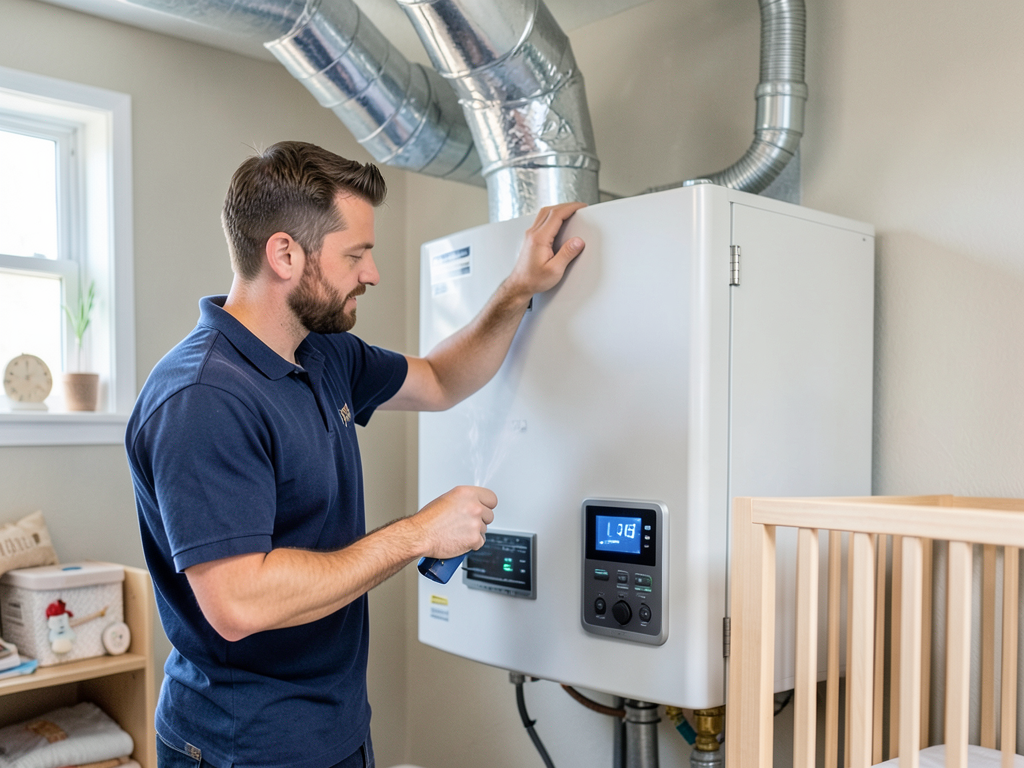
Before your baby arrives, a professional HVAC assessment can identify issues like uneven heating, poor filtration, or inadequate humidity control. This isn’t just about comfort—it’s about creating a protective environment where your newborn can thrive. From whole-home humidifiers that combat our notorious dryness to high-MERV filters that capture wildfire particulates, the right HVAC solutions make a measurable difference in your baby’s nursery air quality.
The Ideal Temperature for a Denver Nursery
Denver’s dramatic temperature swings mean your nursery could be cozy at bedtime but chilly by 2 AM. The recommended 68-72°F range becomes harder to maintain when outdoor temperatures plummet 40 degrees overnight, which happens frequently in Observatory Park during winter months. Your furnace needs to respond quickly and evenly to prevent cold spots where your baby sleeps.
Many Observatory Park homes built before 2000 have single-zone HVAC systems that heat or cool based on the temperature in one main area. If your thermostat sits in a hallway far from the nursery, the room where your baby sleeps might be several degrees warmer or cooler than what the thermostat reads. This is especially common in the area’s older bungalows where nurseries are often converted from small bedrooms with poor duct placement. The Best Swamp Cooler Service and Startup in Denver and Arvada.
Smart thermostats with remote sensors can solve this problem by prioritizing the nursery’s temperature over the rest of the house. These devices learn your schedule and can automatically adjust heating or cooling before temperature swings occur. Some models even integrate with nursery monitors, allowing you to check and adjust temperatures from your phone while you’re rocking your baby back to sleep at 3 AM.
During Denver’s cold snaps, when temperatures can drop to -10°F, your heating system works overtime. Observatory Park’s location near Washington Park means many homes experience slightly colder conditions due to the park’s open space creating local wind patterns. A professional load calculation ensures your furnace is properly sized for your home’s specific heat loss, preventing the system from running constantly or cycling on and off too frequently.
Call (720) 502-9511 today to schedule a nursery temperature assessment before your baby comes home.
Managing Humidity in the Mile High City
Denver’s average relative humidity hovers around 30-35%, well below the 30-50% range recommended for infant health. In Observatory Park, where many homes have older construction with less airtight envelopes, humidity levels can drop even lower during winter when furnaces run constantly. This extreme dryness causes more than just discomfort—it affects your baby’s developing respiratory system.
Low humidity dries out nasal passages and airways, making babies more susceptible to congestion and respiratory infections. The thin, dry air also increases static electricity, which can irritate sensitive newborn skin. Many parents notice their babies developing dry patches, eczema flare-ups, or even minor nosebleeds during their first Denver winter.
Portable humidifiers seem like an easy solution, but they require constant monitoring and cleaning to prevent mold growth. A single gallon humidifier in a nursery can raise humidity temporarily, but once it runs dry, levels plummet again. Whole-home humidifiers integrate with your existing HVAC system to maintain consistent 35-45% humidity throughout your entire house, including the nursery.
Denver’s water contains high mineral content, which means ultrasonic humidifiers can release white dust into the air. This fine mineral powder settles on nursery surfaces and can be inhaled by infants. Evaporative humidifiers or steam models work better in our area, though they require more energy. A professional assessment can determine which type suits your home’s specific water quality and HVAC setup.
During summer months, Denver’s humidity can spike to 60% during monsoon season, creating the opposite problem. Excess moisture promotes mold growth, especially in older Observatory Park homes with basements or crawl spaces. Your HVAC system needs to handle both adding and removing humidity throughout the year, which requires properly sized equipment and regular maintenance.
Indoor Air Quality and Your Baby’s Lungs
Newborns breathe 40-60 times per minute compared to adults’ 12-20 breaths, meaning they process significantly more air relative to their body size. Observatory Park’s proximity to major roads like Colorado Boulevard means vehicle emissions can infiltrate homes, especially older ones with less airtight construction. Your HVAC filtration system becomes the first line of defense against these pollutants.
Standard one-inch furnace filters capture only 10-15% of airborne particles. For a nursery, you need MERV 13 or higher filtration, which captures 90% of particles including pollen, pet dander, and the fine particulates from wildfire smoke that frequently affect Denver’s air quality. However, higher MERV ratings restrict airflow, so your system must be designed to handle the increased resistance.
Many Observatory Park homes built in the 1950s and 1960s contain materials that off-gas volatile organic compounds (VOCs). Pressed wood furniture, new carpeting, and even some paints release formaldehyde and other chemicals that can irritate infant lungs. A HEPA filtration system integrated with your HVAC can remove these gases, though it requires specialized carbon filters that need regular replacement. EPA humidifier benefits and recommendations.
Radon, a naturally occurring radioactive gas, is prevalent in Colorado due to our granite bedrock. Observatory Park’s location means many homes have elevated radon levels, especially those with basements where nurseries are often located. The EPA recommends radon levels below 4.0 pCi/L, but for infants, levels as low as 2.0 pCi/L may pose risks. Your HVAC system can incorporate radon mitigation features that continuously vent this gas outdoors.
Carbon monoxide poses another threat in Denver’s older homes. Observatory Park has many houses with aging gas appliances, and our high altitude affects how these systems burn fuel. A properly functioning HVAC system includes CO detectors integrated with your thermostat, providing both audible alarms and automatic system shutdown if dangerous levels are detected.
Wildfire Season and Nursery Safety
Colorado’s wildfire season now extends from May through October, with smoke frequently affecting Denver’s air quality. Observatory Park’s elevation and open spaces can sometimes trap smoke in ways that affect local air quality even when downtown appears clear. During severe events, Denver’s Air Quality Index can reach levels considered unhealthy for sensitive groups, which includes infants.
Standard HVAC filters cannot capture the fine particulates in wildfire smoke, which are often smaller than 2.5 microns. These particles penetrate deep into lungs and can cause respiratory distress in newborns. MERV 13 filters capture some particulates, but for severe smoke events, you need HEPA filtration or a dedicated air scrubber that can remove particles down to 0.3 microns.
During smoke events, keeping windows closed becomes essential, but this creates another problem: indoor air can become stale and CO2 levels can rise. Your HVAC system needs to bring in fresh air while filtering out smoke particulates. Energy recovery ventilators (ERVs) solve this by exchanging indoor and outdoor air while transferring heat and moisture, maintaining comfort while improving air quality.
Observatory Park residents often notice that smoke affects their homes differently based on which direction the wind blows. Homes facing east toward the High Line Canal sometimes experience more smoke infiltration due to prevailing wind patterns. A professional assessment can identify your home’s specific vulnerabilities and recommend targeted solutions like sealing leaks or adding dedicated smoke filtration to nursery vents.
Wildfire smoke can travel hundreds of miles, meaning even homes far from active fires need protection. The 2020 wildfires that affected Colorado came from as far as California, demonstrating how regional air quality impacts local nurseries. Having a smoke-ready HVAC system means you’re prepared before the next major fire season begins.
Recommended HVAC Solutions for Parents
Creating a safe nursery environment requires more than just adjusting your thermostat. Here are the most effective HVAC upgrades for Observatory Park parents preparing for a new baby:
- Professional Assessment
A NATE-certified technician evaluates your current system, checking for proper sizing, airflow balance, and filtration capacity specific to your home’s construction and Denver’s climate.
- Humidity Control Installation
Whole-home humidifiers integrate with your furnace to maintain 35-45% relative humidity year-round, preventing the dry air that causes infant respiratory issues.
- Advanced Filtration Upgrade
MERV 13 or HEPA filtration systems capture 90-99% of airborne particles, including pollen, pet dander, and wildfire smoke particulates that standard filters miss.
- Smart Thermostat Integration
Remote sensors prioritize nursery temperature, while programmable schedules maintain optimal conditions even when you’re not home to adjust settings.
- Air Quality Monitoring
IAQ monitors track VOC levels, humidity, and particulate matter, alerting you to conditions that could affect your baby’s health before they become problems.
Cost considerations vary widely based on your home’s existing infrastructure. A basic MERV 13 filter upgrade might cost $200-400, while a complete system with whole-home humidification and HEPA filtration could range from $3,000-8,000. However, many Observatory Park homes built before 2010 have systems that are already 15-20 years old and may need replacement anyway. Repair vs. Replace AC Guide.
Energy efficiency should be a priority for new parents worried about utility bills. High-efficiency furnaces with variable-speed blowers use 30% less energy than older models while providing more consistent temperatures. These systems also run more quietly, which helps maintain the peaceful environment your baby needs for healthy sleep patterns.. Read more about Why Your Gas Fireplace Should Not Be Your Only Heat Source in Golden.
Zoning systems offer another solution for Observatory Park’s mix of home styles. By creating separate temperature zones, you can keep the nursery at 70°F while the rest of the house is cooler at night, saving energy without compromising your baby’s comfort. This is particularly valuable in larger homes where heating the entire house to nursery temperature wastes significant energy.
Maintenance becomes even more critical with a new baby in the house. Air filters need replacement every 30-60 days instead of the standard 90-day schedule, and annual professional tune-ups ensure your system is operating at peak efficiency when you need it most. Many HVAC companies offer maintenance plans specifically designed for new parents, including priority service and air quality testing.
Don’t wait until your baby arrives to address these issues. Call (720) 502-9511 now to schedule your nursery HVAC assessment.
Frequently Asked Questions
How soon before my baby arrives should I upgrade my HVAC system?
Ideally, schedule your HVAC assessment 2-3 months before your due date. This gives you time to complete any necessary upgrades and allows the system to stabilize before your baby comes home. Denver’s busy fall season means scheduling earlier is better to avoid delays.
Are portable air purifiers as effective as whole-home systems for a nursery?
Portable units can help but have limitations. They only clean the air in one room, require frequent filter changes, and can be noisy enough to disturb sleep. Whole-home systems integrate with your existing ductwork to clean all the air in your house while maintaining consistent temperatures throughout.
What’s the biggest HVAC mistake new parents make in Denver?
The most common mistake is underestimating humidity needs. Many parents focus only on temperature, not realizing that Denver’s 15-20% winter humidity is far below the 30-50% range recommended for infant health. This leads to dry skin, congestion, and sleep disruption that could be prevented with proper humidification.
How do I know if my current system is adequate for a newborn?
Signs your system needs attention include uneven temperatures between rooms, excessive dust accumulation, static electricity shocks, or dry air that causes frequent nosebleeds. A professional assessment can measure your current temperature and humidity levels compared to pediatric recommendations.
Will upgrading my HVAC system help with my baby’s allergies later?
Yes. High-efficiency filtration captures allergens like pollen, dust mites, and pet dander that can trigger childhood allergies. Starting with clean air from day one helps prevent the development of sensitivities and makes it easier to manage allergies if they do develop as your child grows.
How much should I budget for nursery-specific HVAC improvements?
Basic improvements like MERV 13 filters and humidity monitoring can cost $300-800. Comprehensive solutions with whole-home humidification and advanced filtration typically range from $2,500-6,000. Many families find that financing options make these improvements manageable while providing immediate benefits for their newborn’s health.
Can I install these systems myself to save money?
HVAC work requires specialized knowledge of ventilation, combustion safety, and building codes. Improper installation can create carbon monoxide risks, void warranties, and fail to meet Denver’s mechanical permit requirements. Professional installation ensures your system operates safely and efficiently while complying with all local regulations.
What maintenance schedule should I follow after my baby arrives?
Change filters every 30-60 days instead of the standard 90 days, schedule professional maintenance twice yearly (spring and fall), and monitor humidity levels weekly. Many HVAC companies offer new parent maintenance plans that include priority service and air quality testing to ensure your system continues protecting your baby.
Creating the perfect environment for your new baby in Observatory Park means more than just temperature control. It requires understanding Denver’s unique climate challenges and implementing HVAC solutions that protect your infant’s developing respiratory system, maintain comfortable humidity levels, and filter out the pollutants that are especially harmful to newborns. From whole-home humidification that combats our notorious dryness to advanced filtration that captures wildfire smoke particulates, the right HVAC system becomes an invisible guardian of your baby’s health.
Observatory Park’s mix of historic and modern homes means each family faces different HVAC challenges. Whether you live in a 1950s bungalow near Observatory Park Elementary or a newer build off Monaco Parkway, professional assessment ensures your system meets the specific demands of your home’s construction and Denver’s mile-high climate. The investment in proper HVAC preparation pays dividends in your baby’s comfort, health, and your peace of mind.
Don’t let HVAC concerns add stress to your final weeks before your baby arrives. A professional assessment can identify issues and recommend solutions tailored to your home, your budget, and your baby’s specific needs. With proper preparation, you can focus on what matters most—welcoming your new family member into a safe, comfortable, and healthy home environment.
Ready to create the perfect nursery environment? Call (720) 502-9511 today to schedule your comprehensive HVAC assessment. Your baby deserves the best air quality Denver can provide.
{
“@context”: “https://schema.org”,
“@type”: “BlogPosting”,
“headline”: “Getting Your HVAC System Ready for a New Baby in Observatory Park”,
“description”: “Prepare your Observatory Park home’s HVAC for your new baby with expert Denver-specific guidance on temperature, humidity, air quality, and safety. Call (720) 502-9511.”,
“wordCount”: 2587,
“datePublished”: “2026-06-02T11:09:00.000Z”,
“dateModified”: “2026-06-02T11:09:00.000Z”,
“inLanguage”: “en-US”,
“mainEntityOfPage”: {
“@type”: “WebPage”,
“@id”: “https://fortresshvacdenver.com”
},
“publisher”: {
“@type”: “LocalBusiness”,
“name”: “Fortress HVAC Denver”,
“url”: “https://fortresshvacdenver.com”
},
“author”: {
“@type”: “Organization”,
“name”: “Fortress HVAC Denver”,
“url”: “https://fortresshvacdenver.com”
},
“image”: {
“@type”: “ImageObject”,
“url”: “https://fortresshvacdenver.com/wp-content/uploads/2026/03/getting-your-hvac-system-ready-for-a-new-baby-in-o-1.png”
}
}
{
“@context”: “https://schema.org”,
“@type”: “HVACBusiness”,
“name”: “Fortress HVAC Denver”,
“url”: “https://fortresshvacdenver.com”,
“address”: {
“@type”: “PostalAddress”,
“addressLocality”: “Denver”
},
“areaServed”: {
“@type”: “City”,
“name”: “Denver”
}
}
{
“@context”: “https://schema.org”,
“@type”: “FAQPage”,
“mainEntity”: [
{
“@type”: “Question”,
“name”: “How soon before my baby arrives should I upgrade my HVAC system?”,
“acceptedAnswer”: {
“@type”: “Answer”,
“text”: “Ideally, schedule your HVAC assessment 2-3 months before your due date. This gives you time to complete any necessary upgrades and allows the system to stabilize before your baby comes home. Denver’s busy fall season means scheduling earlier is better to avoid delays.”
}
},
{
“@type”: “Question”,
“name”: “Are portable air purifiers as effective as whole-home systems for a nursery?”,
“acceptedAnswer”: {
“@type”: “Answer”,
“text”: “Portable units can help but have limitations. They only clean the air in one room, require frequent filter changes, and can be noisy enough to disturb sleep. Whole-home systems integrate with your existing ductwork to clean all the air in your house while maintaining consistent temperatures throughout.”
}
},
{
“@type”: “Question”,
“name”: “What’s the biggest HVAC mistake new parents make in Denver?”,
“acceptedAnswer”: {
“@type”: “Answer”,
“text”: “The most common mistake is underestimating humidity needs. Many parents focus only on temperature, not realizing that Denver’s 15-20% winter humidity is far below the 30-50% range recommended for infant health. This leads to dry skin, congestion, and sleep disruption that could be prevented with proper humidification.”
}
},
{
“@type”: “Question”,
“name”: “How do I know if my current system is adequate for a newborn?”,
“acceptedAnswer”: {
“@type”: “Answer”,
“text”: “Signs your system needs attention include uneven temperatures between rooms, excessive dust accumulation, static electricity shocks, or dry air that causes frequent nosebleeds. A professional assessment can measure your current temperature and humidity levels compared to pediatric recommendations.”
}
},
{
“@type”: “Question”,
“name”: “Will upgrading my HVAC system help with my baby’s allergies later?”,
“acceptedAnswer”: {
“@type”: “Answer”,
“text”: “Yes. High-efficiency filtration captures allergens like pollen, dust mites, and pet dander that can trigger childhood allergies. Starting with clean air from day one helps prevent the development of sensitivities and makes it easier to manage allergies if they do develop as your child grows.”
}
},
{
“@type”: “Question”,
“name”: “How much should I budget for nursery-specific HVAC improvements?”,
“acceptedAnswer”: {
“@type”: “Answer”,
“text”: “Basic improvements like MERV 13 filters and humidity monitoring can cost $300-800. Comprehensive solutions with whole-home humidification and advanced filtration typically range from $2,500-6,000. Many families find that financing options make these improvements manageable while providing immediate benefits for their newborn’s health.”
}
},
{
“@type”: “Question”,
“name”: “Can I install these systems myself to save money?”,
“acceptedAnswer”: {
“@type”: “Answer”,
“text”: “HVAC work requires specialized knowledge of ventilation, combustion safety, and building codes. Improper installation can create carbon monoxide risks, void warranties, and fail to meet Denver’s mechanical permit requirements. Professional installation ensures your system operates safely and efficiently while complying with all local regulations.”
}
}
]
}
{
“@context”: “https://schema.org”,
“@type”: “HowTo”,
“name”: “Nursery HVAC Preparation Steps”,
“step”: [
{
“@type”: “HowToStep”,
“position”: 1,
“name”: “Professional Assessment”,
“text”: “A NATE-certified technician evaluates your current system, checking for proper sizing, airflow balance, and filtration capacity specific to your home’s construction and Denver’s climate.”
},
{
“@type”: “HowToStep”,
“position”: 2,
“name”: “Humidity Control Installation”,
“text”: “Whole-home humidifiers integrate with your furnace to maintain 35-45% relative humidity year-round, preventing the dry air that causes infant respiratory issues.”
},
{
“@type”: “HowToStep”,
“position”: 3,
“name”: “Advanced Filtration Upgrade”,
“text”: “MERV 13 or HEPA filtration systems capture 90-99% of airborne particles, including pollen, pet dander, and wildfire smoke particulates that standard filters miss.”
},
{
“@type”: “HowToStep”,
“position”: 4,
“name”: “Smart Thermostat Integration”,
“text”: “Remote sensors prioritize nursery temperature, while programmable schedules maintain optimal conditions even when you’re not home to adjust settings.”
},
{
“@type”: “HowToStep”,
“position”: 5,
“name”: “Air Quality Monitoring”,
“text”: “IAQ monitors track VOC levels, humidity, and particulate matter, alerting you to conditions that could affect your baby’s health before they become problems.”
}
],
“image”: “https://fortresshvacdenver.com/wp-content/uploads/2026/03/getting-your-hvac-system-ready-for-a-new-baby-in-o-1.png”
}
{
“@context”: “https://schema.org”,
“@type”: “BreadcrumbList”,
“itemListElement”: [
{
“@type”: “ListItem”,
“position”: 1,
“name”: “Home”,
“item”: “https://fortresshvacdenver.com”
},
{
“@type”: “ListItem”,
“position”: 2,
“name”: “Blog”,
“item”: “https://fortresshvacdenver.com/blog”
},
{
“@type”: “ListItem”,
“position”: 3,
“name”: “Getting Your HVAC System Ready for a New Baby in Observatory Park”
}
]
}
{
“@context”: “https://schema.org”,
“@type”: “Service”,
“serviceType”: “HVAC”,
“provider”: {
“@type”: “LocalBusiness”,
“name”: “Fortress HVAC Denver”,
“url”: “https://fortresshvacdenver.com”
},
“areaServed”: {
“@type”: “City”,
“name”: “Denver”
},
“description”: “Prepare your Observatory Park home’s HVAC for your new baby with expert Denver-specific guidance on temperature, humidity, air quality, and safety. Call (720) 502-9511.”
}