
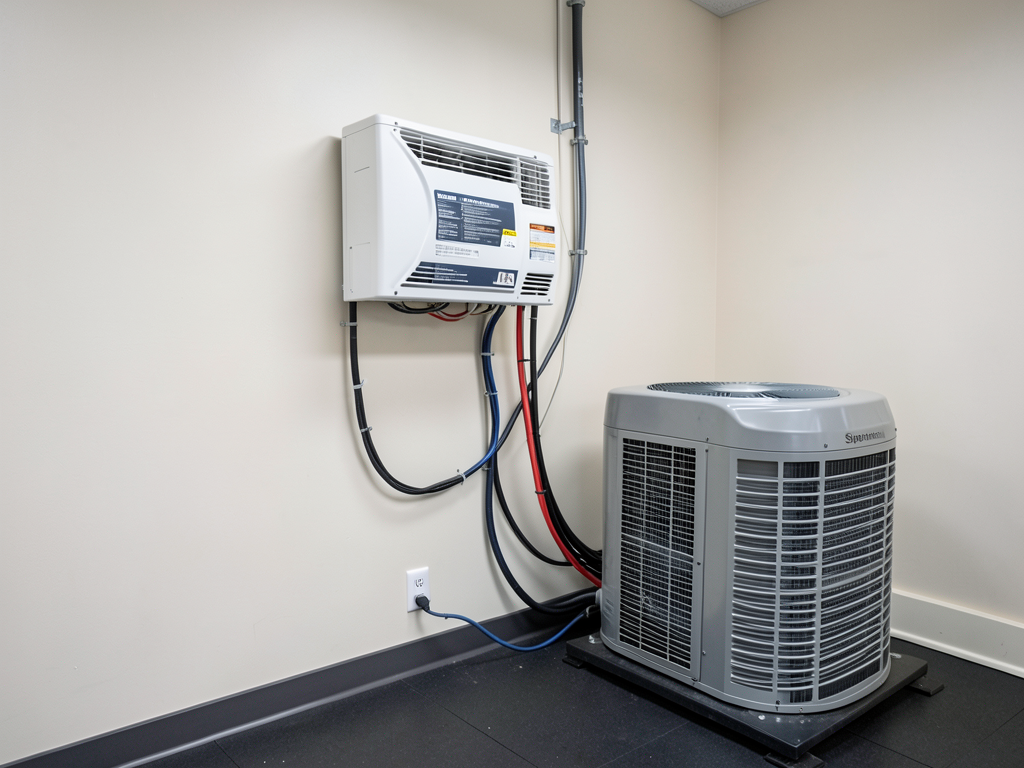
Why Stapleton Homes Need Specialized Gym HVAC Solutions
Stapleton’s modern homes were built with open floor plans and energy-efficient envelopes, but that same tight construction can trap heat and moisture in a home gym. When you’re pushing through a high-intensity workout, your body generates significant heat and humidity. Without proper climate control, that warm air has nowhere to go, creating uncomfortable conditions that can cut your workout short and damage your equipment over time.. Read more about How Modern Air Scrubbers Remove Cooking Odors in Your Open Concept Downtown Loft.
The unique challenge in Stapleton comes from Denver’s high-altitude climate combined with these newer homes’ airtight construction. At 5,280 feet above sea level, the air is thinner and holds less moisture naturally. When you add the heat load from exercise equipment, the temperature in a small room can spike quickly. Standard HVAC systems often can’t keep up with these rapid temperature changes, especially in converted garage or basement spaces that lack proper insulation and ventilation. Denver Building Codes.
Creating the perfect climate for your home gym requires understanding both the heat your body generates during exercise and the specific challenges of Stapleton’s environment. You need a system that provides rapid cooling when temperatures spike, maintains consistent humidity levels to prevent equipment rust, and ensures fresh air circulation to remove odors and excess CO2. The solution isn’t just about comfort—it’s about creating a space where you can perform your best while protecting your investment in fitness equipment.. Read more about Protecting Your Delicate Wood Piano with Precision Humidity Control in Hilltop.
The Science Behind Home Gym Climate Control
During intense exercise, the human body can generate up to 500 BTUs per hour—equivalent to running a small space heater. When multiple people work out together or when equipment like treadmills and stationary bikes add their own heat output, the temperature in a confined space can rise 10-15 degrees in just 30 minutes. This rapid heating creates several problems: reduced workout performance, increased sweating that leads to slippery surfaces, and accelerated equipment wear from heat and humidity.. Read more about The Pros and Cons of Electric Baseboard Heating vs Mini-Splits in Capitol Hill Condos.
Humidity control is equally critical. Denver’s naturally dry air means most Stapleton homes have indoor humidity levels between 20-30%, which is comfortable for everyday living but problematic for exercise spaces. When you sweat in low-humidity conditions, the sweat evaporates too quickly, leading to dehydration and reduced cooling efficiency. However, when you add moisture from multiple people exercising, humidity can spike above 60%, creating conditions where mold can grow on equipment and walls within 24-48 hours.. Read more about Choosing Between an Electric Wall Heater and a Mini Split for Your Sunnyside Sunroom.
Air quality presents another challenge. Exercise increases respiration rate by 4-6 times normal, meaning you’re breathing in and out much more air per minute. In a sealed room, CO2 levels can rise from the normal 400-500 ppm to over 2,000 ppm in less than an hour. At these levels, you’ll experience reduced cognitive function, fatigue, and decreased workout performance. Proper ventilation systems must provide at least 6-8 air changes per hour in a home gym to maintain healthy air quality during exercise.
Top HVAC Options for Stapleton Home Gyms
Ductless mini-split systems have become the gold standard for home gym climate control in Stapleton. These units provide targeted cooling without the need for extensive ductwork, making them perfect for garage conversions or basement installations. A 12,000 BTU mini-split can effectively cool a 400-500 square foot space, while maintaining humidity levels between 40-50%—the sweet spot for both comfort and equipment protection. The inverter technology in modern mini-splits adjusts compressor speed based on demand, providing consistent temperatures without the temperature swings common in older systems. Ductless Mini Split Installation for Older Homes in The Highlands.
High-velocity HVAC systems offer another excellent option for Stapleton homes. These systems use small, flexible ducts that can be routed through existing wall cavities without major demolition. The high-velocity air delivery creates better mixing and more uniform temperatures throughout the space. For a typical home gym conversion, a 2-ton high-velocity system provides both heating and cooling capabilities, making it ideal for year-round use. The system’s ability to remove humidity effectively—removing up to 3 pints of moisture per hour—helps prevent the musty odors common in basement gym spaces. Xcel Energy Rebates.
Heat pump systems with zone control provide the most comprehensive solution for Stapleton homeowners who want whole-home efficiency with dedicated gym climate control. Modern cold-climate heat pumps maintain efficiency even when outdoor temperatures drop below freezing, a crucial feature for Stapleton’s winter conditions. When paired with smart thermostats and zoning controls, these systems can direct more heating or cooling power to your gym when it’s in use, while maintaining comfort in the rest of your home. The variable-speed compressors in these units provide whisper-quiet operation—essential when you’re trying to focus during yoga or meditation sessions.. Read more about Whole House Fans versus Swamp Coolers for Cooling Your Lakewood Home.
Managing Air Quality and Ventilation in Your Fitness Space
Proper ventilation goes beyond just temperature control—it’s about maintaining healthy air quality throughout your workout. Energy Recovery Ventilators (ERVs) are particularly valuable in Stapleton’s climate because they exchange stale indoor air with fresh outdoor air while transferring heat and moisture between the air streams. This means in winter, the cold incoming air is pre-warmed by the outgoing air, while in summer, the hot incoming air is pre-cooled. For a home gym, an ERV ensures you’re getting 6-8 complete air changes per hour without losing the energy you’ve already spent heating or cooling your space. Getting a New Central Air System Installed in Your Lakewood Home.
Air filtration plays a crucial role in gym air quality. Standard residential filters typically have MERV ratings between 6-8, but home gyms benefit from MERV 13 filters that capture smaller particles like dust, pollen, and even some bacteria. When you’re breathing heavily during exercise, you’re more susceptible to airborne irritants. High-efficiency filtration also helps control odors from sweat and equipment, which can become noticeable in enclosed spaces. Some advanced systems include UV-C light sterilization that kills airborne pathogens, providing an extra layer of protection for multi-user fitness spaces.
Humidity control requires a multi-faceted approach. While your cooling system removes some moisture, dedicated dehumidification may be necessary, especially during Colorado’s monsoon season when outdoor humidity can spike unexpectedly. A properly sized dehumidifier for a home gym should be able to remove 30-50 pints of moisture per day, depending on the space size and usage patterns. Smart humidity controls can automatically activate dehumidification when levels rise above your target range, maintaining the optimal 40-50% relative humidity that prevents both equipment corrosion and the growth of mold or mildew.
Installation Considerations for Different Gym Locations
Garage gym conversions are popular in Stapleton, but they present unique HVAC challenges. Most attached garages lack proper insulation, and the concrete slab can feel cold in winter while radiating heat in summer. Before installing any HVAC system, you’ll need to address insulation—typically adding R-13 to R-19 insulation to walls and ensuring the garage door has proper weatherstripping. For heating and cooling, a ductless mini-split mounted on an exterior wall provides the most efficient solution, as it can draw from the same electrical circuit that often powers garage door openers and workshop tools.
Basement gym installations require careful attention to moisture management. Stapleton’s soil composition includes clay that can retain water, and many basements experience some level of moisture infiltration. Before HVAC installation, you should address any existing moisture issues with proper drainage and waterproofing. Once the space is dry, a high-velocity system or ductless mini-split with built-in dehumidification provides the best climate control. The system should include condensate pumps to remove moisture that the cooling process naturally extracts from the air.. Read more about Why Your Finished Basement in Centennial Always Feels Clammy (And How to Fix It).
Sunroom or addition gym spaces often have large windows that create significant solar heat gain. In Stapleton, where we get over 300 days of sunshine annually, this can mean your gym heats up rapidly even in winter. For these spaces, you’ll need to consider both HVAC capacity and window treatments. A mini-split system sized 20-30% larger than standard calculations account for the additional heat load from windows. Low-E window films or cellular shades can reduce solar heat gain by up to 50%, making your HVAC system more efficient and reducing operating costs.
Energy Efficiency and Cost Considerations
Modern HVAC systems for home gyms can actually reduce your overall energy costs when properly designed. Heat pump technology has advanced significantly, with many units now achieving SEER2 ratings above 20, meaning they use 50% less electricity than systems from just a decade ago. When you consider that a home gym might be used only 1-2 hours per day, the ability to quickly heat or cool the space on demand, rather than maintaining a constant temperature, provides significant savings. Smart thermostats can learn your workout schedule and pre-condition the space just before you typically exercise.
Xcel Energy offers substantial rebates for high-efficiency HVAC equipment in Colorado, with current programs providing up to $1,000 for qualifying heat pump installations. These rebates are particularly valuable for Stapleton homeowners because they can offset the higher upfront costs of premium equipment. Additionally, many utility companies offer time-of-use rates that allow you to run your HVAC system during off-peak hours at reduced rates—perfect for early morning or evening workout routines. Some systems even include energy monitoring that shows you exactly how much power your gym HVAC is using, helping you optimize for both comfort and cost.
The long-term cost benefits extend beyond energy savings. Proper climate control protects your fitness equipment investment by preventing rust, corrosion, and electronic damage from humidity and temperature extremes. A well-maintained HVAC system also reduces the likelihood of mold growth, which can cause thousands of dollars in remediation costs and potentially impact your health. When you factor in these protection benefits, the monthly operating cost of a dedicated gym HVAC system becomes a small price to pay for equipment longevity and a consistently comfortable workout environment.. Read more about Is a Media Air Cleaner Better Than a Standard Filter for Your Aurora Home?.
Local Building Codes and Permit Requirements
Denver’s building codes have specific requirements for HVAC modifications that many homeowners don’t realize. Any new HVAC installation or major modification requires a mechanical permit from the City and County of Denver, with current permit fees ranging from $100-$500 depending on the scope of work. For garage conversions, you’ll also need to ensure your electrical panel has sufficient capacity—most modern HVAC systems require a dedicated 240-volt circuit with 15-20 amp capacity. The Denver Green Building Ordinance, which applies to all new construction and major renovations, requires all new HVAC equipment to meet minimum efficiency standards, typically SEER2 ratings of 14 or higher.. Read more about Why Your New Construction Townhome in RiNo Needs a UV Air Purifier.
Ventilation requirements are particularly strict for enclosed exercise spaces. The International Mechanical Code, adopted by Denver, requires dedicated outdoor air ventilation for rooms used for exercise, with minimum ventilation rates of 0.3 cubic feet per minute per square foot of floor area. This means a 200 square foot home gym needs at least 60 CFM of continuous outdoor air ventilation. Many Stapleton homeowners find that their existing whole-house ventilation systems don’t meet these requirements, necessitating the addition of dedicated ventilation equipment for their gym space.
Noise regulations also affect HVAC installation choices. Denver’s noise ordinances limit equipment sound levels to 70 decibels at the property line during daytime hours. This is particularly relevant for outdoor condenser units, which can generate 50-60 decibels at a distance of 10 feet. Mini-split systems often have the advantage here, as their outdoor units are typically quieter than traditional central air condensers, and the indoor units operate at whisper-quiet levels that won’t disturb your workout or your neighbors.
Case Study: Stapleton Home Gym Transformation
A recent project in the East 29th Avenue Town Center area demonstrates the impact of proper gym HVAC design. The homeowners had converted their two-car garage into a home gym but found the space unusable during summer afternoons and uncomfortably cold in winter. Their existing system—a single window unit AC—couldn’t handle the heat load from multiple users and exercise equipment. We installed a 12,000 BTU ductless mini-split system with a dedicated 20-amp electrical circuit and added R-19 insulation to the garage walls and ceiling.
The transformation was remarkable. Within 15 minutes of turning on the system, the temperature dropped from 85°F to a comfortable 72°F, even with three people working out and all equipment running. The humidity control feature maintained levels at 45%, preventing the condensation that had previously formed on metal equipment surfaces. The homeowners reported that their workout consistency improved dramatically—they went from averaging 2-3 workouts per week to 5-6, simply because the space was now comfortable year-round. The system’s energy usage averaged just $0.75 per hour of operation, well within their budget for regular use.
The key to success was proper sizing and professional installation. We used Manual J calculations to determine the exact cooling load, accounting for the garage’s exposure, window area, and typical usage patterns. The installation included a condensate pump to handle moisture removal and a programmable thermostat that allowed the homeowners to set different temperatures for different times of day. Six months later, they added a small ERV system to improve air quality, and the space became their favorite room in the house—proving that with the right HVAC solution, a home gym can be both functional and inviting.
Frequently Asked Questions
What size HVAC system do I need for a home gym?
The size depends on your space dimensions and heat-generating equipment. A typical 200-300 square foot home gym needs 9,000-12,000 BTUs of cooling capacity. However, if you have multiple users, high-output equipment, or large windows, you may need 15,000 BTUs or more. Professional heat load calculations ensure you get the right size—too small won’t cool adequately, while too large will cycle on and off frequently, reducing efficiency and comfort.
Can I use my existing HVAC system for my home gym?
While possible, most existing systems aren’t ideal for gym spaces. Standard HVAC systems are designed for whole-house comfort, not the rapid temperature changes and high humidity loads that exercise creates. They also lack the precise temperature and humidity control needed for optimal workout conditions. A dedicated system provides better performance, protects your equipment from climate-related damage, and can actually reduce your overall energy costs by allowing you to condition only the space when it’s in use.
How much does it cost to install HVAC in a home gym?
Costs vary based on the system type, space size, and installation complexity. A basic ductless mini-split installation typically ranges from $3,500-$5,500, including equipment and professional installation. High-velocity systems cost $6,000-$8,000, while premium heat pump systems with zoning can reach $8,000-$12,000. These investments often pay for themselves through improved workout consistency, equipment protection, and energy efficiency compared to using multiple portable units.
How long does installation take?
Most home gym HVAC installations can be completed in 1-2 days. Mini-split installations typically require one day for mounting indoor and outdoor units, running refrigerant lines, and electrical connections. High-velocity systems may take 2-3 days due to the complexity of running small ducts through existing walls. Professional installation ensures proper sizing, code compliance, and warranty protection for your investment.
Ready to Create Your Perfect Workout Climate?
Your home gym should be a space where you feel energized and motivated, not where you’re constantly adjusting the temperature or dealing with humidity issues. The right HVAC system transforms your fitness space from a seasonal afterthought into a year-round sanctuary for health and wellness. Whether you’re converting a garage, finishing a basement, or creating a dedicated workout room, professional HVAC design and installation ensures your space performs as hard as you do.
Don’t let Colorado’s climate extremes limit your fitness goals. Our team understands the unique challenges of Stapleton homes and Denver’s high-altitude environment. We’ll assess your space, recommend the perfect system for your needs and budget, and handle all the technical details from sizing calculations to permit acquisition. With proper installation, you’ll enjoy consistent temperatures, optimal humidity levels, and fresh air circulation that makes every workout more effective and enjoyable.
Call (720) 502-9511 today to schedule your free home gym HVAC consultation. We’ll evaluate your space, discuss your fitness goals, and show you exactly how the right climate control system can transform your workout experience. Don’t wait until summer heat or winter cold makes your gym unusable—take the first step toward creating the perfect fitness environment today.
Take Action Now for Year-Round Comfort
Every day you wait is another day your home gym isn’t performing at its best. Whether you’re dealing with summer heat that makes workouts miserable or winter cold that keeps you from using your space, the solution is just a phone call away. Our experienced technicians have helped dozens of Stapleton homeowners create the perfect climate for their fitness spaces, and we’re ready to do the same for you.
Professional installation means proper sizing, code compliance, and warranty protection. It means energy-efficient operation that keeps your utility bills low while maintaining perfect conditions. It means the confidence of knowing your system will perform reliably for years to come. When you choose professional installation, you’re not just buying equipment—you’re investing in your health, your comfort, and your home’s value.
Pick up the phone and call (720) 502-9511 before the next temperature extreme hits. Let us show you how affordable and transformative the right HVAC solution can be for your home gym. Your perfect workout climate is waiting—let’s make it a reality today.
You may also find this helpful. Air Scrubbers vs UV Lights (Which One Actually Cleans the Air in Your Aurora Home?).
{
“@context”: “https://schema.org”,
“@type”: “BlogPosting”,
“headline”: “Creating a Perfect Climate for Your Home Gym or Yoga Studio in Stapleton”,
“description”: “Discover how to design the ideal HVAC system for your Stapleton home gym or yoga studio. Learn about mini-splits, ventilation, humidity control, and local Denver climate solutions.”,
“wordCount”: 2843,
“datePublished”: “2026-04-29T06:52:00.000Z”,
“dateModified”: “2026-04-29T06:52:00.000Z”,
“inLanguage”: “en-US”,
“mainEntityOfPage”: {
“@type”: “WebPage”,
“@id”: “https://fortresshvacdenver.com”
},
“publisher”: {
“@type”: “LocalBusiness”,
“name”: “Fortress HVAC Denver”,
“url”: “https://fortresshvacdenver.com”
},
“author”: {
“@type”: “Organization”,
“name”: “Fortress HVAC Denver”,
“url”: “https://fortresshvacdenver.com”
},
“image”: {
“@type”: “ImageObject”,
“url”: “https://fortresshvacdenver.com/wp-content/uploads/2026/03/creating-a-perfect-climate-for-your-home-gym-or-yo-1.png”
}
}
{
“@context”: “https://schema.org”,
“@type”: “HVACBusiness”,
“name”: “Fortress HVAC Denver”,
“url”: “https://fortresshvacdenver.com”,
“address”: {
“@type”: “PostalAddress”,
“addressLocality”: “Denver”
},
“areaServed”: {
“@type”: “City”,
“name”: “Denver”
}
}
{
“@context”: “https://schema.org”,
“@type”: “FAQPage”,
“mainEntity”: [
{
“@type”: “Question”,
“name”: “What size HVAC system do I need for a home gym?”,
“acceptedAnswer”: {
“@type”: “Answer”,
“text”: “The size depends on your space dimensions and heat-generating equipment. A typical 200-300 square foot home gym needs 9,000-12,000 BTUs of cooling capacity. However, if you have multiple users, high-output equipment, or large windows, you may need 15,000 BTUs or more. Professional heat load calculations ensure you get the right size—too small won’t cool adequately, while too large will cycle on and off frequently, reducing efficiency and comfort.”
}
},
{
“@type”: “Question”,
“name”: “Can I use my existing HVAC system for my home gym?”,
“acceptedAnswer”: {
“@type”: “Answer”,
“text”: “While possible, most existing systems aren’t ideal for gym spaces. Standard HVAC systems are designed for whole-house comfort, not the rapid temperature changes and high humidity loads that exercise creates. They also lack the precise temperature and humidity control needed for optimal workout conditions. A dedicated system provides better performance, protects your equipment from climate-related damage, and can actually reduce your overall energy costs by allowing you to condition only the space when it’s in use.”
}
},
{
“@type”: “Question”,
“name”: “How much does it cost to install HVAC in a home gym?”,
“acceptedAnswer”: {
“@type”: “Answer”,
“text”: “Costs vary based on the system type, space size, and installation complexity. A basic ductless mini-split installation typically ranges from $3,500-$5,500, including equipment and professional installation. High-velocity systems cost $6,000-$8,000, while premium heat pump systems with zoning can reach $8,000-$12,000. These investments often pay for themselves through improved workout consistency, equipment protection, and energy efficiency compared to using multiple portable units.”
}
},
{
“@type”: “Question”,
“name”: “How long does installation take?”,
“acceptedAnswer”: {
“@type”: “Answer”,
“text”: “Most home gym HVAC installations can be completed in 1-2 days. Mini-split installations typically require one day for mounting indoor and outdoor units, running refrigerant lines, and electrical connections. High-velocity systems may take 2-3 days due to the complexity of running small ducts through existing walls. Professional installation ensures proper sizing, code compliance, and warranty protection for your investment.”
}
},
{
“@type”: “Question”,
“name”: “Ready to Create Your Perfect Workout Climate?”,
“acceptedAnswer”: {
“@type”: “Answer”,
“text”: “Your home gym should be a space where you feel energized and motivated, not where you’re constantly adjusting the temperature or dealing with humidity issues. The right HVAC system transforms your fitness space from a seasonal afterthought into a year-round sanctuary for health and wellness. Whether you’re converting a garage, finishing a basement, or creating a dedicated workout room, professional HVAC design and installation ensures your space performs as hard as you do.”
}
}
]
}
{
“@context”: “https://schema.org”,
“@type”: “BreadcrumbList”,
“itemListElement”: [
{
“@type”: “ListItem”,
“position”: 1,
“name”: “Home”,
“item”: “https://fortresshvacdenver.com”
},
{
“@type”: “ListItem”,
“position”: 2,
“name”: “Blog”,
“item”: “https://fortresshvacdenver.com/blog”
},
{
“@type”: “ListItem”,
“position”: 3,
“name”: “Creating a Perfect Climate for Your Home Gym or Yoga Studio in Stapleton”
}
]
}
{
“@context”: “https://schema.org”,
“@type”: “Service”,
“serviceType”: “HVAC”,
“provider”: {
“@type”: “LocalBusiness”,
“name”: “Fortress HVAC Denver”,
“url”: “https://fortresshvacdenver.com”
},
“areaServed”: {
“@type”: “City”,
“name”: “Denver”
},
“description”: “Discover how to design the ideal HVAC system for your Stapleton home gym or yoga studio. Learn about mini-splits, ventilation, humidity control, and local Denver climate solutions.”
}