Choosing Between an Electric Wall Heater and a Mini Split for Your Sunnyside Sunroom
Denver’s Sunnyside neighborhood is known for its charming bungalows and sun-drenched sunrooms. But that extra glass also means extreme temperature swings—freezing in winter and sweltering in summer. Choosing the right heating and cooling system for your sunroom is critical for year-round comfort and energy efficiency. This guide breaks down the pros and cons of electric wall heaters versus ductless mini-split systems specifically for Sunnyside homes, with local climate insights and Xcel Energy rebate information to help you make the best decision. Xcel Energy rebates.
The Challenge: Why Sunrooms Struggle with Temperature
Sunrooms are essentially glass boxes. In Denver’s high-altitude climate, they face a double challenge: intense solar heat gain during our 300+ days of sunshine and rapid heat loss during cold Front Range nights. The glass-to-wall ratio in most sunrooms creates a massive BTU load that standard room HVAC cannot handle. Plus, many Sunnyside homes are older bungalows where extending ductwork is impractical or violates Denver building codes.. Read more about Managing Dust and VOCs During Your Major Home Renovation in Congress Park.
Denver’s semi-arid climate means humidity is rarely a factor, but temperature swings of 40-50 degrees between day and night are common. This makes a system with both heating and cooling capability essential. Electric wall heaters provide simple, affordable heat but offer no cooling. Mini-splits handle both but require a higher upfront investment. Ductless Mini Split Installation for Older Homes in The Highlands.
Option 1: Ductless Mini-Split Systems (The Gold Standard)
A ductless mini-split consists of an outdoor condenser unit connected to one or more indoor air handlers. For sunrooms, a single-zone system is usually sufficient. These systems excel in sunrooms because they provide both heating and cooling from one unit, operate efficiently in Denver’s temperature extremes, and don’t require ductwork modifications to your historic home.. Read more about How to Cool a Hot Second Story in Your Historic Highlands Denver Square.
Modern mini-splits use inverter technology to modulate capacity, maintaining consistent temperatures without the energy spikes of conventional systems. In Denver’s climate, look for units with a heating seasonal performance factor (HSPF) of 10 or higher and a seasonal energy efficiency ratio (SEER2) of 16 or higher. These ratings ensure the system handles both polar vortex winters and 95-degree summer days efficiently. City of Denver building codes.
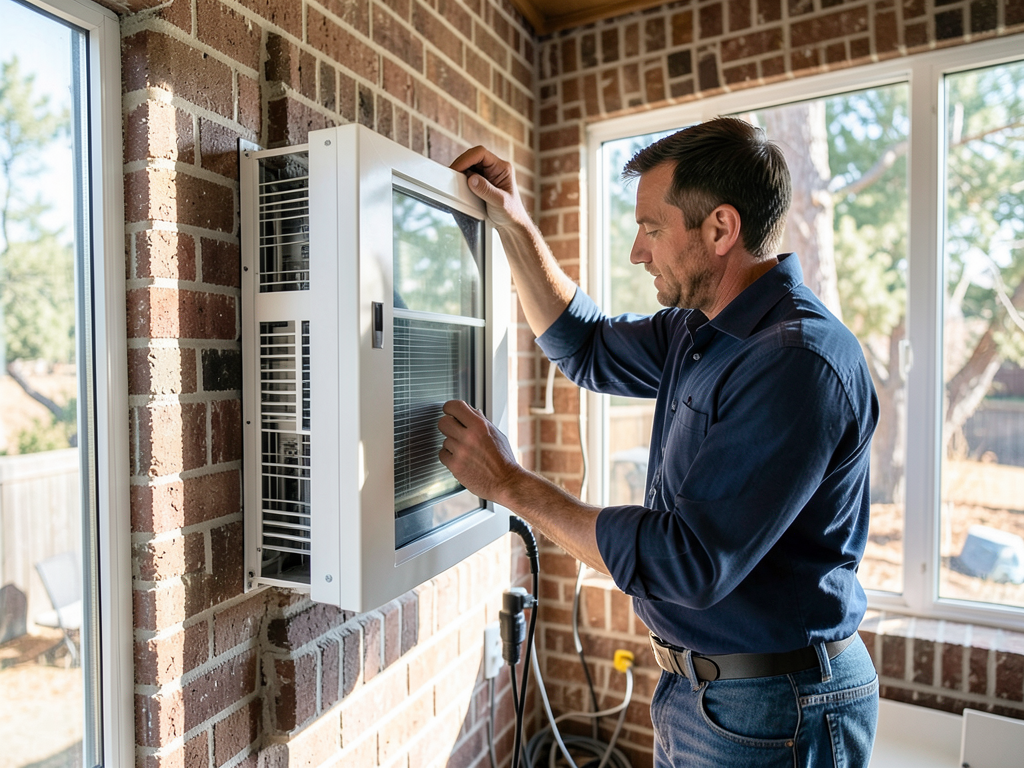
Installation typically takes one day. The indoor unit mounts on an exterior wall, connecting through a small three-inch hole to the outdoor condenser. Because Sunnyside homes often have balloon-frame construction, routing the refrigerant lines through wall cavities is straightforward. The main challenge is ensuring proper condensate drainage, as Denver’s dry air can cause rapid evaporation that overwhelms small drain pans.
Option 2: Electric Wall Heaters
Electric wall heaters are the simplest solution. They install directly into the wall, require only 240-volt power, and provide immediate heat. For sunrooms used primarily as three-season spaces, they’re an economical choice. However, they offer no cooling capability, making them inadequate for Denver’s summer months.. Read more about The Pros and Cons of Electric Baseboard Heating vs Mini-Splits in Capitol Hill Condos.
Modern electric heaters include built-in thermostats and overheat protection. Installation is quick—often under two hours—and costs significantly less than a mini-split. The downside is operational cost. Electric resistance heat is the most expensive way to warm a space in Colorado, where electricity rates from Xcel Energy average 12-15 cents per kilowatt-hour.
For a typical 200-square-foot sunroom, an electric heater might consume 1,500-2,000 watts on high. Running it eight hours per day during winter could add $50-80 monthly to your electric bill. In contrast, a mini-split might use 400-600 watts for the same heating output, costing $15-30 monthly.

Comparing the Two: Cost, Efficiency, and Comfort
| Feature | Electric Wall Heater | Ductless Mini-Split |
|---|---|---|
| Initial Cost | $300-600 | $2,500-4,000 |
| Installation Time | 1-2 hours | 4-8 hours |
| Operating Cost (winter) | $50-80/month | $15-30/month |
| Cooling Capability | No | Yes |
| Noise Level | Moderate | Very quiet |
| Lifespan | 10-15 years | 15-20 years |
| Xcel Rebates | No | Yes (up to $500) |
The break-even point between these systems depends on usage. If you use your sunroom year-round, the mini-split’s higher efficiency and cooling capability typically offset the higher upfront cost within 3-5 years. For occasional use, an electric heater might make more sense.
Denver-Specific Considerations
Denver’s building codes require mechanical permits for both systems. For electric heaters, the permit ensures proper wiring and clearances from combustibles. For mini-splits, the permit covers refrigerant handling and condensate drainage. Both require inspections, but mini-split installations involve more complex permitting due to the refrigerant lines.
Xcel Energy offers rebates for high-efficiency heat pumps, including mini-splits with HSPF ratings above 9.0. Current rebates can cover up to $500 of installation costs. These rebates require installation by a certified contractor and submission of efficiency documentation. The program changes annually, so check Xcel’s website for current offerings.
Sunnyside’s older housing stock presents unique challenges. Many homes have uninsulated exterior walls, which affects both heating and cooling loads. A proper Manual J load calculation is essential to size either system correctly. Oversizing leads to short cycling and poor humidity control, while undersizing leaves you uncomfortable on extreme days.
Installation and Maintenance
Electric wall heater installation involves cutting an opening in the exterior wall, mounting the unit, and connecting it to a dedicated 240-volt circuit. The main diagnostic check is ensuring the unit has proper clearance from furniture and that the thermostat functions correctly. Annual maintenance involves vacuuming dust from the element and checking electrical connections.
Mini-split installation requires refrigerant line brazing, pressure testing, and evacuation. The most critical diagnostic step is checking for refrigerant leaks using electronic leak detectors. In Denver’s dry climate, even small leaks can cause system failure within months. Technicians use nitrogen pressure testing and micron gauges to verify system integrity before commissioning.
Maintenance for mini-splits includes cleaning or replacing air filters every 1-3 months, checking condensate drains for clogs, and inspecting refrigerant lines for oil stains that indicate leaks. Denver’s high UV exposure can degrade outdoor unit insulation over time, requiring inspection and replacement every 5-7 years. Repair vs. Replace AC Guide.
Making Your Decision
Choose an electric wall heater if: you use your sunroom only during mild weather, want the lowest upfront cost, or need supplemental heat for a rarely-used space. Choose a mini-split if: you want year-round comfort, plan to use the space daily, or value energy efficiency and quiet operation.
For most Sunnyside homeowners, the mini-split proves the better long-term investment. Denver’s climate demands both heating and cooling, and the energy savings offset the higher initial cost within a few years. Plus, mini-splits add value to your home and qualify for utility rebates that electric heaters don’t.
Before deciding, have a qualified HVAC technician perform a load calculation specific to your sunroom’s glass area, orientation, and insulation levels. This ensures you get a system sized correctly for Denver’s unique climate challenges.
Frequently Asked Questions
How long does installation take for each system?
Electric wall heaters install in 1-2 hours. Mini-splits require 4-8 hours for complete installation, including outdoor unit mounting and refrigerant line connections.
Can I install these systems myself?
Electric heaters can be DIY if you’re comfortable with electrical work and obtaining permits. Mini-splits require EPA certification for refrigerant handling and are not suitable for DIY installation.
What’s the typical lifespan of each system?
Electric heaters last 10-15 years with minimal maintenance. Mini-splits typically last 15-20 years with proper maintenance, outlasting electric heaters by several years.
Are there any tax credits available?
Federal tax credits for heat pumps expired in 2023. Xcel Energy rebates are the primary incentive for mini-splits in Colorado. Check with your tax advisor about any new credits.. Read more about How to Stop Your Neighbors from Complaining About Your Loud AC Unit in Wash Park.
Which system is quieter?
Mini-splits operate at 20-30 decibels, about as loud as a whisper. Electric heaters produce 40-50 decibels, similar to a refrigerator. Mini-splits are significantly quieter.
Do I need a permit for either system?
Yes, both require mechanical permits from the City of Denver. Electric heaters need electrical permits, while mini-splits require both electrical and mechanical permits due to refrigerant handling.
How do I maintain these systems?
Electric heaters need annual vacuuming and electrical connection checks. Mini-splits require quarterly filter cleaning, annual condensate drain inspection, and professional maintenance every 2-3 years.
Can these systems be used in other rooms?
Yes, both work well in bedrooms, home offices, and bonus rooms. Mini-splits are particularly good for rooms without existing ductwork or where zoning is desired.
What happens during a power outage?
Electric heaters won’t work without power. Mini-splits also require electricity, but some models can be paired with battery backup systems for limited operation during outages.
How do I know which size to get?
A Manual J load calculation determines the exact BTU requirement based on your sunroom’s dimensions, glass area, insulation, and Denver’s climate factors. Never guess—proper sizing is critical for efficiency and comfort.
Ready to Make Your Sunroom Comfortable Year-Round?
The right heating and cooling system transforms your sunroom from a seasonal space to a year-round retreat. Whether you choose the simplicity of an electric wall heater or the efficiency of a mini-split, proper installation and sizing are essential for Denver’s unique climate.
Call (720) 502-9511 today to schedule your free consultation. Our NATE-certified technicians will assess your sunroom, perform a detailed load calculation, and recommend the perfect system for your needs and budget. Don’t wait until the next cold snap or heat wave—make your sunroom comfortable now.
Pick up the phone and call (720) 502-9511 before the next storm hits. Your perfect sunroom is just one call away.
You may also find this helpful. How to Select a Low Profile AC for Your Historic Bungalow in Virginia Village.
You may also find this helpful. Comparing Daikin and Mitsubishi Mini-Splits for Your Chaffee Park Home Office.
{
“@context”: “https://schema.org”,
“@type”: “BlogPosting”,
“headline”: “Choosing Between an Electric Wall Heater and a Mini Split for Your Sunnyside Sunroom”,
“description”: “Compare electric wall heaters vs. mini splits for Sunnyside sunrooms. Learn about Denver’s climate, efficiency, and Xcel rebates for the best year-round comfort.”,
“wordCount”: 1544,
“datePublished”: “2026-05-04T15:20:00.000Z”,
“dateModified”: “2026-05-04T15:20:00.000Z”,
“inLanguage”: “en-US”,
“mainEntityOfPage”: {
“@type”: “WebPage”,
“@id”: “https://fortresshvacdenver.com”
},
“publisher”: {
“@type”: “LocalBusiness”,
“name”: “Fortress HVAC Denver”,
“url”: “https://fortresshvacdenver.com”
},
“author”: {
“@type”: “Organization”,
“name”: “Fortress HVAC Denver”,
“url”: “https://fortresshvacdenver.com”
},
“image”: {
“@type”: “ImageObject”,
“url”: “https://fortresshvacdenver.com/wp-content/uploads/2026/03/choosing-between-an-electric-wall-heater-and-a-min-1.png”
}
}
{
“@context”: “https://schema.org”,
“@type”: “HVACBusiness”,
“name”: “Fortress HVAC Denver”,
“url”: “https://fortresshvacdenver.com”,
“address”: {
“@type”: “PostalAddress”,
“addressLocality”: “Denver”
},
“areaServed”: {
“@type”: “City”,
“name”: “Denver”
}
}
{
“@context”: “https://schema.org”,
“@type”: “FAQPage”,
“mainEntity”: [
{
“@type”: “Question”,
“name”: “How long does installation take for each system?”,
“acceptedAnswer”: {
“@type”: “Answer”,
“text”: “Electric wall heaters install in 1-2 hours. Mini-splits require 4-8 hours for complete installation, including outdoor unit mounting and refrigerant line connections.”
}
},
{
“@type”: “Question”,
“name”: “Can I install these systems myself?”,
“acceptedAnswer”: {
“@type”: “Answer”,
“text”: “Electric heaters can be DIY if you’re comfortable with electrical work and obtaining permits. Mini-splits require EPA certification for refrigerant handling and are not suitable for DIY installation.”
}
},
{
“@type”: “Question”,
“name”: “What’s the typical lifespan of each system?”,
“acceptedAnswer”: {
“@type”: “Answer”,
“text”: “Electric heaters last 10-15 years with minimal maintenance. Mini-splits typically last 15-20 years with proper maintenance, outlasting electric heaters by several years.”
}
},
{
“@type”: “Question”,
“name”: “Are there any tax credits available?”,
“acceptedAnswer”: {
“@type”: “Answer”,
“text”: “Federal tax credits for heat pumps expired in 2023. Xcel Energy rebates are the primary incentive for mini-splits in Colorado. Check with your tax advisor about any new credits.”
}
},
{
“@type”: “Question”,
“name”: “Which system is quieter?”,
“acceptedAnswer”: {
“@type”: “Answer”,
“text”: “Mini-splits operate at 20-30 decibels, about as loud as a whisper. Electric heaters produce 40-50 decibels, similar to a refrigerator. Mini-splits are significantly quieter.”
}
},
{
“@type”: “Question”,
“name”: “Do I need a permit for either system?”,
“acceptedAnswer”: {
“@type”: “Answer”,
“text”: “Yes, both require mechanical permits from the City of Denver. Electric heaters need electrical permits, while mini-splits require both electrical and mechanical permits due to refrigerant handling.”
}
},
{
“@type”: “Question”,
“name”: “How do I maintain these systems?”,
“acceptedAnswer”: {
“@type”: “Answer”,
“text”: “Electric heaters need annual vacuuming and electrical connection checks. Mini-splits require quarterly filter cleaning, annual condensate drain inspection, and professional maintenance every 2-3 years.”
}
},
{
“@type”: “Question”,
“name”: “Can these systems be used in other rooms?”,
“acceptedAnswer”: {
“@type”: “Answer”,
“text”: “Yes, both work well in bedrooms, home offices, and bonus rooms. Mini-splits are particularly good for rooms without existing ductwork or where zoning is desired.”
}
},
{
“@type”: “Question”,
“name”: “What happens during a power outage?”,
“acceptedAnswer”: {
“@type”: “Answer”,
“text”: “Electric heaters won’t work without power. Mini-splits also require electricity, but some models can be paired with battery backup systems for limited operation during outages.”
}
},
{
“@type”: “Question”,
“name”: “How do I know which size to get?”,
“acceptedAnswer”: {
“@type”: “Answer”,
“text”: “A Manual J load calculation determines the exact BTU requirement based on your sunroom’s dimensions, glass area, insulation, and Denver’s climate factors. Never guess—proper sizing is critical for efficiency and comfort.”
}
},
{
“@type”: “Question”,
“name”: “Ready to Make Your Sunroom Comfortable Year-Round?”,
“acceptedAnswer”: {
“@type”: “Answer”,
“text”: “The right heating and cooling system transforms your sunroom from a seasonal space to a year-round retreat. Whether you choose the simplicity of an electric wall heater or the efficiency of a mini-split, proper installation and sizing are essential for Denver’s unique climate.”
}
}
]
}
{
“@context”: “https://schema.org”,
“@type”: “BreadcrumbList”,
“itemListElement”: [
{
“@type”: “ListItem”,
“position”: 1,
“name”: “Home”,
“item”: “https://fortresshvacdenver.com”
},
{
“@type”: “ListItem”,
“position”: 2,
“name”: “Blog”,
“item”: “https://fortresshvacdenver.com/blog”
},
{
“@type”: “ListItem”,
“position”: 3,
“name”: “Choosing Between an Electric Wall Heater and a Mini Split for Your Sunnyside Sunroom”
}
]
}
{
“@context”: “https://schema.org”,
“@type”: “Service”,
“serviceType”: “HVAC”,
“provider”: {
“@type”: “LocalBusiness”,
“name”: “Fortress HVAC Denver”,
“url”: “https://fortresshvacdenver.com”
},
“areaServed”: {
“@type”: “City”,
“name”: “Denver”
},
“description”: “Compare electric wall heaters vs. mini splits for Sunnyside sunrooms. Learn about Denver’s climate, efficiency, and Xcel rebates for the best year-round comfort.”
}