
Specialized HVAC Maintenance for Craft Breweries and Distilleries in RiNo and South Broadway
Denver’s craft beer scene thrives in neighborhoods like RiNo and South Broadway where the combination of historic brick buildings and modern production facilities creates unique HVAC challenges. Your brewing equipment generates massive heat loads while fermentation tanks demand precise temperature control. Standard commercial HVAC systems simply cannot handle the specific demands of craft breweries and distilleries where a single system failure could ruin thousands of dollars in product. Denver air quality and ventilation requirements.
The high-altitude climate of Denver adds another layer of complexity. Thinner air affects heat transfer rates and combustion efficiency. Humidity levels fluctuate dramatically between summer brewing cycles and winter production runs. Your HVAC system needs to handle both the heat from brewing kettles and the cooling demands of fermentation while maintaining proper ventilation for CO2 safety.
Breweries in RiNo face additional challenges from the area’s mixed-use development. Production facilities share walls with residential lofts and restaurants. Noise from HVAC equipment must be minimized. Ventilation systems need to prevent beer aromas from spreading to neighboring businesses. South Broadway’s older buildings present their own set of issues with limited roof space for equipment and outdated electrical systems that struggle with modern brewery loads.
Emergency response becomes critical when fermentation temperatures drift even a few degrees. Yeast activity changes rapidly at different temperatures affecting flavor profiles and alcohol content. A glycol chiller failure during peak fermentation could cost you an entire batch. That’s why specialized brewery HVAC maintenance includes 24/7 monitoring and rapid response protocols designed specifically for the brewing industry. Emergency Furnace Repair for Denver Residents Dealing with a Frozen House.
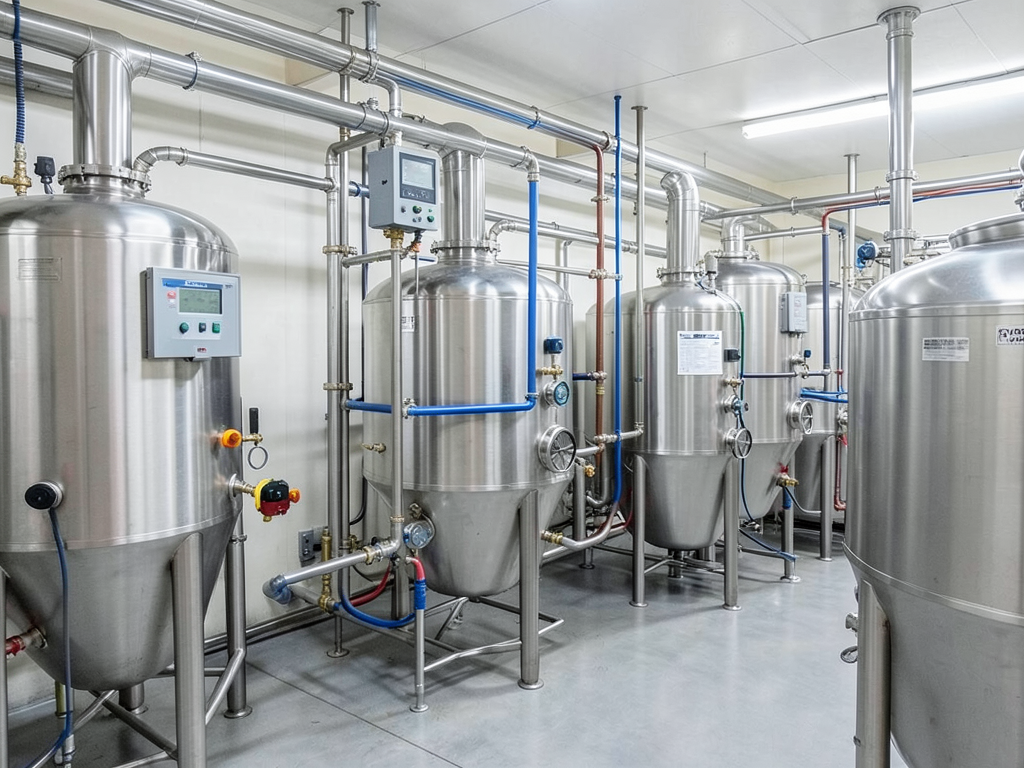
Glycol Chiller Systems for Fermentation Control
Glycol chillers represent the heart of brewery refrigeration. Unlike standard air conditioning units, these systems use propylene glycol mixed with water to achieve temperatures well below freezing without ice formation. The glycol solution circulates through jacketed fermentation tanks maintaining precise temperatures between 50 and 70 degrees Fahrenheit depending on the beer style.
Denver’s altitude affects glycol system efficiency. Lower atmospheric pressure means heat transfer occurs more slowly. Your chiller may need to run longer cycles to achieve the same cooling effect as systems at sea level. This increased runtime leads to more wear on compressors and pumps. Regular maintenance includes checking glycol concentration levels and testing for leaks in the closed-loop system.
Common failure points include pump seals wearing out from constant operation and expansion tanks developing cracks from thermal cycling. The sound of a failing glycol pump changes from a smooth hum to a grinding noise. You might notice temperature fluctuations in fermentation tanks before the system completely fails. Catching these early warning signs prevents batch loss.
Glycol lines run through production floors in RiNo’s converted warehouses where temperatures can exceed 90 degrees during summer brewing. Insulation on these lines prevents condensation and maintains system efficiency. UV exposure from skylights degrades insulation over time requiring replacement every few years. Repair vs. Replace AC Guide.
CO2 Monitoring and Safety Ventilation Requirements
Breweries produce significant amounts of carbon dioxide during fermentation. CO2 displaces oxygen creating potentially dangerous conditions. Denver building codes require CO2 monitoring systems in breweries with specific alarm thresholds. The International Mechanical Code Section 513 mandates CO2 detection when fermentation tanks exceed certain volumes.
CO2 sensors should be placed at multiple heights throughout production areas. CO2 is heavier than air so it accumulates near floors first. Alarm set points typically trigger at 1.5% concentration with ventilation systems activating automatically. Emergency alarms sound at 3% concentration requiring immediate evacuation.
Ventilation systems must provide enough fresh air to dilute CO2 while maintaining temperature control. Make-up air units bring in outside air but this air must be conditioned before entering the building. In Denver’s climate, this means cooling hot summer air and heating cold winter air. The energy cost of ventilation can be significant.
Breweries in older South Broadway buildings often lack proper ventilation infrastructure. Retrofitting these spaces requires careful planning to avoid disrupting historic architecture. Ductwork may need to run through existing mechanical chases or be concealed in ceiling spaces.
Steam Exhaust and Make-up Air for Brewing Operations
Brewing kettles produce massive amounts of steam during the wort boiling process. This steam carries heat and moisture that must be removed to prevent condensation damage and maintain worker comfort. Standard kitchen hoods cannot handle the volume of steam from commercial brewing equipment. Commercial HVAC Contractors.
Make-up air units replace the air exhausted by steam hoods. These units must heat incoming air to prevent cold drafts in winter. The temperature differential between inside and outside air in Denver can exceed 80 degrees. Make-up air units need heating capacity to handle these extreme conditions.
Steam exhaust systems require regular cleaning to prevent grease and mineral buildup. The sound of restricted airflow through dirty filters indicates maintenance is needed. Pressure differentials across exhaust hoods affect capture efficiency. Proper balancing ensures steam is removed at the source rather than spreading through the building.
Breweries in RiNo’s mixed-use buildings must consider noise from exhaust fans. Vibration isolation and sound attenuation become important design factors. The rumble of large fans can disturb residential neighbors if not properly isolated.
Walk-in Cooler and Keg Storage Refrigeration
Finished beer requires precise storage conditions. Walk-in coolers maintain temperatures between 34 and 38 degrees Fahrenheit for most beer styles. Temperature consistency affects carbonation levels and prevents freezing. Even small temperature swings cause CO2 to come out of solution affecting beer quality. The Best Swamp Cooler Service and Startup in Denver and Arvada.
Denver’s low humidity affects cooler operation. Dry air increases evaporation from beer surfaces. This evaporation concentrates flavors and affects carbonation. Coolers may need humidification systems to maintain proper storage conditions. The sound of humidifiers cycling indicates active moisture management.
Keg storage areas require different temperature zones for different beer styles. Some specialty beers need warmer storage around 55 degrees. Multiple cooling zones increase system complexity and energy consumption. Each zone needs independent temperature control and monitoring.
Walk-in doors in high-traffic areas experience frequent opening and closing. This air exchange loads down refrigeration systems. Strip curtains or air curtains reduce energy waste but require regular replacement as they wear out. The whoosh of air curtains indicates proper operation.
Taproom Comfort and Customer Experience
Taproom environments differ significantly from production areas. Customers expect comfortable temperatures around 72 degrees with proper humidity levels. High ceilings common in RiNo’s industrial buildings create stratification challenges. Warm air rises leaving floors cooler than desired.
Kitchen equipment in taprooms adds heat loads that must be removed. Pizza ovens, fryers, and dishwashers generate significant heat. Ventilation hoods remove cooking odors and heat but also remove conditioned air. Make-up air for kitchens must be carefully balanced with taproom comfort needs.
CO2 safety extends to taproom areas. Beer lines and serving equipment can release CO2 if not properly maintained. Sensors in taproom spaces provide early warning of dangerous conditions. The beep of CO2 alarms indicates active monitoring.
Noise from HVAC equipment affects customer experience. Quiet operation becomes a priority in taproom design. Variable speed fans and sound attenuation reduce noise levels. The hum of properly operating equipment should be barely noticeable.
Preventative Maintenance for 24/7 Production Cycles
Brewery HVAC systems operate continuously to maintain fermentation temperatures and product storage conditions. This constant operation accelerates wear on components. Pumps, compressors, and fans need more frequent maintenance than standard commercial systems.
Seasonal maintenance becomes critical in Denver’s climate. Summer cooling demands increase while winter heating needs change. Systems must transition smoothly between seasons. The click of reversing valves indicates seasonal mode changes.
Filter replacement schedules need adjustment for brewery environments. Grain dust and hop particles clog filters faster than typical commercial spaces. Pressure drops across filters indicate replacement needs. The whistle of restricted airflow signals dirty filters.
Condenser coils in glycol systems accumulate debris from production areas. Cleaning schedules must account for brewing schedules to avoid production disruptions. The spray of coil cleaning solutions indicates active maintenance.
Emergency Response and System Redundancy
Brewery HVAC emergencies require immediate response. Fermentation temperature drift of just a few degrees can ruin a batch. Emergency service calls need guaranteed response times under two hours for critical systems.
Redundant systems provide backup during failures. Critical fermentation tanks may have backup glycol pumps or portable cooling units. The sound of backup systems activating indicates primary system failure.
Remote monitoring allows early detection of problems. Temperature sensors and pressure transducers feed data to monitoring systems. Alerts notify technicians of developing issues before failures occur. The ping of alert notifications indicates active monitoring.
Emergency power systems keep critical equipment running during outages. Battery backups maintain monitoring while generators power essential systems. The roar of generators starting indicates power failure.
Energy Efficiency and Cost Management
Brewery HVAC systems represent significant energy expenses. High-efficiency equipment reduces operating costs but requires higher upfront investment. Payback periods depend on local utility rates and system usage patterns.
Heat recovery systems capture waste heat from brewing processes. This heat preheats water for the next batch or provides building heating. The whoosh of heat recovery fans indicates active energy recovery.
Variable frequency drives on pumps and fans reduce energy consumption during partial load conditions. These drives adjust motor speeds based on demand rather than cycling on and off. The smooth ramp-up of VFDs indicates efficient operation.
Building automation systems optimize equipment scheduling. Systems can reduce cooling during unoccupied periods while maintaining critical temperature requirements. The click of relay contacts indicates mode changes.
Denver Building Code Compliance for Breweries
Denver’s mechanical code includes specific requirements for brewery ventilation and refrigeration. The Denver Green Building Ordinance affects new construction and major renovations. Compliance requires documentation of system designs and operational procedures.
Fire code requirements address flammable alcohol storage and high-temperature processes. Sprinkler systems must account for brewing equipment heights and configurations. The hiss of sprinkler flow tests indicates system readiness.
Health department regulations affect refrigeration temperatures and sanitation procedures. Temperature logging and alarm systems provide required documentation. The beep of temperature loggers indicates active recording.
Noise ordinances affect equipment placement and operation times. Sound level measurements may be required for rooftop equipment. The buzz of sound level meters indicates compliance testing.
Specialized Training and Certification
Brewery HVAC technicians need specialized knowledge beyond standard HVAC training. Understanding fermentation science helps diagnose temperature control issues. Knowledge of brewing processes guides system design and maintenance.
NATE certification provides baseline competency but brewery work requires additional expertise. Training in glycol systems, CO2 safety, and brewing processes becomes essential. The weight of certification documents indicates completed training.
Ongoing education keeps technicians current with evolving brewing technologies. New equipment and processes require continuous learning. The flip of training manual pages indicates active study.
Brewery owners should verify technician qualifications before hiring. Experience with similar facilities provides confidence in system reliability. The handshake of experienced technicians indicates professional relationships.
Cost Factors and Investment Considerations
Brewery HVAC systems require larger capacity than standard commercial buildings. Initial costs run 30-50% higher than conventional systems. This investment pays off through improved product quality and reduced energy costs.
Operating costs depend on system efficiency and local utility rates. Denver’s Xcel Energy rates affect monthly expenses. The flip of utility bills indicates active cost tracking.
Maintenance contracts provide predictable expenses and priority service. Regular maintenance prevents costly emergency repairs. The signature on service agreements indicates active relationships. Fast AC Repair Services in Aurora for When the Summer Heat Hits.
Energy rebates may offset some equipment costs. Utility programs offer incentives for high-efficiency systems. The processing of rebate applications indicates active cost management.
Choosing the Right HVAC Partner for Your Brewery
Brewery HVAC requires specialized expertise not found in general commercial contractors. Look for companies with specific brewery experience and proper certifications. References from other breweries provide confidence in capabilities.
Emergency response capabilities become critical for brewery operations. 24/7 availability and guaranteed response times protect your investment. The ring of emergency phones indicates active service.
Maintenance programs should include regular inspections and priority service. Preventative maintenance reduces emergency calls and extends equipment life. The scheduling of maintenance visits indicates active relationships.
Communication skills matter in brewery environments. Technicians must coordinate with brewing staff and understand production schedules. The conversation between technicians and brewers indicates collaborative relationships.
Future Trends in Brewery HVAC Technology
Brewery HVAC continues evolving with new technologies. Smart controls provide remote monitoring and predictive maintenance capabilities. The glow of control panels indicates active monitoring.
Energy storage systems help manage peak demand charges. Battery systems provide backup power while reducing utility costs. The hum of battery systems indicates active energy management.
Water conservation becomes increasingly important in brewing. HVAC systems can recover and reuse process water. The flow of recycled water indicates active conservation.
Indoor air quality monitoring expands beyond CO2 to include volatile organic compounds. Advanced sensors detect brewing process emissions. The display of air quality readings indicates active monitoring.
Frequently Asked Questions
How often should brewery HVAC systems be serviced?
Brewery HVAC systems need quarterly maintenance at minimum. Critical systems like glycol chillers require monthly inspections. Denver’s climate and continuous operation accelerate wear requiring more frequent service than standard commercial buildings.
What makes brewery HVAC different from standard commercial HVAC?
Brewery HVAC handles extreme temperature precision for fermentation, manages CO2 safety, and deals with high humidity from brewing processes. Standard commercial systems cannot maintain the narrow temperature bands required for quality beer production.
How much does brewery HVAC maintenance cost in Denver?
Maintenance contracts for brewery HVAC typically range from $500 to $1,500 monthly depending on system size and complexity. This includes regular inspections, filter changes, and priority emergency service. The investment protects against costly production losses.
Can existing commercial HVAC systems be modified for brewery use?
Some existing systems can be modified but most breweries require purpose-built solutions. Glycol systems, CO2 monitoring, and specialized ventilation often need complete replacement rather than modification of standard commercial equipment.
What emergency response times should I expect from brewery HVAC services?
Critical brewery HVAC emergencies require response within two hours. Fermentation temperature drift can ruin batches in under four hours. Make sure your service provider guarantees rapid response for production-critical systems.

Protect Your Brewery Investment Today
Your brewery represents years of hard work and significant financial investment. The HVAC system protecting that investment needs specialized expertise and rapid emergency response. Don’t wait for a system failure to ruin your next batch of beer.
Call (720) 502-9511 today to schedule a brewery HVAC assessment. Our technicians understand the unique challenges of RiNo and South Broadway brewery environments. We provide 24/7 emergency service with guaranteed response times to protect your production schedule.
Pick up the phone and call (720) 502-9511 before the next brewing cycle starts. Your beer quality depends on reliable temperature control and proper ventilation. Let our brewery HVAC specialists help you maintain consistent product quality and protect your business investment. For more information, visit ASHRAE brewery HVAC standards.