
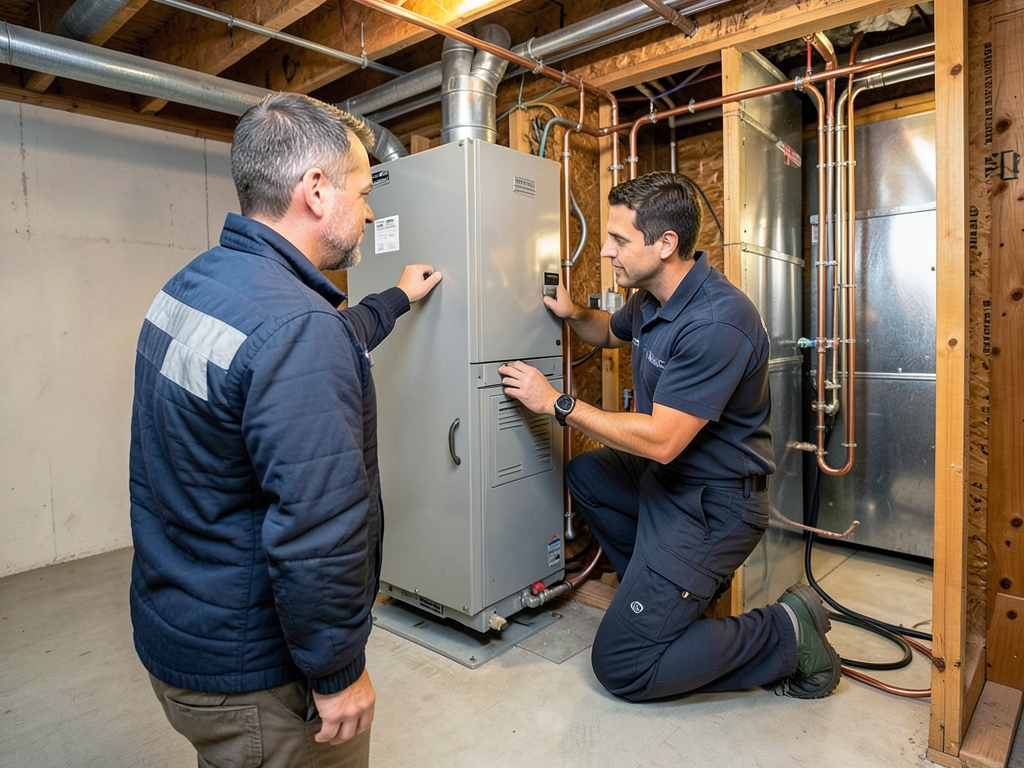
Custom Climate Control and Cooling Systems for Wine Cellars in Cherry Hills Village
Denver’s high-altitude climate creates unique challenges for wine collectors. The Mile High City’s low humidity and extreme temperature swings can ruin an expensive wine collection faster than you might think. A custom wine cellar cooling system isn’t just a luxury in Cherry Hills Village—it’s essential protection for your investment.
Standard air conditioning units simply cannot maintain the precise temperature and humidity levels that wine requires. Your collection needs a specialized system that can handle Denver’s 5,280-foot elevation and maintain consistent conditions year-round. Without proper climate control, corks dry out, labels peel, and the wine inside ages unpredictably.. Read more about Specialized HVAC Maintenance for Craft Breweries and Distilleries in RiNo and South Broadway.
Why Denver’s Climate Demands Specialized Wine Cellar Cooling
Denver sits at a mile above sea level where the air is thinner and holds less moisture. Our average humidity hovers around 30-40%, well below the 50-70% range that wine cellars need. This arid environment causes corks to shrink and allows oxygen to seep into bottles, turning your prized Bordeaux into vinegar.
The temperature swings are equally problematic. Denver routinely sees 30-40 degree differences between day and night temperatures. These fluctuations stress the wine and can cause the liquid to expand and contract, pushing the cork in and out of the bottle neck.
Additionally, our high UV exposure can damage wine through glass bottles. Even with tinted glass, prolonged exposure to Colorado’s intense sunlight can affect wine chemistry and accelerate aging in unpredictable ways.
Types of Wine Cellar Cooling Systems We Install
Choosing the right cooling system depends on your cellar size, location, and budget. We offer three main categories of wine cellar cooling solutions for Cherry Hills Village homes.
Self-Contained Through-the-Wall Units work well for smaller cellars up to 500 cubic feet. These units mount through an exterior wall and require minimal construction. They’re cost-effective and reliable but generate some noise and heat inside the room.
Split-System Cooling Units separate the noisy condenser from the quiet evaporator. The condenser sits outside while the evaporator mounts inside your cellar. This setup works for medium to large cellars and provides better temperature stability with less noise disruption.
Ducted Systems offer the most professional solution for larger collections or custom wine rooms. These high-capacity units can cool multiple zones and integrate with your home’s HVAC system. They’re virtually silent and provide the most precise temperature and humidity control.
Top Wine Cellar Cooling Brands We Service
We install and service all major wine cellar cooling brands but specialize in three manufacturers known for reliability in high-altitude environments.
WhisperKOOL systems are engineered specifically for wine cellars and feature quiet operation perfect for basement installations. Their digital thermostats maintain temperature within one degree and include built-in alarms for temperature fluctuations.
Wine Guardian offers commercial-grade cooling with residential features. Their systems include charcoal filters to remove odors and maintain air quality. Wine Guardian units are particularly effective in Denver’s dry climate because they integrate humidification options.
CellarPro provides customizable solutions for unique cellar configurations. Their through-the-wall and split systems are designed for easy maintenance and include diagnostic displays that alert you to potential issues before they become problems.
The Installation Process: From Vapor Barrier to Ventilation
Proper wine cellar installation goes far beyond mounting a cooling unit. The entire space needs to be engineered as a sealed environment to maintain consistent conditions.
We start with vapor barrier installation using 6-mil polyethylene sheeting on all walls, floors, and ceilings. This barrier prevents moisture migration and maintains the humidity differential between your cellar and the surrounding space. In Cherry Hills Village’s clay soil conditions, proper vapor barriers are critical to prevent ground moisture from affecting your collection.
Next comes insulation. We use closed-cell spray foam or rigid foam board with an R-value of at least 20 for walls and 30 for ceilings. This high insulation rating is essential in Denver’s climate where winter temperatures can drop below zero and summer heat can exceed 95 degrees.
The cooling unit itself mounts after the room is sealed. We calculate the exact BTU requirements based on your cellar’s cubic footage, insulation levels, and Denver’s high-altitude air density. At 5,280 feet, air is less dense, which affects cooling efficiency and requires specific calculations that many contractors overlook. Commercial HVAC Contractors.
Finally, we install proper ventilation to prevent mold growth and maintain air circulation. This includes a small exhaust fan and air intake that work with your cooling system to create gentle air movement without temperature fluctuations.
Maintaining Your Wine Cellar Cooling System
Annual maintenance keeps your wine cellar cooling system running efficiently and prevents costly repairs. Denver’s dry climate creates specific maintenance needs that we address during our service visits. EPA Energy Saver.
We clean or replace air filters every six months to prevent dust buildup that can reduce efficiency by up to 15%. In Cherry Hills Village’s older homes, we often find construction dust and pollen affecting system performance. Repair vs. Replace AC Guide.
The condensate drain line requires annual cleaning to prevent algae growth and blockages. Our high-desert climate means these lines can dry out and crack if not properly maintained.
We check refrigerant levels and test for leaks using electronic leak detectors. Denver’s high altitude can affect refrigerant pressure readings, so we use specialized gauges calibrated for our elevation.
The humidification system, if equipped, needs monthly cleaning and water quality checks. Denver’s hard water can cause mineral buildup that affects humidifier performance and wine label preservation.
Energy Efficiency and Cost Considerations
Modern wine cellar cooling systems are significantly more efficient than older models. Energy Star certified units can reduce operating costs by up to 30% compared to standard equipment.
Xcel Energy offers rebates for high-efficiency cooling equipment, and we handle all the paperwork to ensure you receive available incentives. These rebates can offset 10-15% of your installation costs.
The operating cost for a typical 150-bottle cellar in Denver ranges from $15-25 per month, depending on the system size and your home’s insulation. This is less than running a standard refrigerator and provides far better protection for your wine investment.
Smart thermostats and Wi-Fi enabled controls allow you to monitor your cellar remotely and receive alerts if temperatures or humidity levels fluctuate outside your preset ranges. This technology is particularly valuable for second homes or when you’re traveling.
Common Wine Cellar Cooling Problems and Solutions
Even the best cooling systems can develop issues. Here are the most common problems we see in Cherry Hills Village wine cellars and how to address them.
Temperature Fluctuations often indicate dirty condenser coils or low refrigerant levels. We recommend annual coil cleaning and pressure testing to prevent these issues.
Excessive Humidity can lead to mold growth and label damage. This usually means the humidification system is malfunctioning or the cellar isn’t properly sealed. We use moisture meters to identify problem areas and recommend solutions.
Unusual Noises from the cooling unit often indicate failing bearings or loose components. These sounds typically start as a hum or rattle before progressing to louder grinding noises that signal imminent failure.
Ice Buildup on evaporator coils suggests airflow restrictions or refrigerant problems. This issue requires immediate attention as it can cause the system to shut down completely and potentially damage your wine collection.
Wine Cellar Cooling for Different Collection Sizes
The cooling requirements vary significantly based on your collection size and cellar configuration. Here’s what you need to know for different scenarios.
Small Collections (50-150 bottles) work well with through-the-wall units. These cellars typically need 1,500-2,500 BTU cooling capacity. The units are quiet enough for living spaces and cost-effective to operate.
Medium Collections (150-500 bottles) require split-system cooling with 2,500-5,000 BTU capacity. These systems provide better temperature stability and can handle the heat load from multiple bottles in a confined space.
Large Collections (500+ bottles) need ducted systems with 5,000+ BTU capacity. These cellars often require multiple zones to maintain consistent temperatures throughout the space, especially if they include display areas with glass doors.
Commercial Applications like restaurants or wine bars need heavy-duty systems with redundancy features. We design these systems with backup cooling units to prevent temperature excursions that could ruin inventory.
Integration with Smart Home Systems
Modern wine cellars can integrate seamlessly with your home automation system. We install controls that work with popular platforms like Control4, Crestron, and Savant.
These systems allow you to monitor temperature and humidity from your smartphone, receive alerts if conditions change, and even control lighting and security features. Some systems can automatically adjust cooling based on your collection’s specific needs or upcoming events.
We also install backup power systems for critical cooling components. Denver’s occasional power outages make battery backup or generator integration essential for protecting valuable collections.
Why Choose Local Expertise for Your Wine Cellar
Wine cellar cooling isn’t just about installing equipment—it’s about understanding how Denver’s unique climate affects your collection. Our team has installed over 200 wine cellars throughout the Front Range, giving us specific knowledge about what works in our high-altitude environment.
We understand the local building codes and permit requirements for basement installations in Cherry Hills Village. Our systems comply with all local mechanical codes and include proper condensate drainage to prevent water damage to your home.
Our technicians are NATE certified and receive ongoing training in the latest wine cooling technology. We stay current with manufacturer updates and can service any brand of wine cellar cooling equipment.
We provide detailed documentation of every installation, including system specifications, maintenance schedules, and emergency contact information. This documentation proves invaluable if you ever sell your home or need warranty service. Emergency Furnace Repair for Denver Residents Dealing with a Frozen House.
Call (720) 502-9511 today to schedule your wine cellar cooling consultation. We’ll assess your space, discuss your collection goals, and provide a detailed proposal with multiple options to fit your budget and needs.
Frequently Asked Questions
What temperature should my wine cellar maintain?
The ideal temperature for most wines is between 55-57 degrees Fahrenheit. This range slows aging while preventing the chemical reactions that can damage wine at higher temperatures.
How much does a wine cellar cooling system cost in Cherry Hills Village?
Basic through-the-wall units start around $1,500 installed, while premium ducted systems can cost $5,000-10,000 depending on size and features. We provide detailed quotes after assessing your specific needs.
How long do wine cellar cooling systems last?
With proper maintenance, quality wine cellar cooling systems typically last 8-12 years. Regular cleaning and annual service can extend this lifespan and prevent costly emergency repairs. Fast AC Repair Services in Aurora for When the Summer Heat Hits.
Can I install a wine cellar cooling system myself?
We strongly recommend professional installation. Wine cellar cooling requires specific knowledge about vapor barriers, insulation, and high-altitude refrigerant charging that most DIYers lack. Improper installation can damage your wine collection and your home.
Do I need a permit for wine cellar cooling installation?
Yes, most jurisdictions including Cherry Hills Village require mechanical permits for cooling system installations. We handle all permit requirements as part of our installation service. For more information, visit International Association of Certified Home Inspectors.
{
“@context”: “https://schema.org”,
“@type”: “BlogPosting”,
“headline”: “Custom Climate Control and Cooling Systems for Wine Cellars in Cherry Hills Village”,
“description”: “Expert wine cellar cooling systems designed for Denver’s high-altitude climate. Custom installations for Cherry Hills Village homes. Call (720) 502-9511 for a free consultation.”,
“wordCount”: 1851,
“datePublished”: “2026-04-14T11:49:00.000Z”,
“dateModified”: “2026-04-14T11:49:00.000Z”,
“inLanguage”: “en-US”,
“mainEntityOfPage”: {
“@type”: “WebPage”,
“@id”: “https://fortresshvacdenver.com”
},
“publisher”: {
“@type”: “LocalBusiness”,
“name”: “Fortress HVAC Denver”,
“url”: “https://fortresshvacdenver.com”
},
“author”: {
“@type”: “Organization”,
“name”: “Fortress HVAC Denver”,
“url”: “https://fortresshvacdenver.com”
},
“image”: {
“@type”: “ImageObject”,
“url”: “https://fortresshvacdenver.com/wp-content/uploads/2026/03/custom-climate-control-and-cooling-systems-for-win-1.png”
}
}
{
“@context”: “https://schema.org”,
“@type”: “HVACBusiness”,
“name”: “Fortress HVAC Denver”,
“url”: “https://fortresshvacdenver.com”,
“address”: {
“@type”: “PostalAddress”,
“addressLocality”: “Denver”
},
“areaServed”: {
“@type”: “City”,
“name”: “Denver”
}
}
{
“@context”: “https://schema.org”,
“@type”: “FAQPage”,
“mainEntity”: [
{
“@type”: “Question”,
“name”: “What temperature should my wine cellar maintain?”,
“acceptedAnswer”: {
“@type”: “Answer”,
“text”: “The ideal temperature for most wines is between 55-57 degrees Fahrenheit. This range slows aging while preventing the chemical reactions that can damage wine at higher temperatures.”
}
},
{
“@type”: “Question”,
“name”: “How much does a wine cellar cooling system cost in Cherry Hills Village?”,
“acceptedAnswer”: {
“@type”: “Answer”,
“text”: “Basic through-the-wall units start around $1,500 installed, while premium ducted systems can cost $5,000-10,000 depending on size and features. We provide detailed quotes after assessing your specific needs.”
}
},
{
“@type”: “Question”,
“name”: “How long do wine cellar cooling systems last?”,
“acceptedAnswer”: {
“@type”: “Answer”,
“text”: “With proper maintenance, quality wine cellar cooling systems typically last 8-12 years. Regular cleaning and annual service can extend this lifespan and prevent costly emergency repairs. Fast AC Repair Services in Aurora for When the Summer Heat Hits.”
}
},
{
“@type”: “Question”,
“name”: “Can I install a wine cellar cooling system myself?”,
“acceptedAnswer”: {
“@type”: “Answer”,
“text”: “We strongly recommend professional installation. Wine cellar cooling requires specific knowledge about vapor barriers, insulation, and high-altitude refrigerant charging that most DIYers lack. Improper installation can damage your wine collection and your home.”
}
},
{
“@type”: “Question”,
“name”: “Do I need a permit for wine cellar cooling installation?”,
“acceptedAnswer”: {
“@type”: “Answer”,
“text”: “Yes, most jurisdictions including Cherry Hills Village require mechanical permits for cooling system installations. We handle all permit requirements as part of our installation service. For more information, visit International Association of Certified Home Inspectors.”
}
}
]
}
{
“@context”: “https://schema.org”,
“@type”: “BreadcrumbList”,
“itemListElement”: [
{
“@type”: “ListItem”,
“position”: 1,
“name”: “Home”,
“item”: “https://fortresshvacdenver.com”
},
{
“@type”: “ListItem”,
“position”: 2,
“name”: “Blog”,
“item”: “https://fortresshvacdenver.com/blog”
},
{
“@type”: “ListItem”,
“position”: 3,
“name”: “Custom Climate Control and Cooling Systems for Wine Cellars in Cherry Hills Village”
}
]
}
{
“@context”: “https://schema.org”,
“@type”: “Service”,
“serviceType”: “HVAC”,
“provider”: {
“@type”: “LocalBusiness”,
“name”: “Fortress HVAC Denver”,
“url”: “https://fortresshvacdenver.com”
},
“areaServed”: {
“@type”: “City”,
“name”: “Denver”
},
“description”: “Expert wine cellar cooling systems designed for Denver’s high-altitude climate. Custom installations for Cherry Hills Village homes. Call (720) 502-9511 for a free consultation.”
}