Understanding How Hard Denver Water Affects Your Boiler and Radiators in Mayfair
Denver’s hard water creates a hidden threat to your Mayfair home’s heating system. The mineral-rich water flowing through your pipes leaves behind calcium and magnesium deposits that silently damage your boiler and radiators. These deposits build up as scale inside heat exchangers reducing efficiency and eventually causing system failure. Denver Water Department water quality reports.
Mayfair residents experience some of Denver’s hardest water due to the neighborhood’s location relative to the city’s water treatment facilities. The water traveling through Mayfair’s older pipes already contains dissolved minerals that continue to concentrate as it cycles through your heating system.
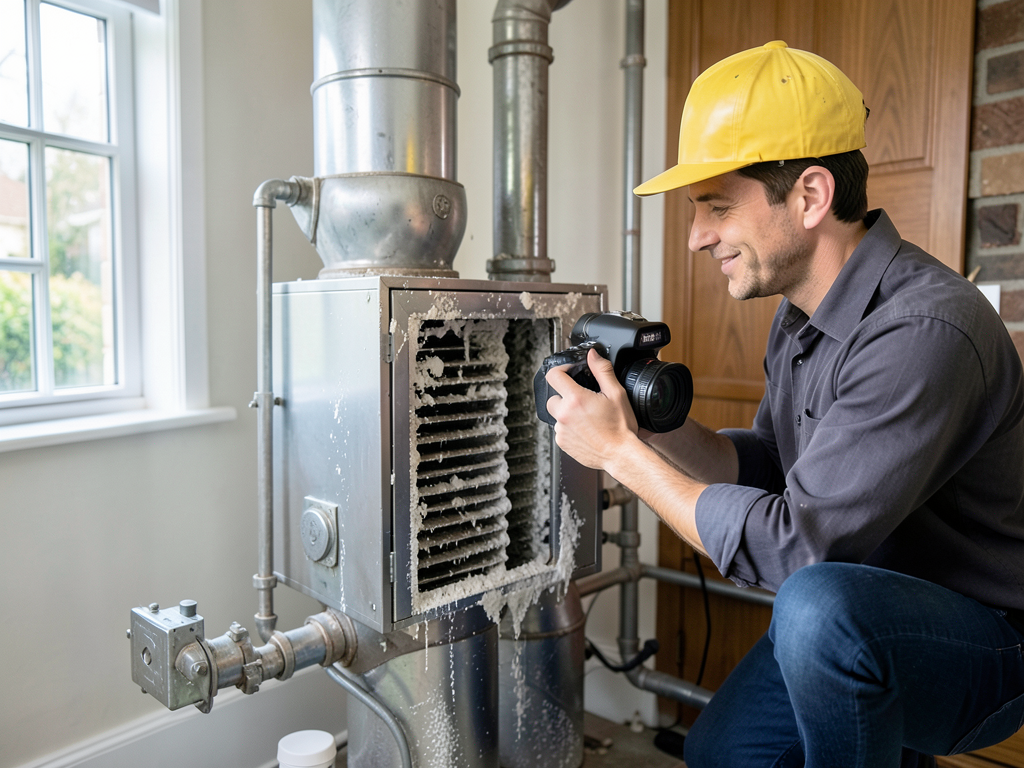
Scale acts like an insulating blanket inside your boiler preventing efficient heat transfer. Your system works harder to achieve the same temperature forcing energy bills higher and components to wear out faster. A 1/8 inch layer of scale can reduce heating efficiency by up to 20 percent according to the Department of Energy. Department of Energy boiler efficiency guide.
Hard water affects radiators too. Scale buildup in radiator valves and pipes restricts water flow creating cold spots and uneven heating throughout your home. You might notice certain rooms stay chilly while others overheat as your system struggles to maintain consistent temperatures.
The combination of Denver’s high altitude and hard water creates unique challenges for Mayfair homeowners. Lower atmospheric pressure at elevation affects how minerals precipitate out of water making scale formation more aggressive in our region than at sea level.
Understanding these effects helps you recognize when your system needs professional attention. Early intervention prevents costly emergency repairs and extends the life of your heating equipment. Emergency Furnace Repair for Denver Residents Dealing with a Frozen House.
5 Warning Signs Your Boiler Has Scale Buildup
Your heating system communicates problems through specific symptoms. Learning to recognize these signs helps you address scale issues before they cause major damage.
Kettling sounds rank as the most common indicator. You hear banging rumbling or whistling noises from your boiler as steam bubbles form and collapse under scale layers. This sound resembles a boiling kettle which gives the condition its name.
Uneven heating patterns develop as scale restricts water flow through radiators. Some rooms feel cold while others become uncomfortably warm. You might need to bleed radiators more frequently as trapped air accumulates in scaled pipes.
Increased energy bills signal your system works harder to compensate for scale’s insulating effect. You notice heating costs rise even when outdoor temperatures remain stable. The boiler runs longer cycles trying to reach set temperatures.
Frequent cycling occurs when the boiler overheats due to restricted heat transfer. The system shuts down to prevent damage then restarts once cooled. This on-off pattern wastes energy and stresses components.
Pressure relief valve leaks indicate excessive system pressure from scale blockages. You might notice water dripping from the pressure relief valve or pooling around your boiler base. This represents a safety concern requiring immediate attention.
Recognizing these symptoms early helps prevent complete system failure. Many Mayfair homeowners wait until their boiler stops working entirely before seeking help which leads to emergency service calls and higher repair costs. Fast AC Repair Services in Aurora for When the Summer Heat Hits.
The Science Behind Denver’s Hard Water Impact
Denver’s water contains 5 to 10 grains per gallon of hardness depending on the source and season. Mayfair’s water typically measures toward the higher end of this range due to the neighborhood’s position in the city’s water distribution network.
Calcium carbonate forms when hard water is heated. The minerals precipitate out of solution creating scale deposits on heat exchanger surfaces. At Denver’s elevation water boils at approximately 202 degrees Fahrenheit which slightly alters mineral precipitation patterns compared to sea level.
The chemical reaction accelerates in heating systems because temperature increases solubility limits. As water temperature rises dissolved calcium transitions from solution to solid state forming crystalline deposits. These crystals adhere to metal surfaces creating insulating layers.
Mayfair’s older homes face additional challenges. Galvanized steel pipes common in homes built before 1960 corrode internally creating rough surfaces where scale adheres more readily. The combination of rough pipe interiors and hard water accelerates mineral buildup.
Water velocity affects scale formation. Areas with turbulent flow or direction changes experience faster deposition. Boiler heat exchangers with complex water paths develop scale in specific zones while other areas remain relatively clear.. Read more about Steam Boiler Repair and Radiator Maintenance for Historic Mansions in Country Club.
pH levels influence scale formation rates. Denver’s water typically maintains neutral pH but slight variations affect mineral solubility. Lower pH slightly reduces scale formation while higher pH accelerates it. Mayfair’s water chemistry varies seasonally based on mountain runoff patterns.
Understanding these factors helps explain why some homes experience severe scaling while others remain relatively unaffected. Water chemistry temperature and system design all contribute to scale formation rates.
Hidden Dangers of Ignoring Scale Buildup
Scale damage extends beyond reduced efficiency. The insulating effect forces boilers to operate at higher temperatures increasing thermal stress on components. Heat exchangers crack when metal expands and contracts under extreme temperature cycling.
Scale accumulation reduces available water volume in your system. This affects circulation causing some radiators to receive insufficient hot water. You experience cold spots and rooms that never reach comfortable temperatures despite your boiler running continuously.
Energy waste compounds over time. A boiler with moderate scale buildup uses 15 to 20 percent more fuel than a clean system. Over a single heating season this excess consumption adds hundreds of dollars to utility bills while increasing your carbon footprint.
System lifespan shortens dramatically with unchecked scale. Heat exchangers typically last 15 to 20 years in clean systems but may fail in as little as 5 to 7 years with severe scaling. Replacement costs often exceed $2000 for standard residential units. Repair vs. Replace AC Guide.
Safety risks increase as scale interferes with pressure relief mechanisms. Blocked pressure relief valves cannot vent excess pressure creating explosion hazards. The Uniform Plumbing Code requires functional pressure relief systems to prevent catastrophic failures.
Scale particles break loose and circulate through your system causing abrasive damage to pumps valves and other components. These circulating particles score bearing surfaces and erode seals leading to leaks and premature failures.
Complete system failure often occurs during peak demand periods. Your boiler fails when you need heat most likely on the coldest night of the year or during holiday gatherings. Emergency service calls during these times cost significantly more than scheduled maintenance.
Professional Solutions for Scale Problems
Professional descaling removes existing buildup and restores system efficiency. Technicians use acid-based solutions specifically formulated for heating systems. These chemicals dissolve calcium carbonate without damaging metal components when applied correctly.
Power flushing represents the most thorough cleaning method. Technicians connect specialized equipment that circulates cleaning solution through your entire system at high velocity. This process dislodges stubborn scale deposits and flushes debris from pipes and radiators.
Magnetic filters capture metallic particles that contribute to scale formation. These devices install on the return line and trap iron oxide and other debris before it can circulate through your boiler. Clean systems resist scale formation more effectively than contaminated ones.
Water softening systems prevent future scale accumulation. These units replace calcium and magnesium ions with sodium or potassium ions before water enters your heating system. Softened water cannot form scale deposits even when heated to high temperatures.
Anode rod inspection and replacement protect your boiler’s internal components. These sacrificial rods attract corrosive elements preventing damage to the heat exchanger. Deteriorated anode rods accelerate scale formation and component wear.
System pressure testing identifies hidden leaks that introduce fresh hard water into your closed loop. Even small leaks continuously add minerals that concentrate through evaporation and heating cycles. Repairing leaks stops this ongoing contamination.
Professional maintenance includes chemical analysis of your system water. Technicians test for mineral content pH and dissolved oxygen levels. This data guides treatment recommendations and helps predict future scaling potential.
Protecting Your Mayfair Heating System
Mayfair’s specific conditions require targeted protection strategies. The neighborhood’s elevation and water chemistry create unique challenges that standard approaches may not fully address.
Annual professional inspections catch scale problems early. Technicians measure stack temperature which indicates heat exchanger efficiency. Rising stack temperatures suggest insulating scale layers are forming inside your boiler.
Water treatment customization matters in Mayfair. Generic scale inhibitors may not perform optimally with our local water chemistry. Professional testing determines which treatment chemicals work best for your specific conditions.
System design modifications can reduce scale formation. Technicians might recommend rerouting pipes to minimize direction changes or installing larger diameter pipes to reduce water velocity. These changes decrease turbulence where scale forms most rapidly.
Temperature management helps control scale. Setting your boiler to operate at the lowest effective temperature reduces mineral precipitation rates. Modern modulating boilers adjust output based on demand rather than running at full capacity continuously.
Air elimination prevents oxygen-related corrosion that accelerates scale formation. Automatic air vents remove dissolved gases that contribute to both corrosion and scale. Deaerated water resists both problems more effectively than standard municipal water.
Monitoring system performance helps detect developing issues. Smart thermostats and boiler monitors track run times temperatures and energy consumption. Unusual patterns often indicate developing scale problems before symptoms become obvious.
Mayfair homeowners should consider water softening for their entire home not just the heating system. Softened water benefits all appliances including water heaters dishwashers and washing machines while protecting your boiler.
Professional Boiler Maintenance in Denver
Professional maintenance prevents scale-related failures and extends system life. Licensed technicians understand Denver’s specific water quality challenges and how they affect different boiler types and ages.
Comprehensive inspections include combustion analysis to verify burner efficiency. Poor combustion creates soot and acids that accelerate corrosion and scale formation. Technicians adjust gas pressure and air mixture to optimize burning conditions.
Safety controls receive priority attention during maintenance. Pressure relief valves expansion tanks and high-limit switches protect against catastrophic failures. These components require testing and adjustment to function properly with scaled systems.
Documentation helps track system condition over time. Technicians record pressure readings temperatures and chemical analysis results. This data reveals trends indicating developing problems before they cause failures.
Emergency response capabilities matter when scale problems cause sudden failures. Professional service providers maintain 24/7 availability for heating emergencies. Quick response prevents frozen pipes and property damage during Denver’s cold winters.
Energy efficiency improvements often pay for maintenance through utility savings. A properly maintained boiler with scale prevention measures uses significantly less fuel than neglected systems. Many homeowners recoup annual service costs through reduced energy bills.
Professional expertise helps you make informed decisions about repairs versus replacement. Technicians provide honest assessments of your system’s condition and expected remaining life. This guidance prevents throwing money at failing equipment.
Call (720) 502-9511 today to schedule your boiler inspection. Our technicians understand Mayfair’s unique water quality challenges and how to protect your heating system from scale damage. Don’t wait for emergency failure to discover your boiler needs attention.
Frequently Asked Questions
How often should I have my boiler inspected for scale buildup?
Annual professional inspection helps catch scale problems early. Homes with extremely hard water or older systems may benefit from twice-yearly checks. Spring inspections identify winter damage while fall service prepares your system for the heating season.
Can I use over-the-counter scale removers in my boiler?
Consumer scale removers often damage heating system components. These products may not fully dissolve scale and can leave harmful residues. Professional descaling uses specifically formulated chemicals applied with proper equipment to ensure complete removal without system damage.
How much does professional descaling cost in Denver?
Professional descaling typically costs $300 to $800 depending on system size and scale severity. Power flushing with chemical treatment ranges from $500 to $1200. These services often pay for themselves through energy savings within one heating season.
Will a water softener eliminate all scale problems?
Water softeners significantly reduce but may not completely eliminate scale in some systems. Existing scale requires removal through descaling procedures. Softeners prevent new scale formation but cannot dissolve existing deposits without chemical treatment.
What’s the difference between kettling and normal heating noises?
Normal heating systems produce gentle clicking or humming sounds. Kettling creates loud banging rumbling or whistling noises as steam bubbles collapse under scale layers. The sound resembles a boiling kettle and indicates restricted water flow through scaled heat exchangers.
How long does professional descaling take?
Standard chemical descaling takes 2 to 4 hours for residential systems. Power flushing requires 4 to 8 hours depending on system complexity. Your heating system operates at reduced capacity during treatment but should be fully functional within one business day.
Can scale damage be reversed completely?
Professional descaling removes most scale deposits restoring efficiency. Severely damaged components like cracked heat exchangers require replacement. Early intervention prevents irreversible damage. Regular maintenance and water treatment stop future scale formation.
Does scale affect all types of boilers equally?
High-efficiency condensing boilers show scale effects more quickly than standard units. The cooler heat exchanger surfaces in condensing boilers promote faster mineral precipitation. Traditional cast iron boilers resist scale somewhat better but still experience efficiency losses. The Best Swamp Cooler Service and Startup in Denver and Arvada.
You may also find this helpful. Why Your Arvada Swamp Cooler Smells Like Fish or Mold Every Spring.
{
“@context”: “https://schema.org”,
“@type”: “BlogPosting”,
“headline”: “Understanding How Hard Denver Water Affects Your Boiler and Radiators in Mayfair”,
“description”: “Learn how Denver’s hard water impacts your boiler and radiators in Mayfair. Discover symptoms of scale buildup and professional solutions to protect your heating system.”,
“wordCount”: 2189,
“datePublished”: “2026-04-02T08:12:00.000Z”,
“dateModified”: “2026-04-02T08:12:00.000Z”,
“inLanguage”: “en-US”,
“mainEntityOfPage”: {
“@type”: “WebPage”,
“@id”: “https://fortresshvacdenver.com”
},
“publisher”: {
“@type”: “LocalBusiness”,
“name”: “Fortress HVAC Denver”,
“url”: “https://fortresshvacdenver.com”
},
“author”: {
“@type”: “Organization”,
“name”: “Fortress HVAC Denver”,
“url”: “https://fortresshvacdenver.com”
},
“image”: {
“@type”: “ImageObject”,
“url”: “https://fortresshvacdenver.com/wp-content/uploads/2026/03/understanding-how-hard-denver-water-affects-your-b-1.png”
}
}
{
“@context”: “https://schema.org”,
“@type”: “HVACBusiness”,
“name”: “Fortress HVAC Denver”,
“url”: “https://fortresshvacdenver.com”,
“address”: {
“@type”: “PostalAddress”,
“addressLocality”: “Denver”
},
“areaServed”: {
“@type”: “City”,
“name”: “Denver”
}
}
{
“@context”: “https://schema.org”,
“@type”: “FAQPage”,
“mainEntity”: [
{
“@type”: “Question”,
“name”: “How often should I have my boiler inspected for scale buildup?”,
“acceptedAnswer”: {
“@type”: “Answer”,
“text”: “Annual professional inspection helps catch scale problems early. Homes with extremely hard water or older systems may benefit from twice-yearly checks. Spring inspections identify winter damage while fall service prepares your system for the heating season.”
}
},
{
“@type”: “Question”,
“name”: “Can I use over-the-counter scale removers in my boiler?”,
“acceptedAnswer”: {
“@type”: “Answer”,
“text”: “Consumer scale removers often damage heating system components. These products may not fully dissolve scale and can leave harmful residues. Professional descaling uses specifically formulated chemicals applied with proper equipment to ensure complete removal without system damage.”
}
},
{
“@type”: “Question”,
“name”: “How much does professional descaling cost in Denver?”,
“acceptedAnswer”: {
“@type”: “Answer”,
“text”: “Professional descaling typically costs $300 to $800 depending on system size and scale severity. Power flushing with chemical treatment ranges from $500 to $1200. These services often pay for themselves through energy savings within one heating season.”
}
},
{
“@type”: “Question”,
“name”: “Will a water softener eliminate all scale problems?”,
“acceptedAnswer”: {
“@type”: “Answer”,
“text”: “Water softeners significantly reduce but may not completely eliminate scale in some systems. Existing scale requires removal through descaling procedures. Softeners prevent new scale formation but cannot dissolve existing deposits without chemical treatment.”
}
},
{
“@type”: “Question”,
“name”: “What’s the difference between kettling and normal heating noises?”,
“acceptedAnswer”: {
“@type”: “Answer”,
“text”: “Normal heating systems produce gentle clicking or humming sounds. Kettling creates loud banging rumbling or whistling noises as steam bubbles collapse under scale layers. The sound resembles a boiling kettle and indicates restricted water flow through scaled heat exchangers.”
}
},
{
“@type”: “Question”,
“name”: “How long does professional descaling take?”,
“acceptedAnswer”: {
“@type”: “Answer”,
“text”: “Standard chemical descaling takes 2 to 4 hours for residential systems. Power flushing requires 4 to 8 hours depending on system complexity. Your heating system operates at reduced capacity during treatment but should be fully functional within one business day.”
}
},
{
“@type”: “Question”,
“name”: “Can scale damage be reversed completely?”,
“acceptedAnswer”: {
“@type”: “Answer”,
“text”: “Professional descaling removes most scale deposits restoring efficiency. Severely damaged components like cracked heat exchangers require replacement. Early intervention prevents irreversible damage. Regular maintenance and water treatment stop future scale formation.”
}
},
{
“@type”: “Question”,
“name”: “Does scale affect all types of boilers equally?”,
“acceptedAnswer”: {
“@type”: “Answer”,
“text”: “High-efficiency condensing boilers show scale effects more quickly than standard units. The cooler heat exchanger surfaces in condensing boilers promote faster mineral precipitation. Traditional cast iron boilers resist scale somewhat better but still experience efficiency losses. The Best Swamp Cooler Service and Startup in Denver and Arvada.”
}
}
]
}
{
“@context”: “https://schema.org”,
“@type”: “BreadcrumbList”,
“itemListElement”: [
{
“@type”: “ListItem”,
“position”: 1,
“name”: “Home”,
“item”: “https://fortresshvacdenver.com”
},
{
“@type”: “ListItem”,
“position”: 2,
“name”: “Blog”,
“item”: “https://fortresshvacdenver.com/blog”
},
{
“@type”: “ListItem”,
“position”: 3,
“name”: “Understanding How Hard Denver Water Affects Your Boiler and Radiators in Mayfair”
}
]
}
{
“@context”: “https://schema.org”,
“@type”: “Service”,
“serviceType”: “HVAC”,
“provider”: {
“@type”: “LocalBusiness”,
“name”: “Fortress HVAC Denver”,
“url”: “https://fortresshvacdenver.com”
},
“areaServed”: {
“@type”: “City”,
“name”: “Denver”
},
“description”: “Learn how Denver’s hard water impacts your boiler and radiators in Mayfair. Discover symptoms of scale buildup and professional solutions to protect your heating system.”
}