
Whole House Humidifier Installation to Solve Denver Dry Air Problems
Denver’s mile-high altitude and semi-arid climate create some of the driest indoor air in the country. When winter temperatures drop and furnaces run constantly, relative humidity in Denver homes often falls below 20%, causing static shocks, dry skin, respiratory irritation, and damage to wood floors and furniture. A whole-house humidifier connected to your furnace provides consistent moisture throughout every room, maintaining healthy humidity levels between 30-45% year-round. Emergency Furnace Repair for Denver Residents Dealing with a Frozen House.
Fortress Heating & Air installs Aprilaire, Honeywell, and Carrier whole-house humidification systems that integrate directly with your existing HVAC equipment. Our NATE-certified technicians calibrate each unit to Denver’s unique climate conditions, ensuring optimal performance during our extreme temperature swings. Call (720) 502-9511 today to schedule your consultation.
Why Denver Homes Need Whole-Home Humidification
Denver’s high-desert environment creates specific challenges for indoor air quality. At 5,280 feet elevation, the air holds significantly less moisture than at sea level. When cold winter air enters your home and gets heated by your furnace, the relative humidity drops even further. This creates a cascade of problems affecting your health, comfort, and home structure.. Read more about Preparing Your Golden Home for Winter with a Full HVAC Inspection.
Common symptoms of overly dry air include chronic sinus congestion, bloody noses, cracked skin, and static electricity that damages electronics. Wood furniture and flooring can develop gaps and cracks as moisture evaporates from the material. Musical instruments like pianos and guitars go out of tune frequently. Even your energy bills increase because dry air feels colder, causing you to raise the thermostat.
Denver building codes require proper ventilation and humidity control in new construction under the Denver Green Building Ordinance. However, many older homes in neighborhoods like Capitol Hill and Wash Park were built before humidity control became standard practice. These homes often experience the worst dry air problems during winter months.

Types of Humidifiers We Install
Choosing the right humidifier depends on your home size, existing HVAC system, and specific moisture needs. We offer three main categories of whole-house humidifiers, each suited for different applications.
| Humidifier Type | Best For | Water Usage (GPD) | Installation Complexity |
|---|---|---|---|
| Bypass Humidifier | Small to medium homes under 2,500 sq ft | 12-17 gallons per day | Low – uses furnace fan |
| Fan-Powered Humidifier | Medium to large homes 2,500-4,000 sq ft | 18-25 gallons per day | Medium – has independent fan |
| Steam Humidifier | Large homes over 4,000 sq ft or homes with specific health needs | 25-34 gallons per day | High – requires electrical connection |
Bypass humidifiers work by using your furnace’s existing blower to draw air through a water panel, adding moisture before circulating it through your ductwork. These units are cost-effective and work well for smaller Denver homes in neighborhoods like Highland and Sunnyside.
Fan-powered humidifiers include their own blower motor, allowing them to operate independently of your furnace fan. This provides more consistent humidity control and works better for larger homes or those with multiple HVAC zones. Homes in Cherry Creek and Centennial often benefit from this increased capacity. HVAC Centennial.
Steam humidifiers generate their own moisture using electricity, providing the most precise humidity control. These units excel in very large homes or situations where maximum comfort is required. They’re particularly effective in Denver’s historic districts where older construction may have more air leakage.
Benefits for Your Health and Home
Maintaining proper humidity levels between 30-45% provides numerous benefits that extend far beyond simple comfort. The right moisture balance protects both your family’s health and your home’s structural integrity.
Health benefits become immediately noticeable. Proper humidity reduces the survival rate of airborne viruses, including influenza, by up to 85% according to EPA studies. You’ll experience fewer respiratory infections, reduced allergy symptoms, and better sleep quality. Dry air irritates nasal passages and throat tissues, making you more susceptible to colds and flu during Denver’s winter months. EPA Indoor Air Quality Guidelines.
Your home benefits equally. Wood flooring expands and contracts with humidity changes, leading to gaps, warping, and eventual failure. Maintaining consistent moisture levels prevents these costly repairs. Musical instruments stay in tune longer. Books and artwork last longer without paper degradation. Even your electronics experience fewer static discharge failures. Repair vs. Replace AC Guide.
Energy efficiency improves significantly. Humid air feels warmer than dry air at the same temperature, allowing you to lower your thermostat by 1-3 degrees without sacrificing comfort. This translates to 5-10% savings on heating bills during Denver’s long winter season. The reduced furnace runtime also extends equipment life.. Read more about Why Your Hilltop Home Might Need a High Efficiency Air Purifier.
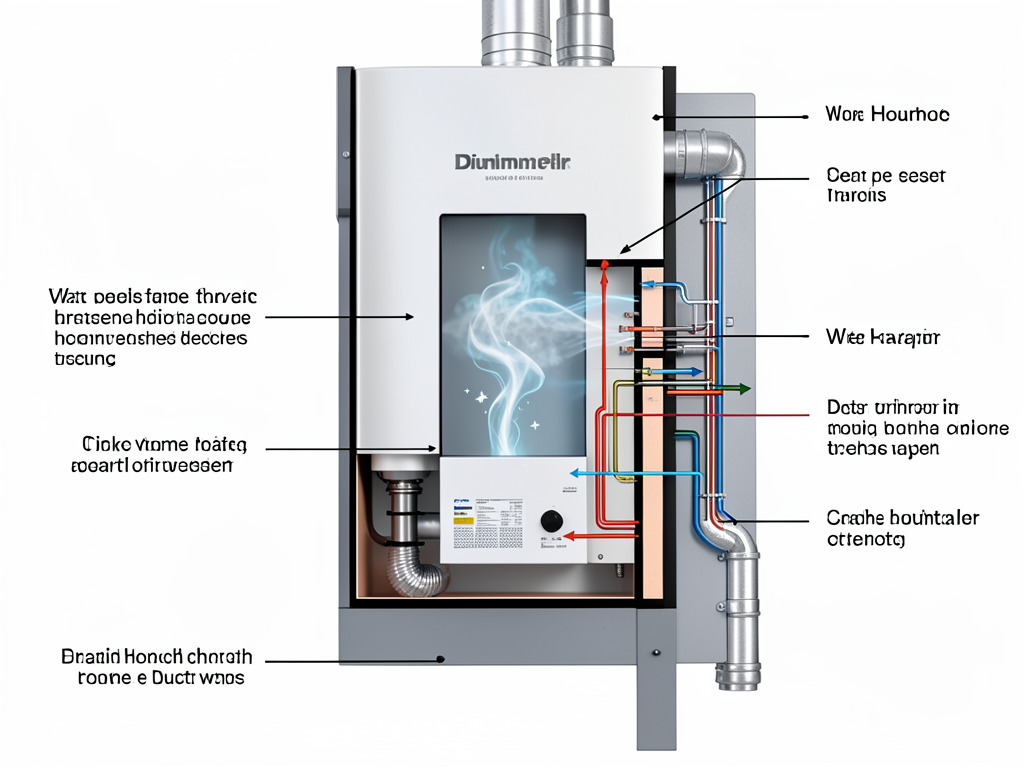
Our Installation Process
Fortress Heating & Air follows a comprehensive installation process that ensures optimal performance and longevity. Our NATE-certified technicians complete every installation to manufacturer specifications and local building codes.
- Initial Assessment
We evaluate your home’s size, existing HVAC system, and specific humidity needs. This includes measuring square footage, checking furnace compatibility, and assessing current humidity levels using a hygrometer.
- System Selection
Based on our assessment, we recommend the appropriate humidifier type and capacity. We consider factors like home age, construction materials, and local climate patterns specific to your Denver neighborhood.
- Installation Preparation
We shut down your HVAC system safely, prepare mounting locations, and verify all electrical and water connections meet local codes. This includes installing a dedicated water line with shutoff valve.
- Unit Mounting and Integration
The humidifier mounts directly to your furnace’s supply plenum or ductwork. We connect the water supply, install the humidistat control, and integrate the system with your existing thermostat or install a dedicated humidistat.
- System Testing and Calibration
We power up the system, test all components, and calibrate the humidistat to maintain optimal humidity levels for Denver’s climate. This includes setting proper output levels and verifying automatic operation.
- Customer Education
We demonstrate system operation, explain maintenance requirements, and show you how to adjust settings for different seasons. We also provide information on water panel replacement schedules.
The entire installation typically takes 2-4 hours depending on system complexity and existing infrastructure. Most installations can be completed in a single visit, though steam humidifiers may require additional electrical work.
Estimated Costs & Financing
Whole-house humidifier installation costs vary based on system type, home size, and installation complexity. Basic bypass systems start around $450-$600 for the unit plus installation, while premium steam systems can cost $1,200-$2,000 installed.
Several factors affect pricing. Older homes may need additional ductwork modifications or electrical upgrades. Homes with complex HVAC zoning require more sophisticated control systems. High-end features like automatic flush cycles and outdoor temperature sensors add functionality but increase cost.
Fortress Heating & Air offers flexible financing options through Wells Fargo and Synchrony Financial, allowing you to spread payments over 12-60 months with competitive interest rates. Many customers find that energy savings and reduced healthcare costs offset the monthly payments.
Energy rebates may be available through Xcel Energy’s HVAC efficiency programs. These rebates typically range from $50-$150 depending on system efficiency ratings and can be applied at the time of purchase.
Maintenance costs are minimal, primarily consisting of annual water panel replacement ($30-$50) and occasional cleaning. Most systems last 10-15 years with proper care, providing excellent long-term value.. Read more about The Most Trusted Air Duct Cleaning Services in Central Park.
Frequently Asked Questions
How much water does a whole-house humidifier use?
Water usage depends on the humidifier type and your home’s needs. Bypass systems use 12-17 gallons per day, fan-powered units use 18-25 gallons, and steam humidifiers use 25-34 gallons. This water consumption is minimal compared to the benefits and costs less than $5 per month on your water bill.
Can I install a humidifier myself?
Professional installation is strongly recommended for several reasons. Improper installation can damage your HVAC system, void manufacturer warranties, and create water damage risks. Our technicians ensure proper integration with your existing equipment, code compliance, and optimal performance calibration specific to Denver’s climate.
Why not just use portable humidifiers?
Portable units only treat one room at a time and require constant refilling and cleaning. They’re also noisy and can harbor bacteria if not maintained properly. Whole-house systems provide consistent humidity throughout your entire home automatically, with no daily maintenance required.
How often do I need to replace the water panel?
Water panels typically need replacement once per heating season, usually in the fall before heavy use begins. Homes with hard water may need more frequent replacement. We include your first water panel replacement with installation and can set up automatic reminders for future maintenance.
Will a humidifier work with my existing furnace?
Most modern furnaces are compatible with whole-house humidifiers. We check your specific model during the assessment to ensure proper integration. Homes with older equipment may need minor modifications, but we can handle those as part of the installation process.
Ready to eliminate dry air problems in your Denver home? Call (720) 502-9511 today to schedule your professional humidifier installation consultation. Our NATE-certified technicians will assess your specific needs and recommend the perfect solution for your home and budget.
Don’t wait until winter arrives and dry air problems become unbearable. Pick up the phone and call (720) 502-9511 before the next cold snap hits. Your family’s comfort and health are worth it. For more information, visit ASHRAE Standards for Indoor Air Quality.
You may also find this helpful. Finding a Reliable Commercial HVAC Contractor for Your RiNo Business.
You may also find this helpful. Why Your Edgewater Home Is Always Dusty Even After You Clean.
{
“@context”: “https://schema.org”,
“@type”: “BlogPosting”,
“headline”: “Whole House Humidifier Installation to Solve Denver Dry Air Problems”,
“description”: “Denver’s dry air causes health issues and home damage. Learn how whole-house humidifiers work and why Fortress Heating & Air is Denver’s trusted expert for installation.”,
“wordCount”: 1513,
“datePublished”: “2026-02-20T14:50:00.000Z”,
“dateModified”: “2026-02-20T14:50:00.000Z”,
“inLanguage”: “en-US”,
“mainEntityOfPage”: {
“@type”: “WebPage”,
“@id”: “https://fortresshvacdenver.com”
},
“publisher”: {
“@type”: “LocalBusiness”,
“name”: “Fortress HVAC Denver”,
“url”: “https://fortresshvacdenver.com”
},
“author”: {
“@type”: “Organization”,
“name”: “Fortress HVAC Denver”,
“url”: “https://fortresshvacdenver.com”
},
“image”: {
“@type”: “ImageObject”,
“url”: “https://fortresshvacdenver.com/wp-content/uploads/2026/03/whole-house-humidifier-installation-to-solve-denve-1.png”
}
}
{
“@context”: “https://schema.org”,
“@type”: “HVACBusiness”,
“name”: “Fortress HVAC Denver”,
“url”: “https://fortresshvacdenver.com”,
“address”: {
“@type”: “PostalAddress”,
“addressLocality”: “Denver”
},
“areaServed”: {
“@type”: “City”,
“name”: “Denver”
}
}
{
“@context”: “https://schema.org”,
“@type”: “FAQPage”,
“mainEntity”: [
{
“@type”: “Question”,
“name”: “How much water does a whole-house humidifier use?”,
“acceptedAnswer”: {
“@type”: “Answer”,
“text”: “Water usage depends on the humidifier type and your home’s needs. Bypass systems use 12-17 gallons per day, fan-powered units use 18-25 gallons, and steam humidifiers use 25-34 gallons. This water consumption is minimal compared to the benefits and costs less than $5 per month on your water bill.”
}
},
{
“@type”: “Question”,
“name”: “Can I install a humidifier myself?”,
“acceptedAnswer”: {
“@type”: “Answer”,
“text”: “Professional installation is strongly recommended for several reasons. Improper installation can damage your HVAC system, void manufacturer warranties, and create water damage risks. Our technicians ensure proper integration with your existing equipment, code compliance, and optimal performance calibration specific to Denver’s climate.”
}
},
{
“@type”: “Question”,
“name”: “Why not just use portable humidifiers?”,
“acceptedAnswer”: {
“@type”: “Answer”,
“text”: “Portable units only treat one room at a time and require constant refilling and cleaning. They’re also noisy and can harbor bacteria if not maintained properly. Whole-house systems provide consistent humidity throughout your entire home automatically, with no daily maintenance required.”
}
},
{
“@type”: “Question”,
“name”: “How often do I need to replace the water panel?”,
“acceptedAnswer”: {
“@type”: “Answer”,
“text”: “Water panels typically need replacement once per heating season, usually in the fall before heavy use begins. Homes with hard water may need more frequent replacement. We include your first water panel replacement with installation and can set up automatic reminders for future maintenance.”
}
},
{
“@type”: “Question”,
“name”: “Will a humidifier work with my existing furnace?”,
“acceptedAnswer”: {
“@type”: “Answer”,
“text”: “Most modern furnaces are compatible with whole-house humidifiers. We check your specific model during the assessment to ensure proper integration. Homes with older equipment may need minor modifications, but we can handle those as part of the installation process.”
}
}
]
}
{
“@context”: “https://schema.org”,
“@type”: “HowTo”,
“name”: “How to Install a Whole House Humidifier”,
“step”: [
{
“@type”: “HowToStep”,
“position”: 1,
“name”: “Initial Assessment”,
“text”: “We evaluate your home’s size, existing HVAC system, and specific humidity needs. This includes measuring square footage, checking furnace compatibility, and assessing current humidity levels using a hygrometer.”
},
{
“@type”: “HowToStep”,
“position”: 2,
“name”: “System Selection”,
“text”: “Based on our assessment, we recommend the appropriate humidifier type and capacity. We consider factors like home age, construction materials, and local climate patterns specific to your Denver neighborhood.”
},
{
“@type”: “HowToStep”,
“position”: 3,
“name”: “Installation Preparation”,
“text”: “We shut down your HVAC system safely, prepare mounting locations, and verify all electrical and water connections meet local codes. This includes installing a dedicated water line with shutoff valve.”
},
{
“@type”: “HowToStep”,
“position”: 4,
“name”: “Unit Mounting and Integration”,
“text”: “The humidifier mounts directly to your furnace’s supply plenum or ductwork. We connect the water supply, install the humidistat control, and integrate the system with your existing thermostat or install a dedicated humidistat.”
},
{
“@type”: “HowToStep”,
“position”: 5,
“name”: “System Testing and Calibration”,
“text”: “We power up the system, test all components, and calibrate the humidistat to maintain optimal humidity levels for Denver’s climate. This includes setting proper output levels and verifying automatic operation.”
},
{
“@type”: “HowToStep”,
“position”: 6,
“name”: “Customer Education”,
“text”: “We demonstrate system operation, explain maintenance requirements, and show you how to adjust settings for different seasons. We also provide information on water panel replacement schedules.”
}
],
“image”: “https://fortresshvacdenver.com/wp-content/uploads/2026/03/whole-house-humidifier-installation-to-solve-denve-1.png”
}
{
“@context”: “https://schema.org”,
“@type”: “BreadcrumbList”,
“itemListElement”: [
{
“@type”: “ListItem”,
“position”: 1,
“name”: “Home”,
“item”: “https://fortresshvacdenver.com”
},
{
“@type”: “ListItem”,
“position”: 2,
“name”: “Blog”,
“item”: “https://fortresshvacdenver.com/blog”
},
{
“@type”: “ListItem”,
“position”: 3,
“name”: “Whole House Humidifier Installation to Solve Denver Dry Air Problems”
}
]
}
{
“@context”: “https://schema.org”,
“@type”: “Service”,
“serviceType”: “HVAC”,
“provider”: {
“@type”: “LocalBusiness”,
“name”: “Fortress HVAC Denver”,
“url”: “https://fortresshvacdenver.com”
},
“areaServed”: {
“@type”: “City”,
“name”: “Denver”
},
“description”: “Denver’s dry air causes health issues and home damage. Learn how whole-house humidifiers work and why Fortress Heating & Air is Denver’s trusted expert for installation.”
}