
Why Your Finished Basement in Centennial Always Feels Clammy (And How to Fix It)
Your finished basement in Centennial stays damp no matter how dry the Colorado air feels outside. This happens because Centennial’s soil composition and high-altitude climate create perfect conditions for basement moisture problems. The good news is you can fix it with the right dehumidification system.
Colorado’s semi-arid climate means outdoor humidity stays low most of the year. But your basement walls sit in soil that stays cool and damp year-round. When warm indoor air hits these cool walls, condensation forms. This creates the clammy feeling you notice.
Centennial’s expansive bentonite clay soil holds moisture against foundation walls. This soil expands and contracts with moisture changes, putting pressure on basement walls. Over time, this pressure creates tiny cracks where moisture seeps in. The finished basement traps this moisture inside, making the problem worse.
Standard HVAC systems aren’t designed to handle basement humidity. They cool air but don’t remove enough moisture from basement spaces. This leaves your finished basement feeling damp even when the rest of your home feels comfortable.
Understanding why your basement stays clammy is the first step to fixing it. Let’s look at specific solutions that work for Centennial homes.
Why Denver Basements Experience Humidity Issues (Despite the Dry Climate)
Colorado’s high-altitude climate creates unique basement moisture challenges. The state sits at an average elevation of 6,800 feet. At this altitude, air holds less moisture than at sea level. But basement moisture problems persist because of how heat and moisture move through building materials.
Denver’s temperature swings are extreme. Summer days can reach 90°F while nights drop to 60°F. These swings cause building materials to expand and contract. This movement creates gaps where moisture can enter.
Centennial’s soil stays around 55°F year-round. When your basement air temperature is 75°F, you have a 20-degree temperature difference. This difference causes moisture in the air to condense on cool surfaces. The result is that clammy feeling on your basement walls and floors.
Denver’s building codes require specific moisture protection for basements. The Denver Building Code Section 504.1 requires foundation waterproofing for all new construction. But many Centennial homes built before 2010 don’t have these protections.
Radon gas is common in Denver’s Front Range. This requires radon mitigation systems in most homes. These systems create negative pressure that can draw moisture through foundation cracks. The moisture then gets trapped in finished basements.
High altitude affects how dehumidifiers work. Standard units lose efficiency at elevations above 4,000 feet. This means your basement needs a specialized dehumidifier designed for Colorado’s altitude.
Top Dehumidification Solutions for Colorado Homeowners
Choosing the right dehumidifier depends on your basement size, finish level, and moisture problems. Here are the most effective solutions for Centennial basements.
Whole-Home vs. Portable Dehumidifiers: Pros and Cons
| Feature | Whole-Home System | Portable Unit |
|---|---|---|
| Coverage Area | Entire home | Single room |
| Energy Efficiency | High (Energy Star rated) | Medium |
| Installation | Professional required | Plug and play |
| Noise Level | Low | Medium-High |
| Maintenance | Annual service | Monthly emptying |
| Cost Range | $1,800-$3,500 | $200-$600 |
Whole-home dehumidifiers connect to your existing HVAC system. They remove moisture from all rooms, including your basement. These systems use less energy than running multiple portable units. Energy Department dehumidifier guide.
Portable dehumidifiers work for small basements under 1,000 square feet. They’re cheaper upfront but cost more to operate long-term. You’ll need to empty the water tank regularly or install a drain line.
For Centennial basements, whole-home systems typically provide better results. They handle the high moisture loads from clay soil and maintain consistent humidity levels throughout your home.
Integrating Dehumidification with Your Existing HVAC System
Adding a whole-home dehumidifier to your HVAC system gives you the best moisture control. The dehumidifier works with your air conditioner to remove both heat and moisture.
Professional installation ensures proper sizing. A technician measures your basement’s cubic footage, current humidity levels, and moisture sources. They use this data to select the right dehumidifier capacity.
Modern systems include humidity sensors that automatically adjust operation. When basement humidity rises above your set point, the dehumidifier activates. This maintains ideal conditions without constant manual adjustments.
Integration with your thermostat allows centralized control. You can monitor and adjust humidity levels from the same device that controls your temperature. Getting a New Central Air System Installed in Your Lakewood Home.
Energy efficiency matters in Colorado’s climate. Look for Energy Star Most Efficient 2024 certified units. These models use 15% less energy than standard dehumidifiers while removing the same moisture.
Proper duct sizing prevents airflow problems. Undersized ducts cause the dehumidifier to work harder, increasing energy costs. Oversized ducts reduce moisture removal efficiency.
The Benefits of Professional Installation vs. DIY
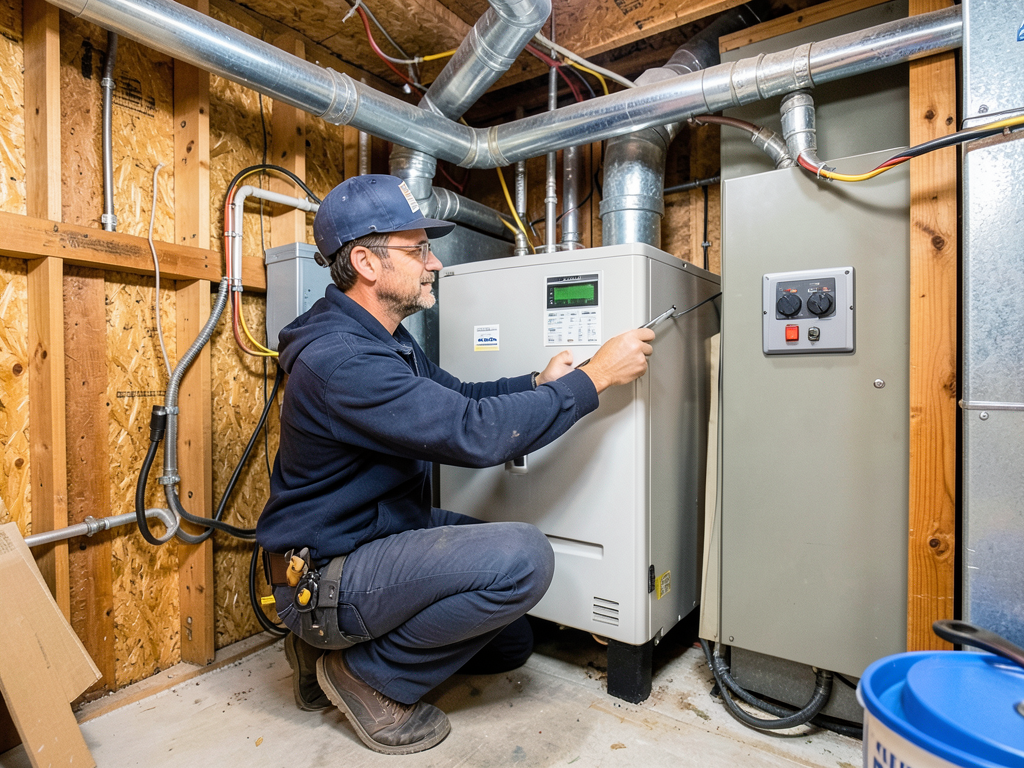
Professional installation ensures your dehumidifier works correctly from day one. Technicians understand local building codes, moisture patterns, and system integration requirements.
DIY installation often leads to problems. Common mistakes include improper sizing, incorrect drain line installation, and inadequate electrical connections. These errors reduce system efficiency and can cause water damage.
Professional technicians perform a complete moisture assessment. They use moisture meters to measure wall and floor dampness. They check for foundation cracks and drainage issues that contribute to basement moisture.
Proper drainage prevents water damage. Professionals install drain lines that direct water to appropriate disposal points. They ensure lines have proper slope and are protected from freezing.
Electrical requirements vary by unit size. Whole-home dehumidifiers often need dedicated circuits. Professionals ensure your electrical system can handle the new load safely.
Warranty protection matters for expensive equipment. Most manufacturers require professional installation for warranty coverage. DIY installation voids warranties, leaving you responsible for repair costs. EPA radon information.
Professional installation includes system testing and calibration. Technicians verify the unit removes moisture at the rated capacity. They adjust settings for optimal performance in your specific basement conditions.
Estimated Costs and Energy Efficiency in the Denver Metro Area
Dehumidifier costs vary based on capacity, features, and installation complexity. Understanding these factors helps you budget for your basement moisture solution.
Basic portable units cost $200-$400. These work for small basements under 1,000 square feet. They remove 30-50 pints of moisture per day.
Mid-range whole-home systems cost $1,200-$2,000. These handle basements up to 2,500 square feet. They remove 70-100 pints of moisture daily.
Premium systems with advanced features cost $2,500-$3,500. These include Wi-Fi controls, multiple sensors, and integration with smart home systems.
Installation costs range from $300-$800. Complex installations requiring electrical upgrades or custom ductwork cost more.
Operating costs depend on local electricity rates. Xcel Energy serves Centennial with rates around 13 cents per kilowatt-hour. A typical whole-home dehumidifier uses 600-900 watts.
Energy-efficient models save money long-term. Energy Star certified units use 15% less electricity than standard models. Over a 10-year lifespan, this can save $500-$800 in electricity costs.
Utility rebates help offset costs. Xcel Energy offers rebates for Energy Star certified dehumidifiers. These rebates typically range from $50-$150 depending on unit efficiency.
Maintenance costs are minimal. Annual professional service costs $100-$150. This includes cleaning, calibration, and checking for problems.
Consider the cost of not fixing moisture problems. Mold remediation can cost $2,000-$6,000. Water damage repairs often exceed $5,000. A dehumidifier prevents these expensive problems. Fast AC Repair Services in Aurora for When the Summer Heat Hits.
Frequently Asked Questions About Basement Moisture
What humidity level should my basement maintain?
Ideal basement humidity stays between 30-50%. Levels below 30% feel dry and can damage wood floors. Levels above 50% promote mold growth and create that clammy feeling.
How do I know if I need a dehumidifier?
Signs include condensation on windows, musty odors, visible mold, and damp-feeling walls. You can also use a hygrometer to measure humidity. Readings above 50% indicate you need moisture control.
Will a dehumidifier help with radon?
Dehumidifiers don’t remove radon gas. However, they can help radon mitigation systems work more efficiently by reducing overall moisture in the basement.
How long do whole-home dehumidifiers last?
Quality units typically last 8-12 years with proper maintenance. Regular cleaning and annual professional service extend system life.
Can I install a dehumidifier myself?
You can install portable units yourself. Whole-home systems require professional installation for proper sizing, electrical connections, and warranty protection.
Will a dehumidifier increase my electric bill?
Yes, but the increase is usually modest. Energy-efficient models add $10-$25 monthly to your electric bill. This cost is offset by preventing expensive moisture damage.
Do I need a permit for dehumidifier installation?
Most whole-home installations require electrical permits. Your HVAC contractor typically handles permit requirements as part of the installation process.
How do I maintain my dehumidifier?
Clean or replace air filters every 3 months. Check the drain line monthly for clogs. Have a professional service the unit annually to check refrigerant levels and clean internal components. Repair vs. Replace AC Guide.

[IMAGE_PLACEHOLDER_3>
Take Control of Your Basement Moisture Today
Don’t let basement moisture problems damage your finished space or create health hazards. The clammy feeling you notice is just the beginning of potential moisture issues.
Professional moisture assessment identifies the specific causes of your basement dampness. This includes checking foundation walls, evaluating drainage, and measuring current humidity levels.
Proper dehumidifier sizing ensures optimal performance. An undersized unit won’t solve your moisture problems. An oversized unit wastes energy and may cause short cycling.
Professional installation guarantees your system works correctly from day one. This includes proper electrical connections, drain line installation, and system calibration.
Call (720) 502-9511 today to schedule your basement moisture assessment. Our technicians understand Centennial’s unique soil and climate challenges. We’ll recommend the right solution for your specific situation.
Don’t wait until moisture damage becomes expensive to repair. Pick up the phone and call (720) 502-9511 before the next storm hits. Your finished basement deserves to feel comfortable year-round.
{
“@context”: “https://schema.org”,
“@type”: “BlogPosting”,
“headline”: “Why Your Finished Basement in Centennial Always Feels Clammy (And How to Fix It)”,
“description”: “Denver’s high desert climate creates a moisture paradox in Centennial basements. Learn why your finished basement stays damp and how to fix it with local solutions.”,
“wordCount”: 1616,
“datePublished”: “2026-05-10T07:29:00.000Z”,
“dateModified”: “2026-05-10T07:29:00.000Z”,
“inLanguage”: “en-US”,
“mainEntityOfPage”: {
“@type”: “WebPage”,
“@id”: “https://fortresshvacdenver.com”
},
“publisher”: {
“@type”: “LocalBusiness”,
“name”: “Fortress HVAC Denver”,
“url”: “https://fortresshvacdenver.com”
},
“author”: {
“@type”: “Organization”,
“name”: “Fortress HVAC Denver”,
“url”: “https://fortresshvacdenver.com”
},
“image”: {
“@type”: “ImageObject”,
“url”: “https://fortresshvacdenver.com/wp-content/uploads/2026/03/why-your-finished-basement-in-centennial-always-fe-1.png”
}
}
{
“@context”: “https://schema.org”,
“@type”: “HVACBusiness”,
“name”: “Fortress HVAC Denver”,
“url”: “https://fortresshvacdenver.com”,
“address”: {
“@type”: “PostalAddress”,
“addressLocality”: “Denver”
},
“areaServed”: {
“@type”: “City”,
“name”: “Denver”
}
}
{
“@context”: “https://schema.org”,
“@type”: “FAQPage”,
“mainEntity”: [
{
“@type”: “Question”,
“name”: “What humidity level should my basement maintain?”,
“acceptedAnswer”: {
“@type”: “Answer”,
“text”: “Ideal basement humidity stays between 30-50%. Levels below 30% feel dry and can damage wood floors. Levels above 50% promote mold growth and create that clammy feeling.”
}
},
{
“@type”: “Question”,
“name”: “How do I know if I need a dehumidifier?”,
“acceptedAnswer”: {
“@type”: “Answer”,
“text”: “Signs include condensation on windows, musty odors, visible mold, and damp-feeling walls. You can also use a hygrometer to measure humidity. Readings above 50% indicate you need moisture control.”
}
},
{
“@type”: “Question”,
“name”: “Will a dehumidifier help with radon?”,
“acceptedAnswer”: {
“@type”: “Answer”,
“text”: “Dehumidifiers don’t remove radon gas. However, they can help radon mitigation systems work more efficiently by reducing overall moisture in the basement.”
}
},
{
“@type”: “Question”,
“name”: “How long do whole-home dehumidifiers last?”,
“acceptedAnswer”: {
“@type”: “Answer”,
“text”: “Quality units typically last 8-12 years with proper maintenance. Regular cleaning and annual professional service extend system life.”
}
},
{
“@type”: “Question”,
“name”: “Can I install a dehumidifier myself?”,
“acceptedAnswer”: {
“@type”: “Answer”,
“text”: “You can install portable units yourself. Whole-home systems require professional installation for proper sizing, electrical connections, and warranty protection.”
}
},
{
“@type”: “Question”,
“name”: “Will a dehumidifier increase my electric bill?”,
“acceptedAnswer”: {
“@type”: “Answer”,
“text”: “Yes, but the increase is usually modest. Energy-efficient models add $10-$25 monthly to your electric bill. This cost is offset by preventing expensive moisture damage.”
}
},
{
“@type”: “Question”,
“name”: “Do I need a permit for dehumidifier installation?”,
“acceptedAnswer”: {
“@type”: “Answer”,
“text”: “Most whole-home installations require electrical permits. Your HVAC contractor typically handles permit requirements as part of the installation process.”
}
},
{
“@type”: “Question”,
“name”: “How do I maintain my dehumidifier?”,
“acceptedAnswer”: {
“@type”: “Answer”,
“text”: “Clean or replace air filters every 3 months. Check the drain line monthly for clogs. Have a professional service the unit annually to check refrigerant levels and clean internal components. Repair vs. Replace AC Guide.”
}
}
]
}
{
“@context”: “https://schema.org”,
“@type”: “BreadcrumbList”,
“itemListElement”: [
{
“@type”: “ListItem”,
“position”: 1,
“name”: “Home”,
“item”: “https://fortresshvacdenver.com”
},
{
“@type”: “ListItem”,
“position”: 2,
“name”: “Blog”,
“item”: “https://fortresshvacdenver.com/blog”
},
{
“@type”: “ListItem”,
“position”: 3,
“name”: “Why Your Finished Basement in Centennial Always Feels Clammy (And How to Fix It)”
}
]
}
{
“@context”: “https://schema.org”,
“@type”: “Service”,
“serviceType”: “HVAC”,
“provider”: {
“@type”: “LocalBusiness”,
“name”: “Fortress HVAC Denver”,
“url”: “https://fortresshvacdenver.com”
},
“areaServed”: {
“@type”: “City”,
“name”: “Denver”
},
“description”: “Denver’s high desert climate creates a moisture paradox in Centennial basements. Learn why your finished basement stays damp and how to fix it with local solutions.”
}