Why Modern Sloan’s Lake Townhomes Need an HRV or ERV for Fresh Air
Modern Sloan’s Lake townhomes built after 2020 face unique air quality challenges due to Denver’s high-altitude climate and tight building envelopes. Heat Recovery Ventilators (HRV) and Energy Recovery Ventilators (ERV) solve the problem of stale indoor air by continuously exchanging it with fresh outdoor air while recovering energy from the exhaust stream. These systems maintain healthy indoor air quality without sacrificing the energy efficiency that makes new construction so attractive.. Read more about Managing Pet Hair and Dander in Your HVAC System if You Live in Dog-Friendly Denver.
How Heat Recovery Ventilators Work: The Simple Science
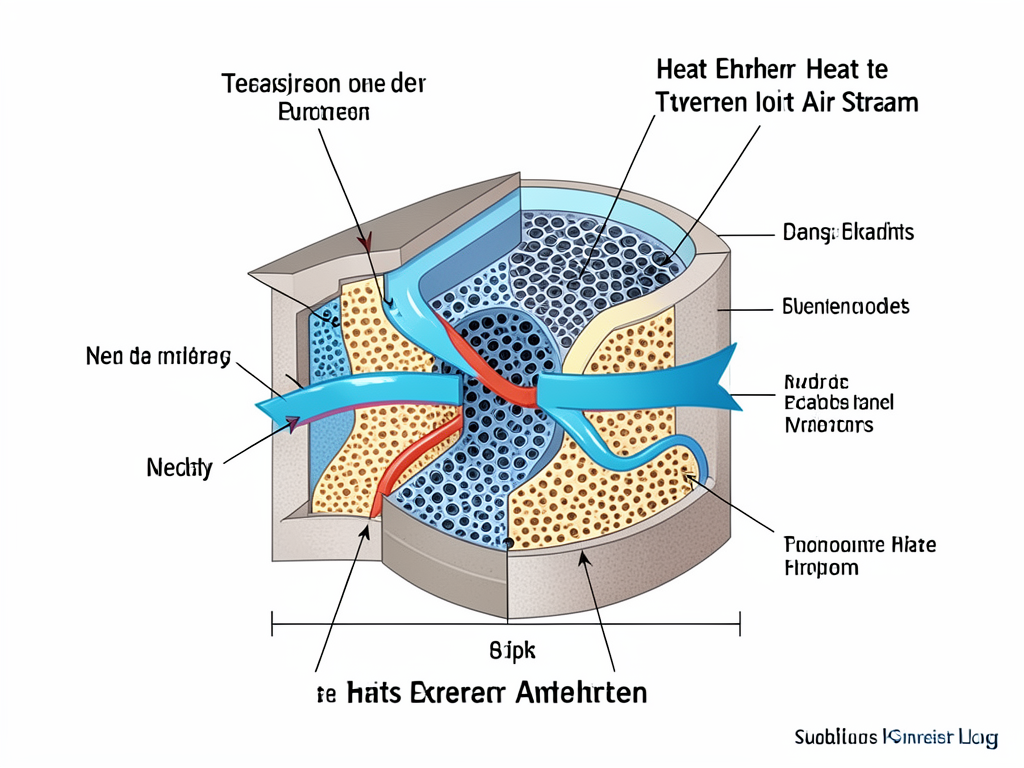
An HRV system uses a heat exchanger core to transfer heat between incoming and outgoing air streams. During winter months the system preheats fresh air using warmth from stale indoor air that would otherwise be exhausted. The cross-flow design keeps the two air streams separate while allowing thermal energy to pass through aluminum or polymer plates.. Read more about Is Your HVAC System Helping or Hurting the Radon Levels in Your Denver Basement?.
The core recovery efficiency typically ranges from 70% to 85% depending on the model and operating conditions. At Denver’s 5,280-foot elevation the lower air density slightly reduces heat transfer rates compared to sea level installations. The system includes supply and exhaust fans controlled by a central unit that monitors indoor air quality and humidity levels. Getting a New Central Air System Installed in Your Lakewood Home.
HRV vs. ERV: Which is Better for Colorado’s Dry Climate?
The primary difference between HRV and ERV systems lies in moisture transfer capabilities. HRVs transfer only heat while ERVs transfer both heat and moisture between air streams. In Denver’s semi-arid climate with winter humidity often dropping below 20% an HRV typically performs better for most townhome applications.
ERVs shine in humid climates where they help maintain indoor moisture levels. Colorado’s dry air means ERVs would actually remove beneficial moisture from indoor air during winter operation. The sensible heat recovery of an HRV aligns perfectly with Denver’s climate where temperature control matters more than humidity management.
| Feature | HRV System | ERV System |
|---|---|---|
| Moisture Transfer | No | Yes |
| Best Climate | Dry/Cold | Humid |
| Winter Operation | Maintains dryness | May remove too much moisture |
| Summer Operation | Reduces cooling load | Reduces cooling load |
| Cost Range | $2,800-$4,200 | $3,200-$4,800 |
Key Benefits of Installing an HRV in Mile High Homes
Denver’s high altitude creates specific challenges for indoor air quality. The thin air at 5,280 feet means homes need more frequent air changes to maintain oxygen levels and remove pollutants. HRVs provide controlled ventilation that meets ASHRAE 62.2 standards for residential ventilation without the energy penalty of opening windows during winter. ASHRAE 62.2 residential ventilation standards.
Wildfire season poses another unique challenge for Sloan’s Lake residents. HRVs with HEPA filtration can reduce particulate matter by up to 99.97% when outdoor air quality drops due to smoke. The sealed system prevents smoke infiltration while still providing fresh air circulation throughout the home.
Energy savings represent a significant benefit in Denver’s climate. An efficient HRV can reduce heating costs by 15-20% compared to uncontrolled ventilation. The system recovers heat that would otherwise be lost through bathroom fans, range hoods, and natural air leakage in older homes.
The Installation Process: What to Expect
Installing an HRV in a Sloan’s Lake townhome typically requires two days of work by a certified HVAC technician. The process begins with a home assessment to determine proper sizing based on square footage and occupancy. Most townhomes need systems rated between 80 and 150 CFM depending on bedroom count and layout.
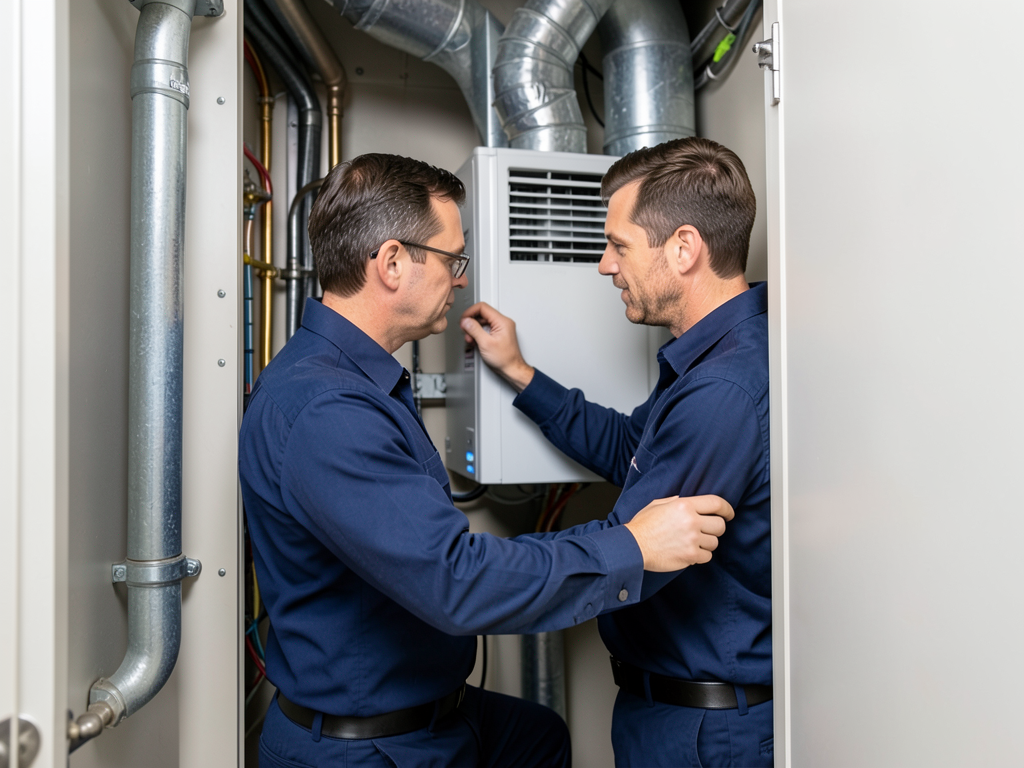
The main unit mounts in a utility closet or mechanical room with access to both supply and exhaust ductwork. Supply ducts deliver fresh air to bedrooms and living areas while exhaust ducts remove stale air from kitchens, bathrooms, and laundry rooms. The installation requires cutting access points through walls and ceilings to run the duct network.. Read more about Signs Your Five Points Home Has a Carbon Monoxide Leak (And How to Stay Safe).
Electrical connections include a dedicated 120-volt circuit and controls that integrate with the home’s thermostat. The system needs condensate drainage since temperature changes cause moisture condensation in the heat exchanger. Final commissioning includes airflow balancing and efficiency testing to ensure optimal performance.
Maintenance Tips for Denver Homeowners
HRV maintenance follows a seasonal schedule to ensure year-round performance. Air filters require replacement every three months or more frequently during wildfire season. The heat exchanger core needs cleaning annually using a vacuum and mild detergent solution to remove dust buildup that reduces efficiency. Repair vs. Replace AC Guide.
Denver’s dry climate means condensate drains rarely clog but should be checked annually for blockages. The system’s condensate trap prevents sewer gases from entering the home through the drainage path. Fans accumulate dust on blades that reduces airflow capacity by up to 30% if left unchecked for multiple seasons.
Professional maintenance every two years includes checking fan motor bearings, testing control board operation, and measuring airflow rates against design specifications. The technician uses an anemometer to verify each supply and exhaust register delivers the correct volume of air for proper ventilation balance.
HRV System Costs and Energy Savings
HRV system costs in Denver range from $2,800 to $4,200 for standard residential units including installation. Premium models with HEPA filtration and smart controls can reach $5,500. Operating costs average $8 to $15 monthly for electricity plus negligible maintenance expenses.
Energy savings offset much of the operating cost in Denver’s climate. A typical 2,000-square-foot townhome saves $200 to $350 annually on heating bills compared to uncontrolled ventilation. The system pays for itself in 8 to 12 years through energy savings alone, not including health benefits and improved comfort.
Local incentives can reduce upfront costs. Xcel Energy offers rebates up to $300 for high-efficiency ventilation systems that meet ENERGY STAR specifications. The City of Denver’s Green Homes program provides additional incentives for homes that improve energy performance by at least 20%.
Frequently Asked Questions
Will an HRV replace my existing heating system?
No. An HRV works alongside your furnace or heat pump to provide fresh air ventilation. The system recovers heat from exhaust air but does not generate heat to warm your home. You still need a primary heating system sized for Denver’s cold winters. Emergency Furnace Repair for Denver Residents Dealing with a Frozen House.
How loud are HRV systems during operation?
Modern HRVs operate at 35 to 45 decibels, similar to a quiet refrigerator. The noise level remains consistent whether the system runs at low or high speed. Bedrooms located near the mechanical room may require additional sound insulation during installation.
Do HRVs work during power outages?
Standard HRV systems require electricity to operate fans and controls. Battery backup systems can maintain ventilation for 8 to 12 hours during outages. Some homeowners install small solar panels to power the system during extended blackouts common during winter storms.
Can I install an HRV myself to save money?
DIY installation is not recommended due to complex ductwork requirements and electrical connections. Improper installation reduces efficiency by up to 60% and may create backdrafting issues that introduce carbon monoxide into living spaces. Professional installation ensures code compliance and warranty coverage.
How do I know if my home needs an HRV?
Signs your home needs an HRV include persistent condensation on windows during winter, musty odors that linger, allergy symptoms that worsen indoors, and high indoor humidity levels. Homes built after 2020 in Denver almost always benefit from mechanical ventilation due to tight construction standards.
Call (720) 502-9511 today to schedule your inspection. Our certified technicians will assess your Sloan’s Lake townhome’s ventilation needs and provide a detailed quote for HRV installation. Don’t wait until poor air quality affects your family’s health. For more information, visit Department of Energy HRV information.
You may also find this helpful. Handling Seasonal Allergies in Platte Park When the Cottonwoods and Pines Start Polinating.
{
“@context”: “https://schema.org”,
“@type”: “BlogPosting”,
“headline”: “Why Modern Sloan’s Lake Townhomes Need an HRV or ERV for Fresh Air”,
“description”: “Discover why Sloan’s Lake townhomes need HRV or ERV systems for better air quality. Learn about Denver’s climate challenges and installation benefits.”,
“wordCount”: 1257,
“datePublished”: “2026-03-25T11:04:00.000Z”,
“dateModified”: “2026-03-25T11:04:00.000Z”,
“inLanguage”: “en-US”,
“mainEntityOfPage”: {
“@type”: “WebPage”,
“@id”: “https://fortresshvacdenver.com”
},
“publisher”: {
“@type”: “LocalBusiness”,
“name”: “Fortress HVAC Denver”,
“url”: “https://fortresshvacdenver.com”
},
“author”: {
“@type”: “Organization”,
“name”: “Fortress HVAC Denver”,
“url”: “https://fortresshvacdenver.com”
},
“image”: {
“@type”: “ImageObject”,
“url”: “https://fortresshvacdenver.com/wp-content/uploads/2026/03/why-modern-sloan-s-lake-townhomes-need-an-hrv-or-e-1.png”
}
}
{
“@context”: “https://schema.org”,
“@type”: “HVACBusiness”,
“name”: “Fortress HVAC Denver”,
“url”: “https://fortresshvacdenver.com”,
“address”: {
“@type”: “PostalAddress”,
“addressLocality”: “Denver”
},
“areaServed”: {
“@type”: “City”,
“name”: “Denver”
}
}
{
“@context”: “https://schema.org”,
“@type”: “FAQPage”,
“mainEntity”: [
{
“@type”: “Question”,
“name”: “HRV vs. ERV: Which is Better for Colorado’s Dry Climate?”,
“acceptedAnswer”: {
“@type”: “Answer”,
“text”: “The primary difference between HRV and ERV systems lies in moisture transfer capabilities. HRVs transfer only heat while ERVs transfer both heat and moisture between air streams. In Denver’s semi-arid climate with winter humidity often dropping below 20% an HRV typically performs better for most townhome applications.”
}
},
{
“@type”: “Question”,
“name”: “Will an HRV replace my existing heating system?”,
“acceptedAnswer”: {
“@type”: “Answer”,
“text”: “No. An HRV works alongside your furnace or heat pump to provide fresh air ventilation. The system recovers heat from exhaust air but does not generate heat to warm your home. You still need a primary heating system sized for Denver’s cold winters. Emergency Furnace Repair for Denver Residents Dealing with a Frozen House.”
}
},
{
“@type”: “Question”,
“name”: “How loud are HRV systems during operation?”,
“acceptedAnswer”: {
“@type”: “Answer”,
“text”: “Modern HRVs operate at 35 to 45 decibels, similar to a quiet refrigerator. The noise level remains consistent whether the system runs at low or high speed. Bedrooms located near the mechanical room may require additional sound insulation during installation.”
}
},
{
“@type”: “Question”,
“name”: “Do HRVs work during power outages?”,
“acceptedAnswer”: {
“@type”: “Answer”,
“text”: “Standard HRV systems require electricity to operate fans and controls. Battery backup systems can maintain ventilation for 8 to 12 hours during outages. Some homeowners install small solar panels to power the system during extended blackouts common during winter storms.”
}
},
{
“@type”: “Question”,
“name”: “Can I install an HRV myself to save money?”,
“acceptedAnswer”: {
“@type”: “Answer”,
“text”: “DIY installation is not recommended due to complex ductwork requirements and electrical connections. Improper installation reduces efficiency by up to 60% and may create backdrafting issues that introduce carbon monoxide into living spaces. Professional installation ensures code compliance and warranty coverage.”
}
},
{
“@type”: “Question”,
“name”: “How do I know if my home needs an HRV?”,
“acceptedAnswer”: {
“@type”: “Answer”,
“text”: “Signs your home needs an HRV include persistent condensation on windows during winter, musty odors that linger, allergy symptoms that worsen indoors, and high indoor humidity levels. Homes built after 2020 in Denver almost always benefit from mechanical ventilation due to tight construction standards.”
}
}
]
}
{
“@context”: “https://schema.org”,
“@type”: “BreadcrumbList”,
“itemListElement”: [
{
“@type”: “ListItem”,
“position”: 1,
“name”: “Home”,
“item”: “https://fortresshvacdenver.com”
},
{
“@type”: “ListItem”,
“position”: 2,
“name”: “Blog”,
“item”: “https://fortresshvacdenver.com/blog”
},
{
“@type”: “ListItem”,
“position”: 3,
“name”: “Why Modern Sloan’s Lake Townhomes Need an HRV or ERV for Fresh Air”
}
]
}
{
“@context”: “https://schema.org”,
“@type”: “Service”,
“serviceType”: “HVAC”,
“provider”: {
“@type”: “LocalBusiness”,
“name”: “Fortress HVAC Denver”,
“url”: “https://fortresshvacdenver.com”
},
“areaServed”: {
“@type”: “City”,
“name”: “Denver”
},
“description”: “Discover why Sloan’s Lake townhomes need HRV or ERV systems for better air quality. Learn about Denver’s climate challenges and installation benefits.”
}