
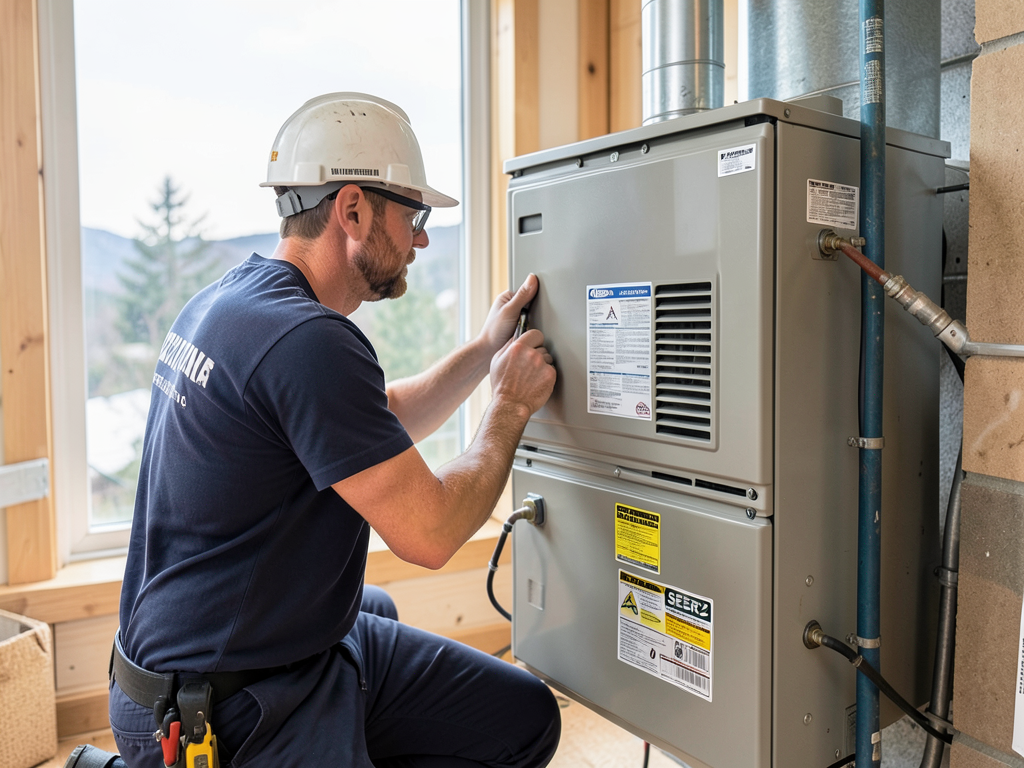
Why Home Appraisers in Hilltop Value Modern HVAC Systems So Highly
Home appraisers in Hilltop look closely at modern HVAC systems because they directly impact a home’s energy efficiency comfort and long-term maintenance costs. In Denver’s high-altitude climate a new high-efficiency system can increase a home’s appraised value by 50 to 75 percent of its installation cost while also making the property more attractive to buyers who want lower utility bills and reliable year-round comfort. Energy Star certification.
Denver’s unique combination of cold winters thin mountain air and summer heat means older HVAC units often struggle to keep up. Appraisers know that a 15-year-old furnace or AC is nearing the end of its service life and may require costly repairs soon. A modern system with high SEER2 ratings and smart controls signals to appraisers that the home has been well-maintained and is ready for the next owner without immediate mechanical concerns. Emergency Furnace Repair for Denver Residents Dealing with a Frozen House.
How Hilltop’s Architecture Affects HVAC Value
Hilltop is known for its mix of mid-century ranch homes and newer custom builds many with large windows and open floor plans that demand efficient climate control. The area’s mature trees and established lots can create microclimates where some homes get more sun exposure than others. Appraisers factor in these design elements when evaluating whether a current HVAC system is appropriately sized and efficient for the home’s layout and insulation levels.
Older homes in Hilltop often have ductwork that was installed before modern energy codes existed. Leaky or poorly insulated ducts can waste up to 30 percent of heated or cooled air. When a new high-efficiency furnace or heat pump is paired with duct sealing and insulation the system’s performance improves dramatically and appraisers take notice because the home now meets or exceeds current IECC energy standards.
The Denver Altitude Advantage for High-Efficiency Systems
At 5 280 feet above sea level Denver’s thin air affects how HVAC equipment operates. Combustion air is less dense which means gas furnaces must be properly adjusted for altitude to achieve their rated efficiency. Heat pumps also lose some capacity at high elevation so choosing a unit with a higher SEER2 rating ensures the system can still meet cooling demands during hot summer afternoons.
Appraisers in Hilltop understand that a system designed for sea-level performance may not deliver the same efficiency here. A properly sized and altitude-compensated unit not only saves energy but also reduces wear on components leading to fewer breakdowns and a longer service life. This reliability is a key factor in the appraisal process because it lowers the buyer’s future maintenance risk.
Xcel Energy Rebates and Local Incentives
Homeowners in Hilltop can take advantage of Xcel Energy’s residential HVAC rebates which offer up to $1 500 for qualifying high-efficiency furnaces and heat pumps. These rebates are part of Denver’s broader Climate Action Sustainability and Resiliency (CASR) goals to reduce greenhouse gas emissions. An appraiser will often ask if these incentives were applied because they lower the net installation cost and improve the return on investment calculation. Xcel Energy rebates.
In addition to utility rebates the federal Inflation Reduction Act provides tax credits of up to 30 percent of the cost for qualifying energy-efficient HVAC equipment. When a seller can show documentation of these savings it strengthens the case for a higher asking price because the buyer sees immediate value in lower utility costs and potential tax benefits.
SEER2 Ratings and What They Mean for Appraisers
SEER2 is the new seasonal energy efficiency rating standard that replaced SEER in 2023. It provides a more accurate measure of real-world performance by factoring in fan energy use and part-load conditions. In Denver’s climate a system with a SEER2 rating of 16 or higher is considered high efficiency and can reduce cooling costs by 20 to 30 percent compared to a 10 SEER unit. Repair vs. Replace AC Guide.
Appraisers look for the SEER2 label on the equipment nameplate and will verify the rating in the appraisal report. A higher rating not only means lower utility bills but also signals to buyers that the home is equipped with modern technology that meets current energy codes. This perception of quality can translate into a higher appraised value especially in competitive neighborhoods like Hilltop.
Smart Thermostats and Indoor Air Quality Features
Modern HVAC systems often include Wi-Fi enabled smart thermostats that allow homeowners to control temperatures remotely and set energy-saving schedules. Some appraisers view these features as a bonus because they appeal to tech-savvy buyers and can further reduce energy consumption. In Hilltop where many homes have second-floor bedrooms a smart thermostat with multi-zone control can balance temperatures and improve comfort.
Indoor air quality (IAQ) has become increasingly important especially with Denver’s occasional wildfire smoke and high pollen counts. Systems equipped with HEPA filters UV lights or whole-home humidifiers not only protect health but also add to the home’s marketability. Appraisers recognize that buyers are willing to pay more for a home that offers clean healthy air and year-round humidity control.
Heat Pumps vs. Traditional Furnaces in Hilltop
Heat pumps have gained popularity in Denver because they provide both heating and cooling in a single unit. Modern cold-climate heat pumps can operate efficiently even when outdoor temperatures drop below zero making them a viable alternative to gas furnaces. In Hilltop where some homes are transitioning away from natural gas due to Denver’s Clean Heat Plan a heat pump can future-proof the property and appeal to environmentally conscious buyers.
Appraisers compare the fuel type and efficiency of the HVAC system to neighborhood norms. A home with a new high-efficiency heat pump may receive a slight premium over one with an older gas furnace because it aligns with local electrification trends and utility rebate programs. The key is ensuring the system is properly sized for the home’s heating load at altitude.
Transferable Warranties and Maintenance Records
A transferable manufacturer’s warranty can add tangible value during an appraisal because it guarantees the new owner won’t face major repair costs for several years. Appraisers will ask for proof of the warranty and whether it can be transferred at closing. In Hilltop where many buyers are move-up homeowners this peace of mind can be a deciding factor. Fast AC Repair Services in Aurora for When the Summer Heat Hits.
Detailed maintenance records also influence appraiser perception. A system that has been serviced annually by a NATE-certified technician shows a history of care and reduces the likelihood of unexpected failures. Some appraisers will even contact the servicing company to confirm the equipment’s condition which can further support a higher valuation.
Appraisal Impact: Old vs. New Equipment
When comparing a 15-year-old HVAC system to a brand-new one the difference in appraised value can be significant. An older unit may be written off as a depreciating asset with a remaining life of only a few years while a new system is viewed as a long-term benefit. This can translate to a $5 000 to $10 000 difference in the final appraisal depending on the home’s size and market conditions.
In Hilltop where home prices often exceed $1 million even a small percentage increase in value can mean thousands of dollars. Appraisers also consider how the HVAC upgrade compares to other homes in the neighborhood. If most recent sales feature modern efficient systems a home without one may be seen as less competitive.
Local Building Codes and Permit Compliance
Denver’s building codes require permits for most HVAC replacements to ensure the work meets current safety and efficiency standards. The Denver Green Building Ordinance also mandates certain energy performance levels for new or replacement equipment. Appraisers will check permit records to confirm the installation was inspected and approved which adds credibility to the system’s quality.
Non-permitted work can raise red flags during an appraisal and may even lead to a lower valuation if the appraiser suspects substandard installation. In Hilltop where many homes are subject to historic or aesthetic guidelines ensuring the outdoor unit is properly located and the installation meets all code requirements is essential for maximizing value.
Cost vs. Value: The ROI Breakdown
Replacing an HVAC system in Hilltop typically costs between $8 000 and $15 000 depending on the home’s size and the equipment chosen. While the upfront expense is significant the return on investment comes from a combination of increased appraised value lower utility bills and improved marketability. On average homeowners recoup 50 to 75 percent of the installation cost in added home value.
For example a $12 000 system upgrade might add $6 000 to $9 000 to the appraised value while also saving $300 to $500 per year in energy costs. Over a five-year period those savings can offset a significant portion of the initial investment making the upgrade a smart financial decision even if the homeowner doesn’t plan to sell immediately.
Energy Star Certification and Market Appeal
Energy Star certified HVAC equipment meets strict efficiency guidelines set by the EPA and is often preferred by appraisers and buyers alike. In Hilltop where energy costs can be high during both winter and summer a certified system can reduce annual utility expenses by up to 20 percent. This level of efficiency is especially attractive to buyers who prioritize sustainability and long-term savings.
Appraisers will note the Energy Star label in their reports and may reference it when comparing the home to others in the area. A certified system can also qualify for additional rebates and tax credits further improving the overall return on investment and making the property stand out in a competitive market.
Wildfire Season and Air Quality Considerations
Denver’s increasing wildfire risk has made indoor air quality a top priority for many homeowners. Modern HVAC systems with advanced filtration can remove fine particulate matter and allergens keeping indoor air clean even when outdoor conditions are poor. In Hilltop where many homes have large windows and open layouts this feature is particularly valuable.. Read more about How to Integrate Your HVAC with Matter and Apple Home in Central Park.
Appraisers are beginning to recognize the importance of IAQ in home valuations especially in areas prone to smoke or pollution. A system with HEPA filtration and a fresh air intake can be a strong selling point and may contribute to a higher appraised value because it addresses a growing buyer concern.
Final Thoughts: Making the Right Investment
Upgrading to a modern HVAC system in Hilltop is about more than just comfort—it’s a strategic investment that can boost your home’s value reduce operating costs and make your property more attractive to buyers. By choosing high-efficiency equipment taking advantage of local rebates and ensuring proper installation you can maximize both your immediate comfort and your long-term return.
If you’re considering an HVAC upgrade call (720) 502-9511 today to schedule your inspection. Our NATE-certified technicians will evaluate your home’s needs and recommend the best system to increase your property’s value and efficiency.
Frequently Asked Questions
How much value does a new HVAC system add to a Hilltop home?
A new high-efficiency HVAC system typically adds 50 to 75 percent of its installation cost to a home’s appraised value in Hilltop. This can translate to $5 000 to $10 000 or more depending on the home’s size and market conditions.
Are there local rebates available for HVAC upgrades in Denver?
Yes Xcel Energy offers rebates up to $1 500 for qualifying high-efficiency furnaces and heat pumps. The federal Inflation Reduction Act also provides tax credits of up to 30 percent for qualifying equipment. These incentives can significantly reduce the net cost of installation.
Do appraisers consider indoor air quality features?
Absolutely. Features like HEPA filtration UV lights and whole-home humidifiers are increasingly valued by appraisers especially in areas with wildfire risk or high pollen counts. These systems can improve both health and marketability.
What SEER2 rating should I look for in Denver’s climate?
For Denver’s high-altitude climate a SEER2 rating of 16 or higher is recommended. This ensures efficient cooling during hot summer days and accounts for the reduced air density at elevation.
Is a permit required for HVAC replacement in Hilltop?
Yes Denver requires permits for most HVAC replacements to ensure the work meets current building codes and efficiency standards. Permit compliance is important for both safety and appraisal purposes.
How do heat pumps perform in Denver’s cold winters?
Modern cold-climate heat pumps can operate efficiently even when temperatures drop below zero. They are a viable alternative to gas furnaces especially as Denver moves toward electrification under the Clean Heat Plan.
Can smart thermostats really impact home value?
Smart thermostats add convenience and energy savings which appraisers and buyers appreciate. They can also help balance temperatures in multi-story homes improving overall comfort and efficiency.
What maintenance records should I keep for my HVAC system?
Keep all service receipts filter change logs and warranty information. Detailed records show the system has been well-maintained and can support a higher appraisal value.
How does altitude affect HVAC efficiency?
At 5 280 feet air is less dense which impacts both combustion in gas furnaces and heat pump capacity. Equipment must be properly sized and adjusted for altitude to achieve rated efficiency.
Should I replace my HVAC before selling my Hilltop home?
If your system is over 10 years old or showing signs of wear replacing it before listing can increase your home’s value and appeal. Buyers often prefer move-in-ready homes with modern efficient systems.
You may also find this helpful. Why Your Barnum Basement Renovation Needs Better Airflow and Ventilation.