Smelling Gas Near Your Furnace in Denver Immediate Safety Steps
Gas odors near your furnace demand immediate action. The rotten egg smell indicates natural gas mixed with mercaptan, an additive that helps detect leaks. If you detect this odor in your Whittier bungalow first evacuate everyone from the home. Do not use any electrical switches phones or anything that could create a spark. Once outside call 911 and Xcel Energy’s emergency line at 1-800-895-2999 from a safe location. Gas leaks pose serious explosion and carbon monoxide poisoning risks that require professional emergency response. Xcel Energy Gas Safety Information.
Is it Natural Gas or Something Else
The distinctive rotten egg odor comes from mercaptan added to otherwise odorless natural gas. This sulfur-like smell differs from the dusty burning odor common when furnaces first start during Denver’s cold snaps. That initial burning smell often results from dust accumulation on heat exchangers and burners after months of disuse. However any persistent gas odor requires immediate attention. Carbon monoxide produced by incomplete combustion is odorless making gas leak detection critical for home safety. Install both carbon monoxide and natural gas detectors near your furnace for early warning protection. Denver Heating and Cooling Regulations.
Common Causes of Gas Odors Near Denver Furnaces
Denver’s high altitude affects furnace combustion requiring specific adjustments for proper operation. Common gas leak sources include cracked heat exchangers allowing combustion gases to escape damaged gas valves failing to seal properly and pilot light issues in older units. The city’s extreme temperature swings from 90 degree summer days to subzero winter nights stress furnace components. Older Whittier bungalows built in the 1920s and 1930s often have aging gas lines and furnaces requiring more frequent inspection. A faulty thermocouple can also cause gas to flow without ignition creating dangerous conditions in your home. Emergency Furnace Repair for Denver Residents Dealing with a Frozen House.
Who to Call in Denver for Gas Leaks
Denver residents should immediately call 911 for any suspected gas leak. Xcel Energy provides 24/7 emergency gas leak response at 1-800-895-2999. Their technicians will locate and shut off the gas supply if needed. For furnace-specific issues contact NATE certified HVAC technicians who understand Denver’s building codes and high altitude requirements. The Denver Fire Department responds to all gas emergencies and can help evacuate your Whittier neighborhood if needed. Keep these numbers posted near your phone and programmed in your cell phone for quick access during emergencies.. Read more about Propane Furnace Maintenance and Repair for Mountain Homes in Genesee and Morrison.
How Professional HVAC Technicians Diagnose Gas Leaks
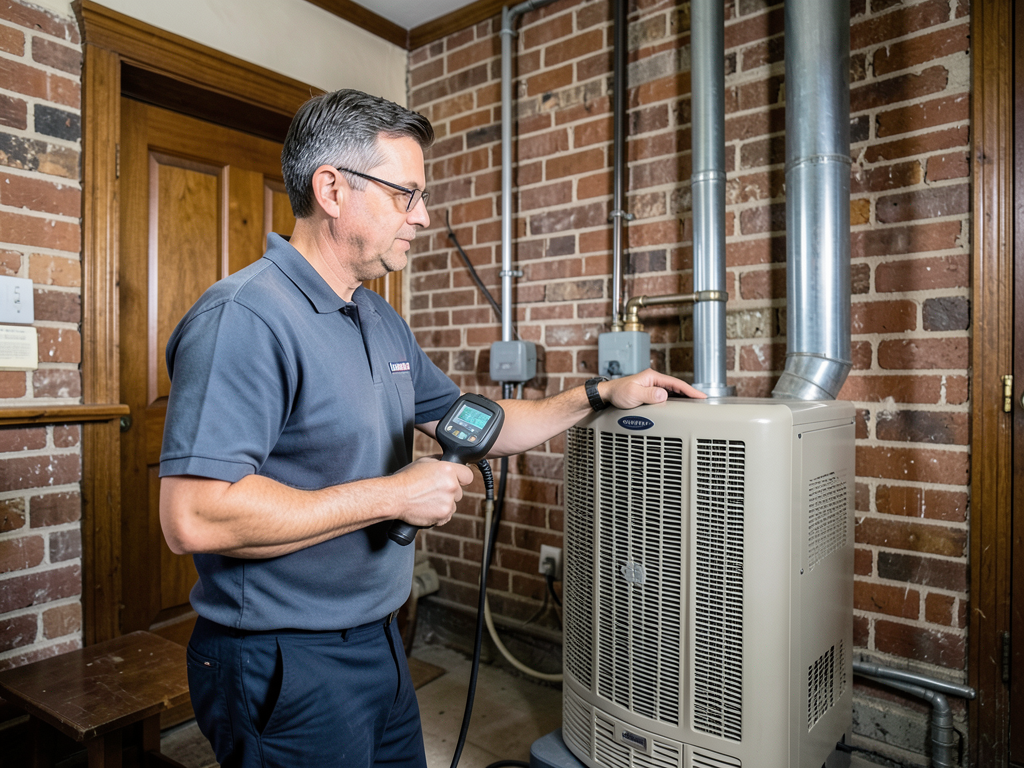
Certified technicians use electronic combustible gas detectors to scan gas lines and furnace components. These handheld devices sound alarms when detecting specific gas concentrations. Technicians also use manometers to test gas pressure ensuring proper flow to your furnace. Soap solution testing reveals tiny leaks by creating bubbles at connection points. Visual inspection checks for corroded pipes damaged valves and heat exchanger cracks. Denver building code requires specific venting and clearance standards that technicians verify during diagnosis. Professional diagnosis prevents false alarms while ensuring dangerous leaks receive immediate repair. Fast AC Repair Services in Aurora for When the Summer Heat Hits.
Gas Shut Off Valve Location and Operation
Every Whittier bungalow should have a main gas shut off valve typically located outside near the gas meter. Individual appliance shut off valves exist near furnaces water heaters and stoves. The main valve requires a wrench to turn 90 degrees perpendicular to the pipe to shut off gas flow. Individual appliance valves use a quarter turn ball valve design. During emergencies knowing valve locations saves precious time. Practice locating and operating these valves with all adult household members. Keep an adjustable wrench near the main valve for quick access during gas emergencies.
Cracked Heat Exchanger Symptoms
Heat exchangers separate combustion gases from your home’s air supply. Cracks develop from metal fatigue caused by repeated heating and cooling cycles. Denver’s temperature extremes accelerate this process in older furnaces. Symptoms include yellow or flickering burner flames soot around the furnace and the smell of exhaust in your home. Carbon monoxide detectors may alarm if gases escape into living spaces. Heat exchanger replacement requires professional service as improper installation creates safety hazards. Annual furnace inspections catch developing cracks before they become dangerous leaks. Repair vs. Replace AC Guide.
Pilot Light vs Electronic Ignition Troubleshooting
Older Whittier bungalows often have standing pilot light furnaces while newer units use electronic ignition systems. Pilot lights should burn steady blue with a small yellow tip. A strong gas odor with a extinguished pilot indicates a valve failure requiring immediate shutdown. Electronic ignition systems use hot surface igniters or intermittent pilots that click when starting. Gas odors during ignition attempts suggest gas valve problems or delayed ignition creating explosion risks. Both systems require proper venting and combustion air supply for safe operation. Denver’s building codes specify minimum clearances and venting requirements for all furnace installations.
High Altitude Combustion Adjustments
Denver sits at 5 280 feet above sea level where thinner air affects furnace combustion. Gas furnaces require specific high altitude orifice sizes and manifold pressure adjustments. Improper adjustments cause incomplete combustion producing carbon monoxide and soot. The derating factor reduces BTU output approximately 4% per 1 000 feet above sea level. Certified technicians adjust gas pressure and air shutter settings for Denver’s altitude. These adjustments ensure efficient clean burning while preventing dangerous combustion byproducts from entering your home. Annual maintenance includes verifying these critical altitude adjustments remain correct.
Difference Between Gas Leak and Sewer Gas
Sewer gas containing hydrogen sulfide also smells like rotten eggs but originates from drain traps and plumbing vents. This gas accumulates in basements and near floor drains when traps dry out. Unlike natural gas sewer gas is heavier than air and does not pose explosion risks. However both require professional attention as sewer gas contains toxic compounds. The location helps distinguish sources natural gas odors near the furnace suggest gas line issues while sewer gas smells from bathrooms or basements indicate plumbing problems. Professional testing identifies the exact gas type for proper remediation.
Combustion Air Requirements in Denver Homes
Furnaces require specific amounts of fresh air for proper combustion and venting. Denver’s tightly sealed modern homes often lack adequate combustion air causing backdrafting where exhaust gases spill into living spaces. Building code requires outdoor air intakes or louvered doors for furnace rooms. Whittier bungalows built before modern codes may have insufficient air supply creating dangerous conditions. Symptoms include difficulty lighting pilots fluctuating flame patterns and gas odors when exhaust fans operate. Professional assessment ensures your home meets current combustion air requirements preventing both inefficiency and safety hazards.
Red Light vs Yellow Light Safety Checklist
| Condition | Red Light (Emergency) | Yellow Light (Caution) |
|---|---|---|
| Gas Odor Strength | Strong rotten egg smell | Faint occasional odor |
| Visual Signs | Visible damage soot | Minor rust dust |
| Action Required | Evacuate call 911 | Schedule inspection |
| Urgency Level | Immediate danger | Monitor situation |
Denver Building Code Requirements
Denver Municipal Code Section 103.3 requires licensed professionals to install and repair gas appliances. The International Fuel Gas Code adopted by Denver mandates specific venting clearances combustion air supply and gas line sizing. Furnace rooms must maintain minimum clearances around units for service access and air circulation. Gas lines require pressure testing before activation and visible leak testing after installation. These codes protect Whittier residents from dangerous installations while ensuring proper system operation. Professional HVAC companies maintain current code knowledge and pull required permits for all gas work.
Emergency Response Timeline
Gas emergencies follow a specific timeline for maximum safety. Within 30 seconds detect and confirm gas odor. By 60 seconds evacuate all occupants and pets. Within 2 minutes move to a safe distance and call 911. Xcel Energy typically arrives within 60 minutes of emergency calls. Professional HVAC service follows within 24 hours for repairs. This timeline prevents explosions while ensuring rapid professional response. Keep emergency numbers posted and practice evacuation drills with your family. Quick response prevents minor issues from becoming major disasters in your Whittier home.
Preventive Maintenance Benefits
Annual furnace maintenance prevents most gas leak emergencies. Professional cleaning removes dust and debris that can cause incomplete combustion. Technicians inspect heat exchangers for cracks before they become dangerous. Gas pressure and combustion adjustments ensure efficient clean burning. Filter changes improve airflow preventing overheating and component stress. These services typically cost $100-200 but prevent thousands in emergency repairs and potential property damage. Many Denver HVAC companies offer maintenance plans with priority service for emergencies. Regular maintenance extends furnace life while protecting your family from gas hazards.
Insurance Considerations
Most homeowners insurance policies cover gas explosion damage but may deny claims for neglected maintenance. Document all professional inspections and repairs to support claims if needed. Some policies offer equipment breakdown coverage for mechanical failures including furnaces. Review your policy for specific gas-related exclusions and coverage limits. Professional HVAC companies provide detailed invoices showing code compliant repairs that satisfy insurance requirements. Keep maintenance records for at least seven years as proof of responsible homeownership. Contact your insurance agent to understand your specific coverage for gas-related incidents.
Carbon Monoxide Detector Placement
Install carbon monoxide detectors on every level of your Whittier bungalow including near sleeping areas. Place units at least 15 feet from fuel burning appliances to prevent false alarms. Wall mounting at eye level provides optimal detection while plug in units offer convenient installation. Test detectors monthly and replace batteries annually. Units typically last 5-7 years before requiring replacement. Carbon monoxide is slightly lighter than air so ceiling mounting also works effectively. These detectors provide crucial warning since CO is odorless and colorless unlike the mercaptan in natural gas.
Commercial vs Residential Gas Safety
| Aspect | Residential | Commercial |
|---|---|---|
| Family members | Employees/public | |
| IRC/IFGC | IMC/IFGC | |
| 80 000 BTU typical | 500 000+ BTU common | |
| Family evacuation | Building evacuation |
Seasonal Considerations
Gas furnace risks increase during seasonal transitions in Denver. Fall startup often reveals summer damage from dust moisture or pest infestation. Winter storms can damage gas lines and meters creating dangerous leaks. Spring thaw may shift foundations affecting gas line connections. Summer humidity accelerates corrosion in unconditioned spaces. Each season requires specific safety checks and maintenance procedures. Professional seasonal inspections catch developing problems before they create emergencies. Denver’s extreme seasonal changes make year round vigilance essential for gas safety in your Whittier home.
Technology Advancements
Modern gas leak detection technology improves safety and response times. Smart gas detectors connect to home automation systems sending alerts to phones when detecting problems. Thermal imaging cameras help technicians locate hidden leaks in walls and underground. Electronic leak detectors provide precise location information reducing repair time. These technologies complement traditional methods while improving accuracy. Many Denver HVAC companies now offer smart home integration for gas safety monitoring. These advancements provide earlier warning and faster professional response for gas emergencies.
FAQ: Gas Safety in Denver Homes
What should I do first if I smell gas near my furnace?
Immediately evacuate everyone from your home. Do not use any electrical devices phones or anything that could create a spark. Move to a safe distance and call 911 then Xcel Energy at 1-800-895-2999 from outside your home.
How can I tell if the smell is from my furnace or something else?
Natural gas smells like rotten eggs due to mercaptan additive. This differs from the dusty burning smell when furnaces first start or sewer gas odors. If the smell is strong near your furnace and persists it likely indicates a gas leak requiring immediate evacuation.
How much does it cost to repair a gas leak in Denver?
Gas leak repair costs vary based on the source. Simple valve replacements might cost $150-300 while heat exchanger replacement ranges from $800-2 500. Emergency service calls typically add $100-200 to standard repair rates. Always get multiple quotes from NATE certified technicians.
Can I fix a gas leak myself?
No. Gas line repair requires licensed professionals with specific training and tools. DIY repairs create explosion and carbon monoxide poisoning risks. Colorado law requires licensed technicians for all gas appliance work. The safety risks far outweigh any potential cost savings from DIY attempts.
How often should I have my furnace inspected for gas leaks?
Annual professional inspection before heating season provides optimal safety. This inspection includes gas pressure testing heat exchanger examination and combustion analysis. Some HVAC companies offer biannual maintenance plans with spring and fall service visits. Regular maintenance prevents most gas emergencies while extending equipment life.
Conclusion: Your Safety Action Plan
Gas safety requires preparation prevention and quick response. Install both carbon monoxide and gas detectors near your furnace. Keep emergency numbers posted and programmed in your phone. Schedule annual professional maintenance before heating season. Know your gas shut off valve locations and practice evacuation procedures with your family. These simple steps protect your Whittier bungalow from gas emergencies while ensuring quick professional response when needed. Don’t wait for an emergency to prepare your gas safety plan.
Call (720) 502-9511 today for professional gas safety inspection of your Whittier furnace. Our NATE certified technicians understand Denver’s unique altitude and building code requirements. We provide 24/7 emergency service for gas leaks and can quickly diagnose and repair any furnace safety issues. Your family’s safety is our top priority.
Don’t risk your family’s safety with DIY gas repairs. Call (720) 502-9511 now to schedule your comprehensive furnace safety inspection. Our Denver technicians will check for gas leaks test carbon monoxide levels and ensure your system meets all current building codes. We serve Whittier and all Denver neighborhoods with fast reliable emergency service.
You may also find this helpful. Trane versus Lennox Furnaces (Which Brand Performs Best in the Denver Cold?).
You may also find this helpful. Comparing Goodman and Bryant Furnaces for Your Edgewater Rental Property.
{
“@context”: “https://schema.org”,
“@type”: “BlogPosting”,
“headline”: “What to Do Immediately if You Smell Gas Near Your Furnace in Your Whittier Bungalow”,
“description”: “Smell gas near your furnace in Denver’s Whittier neighborhood? Learn immediate safety steps, gas leak detection, and emergency contacts for your Whittier bungalow.”,
“wordCount”: 2250,
“datePublished”: “2026-04-08T13:56:00.000Z”,
“dateModified”: “2026-04-08T13:56:00.000Z”,
“inLanguage”: “en-US”,
“mainEntityOfPage”: {
“@type”: “WebPage”,
“@id”: “https://fortresshvacdenver.com”
},
“publisher”: {
“@type”: “LocalBusiness”,
“name”: “Fortress HVAC Denver”,
“url”: “https://fortresshvacdenver.com”
},
“author”: {
“@type”: “Organization”,
“name”: “Fortress HVAC Denver”,
“url”: “https://fortresshvacdenver.com”
},
“image”: {
“@type”: “ImageObject”,
“url”: “https://fortresshvacdenver.com/wp-content/uploads/2026/03/what-to-do-immediately-if-you-smell-gas-near-your-1.png”
}
}
{
“@context”: “https://schema.org”,
“@type”: “HVACBusiness”,
“name”: “Fortress HVAC Denver”,
“url”: “https://fortresshvacdenver.com”,
“address”: {
“@type”: “PostalAddress”,
“addressLocality”: “Denver”
},
“areaServed”: {
“@type”: “City”,
“name”: “Denver”
}
}
{
“@context”: “https://schema.org”,
“@type”: “FAQPage”,
“mainEntity”: [
{
“@type”: “Question”,
“name”: “What should I do first if I smell gas near my furnace?”,
“acceptedAnswer”: {
“@type”: “Answer”,
“text”: “Immediately evacuate everyone from your home. Do not use any electrical devices phones or anything that could create a spark. Move to a safe distance and call 911 then Xcel Energy at 1-800-895-2999 from outside your home.”
}
},
{
“@type”: “Question”,
“name”: “How can I tell if the smell is from my furnace or something else?”,
“acceptedAnswer”: {
“@type”: “Answer”,
“text”: “Natural gas smells like rotten eggs due to mercaptan additive. This differs from the dusty burning smell when furnaces first start or sewer gas odors. If the smell is strong near your furnace and persists it likely indicates a gas leak requiring immediate evacuation.”
}
},
{
“@type”: “Question”,
“name”: “How much does it cost to repair a gas leak in Denver?”,
“acceptedAnswer”: {
“@type”: “Answer”,
“text”: “Gas leak repair costs vary based on the source. Simple valve replacements might cost $150-300 while heat exchanger replacement ranges from $800-2 500. Emergency service calls typically add $100-200 to standard repair rates. Always get multiple quotes from NATE certified technicians.”
}
},
{
“@type”: “Question”,
“name”: “Can I fix a gas leak myself?”,
“acceptedAnswer”: {
“@type”: “Answer”,
“text”: “No. Gas line repair requires licensed professionals with specific training and tools. DIY repairs create explosion and carbon monoxide poisoning risks. Colorado law requires licensed technicians for all gas appliance work. The safety risks far outweigh any potential cost savings from DIY attempts.”
}
},
{
“@type”: “Question”,
“name”: “How often should I have my furnace inspected for gas leaks?”,
“acceptedAnswer”: {
“@type”: “Answer”,
“text”: “Annual professional inspection before heating season provides optimal safety. This inspection includes gas pressure testing heat exchanger examination and combustion analysis. Some HVAC companies offer biannual maintenance plans with spring and fall service visits. Regular maintenance prevents most gas emergencies while extending equipment life.”
}
}
]
}
{
“@context”: “https://schema.org”,
“@type”: “BreadcrumbList”,
“itemListElement”: [
{
“@type”: “ListItem”,
“position”: 1,
“name”: “Home”,
“item”: “https://fortresshvacdenver.com”
},
{
“@type”: “ListItem”,
“position”: 2,
“name”: “Blog”,
“item”: “https://fortresshvacdenver.com/blog”
},
{
“@type”: “ListItem”,
“position”: 3,
“name”: “What to Do Immediately if You Smell Gas Near Your Furnace in Your Whittier Bungalow”
}
]
}
{
“@context”: “https://schema.org”,
“@type”: “Service”,
“serviceType”: “HVAC”,
“provider”: {
“@type”: “LocalBusiness”,
“name”: “Fortress HVAC Denver”,
“url”: “https://fortresshvacdenver.com”
},
“areaServed”: {
“@type”: “City”,
“name”: “Denver”
},
“description”: “Smell gas near your furnace in Denver’s Whittier neighborhood? Learn immediate safety steps, gas leak detection, and emergency contacts for your Whittier bungalow.”
}