Installing a new air conditioning system in the Denver Tech Center requires more than just choosing the right unit. HOA regulations can significantly impact your installation timeline costs and even which equipment you can use. Before you purchase anything understanding these rules will save you time money and potential headaches.
Understanding Denver Tech Center HOA Authority
HOAs in the Denver Tech Center operate under Colorado’s Common Interest Ownership Act (CCIOA) which gives them the power to regulate exterior modifications including HVAC installations. Most DTC HOAs require architectural review approval before any outdoor unit installation whether you’re in a townhouse community near Meridian International Business Park or a condo complex off I-25. Colorado’s Common Interest Ownership Act.
Key restrictions typically include noise limitations matching or exceeding Denver’s municipal code aesthetic requirements for unit placement and screening and setback requirements from property lines. Some HOAs also mandate specific brands or efficiency ratings to maintain neighborhood uniformity. Denver’s Department of Public Health & Environment.
Denver’s Noise Ordinance and HOA Enforcement
Denver’s Department of Public Health & Environment sets strict noise limits that HOAs often mirror or enforce more strictly. During daytime hours (7 AM to 10 PM) outdoor equipment cannot exceed 55 decibels measured at the property line. Many Tech Center HOAs require units to operate at 50 dB or lower to prevent complaints between neighbors in close-quarter developments.
Modern heat pumps typically operate between 45-60 dB while high-efficiency models can reach 40-45 dB. When selecting equipment for a Tech Center installation always request the manufacturer’s sound rating data to include in your HOA application.
Colorado’s “Right to Cool” Legislation Impact
Senate Bill 23-178 known as the “Right to Cool” law prevents HOAs from outright banning energy-efficient cooling equipment like heat pumps. However this doesn’t mean HOAs can’t regulate how and where you install them. In the Tech Center’s high-density developments HOAs can still require specific screening dictate condenser placement or mandate low-noise operation. ENERGY STAR certified units.
This legislation particularly affects older complexes that previously prohibited heat pumps due to aesthetic concerns. Now HOAs must approve energy-efficient installations while maintaining their authority over visual impact and noise levels.
The Architectural Review Committee Approval Process
Most Denver Tech Center HOAs require a formal Architectural Review Committee (ARC) application before HVAC installation. The process typically takes 30-45 days and requires:
- Detailed equipment specifications including make model and decibel ratings
- Site plans showing exact unit placement and clearance from property lines
- Proposed screening methods (fencing landscaping or sound blankets)
- Contractor information and HVAC license numbers
- Color samples for any exposed components
Missing documentation is the most common reason for application rejection. Always submit a complete packet the first time to avoid delays.
Recommended AC Units for Strict HOAs
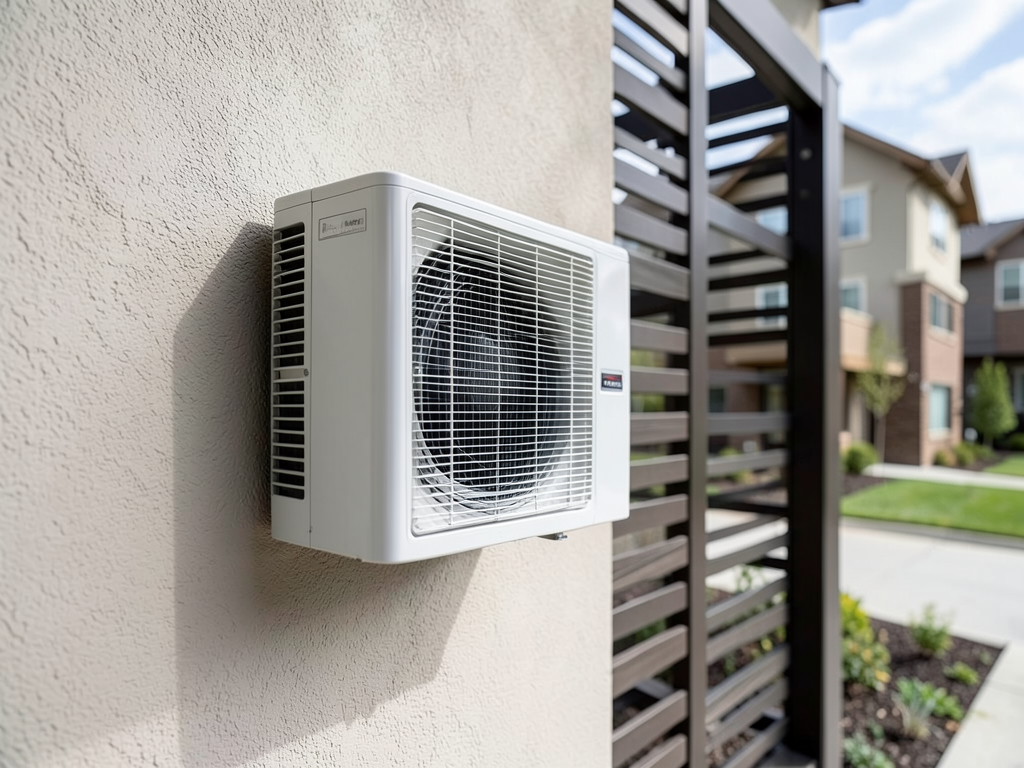
When dealing with Tech Center HOAs certain equipment characteristics make approval more likely. Low-profile mini-split systems often satisfy both aesthetic and noise requirements especially for townhomes where outdoor space is limited. These systems typically operate at 40-45 dB and can be mounted on exterior walls with minimal visual impact. Ductless Mini Split Installation for Older Homes in The Highlands.
Heat pumps with inverter technology provide another advantage. They adjust compressor speed based on cooling demand operating more quietly than traditional single-stage units. Models from Mitsubishi Daikin and Fujitsu offer some of the quietest operation available often under 45 dB at full capacity.
Denver Tech Center Neighborhood Specifics
The Denver Tech Center contains diverse HOA communities with varying requirements. In Meridian Office Park area townhomes HOAs typically require units to be screened from street view and maintain 10-foot setbacks from common areas. The Inverness area features more flexible HOAs but still enforces Denver’s 55 dB limit strictly.
Newer developments near Park Meadows often have the strictest aesthetic requirements mandating specific screening materials and prohibiting rooftop installations entirely. Always verify your specific HOA’s architectural guidelines before beginning the selection process.
Permitting and Installation Requirements
Beyond HOA approval Denver County requires mechanical permits for all new AC installations. The permit process verifies that your installation meets International Mechanical Code standards and local energy efficiency requirements. Your HVAC contractor should handle permitting but you’ll need to provide HOA approval documentation before permits are issued.
Installation timing also matters in the Tech Center. Many HOAs restrict construction noise to specific hours typically 8 AM to 6 PM on weekdays. Weekend installations may require special permission or be prohibited entirely.
Cost Factors and Timeline Considerations
HOA requirements can significantly impact your installation budget. Required screening (privacy fencing lattice work or landscaping) typically adds $500-2000 to the project. Low-noise equipment premiums range from $300-800 compared to standard models.
The approval timeline affects when you can actually have the work done. With 30-45 day ARC reviews plus permit processing plan for 6-8 weeks from application submission to installation completion. Rush fees from contractors during peak summer months can add 15-25% to installation costs. Commercial HVAC Contractors.
Common HOA Approval Pitfalls
Several issues commonly cause HOA rejection in the Tech Center. Insufficient noise documentation tops the list – always include manufacturer sound data and decibel test results if available. Incorrect unit sizing also causes problems as oversized units cycle more frequently and create more noise.
Property line violations represent another frequent issue. Many Tech Center lots have minimal side yards making proper setback compliance challenging. Consider slimline condenser designs or wall-mounted mini-splits when space is limited.
Working with Your HOA Effectively
Successful HVAC installations in the Tech Center require proactive communication with your HOA. Before selecting equipment attend a board meeting or schedule a consultation with the property manager to understand specific requirements. Some HOAs maintain preferred vendor lists or require specific screening materials.
Document all communications with your HOA in writing. If verbal approval is given for variances follow up with email confirmation. This documentation protects you if disputes arise later.
Energy Efficiency and HOA Approval
Energy-efficient equipment often receives preferential treatment from HOAs especially in the Tech Center where many communities emphasize sustainability. ENERGY STAR certified units with SEER2 ratings above 16 typically face fewer aesthetic restrictions since they align with community environmental goals.
Some HOAs offer expedited approval for high-efficiency equipment or provide guidelines specifically for green building technologies. Heat pumps which provide both heating and cooling often receive approval more readily than traditional AC-only units.
Final Steps Before Installation
Once you receive HOA approval and permits verify that your contractor understands all requirements. The final installation must match approved plans exactly – changes require new approval and can result in fines or forced removal. Schedule a pre-installation walkthrough with your HOA representative if required.
After installation most HOAs require final inspection and documentation submission. This typically includes photos of the completed installation equipment specifications and confirmation that all screening requirements were met.
Frequently Asked Questions
Can my HOA completely deny an AC installation?
Under Colorado law HOAs cannot completely prohibit energy-efficient cooling equipment like heat pumps. However they can regulate placement noise levels and aesthetics to maintain community standards.
How long does HOA approval typically take in the Denver Tech Center?
Most ARC applications in the Tech Center require 30-45 days for review and approval. Complex cases or incomplete applications can extend this timeline significantly.
What happens if I install without HOA approval?
Installing without approval can result in fines forced removal of the equipment and potential legal action. Always obtain written approval before beginning any installation.
Ready to Navigate Your HOA Requirements?
Understanding and complying with HOA rules for AC installation in the Denver Tech Center doesn’t have to be overwhelming. Our team has extensive experience working with local HOAs and navigating the approval process efficiently.
Call (720) 502-9511 today to schedule a consultation. We’ll help you select the right equipment prepare your HOA application and ensure your installation meets all local requirements. Don’t let HOA regulations delay your comfort – let us handle the details while you enjoy reliable cooling all summer long.