
Retrofitting Central Air into a West Highland Home Without Ruining the Architecture
West Highland’s tree-lined streets and historic bungalows are Denver treasures. But when summer heat hits, many homeowners face a tough choice: endure sweltering rooms or risk damaging irreplaceable architectural details. The good news is modern HVAC technology now makes it possible to add central cooling without cutting into century-old lath and plaster walls or installing bulky ductwork that destroys the home’s character. Denver Landmark Preservation Commission.
Denver’s high-desert climate means summer temperatures regularly climb into the 90s, and West Highland’s older homes were built before air conditioning existed. These homes typically have balloon framing, plaster walls, and minimal attic space making traditional duct installation nearly impossible. Understanding your options and Denver’s specific regulations is the first step toward comfortable living without sacrificing historic charm.. Read more about Understanding How HOA Rules Affect Your AC Installation in the Denver Tech Center.
Why Traditional Ductwork Won’t Work in West Highland
Most West Highland homes built between 1900 and 1940 were constructed with balloon framing. This method creates continuous wall cavities from foundation to roof making it impossible to snake new ductwork through existing walls without major demolition. The original lath and plaster construction is another obstacle. Unlike modern drywall, these walls cannot be patched seamlessly after cutting large holes for vents and returns.
Many West Highland properties also lack adequate attic or crawl space. The compact nature of these homes means there’s simply nowhere to hide conventional ductwork. Even if you could install it the cost of repairing damaged plaster walls and matching century-old trim work would be astronomical. This is why specialized solutions have become the standard for historic Denver neighborhoods. Fast AC Repair Services in Aurora for When the Summer Heat Hits.
High-Velocity Systems: The Preservationist’s Choice
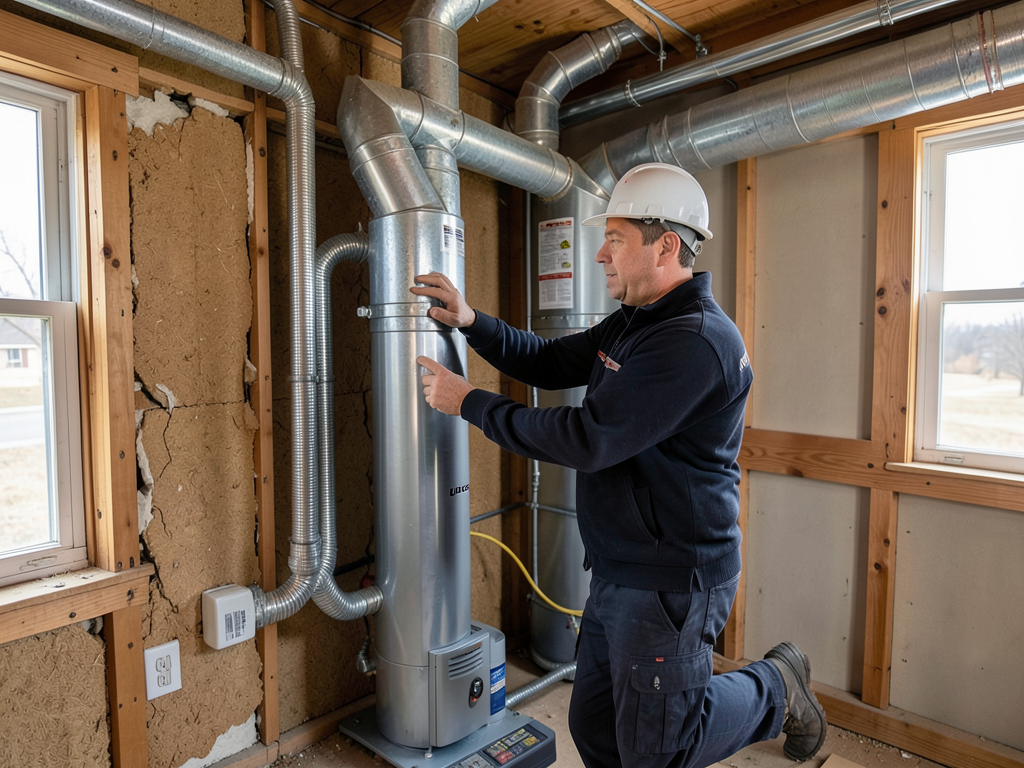
High-velocity HVAC systems like Unico and SpacePak represent the gold standard for historic home retrofits. These systems use small flexible ducts only two to three inches in diameter that can snake through existing wall cavities with minimal damage. The vents are also tiny round outlets that blend seamlessly with any decor.
The technology works by moving air at much higher speeds than conventional systems. This creates a gentle mixing effect that eliminates hot and cold spots while using less energy. A typical installation can cool a 2,000-square-foot home using ducts that are nearly invisible behind existing walls. The outdoor condenser units are also smaller and quieter than standard AC units making them less obtrusive in historic neighborhoods.
Golden Nugget: High-velocity systems operate at sound levels around 49 decibels about as loud as a quiet conversation. This matters in West Highland where Denver noise ordinances limit outdoor equipment to 70 decibels at the property line.
Ductless Mini-Splits: Modern Comfort with Zero Wall Damage
Ductless mini-split systems offer another excellent option for West Highland homes. These systems consist of an outdoor compressor connected to one or more indoor air handlers mounted on walls or ceilings. The connection requires only a three-inch hole through the exterior wall making them ideal for plaster construction. Xcel Energy cooling rebates.
Modern mini-splits are incredibly efficient with SEER2 ratings up to 25 compared to 14-16 for conventional systems. This means lower energy bills and smaller carbon footprint. The indoor units are also available in designer colors and can be mounted in ways that minimize visual impact. Some homeowners even recess them into existing ceiling cavities for a completely flush appearance. Ductless Mini Split Installation for Older Homes in The Highlands.
The modular nature of mini-splits allows you to cool only occupied rooms. This zoned approach can reduce energy consumption by 30% compared to cooling an entire house. For West Highland’s historic homes where energy efficiency matters this targeted cooling makes perfect sense.
Slim-Line Central Air: The Best of Both Worlds
Slim-line central air systems bridge the gap between traditional ductwork and modern alternatives. These systems use larger ducts than high-velocity options but still much smaller than conventional installations. The key advantage is they can often be routed through existing chase ways or closets without major demolition. Getting a New Central Air System Installed in Your Lakewood Home.
The indoor air handlers are designed to fit in tight spaces and can be mounted horizontally in attics or vertically in utility closets. The supply ducts are insulated flexible tubing that can bend around obstacles. While this option requires more wall penetration than mini-splits it still causes far less damage than conventional duct installation.
Slim-line systems work best for West Highland homes with some accessible attic space or those willing to sacrifice a small closet for the air handler. The trade-off is slightly higher installation costs but the benefit of whole-house cooling with minimal structural impact.
Navigating Denver’s Landmark Preservation Commission
West Highland contains several Denver Landmark Preservation District areas. Any exterior modifications including AC condenser placement require approval from the Denver Landmark Preservation Commission. Understanding these requirements before starting your project can save months of delays and thousands in redesign costs.
The commission evaluates proposals based on visibility from public streets and impact on historic character. Condensers must be screened from view using landscaping or architectural features that match the home’s style. The screening must be substantial enough to hide the unit year-round including when trees lose their leaves in winter.
Denver’s Landmark Preservation Office requires detailed drawings showing the condenser location, screening method, and how the installation maintains the property’s historic appearance. They also review noise levels and vibration impacts on neighboring properties. Most approvals take 30-45 days so factor this timeline into your project planning.
Golden Nugget: Denver Municipal Code Section 30-2-605 specifically addresses mechanical equipment in historic districts. The code requires that all exterior HVAC equipment be screened from public view and that screening materials match the primary structure’s architectural style.
Case Study: 1925 Craftsman in West Highland
A recent project on Perry Street demonstrates how modern solutions preserve historic charm. The 1925 Craftsman had no ductwork and plaster walls throughout. The homeowners wanted central air without destroying the home’s character or violating Denver preservation rules.
We installed a high-velocity Unico system with ducts routed through existing wall cavities and floor joists. The small supply outlets were placed in baseboards matching the original trim. The outdoor condenser was positioned behind a custom cedar screen that matched the home’s siding. The entire installation preserved every original plaster wall and trim piece.
The system cools the entire house evenly with no hot spots. Energy consumption dropped by 25% compared to the previous window units. The homeowners report the system is nearly silent and completely invisible from the street. Best of all the installation preserved the home’s historic integrity and maintained compliance with Denver preservation guidelines.
Cost Considerations and Xcel Energy Rebates
High-velocity and ductless systems cost more upfront than conventional AC installation typically $12,000 to $20,000 versus $6,000 to $10,000. However several factors make them more economical long-term. The energy efficiency of modern systems reduces monthly utility bills. The minimal demolition means no expensive plaster repair or repainting. And the smaller equipment often qualifies for additional utility rebates.
Xcel Energy offers rebates for high-efficiency cooling systems with SEER2 ratings of 16 or higher. These rebates can cover up to $1,000 of installation costs. The City of Denver also provides Climate Action Rebates for energy-efficient home improvements. These combined incentives can offset 15-20% of the total project cost.
When evaluating costs consider the alternative of conventional installation. Repairing damaged plaster walls can cost $50 to $100 per square foot. Matching century-old trim and hardware adds thousands more. The specialized systems eliminate these hidden costs making them more competitive than they appear initially.
Heat Pump Technology for Year-Round Comfort
Modern heat pump systems offer both cooling and heating in one unit making them ideal for Denver’s climate. These systems extract heat from indoor air during summer and reverse the process in winter. The technology has improved dramatically with cold-climate heat pumps now operating efficiently even when temperatures drop below zero.
For West Highland homes heat pumps eliminate the need for separate furnace and AC systems. This reduces equipment costs and frees up valuable space. The systems integrate seamlessly with high-velocity and ductless installations providing year-round comfort with a single equipment set. Emergency Furnace Repair for Denver Residents Dealing with a Frozen House.
Xcel Energy’s Clean Heat program provides additional rebates for heat pump installations. These incentives combined with the energy savings make heat pumps an increasingly attractive option for historic Denver homes. The environmental benefits also align with many West Highland homeowners’ sustainability goals.
Preserving Lath and Plaster While Adding Comfort
The key to successful historic home retrofits is understanding traditional construction methods. Lath and plaster walls consist of wood strips covered with multiple layers of plaster creating a monolithic surface. Unlike drywall these walls cannot be patched invisibly. Any damage requires complete wall replacement or extensive cosmetic work.
Specialized HVAC contractors use techniques like thermographic scanning to map existing wall cavities without drilling test holes. This allows precise planning of duct routes and equipment placement. Where penetration is unavoidable contractors use specialized tools to minimize damage and can often repair small holes using traditional plaster techniques. Commercial HVAC Contractors.
The goal is zero visible damage to original surfaces. This means working within existing architectural features like closets, pantries, and utility spaces. It also means using the smallest possible openings for any necessary penetrations. The result is modern comfort without compromising historic integrity.
Condenser Placement and Screening Requirements
Denver’s noise ordinances and preservation guidelines dictate careful condenser placement. Units must be positioned to minimize noise impact on neighbors while maintaining the home’s historic appearance. This often means placing condensers on the least visible side of the house or using creative screening solutions.
Effective screening options include decorative fencing, evergreen plantings, or architectural features that match the home’s style. The screening must be substantial enough to hide the unit year-round including winter months when deciduous plants lose their leaves. Many successful installations use a combination of evergreen shrubs and decorative lattice for year-round coverage.
Ground-mounted condensers require a solid pad that won’t settle or shift over time. This is particularly important in Denver’s expansive clay soils which can cause significant movement. Proper foundation preparation prevents future alignment issues and equipment damage.
Energy Efficiency and Indoor Air Quality Benefits
Modern HVAC systems offer benefits beyond cooling. High-efficiency units filter out dust, pollen, and other allergens improving indoor air quality. This matters in Denver where high altitude and dry air can exacerbate respiratory issues. The continuous air filtration also reduces dust accumulation in historic homes where original woodwork and furnishings require special care.
Energy efficiency has improved dramatically with modern systems using 30-50% less electricity than units from just ten years ago. This translates to lower utility bills and reduced environmental impact. Many systems also include humidity control which helps preserve historic woodwork and prevents the dry air problems common in Denver homes.
The combination of improved air quality, energy efficiency, and preservation makes modern HVAC retrofits a smart investment for West Highland homeowners. The systems pay for themselves through lower utility bills while protecting the home’s historic character and improving comfort.
Getting Started with Your Historic Home Retrofit
The first step is a professional assessment of your home’s specific characteristics. This includes evaluating existing construction, identifying available routing options, and determining which systems will work best. The assessment should also review Denver’s preservation requirements and identify any potential obstacles.
Next comes detailed planning including equipment selection, routing diagrams, and permit applications. For homes in historic districts this phase includes working with the Landmark Preservation Office to ensure compliance. The planning phase typically takes 2-4 weeks depending on the complexity of the project and preservation requirements.
Installation usually takes 3-5 days for most homes. High-velocity systems require the least demolition while slim-line options may need minor wall modifications. Throughout the process reputable contractors use dust containment and protect existing finishes. The goal is leaving your home exactly as it was except now it’s cool and comfortable.
Golden Nugget: Denver Building Code Section 504.4 requires that all mechanical equipment installations include proper condensate drainage to prevent water damage. This is particularly important in historic homes where water damage can cause extensive and expensive repairs to original materials.
Frequently Asked Questions
Will installing central air decrease my home’s historic value?
Done properly modern HVAC installation will not decrease your home’s value. In fact many buyers now expect central air even in historic homes. The key is choosing systems that preserve original materials and maintain the home’s exterior appearance. Professional installation using high-velocity or ductless systems can actually increase value by adding modern comfort without historic compromise.
How long does the Landmark Preservation approval process take?
Denver’s Landmark Preservation Commission typically reviews applications within 30-45 days. Complex projects or those requiring variances may take longer. Starting the approval process early is essential since you cannot begin installation without approval. Working with contractors experienced in Denver preservation requirements can streamline this process significantly.
Can I install the system myself to save money?
DIY installation is not recommended for several reasons. First HVAC systems require specialized knowledge to size and install correctly. Second Denver requires permits and inspections for all mechanical installations. Third improper installation can damage historic materials beyond repair. Professional installation ensures code compliance, preserves your home’s integrity, and maintains warranty coverage.
What about winter heating? Can these systems provide both?
Many modern systems including heat pumps provide both cooling and heating. Heat pumps are particularly efficient in Denver’s climate and can handle most winter days. For extreme cold some homeowners maintain a small backup heating system. The all-in-one approach eliminates the need for separate furnace and AC systems reducing equipment costs and space requirements.
Call (720) 502-9511 Today to Schedule Your Inspection
Don’t let another summer pass without the comfort you deserve. Our team specializes in historic Denver home retrofits and understands the unique challenges of West Highland architecture. We’ll assess your home’s specific needs, navigate Denver’s preservation requirements, and design a system that keeps you cool without compromising your home’s character.
Pick up the phone and call (720) 502-9511 before the next heat wave hits. Our experienced technicians will provide a detailed assessment and clear proposal with no high-pressure sales tactics. We believe in educating homeowners so you can make the best decision for your historic Denver home.
You may also find this helpful. Why Your Barnum Basement Renovation Needs Better Airflow and Ventilation.
{
“@context”: “https://schema.org”,
“@type”: “BlogPosting”,
“headline”: “Retrofitting Central Air into a West Highland Home Without Ruining the Architecture”,
“description”: “Learn how to add central AC to your West Highland home without damaging historic charm. Discover high-velocity systems, mini-splits, and Denver LPC compliance.”,
“wordCount”: 2384,
“datePublished”: “2026-06-04T12:08:00.000Z”,
“dateModified”: “2026-06-04T12:08:00.000Z”,
“inLanguage”: “en-US”,
“mainEntityOfPage”: {
“@type”: “WebPage”,
“@id”: “https://fortresshvacdenver.com”
},
“publisher”: {
“@type”: “LocalBusiness”,
“name”: “Fortress HVAC Denver”,
“url”: “https://fortresshvacdenver.com”
},
“author”: {
“@type”: “Organization”,
“name”: “Fortress HVAC Denver”,
“url”: “https://fortresshvacdenver.com”
},
“image”: {
“@type”: “ImageObject”,
“url”: “https://fortresshvacdenver.com/wp-content/uploads/2026/03/retrofitting-central-air-into-a-west-highland-home-1.png”
}
}
{
“@context”: “https://schema.org”,
“@type”: “HVACBusiness”,
“name”: “Fortress HVAC Denver”,
“url”: “https://fortresshvacdenver.com”,
“address”: {
“@type”: “PostalAddress”,
“addressLocality”: “Denver”
},
“areaServed”: {
“@type”: “City”,
“name”: “Denver”
}
}
{
“@context”: “https://schema.org”,
“@type”: “FAQPage”,
“mainEntity”: [
{
“@type”: “Question”,
“name”: “Will installing central air decrease my home’s historic value?”,
“acceptedAnswer”: {
“@type”: “Answer”,
“text”: “Done properly modern HVAC installation will not decrease your home’s value. In fact many buyers now expect central air even in historic homes. The key is choosing systems that preserve original materials and maintain the home’s exterior appearance. Professional installation using high-velocity or ductless systems can actually increase value by adding modern comfort without historic compromise.”
}
},
{
“@type”: “Question”,
“name”: “How long does the Landmark Preservation approval process take?”,
“acceptedAnswer”: {
“@type”: “Answer”,
“text”: “Denver’s Landmark Preservation Commission typically reviews applications within 30-45 days. Complex projects or those requiring variances may take longer. Starting the approval process early is essential since you cannot begin installation without approval. Working with contractors experienced in Denver preservation requirements can streamline this process significantly.”
}
},
{
“@type”: “Question”,
“name”: “Can I install the system myself to save money?”,
“acceptedAnswer”: {
“@type”: “Answer”,
“text”: “DIY installation is not recommended for several reasons. First HVAC systems require specialized knowledge to size and install correctly. Second Denver requires permits and inspections for all mechanical installations. Third improper installation can damage historic materials beyond repair. Professional installation ensures code compliance, preserves your home’s integrity, and maintains warranty coverage.”
}
},
{
“@type”: “Question”,
“name”: “What about winter heating? Can these systems provide both?”,
“acceptedAnswer”: {
“@type”: “Answer”,
“text”: “Many modern systems including heat pumps provide both cooling and heating. Heat pumps are particularly efficient in Denver’s climate and can handle most winter days. For extreme cold some homeowners maintain a small backup heating system. The all-in-one approach eliminates the need for separate furnace and AC systems reducing equipment costs and space requirements.”
}
}
]
}
{
“@context”: “https://schema.org”,
“@type”: “BreadcrumbList”,
“itemListElement”: [
{
“@type”: “ListItem”,
“position”: 1,
“name”: “Home”,
“item”: “https://fortresshvacdenver.com”
},
{
“@type”: “ListItem”,
“position”: 2,
“name”: “Blog”,
“item”: “https://fortresshvacdenver.com/blog”
},
{
“@type”: “ListItem”,
“position”: 3,
“name”: “Retrofitting Central Air into a West Highland Home Without Ruining the Architecture”
}
]
}
{
“@context”: “https://schema.org”,
“@type”: “Service”,
“serviceType”: “HVAC”,
“provider”: {
“@type”: “LocalBusiness”,
“name”: “Fortress HVAC Denver”,
“url”: “https://fortresshvacdenver.com”
},
“areaServed”: {
“@type”: “City”,
“name”: “Denver”
},
“description”: “Learn how to add central AC to your West Highland home without damaging historic charm. Discover high-velocity systems, mini-splits, and Denver LPC compliance.”
}