Is Your HVAC System Helping or Hurting the Radon Levels in Your Denver Basement?
Radon gas seeps into Colorado homes through soil and foundation cracks, and your HVAC system can either help keep it out or make the problem worse. Denver sits in EPA Radon Zone 1, where average indoor levels often exceed 4.0 pCi/L, the action threshold. The way your heating and cooling equipment manages air pressure and ventilation directly impacts how much radon enters your living space. EPA Radon Information.
The Connection Between Your HVAC System and Radon Gas
Your HVAC system does not create radon, but it controls the pressure balance that determines whether soil gases enter your home. When air pressure inside drops below outdoor pressure, your house acts like a vacuum, pulling radon through foundation cracks, gaps around pipes, and porous concrete. This pressure differential happens naturally through stack effect in winter when warm indoor air rises, but HVAC equipment can amplify or reduce it.
Exhaust fans, leaky return ducts in crawlspaces, and unbalanced ventilation systems create negative pressure that actively draws radon indoors. A properly designed system maintains neutral or slightly positive pressure to keep soil gases where they belong—outside.
How Negative Pressure Increases Radon Levels
Negative pressure occurs when your home pulls more air out than it brings in. Common culprits include bathroom exhaust fans, kitchen range hoods, clothes dryers, and especially leaky HVAC return ducts in basements or crawlspaces. These create a vacuum effect that can increase radon entry rates by 50% or more.
The stack effect in Denver’s cold winters makes this worse. Warm air escaping through the attic creates lower pressure at ground level, and if your HVAC system has return ducts in the basement, it compounds the problem. A manometer reading showing negative pressure in the basement during furnace operation indicates your system is actively pulling radon indoors. Emergency Furnace Repair for Denver Residents Dealing with a Frozen House.
The Denver Factor Why Radon is Higher in the Mile High City
Denver’s high radon levels stem from uranium-rich granite bedrock common throughout Colorado’s Front Range. The state’s Zone 1 designation means average radon levels exceed 4.0 pCi/L in most areas, with Denver homes often testing between 5-10 pCi/L. The semi-arid climate and temperature extremes create conditions that maximize pressure differentials. Colorado Department of Public Health & Environment Radon Program.
Denver’s building practices also contribute. Many homes have basements or crawlspaces where return ducts run through unconditioned spaces. The city’s Green Building Ordinance requires energy efficiency, but older homes built before modern air sealing standards can have significant air leakage that exacerbates radon entry.
HVAC Solutions for Radon Mitigation
Energy Recovery Ventilators (ERVs) and Heat Recovery Ventilators (HRVs) can significantly reduce radon levels by maintaining balanced ventilation. These systems exchange stale indoor air with fresh outdoor air while recovering heat energy, preventing the negative pressure that pulls radon indoors. In Denver’s climate, ERVs are particularly effective because they manage both temperature and humidity.. Read more about Creating a Perfect Climate for Your Home Gym or Yoga Studio in Stapleton.
Makeup air units provide another solution by introducing fresh air to balance exhaust fans, eliminating negative pressure. For homes with existing radon mitigation systems, HVAC integration ensures the sub-slab depressurization system works efficiently without fighting against your heating and cooling equipment.
Radon Testing vs. HVAC Maintenance
Timing matters when addressing radon concerns. If your radon test shows levels above 4.0 pCi/L, start with a professional radon inspection before making HVAC changes. A certified radon professional can identify entry points and recommend whether you need sub-slab depressurization or if HVAC modifications alone will solve the problem.
During HVAC maintenance, technicians should check for duct leakage, especially in basements and crawlspaces. Aeroseal duct sealing can reduce air leakage by up to 90%, eliminating a major source of negative pressure. Combustion air requirements for furnaces also matter—improper venting can create pressure imbalances that increase radon entry.
Denver Building Codes and Radon Requirements
Denver’s building code requires radon-resistant construction in new homes, including gravel layers under slabs, vapor barriers, and passive vent pipes. However, many existing homes lack these features. The code also mandates proper duct sealing and ventilation balancing, which directly impacts radon levels.
According to the Colorado Department of Public Health and Environment, approximately 50% of Colorado homes have radon levels above the EPA action level. Denver’s high water table and expansive clay soils common in areas like Lakewood and Centennial can cause foundation movement that creates new entry points over time.
Pressure Diagnostics and Testing
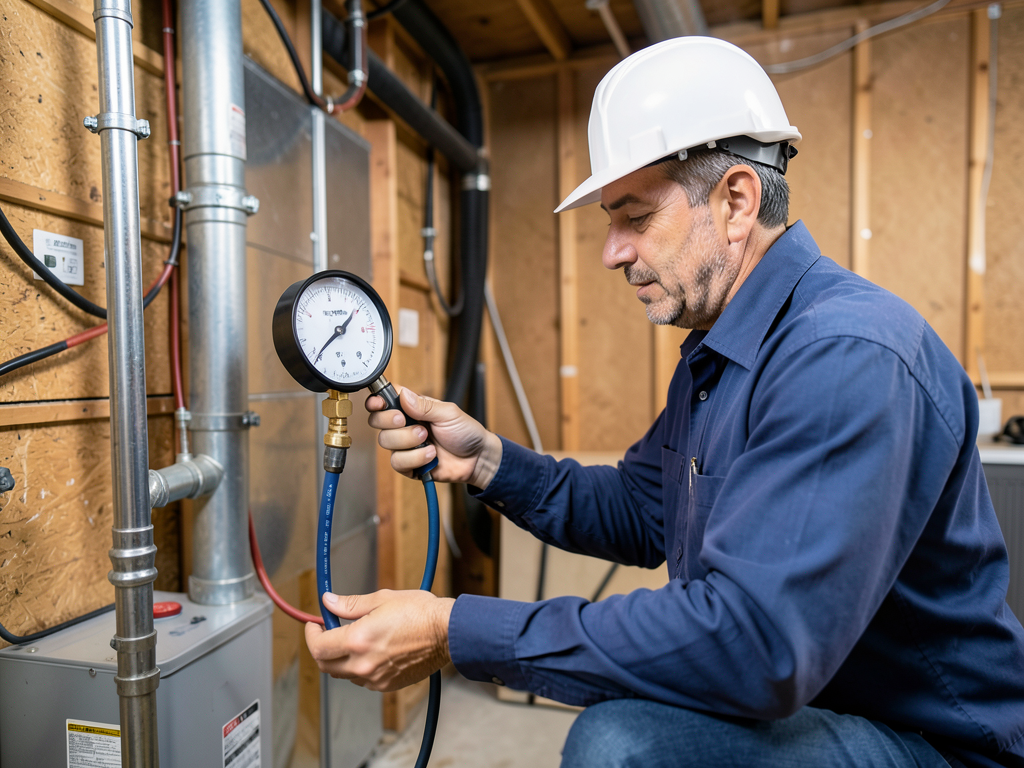
Professional pressure diagnostics use manometers to measure pressure differentials between indoor and outdoor air, as well as between different levels of your home. A pressure reading of -0.02 inches of water column or lower in the basement indicates problematic negative pressure that may be pulling radon indoors.
Technicians also use smoke pencils to visualize air movement and identify leaks around ductwork, plumbing penetrations, and foundation cracks. These diagnostic tools reveal exactly how your HVAC system interacts with your home’s pressure envelope and whether modifications could reduce radon entry.
ERV and HRV Integration for Radon Reduction
ERVs and HRVs provide continuous balanced ventilation that prevents pressure imbalances. In Denver’s climate, these systems recover up to 80% of heat from exhaust air, making them energy-efficient solutions for radon reduction. The constant air exchange dilutes radon concentrations while maintaining comfortable indoor temperatures.
Installation requires proper sizing based on your home’s cubic footage and desired air changes per hour (ACH). For radon mitigation, 0.5 to 1.0 ACH typically provides adequate dilution without excessive energy costs. The systems include filters that also improve overall indoor air quality.
Combustion Air and Radon Interaction
Furnaces and water heaters require combustion air, and how they get it affects home pressure. Naturally drafted appliances pull air from inside the home, potentially creating negative pressure. Sealed combustion units draw air directly from outside, eliminating this pressure effect and reducing radon entry.
High-efficiency furnaces with sealed combustion are particularly beneficial in radon-prone areas. They maintain neutral pressure while providing superior heating efficiency, making them a smart choice for Denver homes concerned about both energy costs and indoor air quality.
Seasonal Considerations for Denver Homes
Radon levels fluctuate seasonally, typically highest in winter when homes are sealed tight and stack effect is strongest. Denver’s dramatic temperature swings between day and night can also create pressure changes that affect radon entry rates. Summer months often show lower readings, but air conditioning can create its own pressure imbalances.
During shoulder seasons when neither heating nor cooling runs constantly, natural ventilation through open windows can help dilute radon. However, this also means your HVAC system isn’t actively managing pressure, so any existing negative pressure issues become more pronounced.
Cost-Benefit Analysis of HVAC-Based Mitigation
Traditional sub-slab depressurization systems cost $800-$1,500 to install and reduce radon by 90% or more. HVAC-based solutions like ERVs cost $2,000-$4,000 but provide year-round ventilation benefits beyond radon reduction. For homes with moderate radon levels (2-4 pCi/L), HVAC modifications might be sufficient.
The decision often depends on your home’s existing HVAC condition. If you need a new furnace anyway, upgrading to a sealed combustion unit with integrated ventilation might be more cost-effective than installing a separate radon mitigation system.
Professional Assessment and Next Steps
Determining whether your HVAC system is helping or hurting your radon levels requires professional assessment. A qualified technician will measure pressure differentials, inspect ductwork for leaks, evaluate your current ventilation system, and test radon levels if you haven’t already done so.
The assessment should include a written report with specific recommendations, whether that’s duct sealing, installing an ERV, upgrading to sealed combustion equipment, or referring you to a radon mitigation specialist for sub-slab depressurization.
Maintenance Tips for Radon-Safe HVAC Operation
Regular HVAC maintenance plays a crucial role in radon management. Change filters monthly during peak seasons, ensure all supply and return vents are unobstructed, and have your system professionally serviced annually. Pay special attention to any exhaust fans that might create negative pressure.
If you’ve installed radon mitigation measures, coordinate with your HVAC technician to ensure the systems work together harmoniously. Some radon fans require specific clearance from HVAC equipment, and certain ventilation strategies might need adjustment to maintain optimal pressure balance.
Local Success Stories and Case Studies
Homeowners in neighborhoods like Highlands and Washington Park have seen radon levels drop from 8 pCi/L to below 2 pCi/L through HVAC modifications alone. These cases typically involved sealing duct leaks in crawlspaces, installing ERVs, and upgrading to sealed combustion furnaces.
Commercial buildings in Denver’s business districts have successfully integrated radon mitigation with energy recovery ventilation, demonstrating that large-scale solutions are both feasible and cost-effective when designed properly from the start. Commercial HVAC Contractors.
Future Trends in Radon and HVAC Technology
Smart ventilation systems that automatically adjust based on radon sensor readings are becoming available. These systems can increase ventilation when radon levels spike, such as during winter months or after barometric pressure changes. Integration with home automation platforms allows remote monitoring and control.
Building codes continue to evolve, with radon-resistant construction becoming standard in more jurisdictions. Denver’s ongoing updates to energy efficiency requirements increasingly favor balanced ventilation systems that naturally mitigate radon while improving overall indoor air quality.
Frequently Asked Questions
Can my HVAC system alone fix high radon levels?
It depends on the severity and your home’s construction. HVAC modifications can reduce radon by 25-50% in many cases, but levels above 4.0 pCi/L typically require additional mitigation measures like sub-slab depressurization.
How often should I test for radon if I have an HVAC system?
Test every two years or after any major HVAC modifications. Seasonal variations mean levels can change significantly, so consider testing during both winter and summer months for a complete picture.
Will a new high-efficiency furnace reduce my radon levels?
A sealed combustion high-efficiency furnace can help by eliminating negative pressure from the combustion process, but it won’t address other pressure imbalances in your home. Full radon reduction typically requires a comprehensive approach.
Should I seal my crawlspace vents to reduce radon?
Sealing vents without proper ventilation can create moisture problems and may increase radon levels by creating negative pressure. Always consult a professional before modifying crawlspace ventilation.
How do I know if my ductwork is causing negative pressure?
Signs include uneven heating or cooling, excessive dust around vents, and higher than expected utility bills. A professional pressure test can definitively identify negative pressure issues and their sources.
Take Action Today
Don’t wait for radon to become a health hazard in your Denver home. Call (720) 502-9511 today to schedule a comprehensive radon and HVAC assessment. Our certified technicians will evaluate your system’s impact on indoor air quality and recommend specific solutions tailored to your home’s needs.
Pick up the phone and call (720) 502-9511 before the next heating season begins. Winter stack effect combined with your current HVAC setup could be pulling dangerous levels of radon into your living space right now. Let us help you create a healthier, safer home environment.
{
“@context”: “https://schema.org”,
“@type”: “BlogPosting”,
“headline”: “Is Your HVAC System Helping or Hurting the Radon Levels in Your Denver Basement?”,
“description”: “Learn how your HVAC system affects radon levels in Denver homes. Discover pressure differentials, ERV/HRV solutions, and local building code requirements for safer indoor air.”,
“wordCount”: 1819,
“datePublished”: “2026-04-05T08:25:00.000Z”,
“dateModified”: “2026-04-05T08:25:00.000Z”,
“inLanguage”: “en-US”,
“mainEntityOfPage”: {
“@type”: “WebPage”,
“@id”: “https://fortresshvacdenver.com”
},
“publisher”: {
“@type”: “LocalBusiness”,
“name”: “Fortress HVAC Denver”,
“url”: “https://fortresshvacdenver.com”
},
“author”: {
“@type”: “Organization”,
“name”: “Fortress HVAC Denver”,
“url”: “https://fortresshvacdenver.com”
},
“image”: {
“@type”: “ImageObject”,
“url”: “https://fortresshvacdenver.com/wp-content/uploads/2026/03/is-your-hvac-system-helping-or-hurting-the-radon-l-1.png”
}
}
{
“@context”: “https://schema.org”,
“@type”: “HVACBusiness”,
“name”: “Fortress HVAC Denver”,
“url”: “https://fortresshvacdenver.com”,
“address”: {
“@type”: “PostalAddress”,
“addressLocality”: “Denver”
},
“areaServed”: {
“@type”: “City”,
“name”: “Denver”
}
}
{
“@context”: “https://schema.org”,
“@type”: “FAQPage”,
“mainEntity”: [
{
“@type”: “Question”,
“name”: “Can my HVAC system alone fix high radon levels?”,
“acceptedAnswer”: {
“@type”: “Answer”,
“text”: “It depends on the severity and your home’s construction. HVAC modifications can reduce radon by 25-50% in many cases, but levels above 4.0 pCi/L typically require additional mitigation measures like sub-slab depressurization.”
}
},
{
“@type”: “Question”,
“name”: “How often should I test for radon if I have an HVAC system?”,
“acceptedAnswer”: {
“@type”: “Answer”,
“text”: “Test every two years or after any major HVAC modifications. Seasonal variations mean levels can change significantly, so consider testing during both winter and summer months for a complete picture.”
}
},
{
“@type”: “Question”,
“name”: “Will a new high-efficiency furnace reduce my radon levels?”,
“acceptedAnswer”: {
“@type”: “Answer”,
“text”: “A sealed combustion high-efficiency furnace can help by eliminating negative pressure from the combustion process, but it won’t address other pressure imbalances in your home. Full radon reduction typically requires a comprehensive approach.”
}
},
{
“@type”: “Question”,
“name”: “Should I seal my crawlspace vents to reduce radon?”,
“acceptedAnswer”: {
“@type”: “Answer”,
“text”: “Sealing vents without proper ventilation can create moisture problems and may increase radon levels by creating negative pressure. Always consult a professional before modifying crawlspace ventilation.”
}
},
{
“@type”: “Question”,
“name”: “How do I know if my ductwork is causing negative pressure?”,
“acceptedAnswer”: {
“@type”: “Answer”,
“text”: “Signs include uneven heating or cooling, excessive dust around vents, and higher than expected utility bills. A professional pressure test can definitively identify negative pressure issues and their sources.”
}
}
]
}
{
“@context”: “https://schema.org”,
“@type”: “BreadcrumbList”,
“itemListElement”: [
{
“@type”: “ListItem”,
“position”: 1,
“name”: “Home”,
“item”: “https://fortresshvacdenver.com”
},
{
“@type”: “ListItem”,
“position”: 2,
“name”: “Blog”,
“item”: “https://fortresshvacdenver.com/blog”
},
{
“@type”: “ListItem”,
“position”: 3,
“name”: “Is Your HVAC System Helping or Hurting the Radon Levels in Your Denver Basement?”
}
]
}
{
“@context”: “https://schema.org”,
“@type”: “Service”,
“serviceType”: “HVAC”,
“provider”: {
“@type”: “LocalBusiness”,
“name”: “Fortress HVAC Denver”,
“url”: “https://fortresshvacdenver.com”
},
“areaServed”: {
“@type”: “City”,
“name”: “Denver”
},
“description”: “Learn how your HVAC system affects radon levels in Denver homes. Discover pressure differentials, ERV/HRV solutions, and local building code requirements for safer indoor air.”
}