
Is Your Ductwork Too Small for Your New High Efficiency AC in Westminster?
Your shiny new high-efficiency AC unit hums along, but your home still feels uncomfortable. Rooms stay too hot or too cold. Energy bills climb higher than expected. The problem might not be your AC at all. It could be your ductwork is too small to handle the system’s airflow requirements. Air Conditioning Contractors of America.
Westminster homes built before 2010 often have undersized ducts that worked fine with older equipment. When you upgrade to a high-efficiency unit with higher airflow demands, those same ducts become a bottleneck. This creates a cascade of problems that hurt comfort, efficiency, and equipment lifespan.
Understanding how ductwork sizing affects your AC performance helps you avoid costly mistakes. Let’s explore the signs, causes, and solutions for undersized ductwork in Westminster homes.
Signs Your Ducts Are Too Small for Your AC System
Small ductwork creates specific symptoms that homeowners notice daily. These signs indicate your system struggles to move enough air through the ducts.
Whistling or whooshing sounds from vents signal high air velocity through undersized ducts. When air rushes through too small of a space, it creates turbulence and noise. You might hear this most when the system first starts up or during peak cooling cycles.
Uneven temperatures across rooms point to airflow distribution problems. Some rooms feel like freezers while others stay stuffy and warm. This happens because undersized ducts cannot deliver enough conditioned air to all areas of your home.
Short cycling occurs when your AC turns on and off frequently. The system cools the air near the thermostat quickly, then shuts down before properly conditioning the entire home. This pattern wastes energy and causes premature equipment wear.
High energy bills despite efficient equipment suggest your system works harder than necessary. When ducts restrict airflow, your AC runs longer cycles trying to meet thermostat demands. This increased runtime cancels out efficiency gains from your new unit.
Ice buildup on indoor coils indicates restricted airflow over the evaporator. When air moves too slowly across the coils, moisture freezes on the cold surfaces. This ice insulates the coils and further reduces cooling capacity.
The Science Behind Duct Sizing: Manual D Standards
Professional HVAC contractors use ACCA Manual D to calculate proper duct sizing. This standard ensures ducts can handle the airflow your system needs without excessive resistance. Commercial HVAC Contractors.
Manual D calculations consider several factors. Your home’s square footage determines total airflow requirements. Room-by-room heat loss calculations from Manual J determine how much air each space needs. The duct material and configuration affect friction losses.
Static pressure represents the resistance your system must overcome to move air. Think of it like blood pressure in your body. Too high, and your system works harder than necessary. Manual D sets maximum static pressure limits based on your equipment’s blower capacity.
Friction loss occurs as air rubs against duct surfaces. Longer runs, more turns, and smaller diameters all increase friction. Manual D accounts for these losses by increasing duct size in problem areas.
Velocity affects both comfort and noise. High-velocity air creates drafts and turbulence. Manual D keeps air moving at comfortable speeds, typically under 700 feet per minute in main ducts and 500 feet per minute in branch ducts.
Denver’s Altitude Makes Duct Sizing Critical
Westminster sits at 5,300 feet above sea level. This altitude affects how your AC system moves air through ducts.
Thinner air at high altitude means your system must move more cubic feet of air to deliver the same cooling. A system that works perfectly in Denver might struggle in Westminster without proper adjustments. Denver Green Building Ordinance.
Blower motors must work harder to overcome the reduced air density. Your high-efficiency AC’s variable-speed blower helps, but only if ducts can handle the increased airflow demands.
Static pressure calculations become more critical at altitude. The same duct that works fine at sea level creates excessive resistance when air density drops by 15 percent.
Temperature differences between supply and return air increase at altitude. Your system must move more air to maintain comfort when outdoor temperatures spike above 90 degrees.
Common Ductwork Problems in Westminster Homes
Many Westminster homes built between 1970 and 2000 have ductwork that barely meets minimum standards. These systems often become problematic when paired with modern high-efficiency equipment.
Undersized return air ducts create the most common issues. When return ducts cannot pull enough air back to the unit, the entire system loses capacity. This forces your AC to run longer cycles and struggle to maintain temperature.
Improperly sized supply ducts cause hot and cold spots. Branch ducts that are too small cannot deliver enough conditioned air to distant rooms. This leaves some areas comfortable while others remain stuffy.
Poor duct layout increases friction losses. Sharp turns, long horizontal runs, and inadequate support all restrict airflow. These problems compound in homes with complex floor plans or multiple levels.
Leaky ducts waste conditioned air before it reaches rooms. Even properly sized ducts lose effectiveness when seams separate or connections loosen over time. This forces your system to work harder to compensate for lost airflow.
Insufficient return air grilles create pressure imbalances. When rooms cannot return enough air, supply ducts struggle to push new conditioned air into the space. This creates a bottleneck that affects the entire system.
Testing Your Duct System: The Static Pressure Test
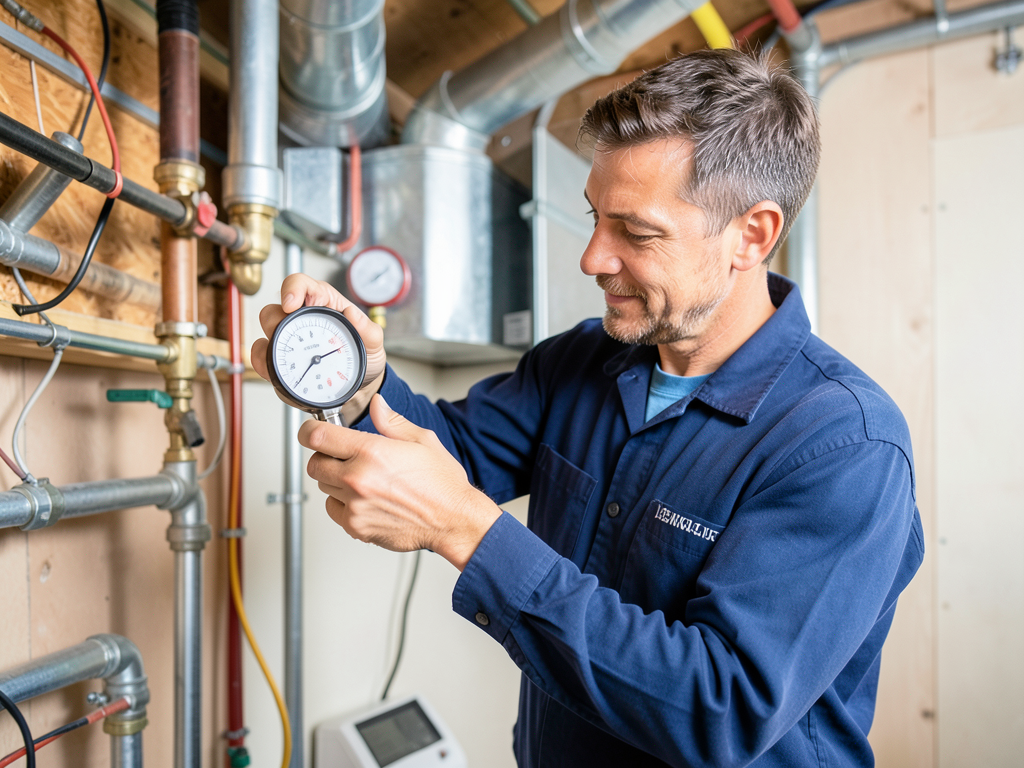
Professional HVAC technicians use static pressure testing to diagnose duct problems. This test measures the resistance your system faces when moving air.
Technicians install test ports in your supply and return ducts. They use a manometer to measure pressure drops across the system. These readings show whether your ducts create excessive resistance.
Normal static pressure for most residential systems ranges from 0.3 to 0.5 inches of water column. Readings above 0.8 indicate significant restrictions that hurt performance.
The test reveals specific problem areas. High pressure drops across certain sections indicate undersized ducts or excessive friction. Low pressure might suggest disconnected ducts or air leaks.
Technicians compare test results to your equipment’s specifications. Every AC unit has a maximum static pressure rating. Exceeding this limit forces the blower motor to work harder and reduces efficiency.
Static pressure testing provides concrete data for repair decisions. Rather than guessing about duct problems, you get measurable evidence of exactly where issues exist. Fast AC Repair Services in Aurora for When the Summer Heat Hits.
Fixing Undersized Ductwork: Your Options
Several approaches exist for solving ductwork problems. The right solution depends on your specific situation and budget.
Duct resizing involves replacing undersized sections with larger ducts. This directly addresses the root cause but requires opening walls, ceilings, or floors to access existing ducts.
Duct sealing eliminates air leaks that waste conditioned air. This improves system efficiency even if ducts remain slightly undersized. Professional sealing uses specialized equipment to find and fix leaks throughout the system.. Read more about Is Duct Sealing Worth the Cost for Your Drafty Harvey Park Mid-Century Modern?.
Adding return air pathways increases system capacity without major renovations. Installing additional return grilles or transfer grilles between rooms improves air circulation and reduces pressure imbalances.
Variable-speed blowers help systems overcome minor duct restrictions. These motors adjust their speed based on system resistance, maintaining airflow even when ducts create some friction.
High-velocity systems use smaller ducts with higher air speeds. This approach works well in homes where traditional ductwork would require extensive renovations.
Mini-split ductless systems eliminate ductwork entirely. These units provide zoned cooling without relying on central ducts to distribute air. Ductless Mini Split Installation for Older Homes in The Highlands.
Cost Considerations for Duct Repairs
Ductwork repairs range from simple sealing to complete system replacement. Understanding typical costs helps you budget appropriately. Repair vs. Replace AC Guide.
Professional duct sealing costs between $1,500 and $3,000 for most homes. This process fixes leaks and improves efficiency without major construction.
Duct resizing in accessible areas costs $2,000 to $5,000. This includes replacing undersized sections in attics, basements, or crawl spaces where access is relatively easy.
Complete duct replacement in finished homes ranges from $8,000 to $15,000. This extensive work requires opening walls and ceilings to install properly sized ducts throughout the home.
High-velocity systems cost $10,000 to $20,000 installed. These systems use smaller ducts but require specialized equipment and professional installation.
Mini-split systems cost $3,000 to $10,000 depending on the number of zones needed. Each indoor unit handles a specific area, eliminating central duct distribution problems. Getting a New Central Air System Installed in Your Lakewood Home.
The right choice depends on your home’s construction, your comfort needs, and your budget. Professional assessment helps identify the most cost-effective solution.
Preventing Duct Problems with New AC Installation
Proper planning prevents ductwork issues when installing new AC equipment. Following these steps ensures your system performs as designed.
Manual J load calculations determine your home’s cooling requirements. These calculations consider square footage, insulation, windows, and local climate to size your AC correctly.
Manual D duct design ensures your ductwork can handle the airflow your new system needs. This design considers your home’s layout, available space, and existing duct locations.
Static pressure testing during installation verifies your ducts work properly with the new equipment. This testing catches problems before the system goes into regular use.
Proper equipment selection matters when replacing older systems. High-efficiency units often require more airflow than older models. Your contractor should verify your ducts can handle these increased demands.
Professional installation includes checking existing ducts for damage, leaks, and sizing issues. Addressing these problems during installation prevents performance issues later.
Post-installation testing confirms your system operates within design specifications. This testing includes airflow measurements, temperature splits, and static pressure readings.
Local Building Codes and Ductwork Standards
Denver and Westminster follow specific building codes for HVAC installations. Understanding these requirements helps ensure your system meets local standards.
The International Mechanical Code (IMC) Section 601 governs duct construction and installation. This code sets minimum standards for duct materials, insulation, and support requirements.
Denver’s Green Building Ordinance requires energy efficiency measures that affect duct design. These requirements include duct sealing standards and insulation minimums.
Westminster building permits require HVAC plans that comply with local codes. These plans must show duct sizing calculations and equipment specifications.
Manual D compliance is often required for new installations. Many jurisdictions now require duct design calculations to ensure proper system performance.
Energy efficiency standards affect duct insulation requirements. Modern codes often require higher R-values for duct insulation to reduce heat gain or loss.
Professional contractors understand these local requirements and ensure your installation complies with all applicable codes.
Frequently Asked Questions
How do I know if my ductwork is too small?
Common signs include whistling sounds from vents, hot and cold spots in different rooms, short cycling of your AC unit, and higher than expected energy bills. A professional static pressure test provides definitive diagnosis.
Can I just replace my AC unit without fixing ductwork?
You can install a new unit, but undersized ducts will limit its performance. Your new high-efficiency system may not achieve its rated efficiency, and you might experience comfort issues despite having modern equipment.
How much does it cost to fix undersized ductwork?
Costs vary widely based on the extent of work needed. Simple duct sealing ranges from $1,500 to $3,000, while complete duct replacement in finished homes can cost $8,000 to $15,000 or more.
Will bigger ducts increase my energy bills?
Properly sized ducts actually reduce energy consumption. When your system can move air efficiently, it runs less often and achieves better comfort. Undersized ducts force your system to work harder, increasing energy use.
How long does duct resizing take?
Simple duct modifications take 1-2 days. Complete duct replacement in accessible areas might take 3-5 days. Major renovations requiring wall or ceiling access could take a week or more.
Do I need permits for duct work?
Most jurisdictions require permits for significant duct modifications. Your HVAC contractor should handle permit requirements as part of the installation process.
Call (720) 502-9511 Today to Schedule Your Ductwork Inspection
Don’t let undersized ductwork sabotage your new high-efficiency AC. Our experienced technicians can diagnose your duct problems and recommend the right solution for your Westminster home. We serve homeowners throughout the Denver metro area with professional duct testing, sealing, and resizing services.
Call (720) 502-9511 now to schedule your comprehensive ductwork inspection. We’ll test your system’s static pressure, identify any sizing issues, and provide a clear plan to improve your comfort and efficiency.
Pick up the phone and call (720) 502-9511 before the next heat wave hits. Your new AC deserves ducts that can handle its airflow requirements. Let us help you achieve the comfort and efficiency you paid for.
Take Action Now for Better Comfort
Undersized ductwork creates a cascade of problems that affect your comfort, energy bills, and equipment lifespan. Whether you’re planning a new AC installation or dealing with an existing system that struggles, professional duct assessment can identify and solve these issues.
Our team understands the unique challenges Westminster homes face with duct sizing and high-altitude performance. We bring years of experience solving these exact problems for local homeowners.
Don’t wait until your system fails or your energy bills become unbearable. Call (720) 502-9511 today to schedule your inspection. We’ll help you understand your options and choose the best solution for your home and budget.
Better comfort, lower bills, and longer equipment life start with properly sized ductwork. Let us help you achieve the performance your new AC system was designed to deliver.
{
“@context”: “https://schema.org”,
“@type”: “BlogPosting”,
“headline”: “Is Your Ductwork Too Small for Your New High Efficiency AC in Westminster?”,
“description”: “Discover why your high-efficiency AC might struggle in Westminster homes. Learn about ductwork sizing issues, static pressure problems, and when to call a pro.”,
“wordCount”: 2243,
“datePublished”: “2026-05-09T06:19:00.000Z”,
“dateModified”: “2026-05-09T06:19:00.000Z”,
“inLanguage”: “en-US”,
“mainEntityOfPage”: {
“@type”: “WebPage”,
“@id”: “https://fortresshvacdenver.com”
},
“publisher”: {
“@type”: “LocalBusiness”,
“name”: “Fortress HVAC Denver”,
“url”: “https://fortresshvacdenver.com”
},
“author”: {
“@type”: “Organization”,
“name”: “Fortress HVAC Denver”,
“url”: “https://fortresshvacdenver.com”
},
“image”: {
“@type”: “ImageObject”,
“url”: “https://fortresshvacdenver.com/wp-content/uploads/2026/03/is-your-ductwork-too-small-for-your-new-high-effic-1.png”
}
}
{
“@context”: “https://schema.org”,
“@type”: “HVACBusiness”,
“name”: “Fortress HVAC Denver”,
“url”: “https://fortresshvacdenver.com”,
“address”: {
“@type”: “PostalAddress”,
“addressLocality”: “Denver”
},
“areaServed”: {
“@type”: “City”,
“name”: “Denver”
}
}
{
“@context”: “https://schema.org”,
“@type”: “FAQPage”,
“mainEntity”: [
{
“@type”: “Question”,
“name”: “How do I know if my ductwork is too small?”,
“acceptedAnswer”: {
“@type”: “Answer”,
“text”: “Common signs include whistling sounds from vents, hot and cold spots in different rooms, short cycling of your AC unit, and higher than expected energy bills. A professional static pressure test provides definitive diagnosis.”
}
},
{
“@type”: “Question”,
“name”: “Can I just replace my AC unit without fixing ductwork?”,
“acceptedAnswer”: {
“@type”: “Answer”,
“text”: “You can install a new unit, but undersized ducts will limit its performance. Your new high-efficiency system may not achieve its rated efficiency, and you might experience comfort issues despite having modern equipment.”
}
},
{
“@type”: “Question”,
“name”: “How much does it cost to fix undersized ductwork?”,
“acceptedAnswer”: {
“@type”: “Answer”,
“text”: “Costs vary widely based on the extent of work needed. Simple duct sealing ranges from $1,500 to $3,000, while complete duct replacement in finished homes can cost $8,000 to $15,000 or more.”
}
},
{
“@type”: “Question”,
“name”: “Will bigger ducts increase my energy bills?”,
“acceptedAnswer”: {
“@type”: “Answer”,
“text”: “Properly sized ducts actually reduce energy consumption. When your system can move air efficiently, it runs less often and achieves better comfort. Undersized ducts force your system to work harder, increasing energy use.”
}
},
{
“@type”: “Question”,
“name”: “How long does duct resizing take?”,
“acceptedAnswer”: {
“@type”: “Answer”,
“text”: “Simple duct modifications take 1-2 days. Complete duct replacement in accessible areas might take 3-5 days. Major renovations requiring wall or ceiling access could take a week or more.”
}
},
{
“@type”: “Question”,
“name”: “Do I need permits for duct work?”,
“acceptedAnswer”: {
“@type”: “Answer”,
“text”: “Most jurisdictions require permits for significant duct modifications. Your HVAC contractor should handle permit requirements as part of the installation process.”
}
}
]
}
{
“@context”: “https://schema.org”,
“@type”: “BreadcrumbList”,
“itemListElement”: [
{
“@type”: “ListItem”,
“position”: 1,
“name”: “Home”,
“item”: “https://fortresshvacdenver.com”
},
{
“@type”: “ListItem”,
“position”: 2,
“name”: “Blog”,
“item”: “https://fortresshvacdenver.com/blog”
},
{
“@type”: “ListItem”,
“position”: 3,
“name”: “Is Your Ductwork Too Small for Your New High Efficiency AC in Westminster?”
}
]
}
{
“@context”: “https://schema.org”,
“@type”: “Service”,
“serviceType”: “HVAC”,
“provider”: {
“@type”: “LocalBusiness”,
“name”: “Fortress HVAC Denver”,
“url”: “https://fortresshvacdenver.com”
},
“areaServed”: {
“@type”: “City”,
“name”: “Denver”
},
“description”: “Discover why your high-efficiency AC might struggle in Westminster homes. Learn about ductwork sizing issues, static pressure problems, and when to call a pro.”
}