Why Your Green Mountain HVAC Rattles When the Wind Blows
Living in Green Mountain means dealing with the Front Range’s notorious wind patterns. When those gusts hit, your HVAC system shouldn’t sound like it’s about to take flight. That rattling noise isn’t just annoying—it could signal real problems with your system’s static pressure, ductwork integrity, or blower motor performance. Denver’s high altitude and dry air create unique HVAC challenges that generic troubleshooting guides miss. The thin mountain air affects how your system moves air, and Green Mountain’s exposure to open plains means wind forces are amplified against your home’s exterior components.
Most rattling sounds fall into three categories: whistling through vents, vibrating ductwork, or humming from the outdoor unit. Each points to different failure points. Whistling often means undersized return air grilles or high-MERV filters restricting airflow. Vibrating ducts suggest loose connections or missing vibration dampeners. Outdoor humming could indicate a failing capacitor or loose mounting hardware. Before you call for help, you can perform simple checks to narrow down the culprit.
Denver’s building codes require specific static pressure ratings for HVAC systems, but many Green Mountain homes—especially those built before 2010—have ductwork that doesn’t meet current efficiency standards. The 2021 Denver Mechanical Code mandates that residential HVAC systems maintain static pressure below 0.5 inches of water column. When wind increases external static pressure, older systems struggle to maintain proper airflow, causing the rattling you hear.
Call (720) 502-9511 today to schedule your inspection before the next storm hits.
Identify the Sound: Is it Whistling, Rattling, or Howling?
Different sounds point to different problems. Here’s how to diagnose what you’re hearing:
| Sound Type | Common Cause | DIY Check | Professional Fix |
|---|---|---|---|
| High-pitched whistling | Undersized return air grille or high-MERV filter | Check filter size and MERV rating | Install properly sized return air system |
| Low rumbling vibration | Loose ductwork connections or missing dampeners | Inspect visible duct joints for gaps | Seal and secure all duct connections |
| Humming from outdoor unit | Loose compressor mounting or failing capacitor | Check if mounting bolts are tight | Replace capacitor or secure mounting |
| Clicking when starting | Relay failure or loose electrical connections | Listen for clicking near electrical panel | Replace relay or tighten connections |
Green Mountain’s elevation at 6,000+ feet means your HVAC system works harder than systems at sea level. The thinner air requires higher fan speeds to move the same volume of air, which can amplify any existing vibration issues. This is why a system that runs quietly in Denver proper might rattle noticeably in Green Mountain.
The Denver Factor: Altitude and Air Density
Denver’s altitude creates specific HVAC challenges that most homeowners don’t realize exist. At 5,280 feet, air density drops about 15% compared to sea level. This affects your system’s performance in several ways:
- Lower air density means your blower motor must work harder to achieve the same airflow (CFM)
- Heat transfer through coils is less efficient, requiring longer run times
- Combustion air calculations for furnaces must account for reduced oxygen content
- Static pressure requirements increase because ducts must move thinner air
The 2021 International Mechanical Code includes altitude correction factors for HVAC design. For every 1,000 feet above sea level, static pressure requirements increase by approximately 0.1 inches of water column. A system designed for Denver proper might be under-designed for Green Mountain’s higher elevation.
Denver’s climate also creates unique stress patterns. The Front Range experiences temperature swings of 40-50 degrees in a single day. This causes ductwork to expand and contract more dramatically than in other regions, leading to the “oil canning” sound many homeowners mistake for wind noise. The Denver Building Department has documented this as a common issue in newer energy-efficient homes with tighter building envelopes. EPA Section 608 Technician Certification.
Top 5 Reasons for HVAC Wind Noise
Understanding the root causes helps you target the right solution. Here are the five most common reasons Green Mountain homeowners experience wind-related HVAC noise:
1. Undersized Return Air Grilles
Most homes have return air grilles that are too small for the system’s airflow requirements. When wind hits your home, it creates positive pressure on one side and negative pressure on the other. If your return grille is undersized, the negative pressure causes air to rush through existing openings, creating whistling sounds. The National Comfort Institute recommends return air areas of at least 1 square foot per 1,000 CFM of system airflow.
2. High-MERV Filter Restriction
Those high-efficiency filters that promise to remove allergens? They might be choking your system. A MERV 13 filter can restrict airflow by 30-50% compared to a MERV 8. When wind increases system demand, these filters create a bottleneck that causes air to whistle through gaps around the filter frame or in the ductwork.
3. Loose Ductwork Connections
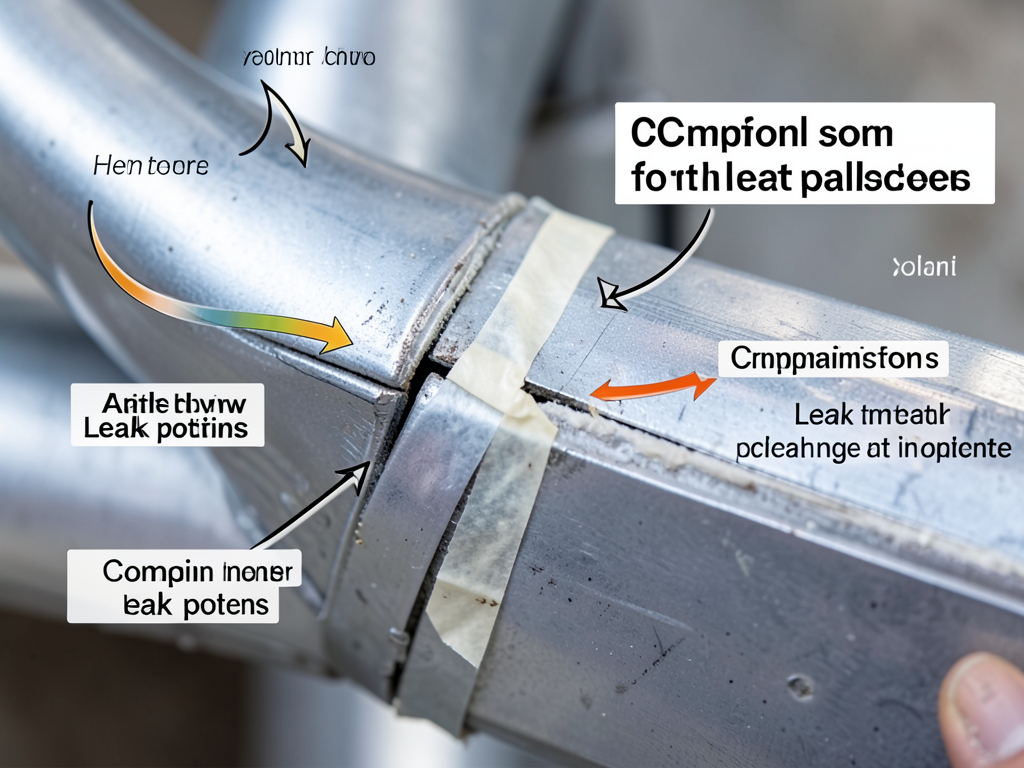
Ductwork expands and contracts with temperature changes. Over time, joints separate slightly, creating gaps. When wind increases system pressure, air escapes through these gaps, causing rattling and whistling. The Sheet Metal and Air Conditioning Contractors’ National Association (SMACNA) standards require ductwork to maintain less than 5% leakage at design pressure. Sheet Metal and Air Conditioning Contractors’ National Association.
4. Blower Motor Speed Issues
Your system’s blower motor has multiple speed settings. If set too high for your home’s ductwork, it creates excessive velocity that causes vibration and noise. Denver’s altitude means motors often need adjustment to compensate for thinner air, but many technicians skip this calibration step.
5. Missing Vibration Dampeners
HVAC equipment vibrates during operation. Without proper isolation mounts or vibration dampeners, this vibration transfers to your home’s structure, amplifying through walls and floors. Green Mountain homes with hardwood floors often transmit these vibrations more noticeably than carpeted homes.
DIY Troubleshooting Checklist
Before calling a professional, you can perform these checks to identify the noise source. Always turn off power to your HVAC system before inspecting any components.
- Check Filter Orientation and Condition
Remove your air filter and inspect it. Is it installed correctly with airflow arrows pointing toward the blower? Is it clogged with dust? A dirty or backwards filter can cause whistling. Replace if dirty or over 3 months old. Repair vs. Replace AC Guide.
- Open All Supply Registers
Walk through your home and ensure all supply vents are fully open. Closed vents create pressure imbalances that can cause whistling and vibration. Don’t block vents with furniture or curtains.
- Inspect Visible Duct Joints
Look at any exposed ductwork in your basement, attic, or crawl space. Are there gaps at the joints? Can you see light through connections? Small gaps can cause significant noise when wind increases system pressure.
- Check Outdoor Unit Mounting
Examine your outdoor condenser unit. Are the mounting bolts tight? Is the unit level? Loose mounting hardware can cause humming and vibration that sounds worse in windy conditions.
- Test with Different Fan Speeds
If your thermostat has fan speed settings, try adjusting them. Sometimes reducing fan speed eliminates whistling, though it may reduce cooling efficiency. This is a temporary diagnostic test, not a permanent solution.
If these checks don’t resolve the issue, the problem likely involves internal components or design flaws that require professional diagnosis. Denver’s building codes require licensed technicians to perform certain HVAC repairs, particularly those involving refrigerant or gas lines. Fast AC Repair Services in Aurora for When the Summer Heat Hits.
When to Call a Professional: The Static Pressure Test
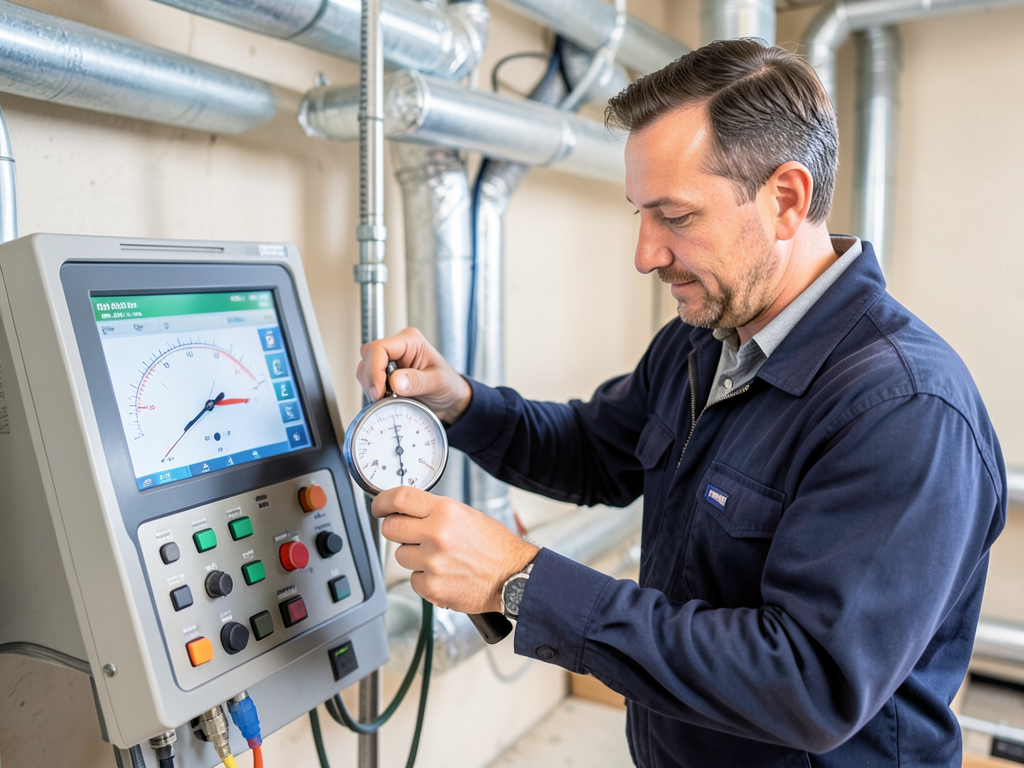
Static pressure is the “blood pressure” of your HVAC system. Too high, and your system works inefficiently and noisily. Too low, and you get inadequate heating or cooling. A professional static pressure test reveals whether your system operates within manufacturer specifications.
The test uses a manometer to measure pressure at multiple points in your system. Normal residential static pressure ranges from 0.2 to 0.5 inches of water column. Readings above 0.8 indicate serious restriction issues. Denver technicians often find Green Mountain homes with readings of 1.2 or higher due to altitude and design factors.
Professional diagnosis includes:
- Measuring static pressure across the entire system
- Checking blower motor amperage draw (should match manufacturer specs)
- Inspecting ductwork for proper sizing and sealing
- Testing capacitor health in outdoor units
- Verifying proper refrigerant charge for altitude
The EPA’s Section 608 Technician Certification requires specific training for refrigerant handling and system diagnostics. Any technician working on your system should have current certification. Denver’s air quality management district also requires documentation for certain repairs that affect system efficiency.
Call (720) 502-9511 today to schedule your inspection before the next storm hits.
Cost of Professional HVAC Noise Repair in Denver
Repair costs vary based on the specific issue and your system’s configuration. Here are typical ranges for common fixes in the Denver metro area:
| Repair Type | Typical Cost Range | Time Required | Long-term Benefit |
|---|---|---|---|
| Duct sealing and insulation | $800 – $2,500 | 4-8 hours | Reduces energy bills by 15-25% |
| Return air grille installation | $400 – $1,200 | 2-4 hours | Eliminates whistling, improves airflow |
| Blower motor capacitor replacement | $250 – $450 | 1-2 hours | Restores proper motor function |
| Vibration dampener installation | $300 – $600 | 2-3 hours | Reduces noise transmission through structure |
| Static pressure correction | $600 – $1,800 | 3-6 hours | Optimizes system efficiency and lifespan |
These prices reflect 2026 rates for licensed Denver HVAC contractors. Always verify that your contractor carries proper insurance and can provide documentation of completed work for your records. Commercial HVAC Contractors.
Preventing Future HVAC Noise Issues
Once you’ve resolved the immediate rattling issue, prevention becomes your best strategy. Green Mountain’s climate demands specific maintenance approaches:
- Schedule bi-annual HVAC maintenance to catch vibration issues early
- Replace filters every 60-90 days, more often during wildfire season
- Keep outdoor units clear of debris and ensure proper mounting
- Monitor your energy bills for sudden increases that indicate efficiency problems
- Consider a whole-home energy audit to identify duct leakage
Denver’s Building Department recommends annual inspections for systems over 10 years old. Many Green Mountain homes have systems approaching this age, making preventive maintenance especially important. The cost of regular maintenance typically pays for itself through improved efficiency and prevented breakdowns.
Green Mountain’s exposure to the Front Range wind corridor means your system will always face more stress than homes in sheltered areas. Understanding this helps you make informed decisions about when to repair versus replace aging equipment.
Green Mountain-Specific HVAC Considerations
Green Mountain’s location creates unique HVAC challenges that generic advice doesn’t address. The neighborhood sits at a higher elevation than much of Lakewood, exposing homes to stronger winds and more dramatic temperature swings. This affects everything from equipment sizing to duct design.
The area’s soil composition—primarily clay with granite outcroppings—can cause foundation shifts that misalign ductwork over time. These shifts often go unnoticed until wind creates enough pressure differential to make loose connections rattle. Denver’s building codes require flexible duct connections near foundations to accommodate this movement, but many older homes lack these features.
Green Mountain’s mix of mid-century ranch homes and newer builds means you’ll find a wide range of HVAC system ages and configurations in the neighborhood. Homes built before 1980 often have undersized return air systems by modern standards. The 2020 energy code updates specifically addressed these legacy design issues.
Local utility Xcel Energy offers rebates for high-efficiency HVAC upgrades, but many Green Mountain homeowners don’t realize their systems qualify. The utility’s rebate program changes annually, so checking current incentives before major repairs can save significant money.
Emergency HVAC Issues That Sound Like Wind Noise
Some HVAC problems create sounds similar to wind noise but indicate dangerous conditions requiring immediate attention. Knowing the difference could prevent carbon monoxide poisoning or fire hazards.
Warning signs that require immediate shutdown and professional service:
- Burning smell accompanied by humming or buzzing
- Clicking sounds that don’t stop when the system shuts off
- Whistling sounds coming from the furnace cabinet
- Vibration that causes visible shaking of the unit
- Unusual sounds from the gas valve or ignition system
The Consumer Product Safety Commission reports that HVAC electrical failures cause over 2,500 residential fires annually. Denver’s dry climate increases static electricity risks, making electrical connections even more critical to maintain properly.
If you notice any of these warning signs, turn off your system immediately and call (720) 502-9511. Our emergency response team serves Green Mountain and the entire Denver metro area 24/7. Emergency Furnace Repair for Denver Residents Dealing with a Frozen House.
Frequently Asked Questions
Why does my HVAC only rattle when it’s windy outside?
Wind creates pressure differences around your home. When wind hits one side, it creates positive pressure, while the opposite side experiences negative pressure. This pressure differential forces air through any available opening in your HVAC system, causing whistling and vibration sounds that you only notice during windy conditions.
Can I fix HVAC rattling noise myself?
Simple fixes like replacing filters, opening vents, and tightening loose panels are safe DIY tasks. However, anything involving electrical components, refrigerant lines, or gas connections should be handled by licensed professionals. Denver building codes require specific certifications for these repairs to ensure safety and code compliance.
How much does it cost to fix rattling HVAC noise?
Costs range from $100 for simple filter replacement to $2,500+ for comprehensive duct sealing and system optimization. Most Green Mountain homeowners spend $400-$800 on common fixes like return air grille installation or vibration dampener addition. A professional diagnosis typically costs $150-$300 but is often credited toward the repair if you proceed.
Will a new HVAC system solve my wind noise problem?
Not necessarily. While newer systems often operate more quietly, wind noise usually stems from ductwork design, return air sizing, or installation issues rather than the equipment itself. A new system might reduce noise if your current unit is undersized or malfunctioning, but proper diagnosis is essential before investing in replacement.
How often should I have my HVAC system inspected?
Denver HVAC professionals recommend bi-annual inspections—once before cooling season and once before heating season. Green Mountain’s extreme temperature swings make this especially important. Annual inspections are the minimum for systems over 10 years old, and monthly filter checks help prevent many noise issues before they start.
Stop living with that annoying rattle. Call (720) 502-9511 today to schedule your professional HVAC noise diagnosis. Our Denver-certified technicians understand the unique challenges Green Mountain homeowners face and can provide lasting solutions that restore peace and quiet to your home.
Don’t wait for the next windstorm to make the problem worse. Pick up the phone and call (720) 502-9511 before the next storm hits. Your comfort and peace of mind are worth it.
{
“@context”: “https://schema.org”,
“@type”: “BlogPosting”,
“headline”: “How to Stop Your HVAC System from Rattling Every Time the Wind Blows in Green Mountain”,
“description”: “Is your Green Mountain HVAC rattling in the wind? Learn Denver-specific fixes for whistling, humming, and vibration issues. Call (720) 502-9511 for expert diagnosis.”,
“wordCount”: 2402,
“datePublished”: “2026-04-01T13:38:00.000Z”,
“dateModified”: “2026-04-01T13:38:00.000Z”,
“inLanguage”: “en-US”,
“mainEntityOfPage”: {
“@type”: “WebPage”,
“@id”: “https://fortresshvacdenver.com”
},
“publisher”: {
“@type”: “LocalBusiness”,
“name”: “Fortress HVAC Denver”,
“url”: “https://fortresshvacdenver.com”
},
“author”: {
“@type”: “Organization”,
“name”: “Fortress HVAC Denver”,
“url”: “https://fortresshvacdenver.com”
},
“image”: {
“@type”: “ImageObject”,
“url”: “https://fortresshvacdenver.com/wp-content/uploads/2026/03/how-to-stop-your-hvac-system-from-rattling-every-t-1.png”
}
}
{
“@context”: “https://schema.org”,
“@type”: “HVACBusiness”,
“name”: “Fortress HVAC Denver”,
“url”: “https://fortresshvacdenver.com”,
“address”: {
“@type”: “PostalAddress”,
“addressLocality”: “Denver”
},
“areaServed”: {
“@type”: “City”,
“name”: “Denver”
}
}
{
“@context”: “https://schema.org”,
“@type”: “FAQPage”,
“mainEntity”: [
{
“@type”: “Question”,
“name”: “Identify the Sound: Is it Whistling, Rattling, or Howling?”,
“acceptedAnswer”: {
“@type”: “Answer”,
“text”: “Different sounds point to different problems. Here’s how to diagnose what you’re hearing:”
}
},
{
“@type”: “Question”,
“name”: “Why does my HVAC only rattle when it’s windy outside?”,
“acceptedAnswer”: {
“@type”: “Answer”,
“text”: “Wind creates pressure differences around your home. When wind hits one side, it creates positive pressure, while the opposite side experiences negative pressure. This pressure differential forces air through any available opening in your HVAC system, causing whistling and vibration sounds that you only notice during windy conditions.”
}
},
{
“@type”: “Question”,
“name”: “Can I fix HVAC rattling noise myself?”,
“acceptedAnswer”: {
“@type”: “Answer”,
“text”: “Simple fixes like replacing filters, opening vents, and tightening loose panels are safe DIY tasks. However, anything involving electrical components, refrigerant lines, or gas connections should be handled by licensed professionals. Denver building codes require specific certifications for these repairs to ensure safety and code compliance.”
}
},
{
“@type”: “Question”,
“name”: “How much does it cost to fix rattling HVAC noise?”,
“acceptedAnswer”: {
“@type”: “Answer”,
“text”: “Costs range from $100 for simple filter replacement to $2,500+ for comprehensive duct sealing and system optimization. Most Green Mountain homeowners spend $400-$800 on common fixes like return air grille installation or vibration dampener addition. A professional diagnosis typically costs $150-$300 but is often credited toward the repair if you proceed.”
}
},
{
“@type”: “Question”,
“name”: “Will a new HVAC system solve my wind noise problem?”,
“acceptedAnswer”: {
“@type”: “Answer”,
“text”: “Not necessarily. While newer systems often operate more quietly, wind noise usually stems from ductwork design, return air sizing, or installation issues rather than the equipment itself. A new system might reduce noise if your current unit is undersized or malfunctioning, but proper diagnosis is essential before investing in replacement.”
}
},
{
“@type”: “Question”,
“name”: “How often should I have my HVAC system inspected?”,
“acceptedAnswer”: {
“@type”: “Answer”,
“text”: “Denver HVAC professionals recommend bi-annual inspections—once before cooling season and once before heating season. Green Mountain’s extreme temperature swings make this especially important. Annual inspections are the minimum for systems over 10 years old, and monthly filter checks help prevent many noise issues before they start.”
}
}
]
}
{
“@context”: “https://schema.org”,
“@type”: “HowTo”,
“name”: “DIY HVAC Noise Troubleshooting”,
“step”: [
{
“@type”: “HowToStep”,
“position”: 1,
“name”: “Check Filter Orientation and Condition”,
“text”: “Remove your air filter and inspect it. Is it installed correctly with airflow arrows pointing toward the blower? Is it clogged with dust? A dirty or backwards filter can cause whistling. Replace if dirty or over 3 months old. Repair vs. Replace AC Guide.”
},
{
“@type”: “HowToStep”,
“position”: 2,
“name”: “Open All Supply Registers”,
“text”: “Walk through your home and ensure all supply vents are fully open. Closed vents create pressure imbalances that can cause whistling and vibration. Don’t block vents with furniture or curtains.”
},
{
“@type”: “HowToStep”,
“position”: 3,
“name”: “Inspect Visible Duct Joints”,
“text”: “Look at any exposed ductwork in your basement, attic, or crawl space. Are there gaps at the joints? Can you see light through connections? Small gaps can cause significant noise when wind increases system pressure.”
},
{
“@type”: “HowToStep”,
“position”: 4,
“name”: “Check Outdoor Unit Mounting”,
“text”: “Examine your outdoor condenser unit. Are the mounting bolts tight? Is the unit level? Loose mounting hardware can cause humming and vibration that sounds worse in windy conditions.”
},
{
“@type”: “HowToStep”,
“position”: 5,
“name”: “Test with Different Fan Speeds”,
“text”: “If your thermostat has fan speed settings, try adjusting them. Sometimes reducing fan speed eliminates whistling, though it may reduce cooling efficiency. This is a temporary diagnostic test, not a permanent solution.”
}
],
“image”: “https://fortresshvacdenver.com/wp-content/uploads/2026/03/how-to-stop-your-hvac-system-from-rattling-every-t-1.png”
}
{
“@context”: “https://schema.org”,
“@type”: “BreadcrumbList”,
“itemListElement”: [
{
“@type”: “ListItem”,
“position”: 1,
“name”: “Home”,
“item”: “https://fortresshvacdenver.com”
},
{
“@type”: “ListItem”,
“position”: 2,
“name”: “Blog”,
“item”: “https://fortresshvacdenver.com/blog”
},
{
“@type”: “ListItem”,
“position”: 3,
“name”: “How to Stop Your HVAC System from Rattling Every Time the Wind Blows in Green Mountain”
}
]
}
{
“@context”: “https://schema.org”,
“@type”: “Service”,
“serviceType”: “HVAC”,
“provider”: {
“@type”: “LocalBusiness”,
“name”: “Fortress HVAC Denver”,
“url”: “https://fortresshvacdenver.com”
},
“areaServed”: {
“@type”: “City”,
“name”: “Denver”
},
“description”: “Is your Green Mountain HVAC rattling in the wind? Learn Denver-specific fixes for whistling, humming, and vibration issues. Call (720) 502-9511 for expert diagnosis.”
}