
How to Evaluate Three Different HVAC Quotes for Your Englewood Home
Getting three different HVAC quotes for your Englewood home can feel overwhelming. Each contractor uses different pricing structures, brands, and labor rates. The key is knowing what separates a reliable estimate from a risky one. In Englewood’s high-desert climate with temperature swings from 20°F to 95°F, your system needs proper sizing and installation to handle both extremes. This guide breaks down what to look for so you can make an informed decision without overpaying or sacrificing quality. Getting a New Central Air System Installed in Your Lakewood Home.
What Makes Englewood HVAC Quotes Different from Other Areas
Englewood homes built between the 1950s and 1980s often have ductwork designed for lower-efficiency systems. Modern high-efficiency units require different airflow calculations. At Denver’s elevation of 5,280 feet, furnaces need derating for proper combustion air. A contractor who skips this step risks carbon monoxide issues. Englewood’s soil contains bentonite clay that expands and contracts, causing foundation shifts that can misalign ductwork over time. These local factors affect both equipment selection and installation costs. Denver Department of Community Planning and Development.
Breaking Down the Three Main Quote Components
Every HVAC quote has three main parts: equipment, labor, and additional services. Equipment costs vary by brand and efficiency rating. Labor rates in Englewood typically range from $85 to $125 per hour depending on the contractor’s experience level. Additional services might include duct sealing, electrical upgrades, or permits. A low quote that excludes these items often leads to surprise charges later. Look for quotes that itemize each component rather than bundling everything into one number. Fast AC Repair Services in Aurora for When the Summer Heat Hits.
Red Flags in HVAC Quotes That Englewood Homeowners Should Watch For
A quote that seems too good to be true probably is. Watch for contractors who skip the Manual J load calculation required by Denver’s building code. Without proper sizing, you’ll pay more in energy bills and face premature system failure. Be wary of quotes that don’t mention Denver’s Green Building Ordinance compliance or the need for a mechanical permit from Englewood’s building department. These omissions suggest the contractor might cut corners on safety and code requirements. Commercial HVAC Contractors.
How to Compare Apples to Apples When Quotes Look Different
Start by checking the equipment specifications. Two quotes might list different SEER2 ratings or AFUE percentages. Higher numbers mean better efficiency but also higher upfront costs. Ask each contractor to explain their equipment choices and why they recommend specific brands. Look at warranty terms too. A five-year parts warranty costs less than a ten-year warranty but leaves you exposed longer. Compare the total installed cost including all labor, permits, and materials rather than just the equipment price.. Read more about Why American Standard and York Are Top Choices for Arvada Families in 2026.
The Importance of Proper Load Calculations in Englewood Homes
Manual J load calculations determine the exact heating and cooling capacity your home needs. Englewood’s mixed architecture from mid-century ranches to newer builds requires different approaches. Older homes often have poor insulation and air leaks that affect sizing. A contractor who eyeballs your system size instead of calculating it mathematically risks installing equipment that’s too large or too small. Oversized units short-cycle, reducing efficiency and comfort. Undersized units run constantly, increasing wear and energy costs.. Read more about Dealing with Old Asbestos Insulation During a Furnace Upgrade in Park Hill.
Understanding Englewood’s Building Permit Requirements
Englewood requires mechanical permits for furnace and air conditioner replacements. The permit fee typically ranges from $75 to $150 depending on the project scope. Licensed contractors include this in their quotes, but some unlicensed operators skip it to appear cheaper. This creates liability issues if something goes wrong. The city inspector verifies proper installation, gas line connections, and electrical work. Without permits, you might face fines or insurance claim denials if a fire or carbon monoxide incident occurs. Emergency Furnace Repair for Denver Residents Dealing with a Frozen House.
How Altitude Affects Your Englewood HVAC System Performance
Denver’s elevation reduces oxygen availability by about 17% compared to sea level. Furnaces must be derated to prevent incomplete combustion. A 100,000 BTU furnace at sea level produces only about 83,000 BTUs at Englewood’s altitude. Contractors who ignore this derating waste fuel and create safety hazards. Heat pumps also perform differently at altitude due to reduced air density affecting heat transfer. The right contractor adjusts equipment specifications for Englewood’s elevation rather than using standard sea-level ratings.
Comparing Warranty Terms and What They Actually Cover
Warranty coverage varies significantly between manufacturers and contractors. Basic parts warranties cover defects for 5-10 years. Labor warranties, which cover installation errors, typically last 1-2 years. Some contractors offer extended labor warranties for an additional fee. Read the fine print carefully. Many warranties require annual maintenance to remain valid. Some exclude specific components like compressors or heat exchangers. A comprehensive warranty might cost more upfront but saves thousands if major components fail within the coverage period.
Why the Cheapest Quote Often Costs More Long-Term
Low-cost contractors often use lower-quality equipment, skip important steps like duct testing, or employ less experienced technicians. They might not carry proper insurance, leaving you liable for workplace injuries. Some use refurbished parts or cut corners on installation practices. These shortcuts lead to higher energy bills, more frequent repairs, and shorter system lifespan. A properly installed high-efficiency system might cost 20% more initially but can save $300-500 annually in utility costs while lasting 5-7 years longer. Repair vs. Replace AC Guide.
Questions to Ask Each Contractor Before Making Your Decision
Ask contractors to explain their load calculation methodology and show you the results. Request proof of licensing, insurance, and local permits. Ask about their experience with Englewood’s specific building types and soil conditions. Find out if they offer maintenance plans and what those include. Ask for references from recent Englewood installations. A reputable contractor welcomes these questions and provides documentation without hesitation. Avoid anyone who seems evasive or pressures you to decide quickly.. Read more about How to Handle HVAC Insurance Claims After a Denver Hail Storm in Green Valley Ranch.
The Role of Ductwork in Your HVAC Quote
Existing ductwork often needs modifications when upgrading to high-efficiency equipment. Englewood homes built before 1980 frequently have undersized ducts that restrict airflow. Some contractors include duct sealing and insulation in their quotes while others charge extra. Leaky ducts waste 20-30% of conditioned air. A comprehensive quote addresses ductwork issues rather than ignoring them. Ask contractors to inspect your ducts and explain any necessary modifications. Proper duct design improves comfort and reduces energy waste more than any equipment upgrade.
How to Spot Quality Installation Practices
Quality installation includes proper refrigerant charging, gas line sizing, and electrical connections. The contractor should use a micron gauge to verify system evacuation and check for leaks with nitrogen pressure testing. They should install a new filter rack compatible with your chosen filter type. Look for contractors who use factory-trained technicians rather than general handymen. Ask about their quality control process and whether they perform post-installation testing. Professional installation prevents the most common HVAC failures that occur within the first year.
Financing Options for Your Englewood HVAC Replacement
Many Englewood homeowners use financing to spread out HVAC replacement costs. Options include manufacturer financing with promotional rates, home equity loans, or personal loans. Some contractors partner with local banks to offer competitive terms. Compare interest rates, fees, and repayment terms carefully. A lower monthly payment might cost more long-term if the interest rate is higher. Ask about any available rebates or tax credits that could reduce your upfront costs. Xcel Energy offers rebates for high-efficiency equipment that some contractors pass directly to customers. Xcel Energy Rebates.
When to Consider a Second Opinion on Your HVAC Quote
Get a second opinion if a quote seems unusually high or low compared to others. Be particularly cautious if a contractor recommends replacing equipment that’s only 8-10 years old without clear evidence of failure. Ask why they’re recommending specific equipment over alternatives. A second opinion costs little but can save thousands if it reveals unnecessary work or better options. Look for contractors who explain their recommendations clearly and provide written documentation of their findings.
Understanding the Timeline for Your Englewood HVAC Installation
Quality HVAC installation typically takes 1-2 days for a standard replacement. Complex jobs involving ductwork modifications or electrical upgrades might take longer. Ask contractors about their current workload and expected start dates. Some rush jobs to meet deadlines sacrifice quality. Others might have long wait times due to high demand. Consider seasonal factors too. Spring and fall are busiest for HVAC contractors, while winter installations might face weather delays. A realistic timeline shows the contractor values quality over speed.. Read more about Why Home Appraisers in Hilltop Value Modern HVAC Systems So Highly.
Why Local Experience Matters in Englewood HVAC Installations
Contractors familiar with Englewood understand local building patterns, common issues, and permit requirements. They know which equipment brands perform best in Colorado’s climate and which struggle with our altitude and temperature swings. Local contractors also respond faster to warranty issues and understand Englewood’s specific code interpretations. They’re more likely to have relationships with local suppliers for quick part availability. Experience with Englewood’s building department helps navigate permit processes smoothly and avoid inspection failures.
Making Your Final Decision: Beyond Just Price
Price matters but shouldn’t be your only consideration. Evaluate each contractor’s communication, professionalism, and willingness to answer questions. Check online reviews focusing on recent Englewood installations. Consider warranty terms, maintenance offerings, and the contractor’s financial stability. A company that’s been in business for 10+ years is more likely to honor long-term warranties than a new operation. Trust your instincts about which contractor seems most knowledgeable and trustworthy. The right choice balances cost, quality, and peace of mind.
Frequently Asked Questions
How long should I expect to get HVAC quotes in Englewood?
Most reputable contractors schedule initial consultations within 2-3 days and provide written quotes within 24 hours. Complex assessments might take longer. Avoid contractors who pressure you to decide immediately or those who take weeks to respond.
What’s the average cost range for a complete HVAC replacement in Englewood?
Complete system replacements typically range from $6,000 to $15,000 depending on equipment efficiency, home size, and installation complexity. Basic systems with standard efficiency cost less, while high-efficiency variable-speed systems cost more but save on energy bills long-term.
Should I replace just the furnace or the entire HVAC system?
If your air conditioner is over 10 years old or your furnace is over 15 years old, replacing both together often makes financial sense. Mismatched systems reduce efficiency and comfort. However, if one component is relatively new, replacing just that part might be more cost-effective.
Ready to Get Your Professional HVAC Quote?
Don’t let confusing quotes leave you unsure about your Englewood home’s HVAC needs. Fortress Heating & Air provides transparent, detailed estimates that explain every component and why we recommend specific solutions for your home. Our NATE-certified technicians understand Englewood’s unique challenges from altitude to soil conditions. We handle all permits, provide clear warranties, and stand behind our work with ongoing support.
Call (720) 502-9511 today to schedule your comprehensive HVAC assessment. We’ll show you exactly what your system needs and help you understand all your options without pressure or hidden costs. Your comfort and peace of mind matter more than making a quick sale.
Pick up the phone and call (720) 502-9511 before the next temperature swing leaves you uncomfortable. We’re ready to help Englewood homeowners make informed decisions about their HVAC investments.
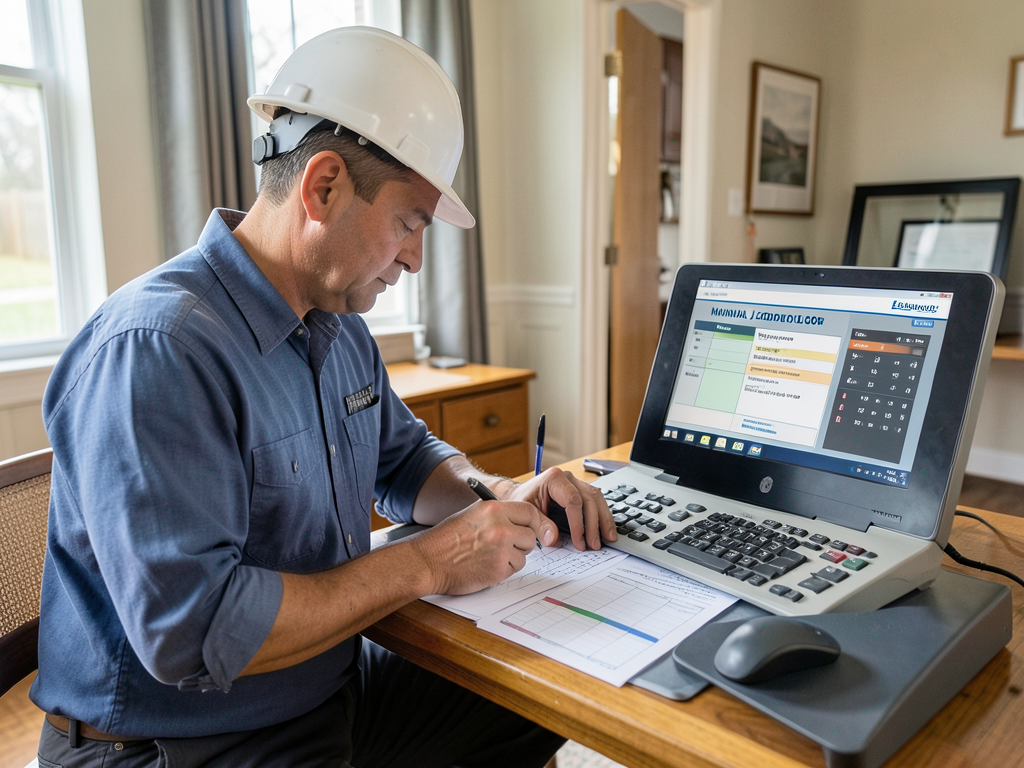
– Diagram showing proper HVAC system sizing calculations including Manual J load factors specific to Englewood’s elevation and climate conditions

– Photo of a technician performing a combustion analysis test on a furnace in an Englewood home, showing the diagnostic equipment and proper safety procedures
– Before and after comparison of ductwork modifications in a mid-century Englewood home, showing improved airflow and insulation upgrades
{
“@context”: “https://schema.org”,
“@type”: “BlogPosting”,
“headline”: “How to Evaluate Three Different HVAC Quotes for Your Englewood Home”,
“description”: “Compare HVAC quotes in Englewood with confidence. Learn what to look for in estimates, how to spot red flags, and why Fortress Heating & Air delivers transparent pricing.”,
“wordCount”: 1945,
“datePublished”: “2026-05-13T10:32:00.000Z”,
“dateModified”: “2026-05-13T10:32:00.000Z”,
“inLanguage”: “en-US”,
“mainEntityOfPage”: {
“@type”: “WebPage”,
“@id”: “https://fortresshvacdenver.com”
},
“publisher”: {
“@type”: “LocalBusiness”,
“name”: “Fortress HVAC Denver”,
“url”: “https://fortresshvacdenver.com”
},
“author”: {
“@type”: “Organization”,
“name”: “Fortress HVAC Denver”,
“url”: “https://fortresshvacdenver.com”
},
“image”: {
“@type”: “ImageObject”,
“url”: “https://fortresshvacdenver.com/wp-content/uploads/2026/03/how-to-evaluate-three-different-hvac-quotes-for-yo-1.png”
}
}
{
“@context”: “https://schema.org”,
“@type”: “HVACBusiness”,
“name”: “Fortress HVAC Denver”,
“url”: “https://fortresshvacdenver.com”,
“address”: {
“@type”: “PostalAddress”,
“addressLocality”: “Denver”
},
“areaServed”: {
“@type”: “City”,
“name”: “Denver”
}
}
{
“@context”: “https://schema.org”,
“@type”: “FAQPage”,
“mainEntity”: [
{
“@type”: “Question”,
“name”: “How long should I expect to get HVAC quotes in Englewood?”,
“acceptedAnswer”: {
“@type”: “Answer”,
“text”: “Most reputable contractors schedule initial consultations within 2-3 days and provide written quotes within 24 hours. Complex assessments might take longer. Avoid contractors who pressure you to decide immediately or those who take weeks to respond.”
}
},
{
“@type”: “Question”,
“name”: “What’s the average cost range for a complete HVAC replacement in Englewood?”,
“acceptedAnswer”: {
“@type”: “Answer”,
“text”: “Complete system replacements typically range from $6,000 to $15,000 depending on equipment efficiency, home size, and installation complexity. Basic systems with standard efficiency cost less, while high-efficiency variable-speed systems cost more but save on energy bills long-term.”
}
},
{
“@type”: “Question”,
“name”: “Should I replace just the furnace or the entire HVAC system?”,
“acceptedAnswer”: {
“@type”: “Answer”,
“text”: “If your air conditioner is over 10 years old or your furnace is over 15 years old, replacing both together often makes financial sense. Mismatched systems reduce efficiency and comfort. However, if one component is relatively new, replacing just that part might be more cost-effective.”
}
},
{
“@type”: “Question”,
“name”: “Ready to Get Your Professional HVAC Quote?”,
“acceptedAnswer”: {
“@type”: “Answer”,
“text”: “Don’t let confusing quotes leave you unsure about your Englewood home’s HVAC needs. Fortress Heating & Air provides transparent, detailed estimates that explain every component and why we recommend specific solutions for your home. Our NATE-certified technicians understand Englewood’s unique challenges from altitude to soil conditions. We handle all permits, provide clear warranties, and stand behind our work with ongoing support.”
}
}
]
}
{
“@context”: “https://schema.org”,
“@type”: “BreadcrumbList”,
“itemListElement”: [
{
“@type”: “ListItem”,
“position”: 1,
“name”: “Home”,
“item”: “https://fortresshvacdenver.com”
},
{
“@type”: “ListItem”,
“position”: 2,
“name”: “Blog”,
“item”: “https://fortresshvacdenver.com/blog”
},
{
“@type”: “ListItem”,
“position”: 3,
“name”: “How to Evaluate Three Different HVAC Quotes for Your Englewood Home”
}
]
}
{
“@context”: “https://schema.org”,
“@type”: “Service”,
“serviceType”: “HVAC”,
“provider”: {
“@type”: “LocalBusiness”,
“name”: “Fortress HVAC Denver”,
“url”: “https://fortresshvacdenver.com”
},
“areaServed”: {
“@type”: “City”,
“name”: “Denver”
},
“description”: “Compare HVAC quotes in Englewood with confidence. Learn what to look for in estimates, how to spot red flags, and why Fortress Heating & Air delivers transparent pricing.”
}