
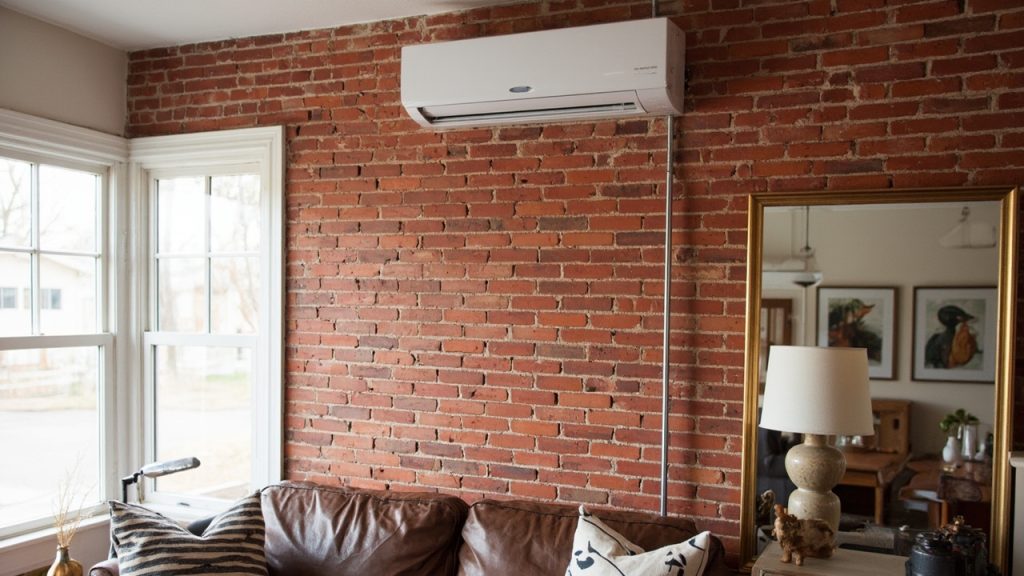
Ductless Mini Split Installation in Denver Highlands (80211)
Walking through the Highlands (80211) on a crisp autumn morning, it is easy to see why this neighborhood remains one of Denver’s most coveted enclaves. From the historic brick bungalows near Highlands Square to the modern additions dotting LoHi, the architecture is as diverse as the people who live here. However, as any long-term resident will tell you, these charming older homes often hide a frustrating secret: they were never designed for modern climate control.
Traditional central air conditioning requires bulky ductwork that many Highlands bungalows simply cannot accommodate without sacrificing original crown molding or precious closet space. This is where the ductless mini-split system becomes a game-changer. In this guide, we will walk you through exactly how to choose a ductless mini-split system for your Highlands bungalow, ensuring you stay cool during those 95°F July days and warm during the -10°F January freezes.
Why Ductless is the Gold Standard for Northwest Denver’s Historic Homes
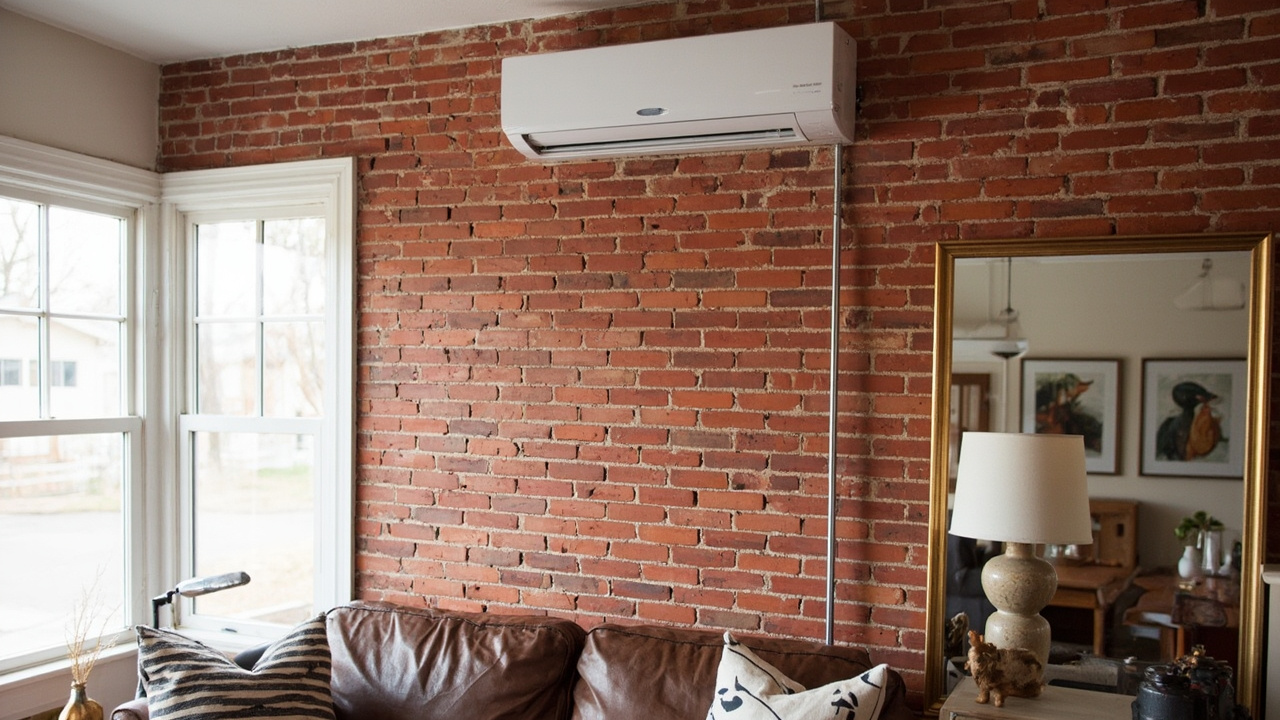
For decades, homeowners in Northwest Denver relied on window units or swamp coolers. Window units are noisy and inefficient, while Colorado’s decreasing humidity levels have made swamp coolers less effective than they once were. Ductless systems, also known as air-source heat pumps, offer a high-efficiency alternative that requires only a small three-inch hole in an exterior wall.
Comparing HVAC Solutions for Highlands Architecture
To help you visualize the difference, let’s look at how ductless systems stack up against traditional options for a typical 1,200-square-foot brick bungalow.
| Feature | Central Air (Retrofit) | Ductless Mini-Split |
|---|---|---|
| Installation Impact | High (Requires drywall/ceiling repair) | Low (Non-invasive) |
| Energy Efficiency | Moderate (14-16 SEER2) | Exceptional (20-30+ SEER2) |
| Zoned Comfort | Single Zone (All or nothing) | Multi-Zone (Room-by-room control) |
| Noise Level | Moderate (Indoor fan) | Whisper Quiet (20-25 dB) |
Step 1: Assessing Capacity and Zoning
The first step in choosing a system is determining how many zones you need. In a traditional Highlands bungalow layout, you might have a main living area, a master bedroom, and perhaps a finished attic or basement.
- Single-Zone: Perfect for a specific “hot spot,” like a sunroom or a kitchen addition.
- Multi-Zone: A single outdoor condenser can power up to eight indoor units, allowing you to set the bedroom to 68°F for sleeping while keeping the living room at 72°F.
For those living near Sloan’s Lake or closer to the busy corridor of Federal Blvd, the sound-dampening qualities of these systems also provide a secondary benefit: they act as a buffer against city noise since windows can remain closed year-round.
Step 2: Understanding SEER2 and Cold-Climate Performance
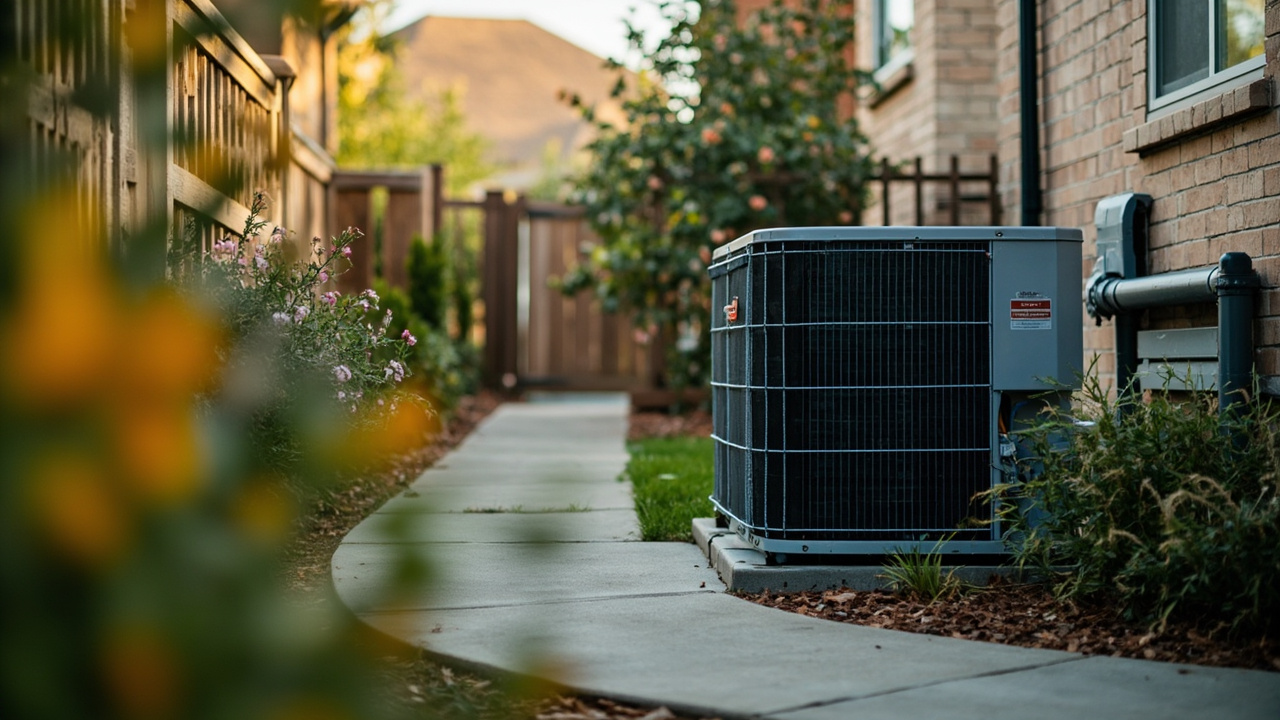
Denver’s climate is unique. We deal with extreme heat and bone-chilling cold. When reviewing technical specs, look for the SEER2 (Seasonal Energy Efficiency Ratio) and HSPF2 (Heating Seasonal Performance Factor). Higher numbers mean lower utility bills from Xcel Energy.
More importantly, ensure your system is rated for “hyper-heating” or cold-climate performance. Modern heat pumps can now extract heat from the outside air even when temperatures drop to -13°F. This is vital for Denver winters where traditional heat pumps might struggle.
Brand Comparison for Colorado Homes
| Brand | Best For | Warranty Reputation |
|---|---|---|
| Mitsubishi Electric | Ultimate performance (Hyper-Heat technology) | Excellent (12 years if Diamond Contractor) |
| Daikin | Tech-savvy features and app integration | Industry Leading |
| Fujitsu | Low-profile aesthetic designs | Very Good |
Step 3: Leveraging Rebates and Tax Credits
Choosing a ductless system in Denver is a smart financial move. Because these systems are so energy-efficient, you can offset a significant portion of the installation cost. Under the Inflation Reduction Act, homeowners may be eligible for federal tax credits of up to $2,000.
Locally, the Denver Office of Climate Action and Xcel Energy frequently offer rebates ranging from $500 to over $1,000 for high-efficiency heat pump installations. When we perform an assessment in the 80211 area, we help our neighbors navigate these filings to maximize their return on investment.
If you find yourself in a heating emergency before your new system is installed, remember that we also offer 24/7 emergency AC repair to keep your current unit limping along until the upgrade is complete.
Step 4: Finding a NATE-Certified Installer in the Highlands
In the world of HVAC, the installation is just as important as the equipment itself. A poorly installed mini-split will leak refrigerant and fail prematurely. Ensure your contractor holds a valid Denver HVAC license and employs NATE-certified technicians.
Furthermore, because Highlands bungalows are often on historic registries or within conservation districts, your installer must understand local permitting. We handle the permitting process with the City of Denver to ensure your outdoor condenser unit meets all setback requirements and noise ordinances.
Looking for a wider perspective on costs across the metro area? Check out our guide on furnace installation pricing in Aurora to see how different systems compare across the front range.
Conclusion: A Future-Proof Highlands Home
Choosing a ductless mini-split system for your Highlands bungalow is more than just a home improvement project; it is an investment in the longevity and comfort of a historic property. By selecting a system with high SEER2 ratings and hyper-heating capabilities, you ensure your home remains a sanctuary against the unpredictable Colorado weather.
Ready to upgrade your comfort? Contact a local specialist today to see how a Mitsubishi or Daikin system can be integrated seamlessly into your Northwest Denver home.