Dealing with Old Asbestos Insulation During a Furnace Upgrade in Park Hill
If you are upgrading your furnace in a Park Hill home built before 1980 you may find white tape or corrugated insulation around the pipes. This is likely asbestos a material once used for fire resistance and heat insulation. The good news is that asbestos is not dangerous if left undisturbed. The bad news is that Denver HVAC technicians cannot legally work on your system until it is properly handled. Emergency Furnace Repair for Denver Residents Dealing with a Frozen House.
Denver’s older housing stock especially in neighborhoods like Park Hill Congress Park and Mayfair often contains asbestos in furnace flue pipes and ductwork. This creates a safety and compliance issue when replacing heating equipment. This guide explains how to identify the material what Colorado law requires and how to get your home safely back to full heating capacity. Colorado Department of Public Health and Environment asbestos regulations.
Identifying Asbestos on Your Denver Furnace Pipes
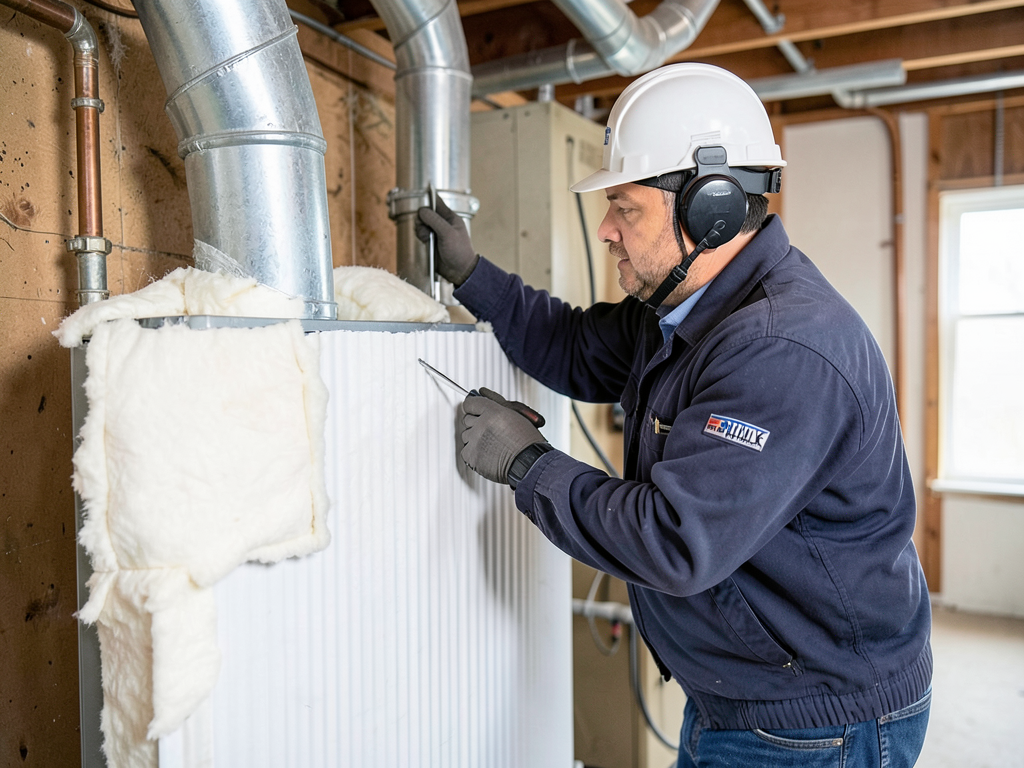
Asbestos in HVAC systems often looks like:
- White corrugated paper wrapped around hot air ducts
- Mummy-wrap tape on pipe joints
- Greyish or off-white insulation on flue pipes
This material is most common in homes built between 1920 and 1980 when asbestos was phased out. In Park Hill many houses were built during the post-World War II boom and still retain their original heating systems. The material is not dangerous if intact but becomes hazardous when cut drilled or disturbed during demolition or renovation.. Read more about Why Your Barnum Basement Renovation Needs Better Airflow and Ventilation.
If you see this insulation do not touch it. Do not try to remove it yourself. Even minor disturbance can release microscopic fibers into the air which can cause serious lung disease over time.
Is it Dangerous Health Risks for Mile High Residents
Asbestos is dangerous when it becomes friable meaning it crumbles easily and releases fibers. Denver’s dry climate can make this worse. Low humidity allows dust to stay airborne longer increasing the chance of inhalation. Friable asbestos fibers are so small they can bypass your body’s natural defenses and lodge deep in lung tissue.
Long-term exposure can lead to:
- Asbestosis a chronic lung disease
- Mesothelioma a rare cancer linked specifically to asbestos
- Lung cancer especially in smokers
The risk is highest during renovation when old insulation is torn out. If your furnace is being replaced the HVAC contractor will not proceed until the asbestos is either removed or encapsulated by a licensed professional. Repair vs. Replace AC Guide.
Colorado State Regulations and CDPHE Guidelines
Colorado regulates asbestos under Regulation No. 8 of the Air Quality Control Commission. This rule requires that any renovation project disturbing asbestos-containing materials follow strict safety protocols. In Denver County this often means:
- Hiring a Colorado Department of Public Health and Environment CDPHE-certified asbestos inspector
- Submitting a notification to CDPHE at least ten days before work begins
- Using a licensed asbestos abatement contractor for removal
- Conducting air clearance testing after removal
Violating these rules can result in fines and delays. Your HVAC contractor will not proceed until all abatement work is complete and clearance is documented. This protects both the workers and your family.
Should You Remove or Encapsulate
Two options exist for handling asbestos around furnace pipes:. Read more about Why Your Furnace Venting Needs Special Attention in High Altitude Morrison.
- Removal – Complete elimination of the material by a licensed abatement crew. This is often required if the insulation is damaged or if you are doing a full system replacement.
- Encapsulation – Sealing the material in place with a special coating. This can be a cost-effective option if the asbestos is intact and in an area not being modified.
Removal is more expensive but eliminates future concerns. Encapsulation is less invasive but may limit future renovation options. A certified inspector can help you decide based on the condition and location of the material.
Professional Inspection in Denver
Before any work begins you need a professional inspection. A CDPHE-certified inspector will take samples and send them to a lab for analysis. This step is not optional under Colorado law. The inspector will also identify the type of asbestos Chrysotile is most common in homes while Amosite is less common but more hazardous.
Inspection costs in the Denver metro area typically range from $300 to $600 depending on the size of the home and number of samples needed. The report you receive will guide the next steps including whether abatement is required and what type.
Next Steps: Getting Your Furnace Back Online
Once asbestos is addressed your HVAC contractor can proceed. The process usually follows these steps:
- Inspection and lab testing
- CDPHE notification filing
- Abatement or encapsulation by a licensed crew
- Air clearance testing
- HVAC replacement installation
This process can take one to two weeks depending on scheduling and permit approvals. If you are without heat during this time portable electric heaters can provide temporary relief. Your HVAC contractor can help coordinate the timeline so you are not left in the cold.
Cost Considerations for Park Hill Homeowners
Abatement costs vary based on the amount of material and method chosen. For a typical furnace pipe area expect to pay between $1,200 and $3,500 for professional removal. Encapsulation may cost less often under $1,000 but is not always an option.
These costs are separate from your HVAC replacement. Some homeowners delay the entire project until they can afford both. However leaving a failing furnace in place can lead to frozen pipes and water damage especially during Denver’s cold snaps. EPA asbestos information and safety guidelines.
Why This Matters in Park Hill
Park Hill’s housing stock includes many pre-1980 bungalows and Tudors with original heating systems. The neighborhood’s tree-lined streets and historic charm come with older building materials. Many homes still have their original asbestos-wrapped flues and ducts.
This is not just a Park Hill issue. Similar homes exist in nearby Hale, Montclair, and South Park Hill. But Park Hill’s concentration of early-century construction makes it a hotspot for this type of renovation challenge.
Safety First Always
Never attempt to remove asbestos yourself. Even small amounts can release harmful fibers. Always hire certified professionals for inspection and abatement. Make sure your HVAC contractor is aware of the asbestos before starting any work.
If you suspect asbestos in your home and need a furnace replacement call (720) 502-9511 today to schedule your inspection. Getting the right help now can save you time money and health risks later. Getting a New Central Air System Installed in Your Lakewood Home.
Frequently Asked Questions
How do I know if my furnace pipes have asbestos?
Look for white corrugated paper or mummy-wrap tape on pipes in homes built before 1980. Only a lab test can confirm it for sure.
Can I stay in my home during asbestos removal?
Usually yes if the work is limited to one area. The abatement crew will seal off the space and use air filtration to protect the rest of the home.
Will my HVAC contractor work around asbestos?
No. Denver HVAC contractors are not licensed to disturb asbestos. They will require proof of abatement or encapsulation before proceeding. Commercial HVAC Contractors.
How long does the entire process take?
From inspection to final HVAC install expect one to two weeks depending on permit approvals and crew availability.
Is asbestos in my home dangerous if I leave it alone?
Not if it is intact and undisturbed. The risk comes when it is cut drilled or damaged during renovation.
What if I can’t afford both abatement and a new furnace right now?
Consider temporary heating solutions like electric space heaters while you plan the full project. Never delay if your current system is unsafe.
Do I need a permit for asbestos abatement in Denver?
Yes. CDPHE requires notification and compliance with Regulation No. 8 before any abatement work begins.
Can I encapsulate asbestos myself with spray foam?
No. Encapsulation must be done by a licensed professional to meet state safety standards.
What happens if I ignore asbestos during a furnace replacement?
Your contractor will not proceed. Ignoring it can also lead to legal liability and health risks for anyone in the home.
How much does asbestos testing cost in Denver?
Testing typically costs $300 to $600 depending on the number of samples and home size.
You may also find this helpful. Why Home Appraisers in Hilltop Value Modern HVAC Systems So Highly.
{
“@context”: “https://schema.org”,
“@type”: “BlogPosting”,
“headline”: “Dealing with Old Asbestos Insulation During a Furnace Upgrade in Park Hill”,
“description”: “Found asbestos around your furnace pipes in Park Hill? Learn Denver-specific safety steps, CDPHE regulations, and how to get your HVAC system back online safely.”,
“wordCount”: 1369,
“datePublished”: “2026-06-01T06:50:00.000Z”,
“dateModified”: “2026-06-01T06:50:00.000Z”,
“inLanguage”: “en-US”,
“mainEntityOfPage”: {
“@type”: “WebPage”,
“@id”: “https://fortresshvacdenver.com”
},
“publisher”: {
“@type”: “LocalBusiness”,
“name”: “Fortress HVAC Denver”,
“url”: “https://fortresshvacdenver.com”
},
“author”: {
“@type”: “Organization”,
“name”: “Fortress HVAC Denver”,
“url”: “https://fortresshvacdenver.com”
},
“image”: {
“@type”: “ImageObject”,
“url”: “https://fortresshvacdenver.com/wp-content/uploads/2026/03/dealing-with-old-asbestos-insulation-during-a-furn-1.png”
}
}
{
“@context”: “https://schema.org”,
“@type”: “HVACBusiness”,
“name”: “Fortress HVAC Denver”,
“url”: “https://fortresshvacdenver.com”,
“address”: {
“@type”: “PostalAddress”,
“addressLocality”: “Denver”
},
“areaServed”: {
“@type”: “City”,
“name”: “Denver”
}
}
{
“@context”: “https://schema.org”,
“@type”: “FAQPage”,
“mainEntity”: [
{
“@type”: “Question”,
“name”: “How do I know if my furnace pipes have asbestos?”,
“acceptedAnswer”: {
“@type”: “Answer”,
“text”: “Look for white corrugated paper or mummy-wrap tape on pipes in homes built before 1980. Only a lab test can confirm it for sure.”
}
},
{
“@type”: “Question”,
“name”: “Can I stay in my home during asbestos removal?”,
“acceptedAnswer”: {
“@type”: “Answer”,
“text”: “Usually yes if the work is limited to one area. The abatement crew will seal off the space and use air filtration to protect the rest of the home.”
}
},
{
“@type”: “Question”,
“name”: “Will my HVAC contractor work around asbestos?”,
“acceptedAnswer”: {
“@type”: “Answer”,
“text”: “No. Denver HVAC contractors are not licensed to disturb asbestos. They will require proof of abatement or encapsulation before proceeding. Commercial HVAC Contractors.”
}
},
{
“@type”: “Question”,
“name”: “How long does the entire process take?”,
“acceptedAnswer”: {
“@type”: “Answer”,
“text”: “From inspection to final HVAC install expect one to two weeks depending on permit approvals and crew availability.”
}
},
{
“@type”: “Question”,
“name”: “Is asbestos in my home dangerous if I leave it alone?”,
“acceptedAnswer”: {
“@type”: “Answer”,
“text”: “Not if it is intact and undisturbed. The risk comes when it is cut drilled or damaged during renovation.”
}
},
{
“@type”: “Question”,
“name”: “What if I can’t afford both abatement and a new furnace right now?”,
“acceptedAnswer”: {
“@type”: “Answer”,
“text”: “Consider temporary heating solutions like electric space heaters while you plan the full project. Never delay if your current system is unsafe.”
}
},
{
“@type”: “Question”,
“name”: “Do I need a permit for asbestos abatement in Denver?”,
“acceptedAnswer”: {
“@type”: “Answer”,
“text”: “Yes. CDPHE requires notification and compliance with Regulation No. 8 before any abatement work begins.”
}
},
{
“@type”: “Question”,
“name”: “Can I encapsulate asbestos myself with spray foam?”,
“acceptedAnswer”: {
“@type”: “Answer”,
“text”: “No. Encapsulation must be done by a licensed professional to meet state safety standards.”
}
},
{
“@type”: “Question”,
“name”: “What happens if I ignore asbestos during a furnace replacement?”,
“acceptedAnswer”: {
“@type”: “Answer”,
“text”: “Your contractor will not proceed. Ignoring it can also lead to legal liability and health risks for anyone in the home.”
}
},
{
“@type”: “Question”,
“name”: “How much does asbestos testing cost in Denver?”,
“acceptedAnswer”: {
“@type”: “Answer”,
“text”: “Testing typically costs $300 to $600 depending on the number of samples and home size.”
}
}
]
}
{
“@context”: “https://schema.org”,
“@type”: “BreadcrumbList”,
“itemListElement”: [
{
“@type”: “ListItem”,
“position”: 1,
“name”: “Home”,
“item”: “https://fortresshvacdenver.com”
},
{
“@type”: “ListItem”,
“position”: 2,
“name”: “Blog”,
“item”: “https://fortresshvacdenver.com/blog”
},
{
“@type”: “ListItem”,
“position”: 3,
“name”: “Dealing with Old Asbestos Insulation During a Furnace Upgrade in Park Hill”
}
]
}
{
“@context”: “https://schema.org”,
“@type”: “Service”,
“serviceType”: “HVAC”,
“provider”: {
“@type”: “LocalBusiness”,
“name”: “Fortress HVAC Denver”,
“url”: “https://fortresshvacdenver.com”
},
“areaServed”: {
“@type”: “City”,
“name”: “Denver”
},
“description”: “Found asbestos around your furnace pipes in Park Hill? Learn Denver-specific safety steps, CDPHE regulations, and how to get your HVAC system back online safely.”
}