Comparing Single Stage and Two Stage Furnaces for the Unpredictable Denver Weather
Denver homeowners face a unique challenge when it comes to heating systems. With winter temperatures that can swing from mild 50-degree afternoons to sub-zero nights within hours, your furnace needs to handle rapid changes without wasting energy. The choice between a single stage and two stage furnace directly impacts your comfort, utility bills, and the system’s ability to keep up with Colorado’s notorious weather patterns. Emergency Furnace Repair for Denver Residents Dealing with a Frozen House.
A single stage furnace operates at full blast or not at all, while a two stage furnace can adjust its output to match your home’s heating needs. For Denver’s mile-high climate with its extreme temperature swings, this difference becomes critical. Understanding how each system performs in our specific conditions helps you make an informed decision that balances upfront costs with long-term comfort and efficiency.
Understanding Single Stage Furnace Operation
A single stage furnace works like a simple on/off switch. When your thermostat calls for heat, the gas valve opens fully and the burner fires at 100% capacity until the desired temperature is reached. The system then shuts off completely until the next heating cycle begins. This straightforward design has been the industry standard for decades and remains popular due to its lower initial cost and proven reliability.. Read more about Why American Standard and York Are Top Choices for Arvada Families in 2026.
The constant on/off cycling creates temperature fluctuations in your home. When the furnace runs, it quickly heats the air around your thermostat, then shuts down. The temperature drops until the next cycle starts, creating a noticeable swing of several degrees. In Denver’s dry climate, this cycling can also affect indoor humidity levels, making the air feel even drier during winter months.. Read more about Moving Your Thermostat to the Perfect Spot in Your Open Floor Plan Highlands Home.
Single stage furnaces use a basic blower motor that runs at one speed when the system is heating. This means the same airflow used for heating is also used for cooling if you have central air conditioning. The constant high-speed operation can be noisy and may distribute dust more aggressively through your home’s duct system. Getting a New Central Air System Installed in Your Lakewood Home.
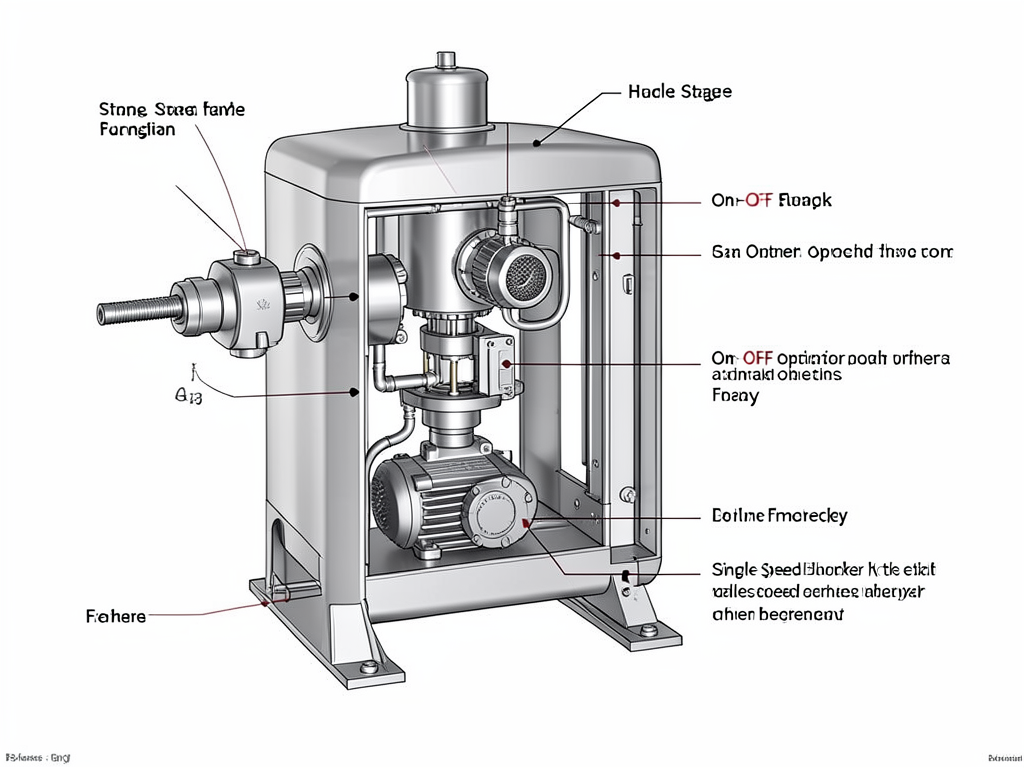
IMAGE_PLACEHOLDER_1 – Technical diagram showing internal components of a single stage furnace with gas valve, burner assembly, and single-speed blower motor, highlighting the on/off operation cycle.
How Two Stage Furnaces Deliver Better Performance
Two stage furnaces feature a gas valve that can operate at two different firing rates. Typically, the low stage runs at about 65% capacity while the high stage provides full 100% output. The system automatically selects the appropriate stage based on your home’s heating demand, outdoor temperature, and how quickly your home is losing heat.. Read more about How to Evaluate Three Different HVAC Quotes for Your Englewood Home.
This staging capability means your furnace runs longer cycles at lower output during mild weather. Instead of blasting hot air for ten minutes then shutting off, a two stage unit might run for thirty minutes at a gentler rate. This creates more consistent temperatures throughout your home and eliminates the uncomfortable swings common with single stage systems. NATE certification standards.
The extended run times also improve air filtration and humidity control. With the blower running longer at lower speeds, more air passes through your filter, removing more dust and allergens. The gentler heating also prevents the air from becoming overly dry, which is particularly beneficial in Denver’s already arid climate.
Two stage furnaces typically use more advanced ECM (Electronically Commutated Motor) blower technology. These motors can adjust their speed for optimal airflow, operate much more quietly than single stage units, and consume significantly less electricity. The variable speed operation also means better air distribution to all rooms, eliminating hot and cold spots common in larger Denver homes.
IMAGE_PLACEHOLDER_2 – Side-by-side comparison showing single stage furnace cycling on/off versus two stage furnace running longer at lower capacity, with temperature graphs demonstrating the consistent comfort levels achieved by staging technology.
The Denver Factor: Altitude and Weather Impact
Denver’s elevation at 5,280 feet creates specific challenges for furnace operation that directly influence the single stage versus two stage decision. The thinner air at high altitude affects combustion efficiency and requires proper derating of furnace inputs. All furnaces installed above 2,000 feet must be adjusted according to manufacturer specifications and local building codes.
The International Fuel Gas Code Section 404.3 requires altitude deration for gas-fired appliances. In Denver, this typically means reducing the furnace’s input rating by approximately 4% for every 1,000 feet above sea level. A two stage furnace’s ability to operate at reduced capacity becomes particularly valuable when dealing with these altitude adjustments, as it provides more flexibility in matching your home’s actual heating needs.
Denver’s weather patterns amplify the benefits of staging. Our region experiences some of the most dramatic temperature swings in the country, with daily variations of 40-50 degrees not uncommon. A two stage furnace can handle these transitions smoothly, using low stage for mild conditions and automatically switching to high stage only when extreme cold demands maximum output.. Read more about Why Homeowners in Roxborough Park Are Switching to Inverter Technology Furnaces.
The Front Range’s notorious wind patterns also affect furnace performance. Cold air infiltration through older homes is more effectively managed by the longer, gentler heating cycles of two stage systems. This means your furnace works less to maintain comfort, reducing wear and extending equipment life in our challenging climate.
Energy Efficiency and Cost Comparison
Both single stage and two stage furnaces are available in high-efficiency models with AFUE (Annual Fuel Utilization Efficiency) ratings of 90% or higher. However, the way they use that efficiency differs significantly in real-world conditions. Two stage furnaces typically achieve 3-5% better actual efficiency than single stage units with the same AFUE rating.
The efficiency advantage comes from reduced cycling losses. Every time a furnace starts up, it goes through a brief period of inefficient operation as the heat exchanger warms up. Single stage units experience these losses more frequently due to shorter, more frequent cycles. Two stage furnaces minimize these startup inefficiencies by running longer cycles at the more efficient low stage.
Based on current Xcel Energy natural gas rates in Denver, a typical two stage furnace can save $50-100 annually compared to a single stage unit of equal capacity. Over a ten-year period, these savings often offset the higher initial cost of the two stage system. The exact savings depend on your home’s insulation, local weather patterns, and thermostat programming. Xcel Energy efficiency rebates.
Electric consumption also differs between the two types. Two stage furnaces with ECM motors use significantly less electricity for air circulation. While a single stage furnace’s blower might consume 400-600 watts continuously, an ECM motor in a two stage unit typically uses 100-200 watts. This difference becomes more noticeable in homes with long heating seasons.. Read more about Choosing Between Rheem and Ruud for Your Next Brighton Furnace Replacement.
IMAGE_PLACEHOLDER_3 – Infographic comparing energy consumption graphs, showing cycling frequency, run times, and annual energy costs for single stage versus two stage furnaces in a typical Denver home.
Noise Levels and Comfort Factors
Noise is often an overlooked factor when choosing between furnace types, but it significantly impacts daily comfort. Single stage furnaces produce a distinctive sound pattern: a loud whoosh when they ignite, followed by constant high-speed airflow until they shut off. This creates noticeable noise bursts that can disturb sleep or interrupt conversations.
Two stage furnaces operate much more quietly due to their variable speed blowers and lower firing rates. The low stage typically runs so quietly that many homeowners don’t even notice when the system is operating. Even the high stage is quieter than a single stage unit because it doesn’t need to work as hard to catch up on temperature.
The consistent airflow from two stage systems also improves comfort in ways that go beyond temperature. Better air circulation means more even temperatures throughout your home, eliminating cold spots near windows or in rooms far from the furnace. This is particularly important in Denver’s larger, ranch-style homes common in suburbs like Lakewood and Centennial.
Indoor air quality benefits from the longer run times as well. With more air passing through your filtration system during each cycle, two stage furnaces remove more airborne particles, allergens, and pollutants. This is especially valuable during Denver’s winter months when homes are sealed tightly and air circulation is limited.
Installation and Maintenance Considerations
Both single stage and two stage furnaces require proper installation to achieve their rated efficiency and longevity. However, two stage systems have more components that need precise calibration, particularly the gas valve and pressure switches. This makes choosing an experienced, NATE-certified contractor even more important for two stage installations.
Maintenance requirements are similar for both types, but two stage furnaces may need more frequent attention to their gas valve and control boards. The good news is that when properly maintained, two stage units often experience less wear overall due to reduced cycling. This can translate to longer equipment life and fewer emergency repairs. Fast AC Repair Services in Aurora for When the Summer Heat Hits.
Thermostat compatibility is another consideration. While both types work with standard programmable thermostats, two stage furnaces perform best with thermostats designed to control staging operation. These thermostats can optimize the system’s performance by selecting the appropriate stage based on outdoor temperature sensors and historical heating patterns.
Existing ductwork must also be evaluated before installation. Two stage furnaces with ECM motors can sometimes overcome minor duct restrictions that would cause problems for single stage units. However, significant duct issues should be addressed regardless of which furnace type you choose to ensure optimal performance.
Making the Right Choice for Your Denver Home
The decision between single stage and two stage ultimately depends on your specific circumstances. Single stage furnaces remain an excellent choice for smaller homes under 1,500 square feet, budget-conscious homeowners, or situations where the furnace will operate primarily as a backup to a heat pump system.
Two stage furnaces make more sense for larger homes over 2,000 square feet, homes with significant temperature variations between rooms, or homeowners who prioritize comfort and efficiency over initial cost savings. They’re also ideal for Denver’s historic homes in neighborhoods like Capitol Hill or Highlands, where uneven heating is common due to the buildings’ age and construction methods.
Consider your long-term plans as well. If you plan to stay in your home for more than five years, the efficiency advantages and comfort improvements of a two stage system often justify the higher upfront investment. The energy savings alone can pay for the difference in price within the system’s lifetime.
Climate should be your primary guide. Denver’s extreme temperature swings, high altitude, and dry air create conditions where two stage technology provides measurable benefits that single stage units simply cannot match. The ability to adjust output automatically means your system always operates at peak efficiency for current conditions.
Frequently Asked Questions
Is a two stage furnace worth the extra cost in Denver?
Yes for most Denver homeowners. The combination of altitude, extreme temperature swings, and dry climate means two stage furnaces provide better comfort and efficiency. Most homeowners recoup the additional cost through energy savings within 5-7 years while enjoying more consistent temperatures and better air quality.
Do I need to modify my existing ductwork for a two stage furnace?
Not necessarily. Two stage furnaces with ECM motors can often work with existing ducts, though optimal performance requires proper duct design. A professional load calculation will determine if your current system can handle the new equipment or if modifications would improve efficiency.
How much more does a two stage furnace cost compared to single stage?
The price difference typically ranges from $800 to $1,500 including installation, depending on brand and efficiency rating. While this seems significant, the energy savings and improved comfort often justify the investment, especially in Denver’s challenging climate where heating demands are high.
Can I install a two stage furnace in an older Denver home?
Absolutely. Two stage furnaces work well in older homes, often addressing the uneven heating common in historic Denver neighborhoods. The key is proper sizing and installation by a contractor familiar with the specific challenges of older construction and altitude adjustments.
Take Control of Your Home’s Comfort Today
Don’t let Denver’s unpredictable weather leave you uncomfortable or facing high energy bills. Whether you choose a single stage or two stage furnace, professional installation makes all the difference in our unique climate. Our NATE-certified technicians understand the specific challenges of high-altitude heating and can help you select the perfect system for your home’s size, age, and your family’s comfort needs.
Call (720) 502-9511 today to schedule your free consultation and learn how the right furnace can transform your home’s comfort while reducing your utility costs. Don’t wait until the next cold snap hits – make an informed decision now and enjoy worry-free heating all winter long.
Ready to upgrade your heating system? Pick up the phone and call (720) 502-9511 before the next storm hits. Our team is standing by to help Denver homeowners make the best choice for their specific situation, with no high-pressure sales tactics – just honest advice from local experts who understand our unique climate challenges.
{
“@context”: “https://schema.org”,
“@type”: “BlogPosting”,
“headline”: “Comparing Single Stage and Two Stage Furnaces for the Unpredictable Denver Weather”,
“description”: “Discover the key differences between single stage and two stage furnaces for Denver homes. Learn which system handles Colorado’s wild temperature swings best and how to maximize comfort and efficiency.”,
“wordCount”: 2168,
“datePublished”: “2026-05-11T10:19:00.000Z”,
“dateModified”: “2026-05-11T10:19:00.000Z”,
“inLanguage”: “en-US”,
“mainEntityOfPage”: {
“@type”: “WebPage”,
“@id”: “https://fortresshvacdenver.com”
},
“publisher”: {
“@type”: “LocalBusiness”,
“name”: “Fortress HVAC Denver”,
“url”: “https://fortresshvacdenver.com”
},
“author”: {
“@type”: “Organization”,
“name”: “Fortress HVAC Denver”,
“url”: “https://fortresshvacdenver.com”
},
“image”: {
“@type”: “ImageObject”,
“url”: “https://fortresshvacdenver.com/wp-content/uploads/2026/03/comparing-single-stage-and-two-stage-furnaces-for-1.png”
}
}
{
“@context”: “https://schema.org”,
“@type”: “HVACBusiness”,
“name”: “Fortress HVAC Denver”,
“url”: “https://fortresshvacdenver.com”,
“address”: {
“@type”: “PostalAddress”,
“addressLocality”: “Denver”
},
“areaServed”: {
“@type”: “City”,
“name”: “Denver”
}
}
{
“@context”: “https://schema.org”,
“@type”: “FAQPage”,
“mainEntity”: [
{
“@type”: “Question”,
“name”: “Is a two stage furnace worth the extra cost in Denver?”,
“acceptedAnswer”: {
“@type”: “Answer”,
“text”: “Yes for most Denver homeowners. The combination of altitude, extreme temperature swings, and dry climate means two stage furnaces provide better comfort and efficiency. Most homeowners recoup the additional cost through energy savings within 5-7 years while enjoying more consistent temperatures and better air quality.”
}
},
{
“@type”: “Question”,
“name”: “Do I need to modify my existing ductwork for a two stage furnace?”,
“acceptedAnswer”: {
“@type”: “Answer”,
“text”: “Not necessarily. Two stage furnaces with ECM motors can often work with existing ducts, though optimal performance requires proper duct design. A professional load calculation will determine if your current system can handle the new equipment or if modifications would improve efficiency.”
}
},
{
“@type”: “Question”,
“name”: “How much more does a two stage furnace cost compared to single stage?”,
“acceptedAnswer”: {
“@type”: “Answer”,
“text”: “The price difference typically ranges from $800 to $1,500 including installation, depending on brand and efficiency rating. While this seems significant, the energy savings and improved comfort often justify the investment, especially in Denver’s challenging climate where heating demands are high.”
}
},
{
“@type”: “Question”,
“name”: “Can I install a two stage furnace in an older Denver home?”,
“acceptedAnswer”: {
“@type”: “Answer”,
“text”: “Absolutely. Two stage furnaces work well in older homes, often addressing the uneven heating common in historic Denver neighborhoods. The key is proper sizing and installation by a contractor familiar with the specific challenges of older construction and altitude adjustments.”
}
}
]
}
{
“@context”: “https://schema.org”,
“@type”: “BreadcrumbList”,
“itemListElement”: [
{
“@type”: “ListItem”,
“position”: 1,
“name”: “Home”,
“item”: “https://fortresshvacdenver.com”
},
{
“@type”: “ListItem”,
“position”: 2,
“name”: “Blog”,
“item”: “https://fortresshvacdenver.com/blog”
},
{
“@type”: “ListItem”,
“position”: 3,
“name”: “Comparing Single Stage and Two Stage Furnaces for the Unpredictable Denver Weather”
}
]
}
{
“@context”: “https://schema.org”,
“@type”: “Service”,
“serviceType”: “HVAC”,
“provider”: {
“@type”: “LocalBusiness”,
“name”: “Fortress HVAC Denver”,
“url”: “https://fortresshvacdenver.com”
},
“areaServed”: {
“@type”: “City”,
“name”: “Denver”
},
“description”: “Discover the key differences between single stage and two stage furnaces for Denver homes. Learn which system handles Colorado’s wild temperature swings best and how to maximize comfort and efficiency.”
}