Remote HVAC Monitoring Tips for Short-Term Rental Owners in LoDo and Five Points
Managing a short-term rental in LoDo or Five Points means juggling guest comfort with protecting your investment. Denver’s mile-high climate swings from sub-zero winters to 95-degree summers can destroy HVAC systems if guests misuse them. Smart monitoring technology now lets you lock thermostats, receive alerts, and prevent the costly damage that leads to negative reviews and emergency repairs. This guide shows you exactly how to safeguard your property while keeping guests comfortable. Denver Building Code.
Why HVAC is the #1 Source of Negative Reviews in Short-Term Rentals
Guests expect perfect climate control and will leave scathing reviews when it fails. The most common complaints include freezing cold units from guests setting AC to 60°F all day, frozen evaporator coils from dirty filters, and complete system failures during Denver’s -10°F cold snaps. These issues cost thousands in emergency repairs and lost bookings. Smart monitoring prevents these disasters by giving you remote control and instant alerts when something goes wrong. Emergency Furnace Repair for Denver Residents Dealing with a Frozen House.
Essential HVAC Smart Technology for Remote Management
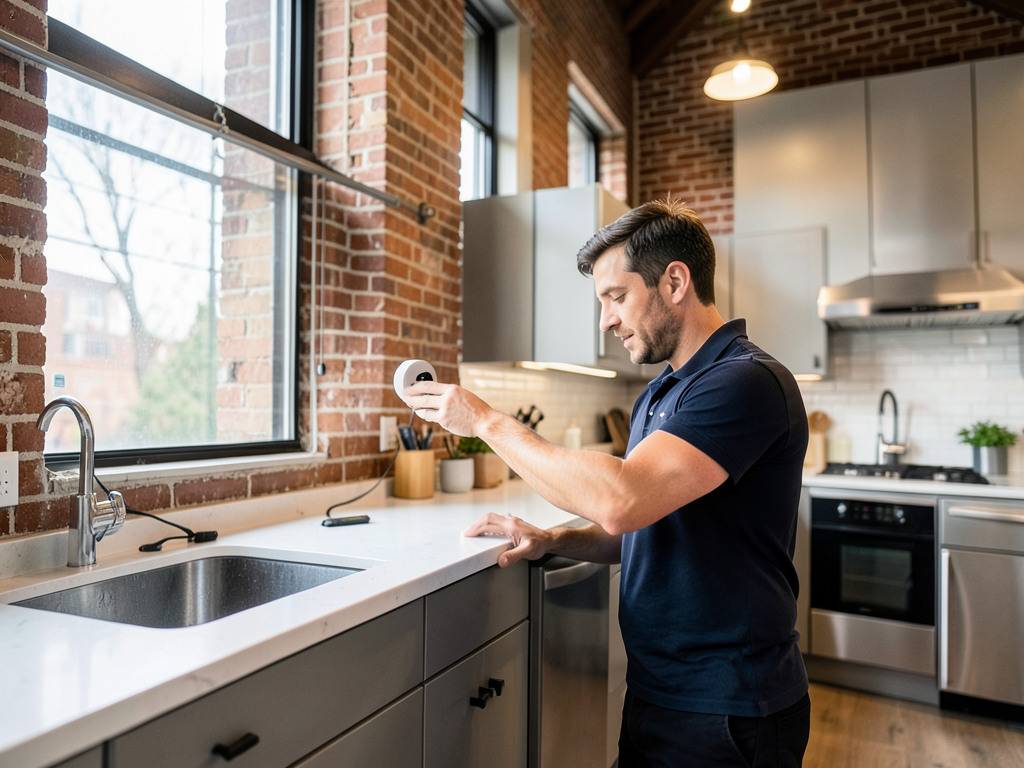
Modern smart thermostats offer features specifically designed for rental properties. The Nest Learning Thermostat includes guest mode that limits temperature ranges to prevent extreme settings. Ecobee’s SmartThermostat with voice control lets you set minimum and maximum temperatures that guests cannot override. Honeywell Home T9 offers geofencing that automatically adjusts settings when guests check out.
For Denver’s climate, choose models with remote sensors that monitor temperature in multiple rooms. This prevents hot spots in older LoDo buildings where heat rises to upper floors. Look for models with humidity sensors since Denver’s dry air affects both comfort and system efficiency.
Denver Climate Challenges: Protecting Your Property from -10°F to 95°F
Denver’s altitude and semi-arid climate create unique HVAC challenges. At 5,280 feet, combustion air calculations differ from sea-level furnaces, affecting efficiency and safety. The Front Range experiences rapid temperature swings of 40-50 degrees in a single day, stressing HVAC systems. Low humidity levels around 15-20% in winter can cause static electricity, dry skin, and respiratory discomfort for guests.
LoDo’s older buildings often have original ductwork that develops leaks over time. Five Points’ Victorian-era homes may have uninsulated pipes that freeze when guests accidentally set heat too low. These architectural quirks require specialized monitoring strategies.
Preventive Maintenance Plans Designed for Denver Hosts
Professional maintenance prevents 90% of HVAC emergencies. Schedule bi-annual tune-ups before peak seasons. Spring checks ensure AC systems handle summer heat, while fall inspections prepare furnaces for winter. Denver’s high UV exposure and temperature fluctuations reduce equipment lifespan by 2-3 years compared to milder climates.
Include these specific checks in your maintenance plan:
- Clean evaporator and condenser coils to maintain efficiency
- Check refrigerant levels – Denver’s altitude affects pressure readings
- Inspect heat exchangers for cracks that could leak carbon monoxide
- Test carbon monoxide detectors near all fuel-burning appliances
- Replace MERV-13 filters monthly during wildfire season
Cost-Saving Tips: Xcel Energy Rebates and Efficiency for STRs
Xcel Energy offers rebates up to $400 for high-efficiency HVAC upgrades in Denver. Heat pumps with SEER2 ratings of 18+ qualify for the highest rebates. Smart thermostats earn $100 rebates when installed by certified contractors. These incentives can offset 30-40% of upgrade costs. Xcel Energy rebates.
Energy savings from smart automation average 15-20% annually. Home/Away features detect when guests check out and adjust temperatures accordingly. This prevents energy waste while maintaining minimum temperatures to protect pipes from freezing.
Emergency HVAC Repairs: The ‘Host Priority’ Protocol
When a guest calls at midnight about no heat in January, you need immediate response. Our Host Priority Service guarantees 2-hour response times for active listings. We carry common parts in our trucks to fix most issues on the first visit. This prevents negative reviews and potential refund requests.
Create an emergency kit with space heaters, portable fans, and clear instructions for guests. Include your HVAC company’s 24/7 emergency number prominently in your welcome book. Train guests to call you first, then the HVAC company, before leaving negative reviews.
Guest-Proofing Your Thermostat: Digital vs. Physical Locks
Digital locks through smart thermostat apps prevent guests from changing settings beyond your parameters. Physical locks require guests to enter a code or use a key fob. For Denver properties, combine both methods. Set digital limits at 68-72°F for heating and 70-78°F for cooling. Use physical locks on older thermostats that lack app control.
Place clear, friendly instructions near thermostats explaining why limits exist. Frame it as energy conservation and guest comfort rather than distrust. Most guests appreciate knowing the system protects them from extreme temperatures.
Indoor Air Quality: Why MERV-13 Filters and Humidifiers Matter
Denver’s dry air and wildfire smoke create indoor air quality challenges. MERV-13 filters capture 90% of particles including smoke, pollen, and bacteria. These filters cost more but protect your system and improve guest health. Replace them every 30-45 days in rental properties due to higher usage. Repair vs. Replace AC Guide.
Whole-house humidifiers maintain 35-45% relative humidity, ideal for guest comfort and preventing static damage to electronics. Dry air makes temperatures feel colder, causing guests to crank heat unnecessarily. Proper humidification can reduce heating costs by 5-10%.
Software Integration: Syncing HVAC with STR Management Platforms
Modern property management software integrates with smart thermostats. Guesty, Hospitable, and Hostaway can automatically adjust temperatures based on booking status. When a guest checks out, the system switches to energy-saving mode. When the next guest’s arrival nears, it returns to comfortable temperatures.
This automation eliminates manual adjustments and prevents energy waste during turnover periods. Some systems send you alerts when guests override temperature limits, allowing you to address issues before they cause damage.
ROI Analysis: How HVAC Management Impacts Your Bottom Line
Emergency HVAC repairs average $400-800 in Denver, often during peak season when you cannot afford downtime. Smart monitoring costs $200-300 annually but prevents these emergencies. The ROI becomes clear when you avoid just one major repair per year. Fast AC Repair Services in Aurora for When the Summer Heat Hits.
Guest reviews directly impact your Superhost status and booking rates. HVAC issues are among the top three reasons for negative reviews. Maintaining perfect climate control can increase your nightly rate by $10-15 while reducing refund requests.
Winterization Checklist for Denver Airbnb Properties
Denver’s cold snaps can hit without warning. Use this checklist before November:
- Set minimum heat to 55°F to prevent frozen pipes
- Install foam insulation on exposed pipes in basements
- Test carbon monoxide detectors near all heating equipment
- Clear snow from outdoor units to maintain airflow
- Program thermostat to maintain consistent temperatures
Post these instructions in your welcome book and include emergency contact numbers. Consider providing space heaters as backup during extreme cold.
Heat Pump vs. Gas Furnace: Which Works Best in Denver?
Heat pumps work efficiently down to about 25°F in Denver’s climate. Below that temperature, they switch to electric resistance heat, which costs more to operate. For LoDo and Five Points properties, heat pumps offer year-round efficiency and eliminate gas safety concerns.
Gas furnaces provide consistent heat regardless of outdoor temperature but require proper venting and carbon monoxide monitoring. They cost less to operate in extreme cold but carry higher safety risks in rental properties.
Wildfire Smoke and Air Quality: Protecting Guests Year-Round
Denver’s proximity to wildfire-prone areas means smoke can affect air quality even when fires are hundreds of miles away. Install HEPA air purifiers in bedrooms and living areas. These remove 99.97% of particles including smoke, pollen, and pet dander.
During smoke events, set HVAC systems to recirculate mode to prevent outdoor air from entering. Use MERV-13 filters instead of standard filters. Post air quality updates for guests and provide N95 masks if conditions warrant.
Creating Your HVAC Emergency Response Plan
Every Denver host needs a clear emergency response plan. Document these steps:
- Guest calls with HVAC issue
- You assess severity through smart thermostat app
- Call emergency HVAC service if needed
- Provide temporary solutions (space heaters, fans)
- Follow up with guest after repair
Practice this plan during off-season so you respond calmly during actual emergencies. Include compensation policies for extended outages to prevent negative reviews.
Building Codes and Permits: What Denver Hosts Must Know
Denver requires permits for most HVAC replacements and major repairs. The Denver Building Code Section 13-32 mandates permits for furnace swaps, new AC installations, and ductwork modifications. Work without permits can result in fines up to $1,000 and complicate future property sales.
Only hire NATE-certified technicians who pull proper permits. This ensures work meets International Mechanical Code standards and maintains your property’s insurability. Ask for permit numbers and inspection reports for all major work.
Final Checklist: 10-Point Seasonal HVAC Maintenance
Before each high-season, complete this maintenance checklist:
- Test thermostat accuracy with separate thermometer
- Clean or replace all air filters
- Check refrigerant levels and pressure
- Inspect electrical connections for corrosion
- Test safety controls and emergency shutoffs
- Clean condensate drains to prevent water damage
- Check ductwork for leaks and proper insulation
- Test carbon monoxide detectors
- Verify smart thermostat connectivity
- Document all readings for future comparison
Keep maintenance records for at least three years. These prove due diligence if guests claim HVAC issues caused their discomfort.
Frequently Asked Questions
What’s the best smart thermostat for Denver Airbnb properties?
The Ecobee SmartThermostat with remote sensors works best for Denver’s climate. It offers guest mode temperature limits, humidity monitoring, and integrates with most property management platforms. The remote sensors prevent hot spots common in older LoDo buildings.
How often should I replace HVAC filters in a short-term rental?
Replace MERV-13 filters every 30-45 days in rental properties. Guest turnover increases system usage, and Denver’s dry air and wildfire smoke clog filters faster than in other climates. Mark replacement dates on your calendar and stock filters in advance.
What temperature should I set for guest comfort versus energy savings?
Set heating between 68-72°F and cooling between 70-78°F. These ranges balance guest comfort with energy efficiency. Program minimum temperatures of 55°F in winter to prevent frozen pipes and maximum cooling of 78°F to prevent system strain.
Take Control of Your HVAC Today
Don’t wait for an emergency to protect your investment. Smart monitoring technology and professional maintenance prevent the costly damage that ruins guest experiences and your bottom line. Our Denver-based team understands the unique challenges of LoDo and Five Points properties.
Call (720) 502-9511 today to schedule your comprehensive HVAC inspection. We’ll identify vulnerabilities specific to your property and recommend solutions that save money while keeping guests comfortable. Your peace of mind is worth a phone call.
Pick up the phone and call (720) 502-9511 before the next cold snap or heat wave hits. Your future guests and your wallet will thank you.
You may also find this helpful. Why You Should Never Turn Your Heat Completely Off When Leaving Denver for Vacation.
You may also find this helpful. Water Source Heat Pump Services for High Rise Condos in LoDo and the Golden Triangle.
You may also find this helpful. Comparing Goodman and Bryant Furnaces for Your Edgewater Rental Property.
{
“@context”: “https://schema.org”,
“@type”: “BlogPosting”,
“headline”: “Remote HVAC Monitoring Tips for Short-Term Rental Owners in LoDo and Five Points”,
“description”: “Protect your Airbnb investment with Denver-specific HVAC monitoring strategies for LoDo and Five Points properties. Learn smart thermostat locks, guest-proofing, and emergency protocols.”,
“wordCount”: 1786,
“datePublished”: “2026-04-04T13:03:00.000Z”,
“dateModified”: “2026-04-04T13:03:00.000Z”,
“inLanguage”: “en-US”,
“mainEntityOfPage”: {
“@type”: “WebPage”,
“@id”: “https://fortresshvacdenver.com”
},
“publisher”: {
“@type”: “LocalBusiness”,
“name”: “Fortress HVAC Denver”,
“url”: “https://fortresshvacdenver.com”
},
“author”: {
“@type”: “Organization”,
“name”: “Fortress HVAC Denver”,
“url”: “https://fortresshvacdenver.com”
},
“image”: {
“@type”: “ImageObject”,
“url”: “https://fortresshvacdenver.com/wp-content/uploads/2026/03/remote-hvac-monitoring-tips-for-short-term-rental-1.png”
}
}
{
“@context”: “https://schema.org”,
“@type”: “HVACBusiness”,
“name”: “Fortress HVAC Denver”,
“url”: “https://fortresshvacdenver.com”,
“address”: {
“@type”: “PostalAddress”,
“addressLocality”: “Denver”
},
“areaServed”: {
“@type”: “City”,
“name”: “Denver”
}
}
{
“@context”: “https://schema.org”,
“@type”: “FAQPage”,
“mainEntity”: [
{
“@type”: “Question”,
“name”: “Heat Pump vs. Gas Furnace: Which Works Best in Denver?”,
“acceptedAnswer”: {
“@type”: “Answer”,
“text”: “Heat pumps work efficiently down to about 25°F in Denver’s climate. Below that temperature, they switch to electric resistance heat, which costs more to operate. For LoDo and Five Points properties, heat pumps offer year-round efficiency and eliminate gas safety concerns.”
}
},
{
“@type”: “Question”,
“name”: “What’s the best smart thermostat for Denver Airbnb properties?”,
“acceptedAnswer”: {
“@type”: “Answer”,
“text”: “The Ecobee SmartThermostat with remote sensors works best for Denver’s climate. It offers guest mode temperature limits, humidity monitoring, and integrates with most property management platforms. The remote sensors prevent hot spots common in older LoDo buildings.”
}
},
{
“@type”: “Question”,
“name”: “How often should I replace HVAC filters in a short-term rental?”,
“acceptedAnswer”: {
“@type”: “Answer”,
“text”: “Replace MERV-13 filters every 30-45 days in rental properties. Guest turnover increases system usage, and Denver’s dry air and wildfire smoke clog filters faster than in other climates. Mark replacement dates on your calendar and stock filters in advance.”
}
},
{
“@type”: “Question”,
“name”: “What temperature should I set for guest comfort versus energy savings?”,
“acceptedAnswer”: {
“@type”: “Answer”,
“text”: “Set heating between 68-72°F and cooling between 70-78°F. These ranges balance guest comfort with energy efficiency. Program minimum temperatures of 55°F in winter to prevent frozen pipes and maximum cooling of 78°F to prevent system strain.”
}
}
]
}
{
“@context”: “https://schema.org”,
“@type”: “BreadcrumbList”,
“itemListElement”: [
{
“@type”: “ListItem”,
“position”: 1,
“name”: “Home”,
“item”: “https://fortresshvacdenver.com”
},
{
“@type”: “ListItem”,
“position”: 2,
“name”: “Blog”,
“item”: “https://fortresshvacdenver.com/blog”
},
{
“@type”: “ListItem”,
“position”: 3,
“name”: “Remote HVAC Monitoring Tips for Short-Term Rental Owners in LoDo and Five Points”
}
]
}
{
“@context”: “https://schema.org”,
“@type”: “Service”,
“serviceType”: “HVAC”,
“provider”: {
“@type”: “LocalBusiness”,
“name”: “Fortress HVAC Denver”,
“url”: “https://fortresshvacdenver.com”
},
“areaServed”: {
“@type”: “City”,
“name”: “Denver”
},
“description”: “Protect your Airbnb investment with Denver-specific HVAC monitoring strategies for LoDo and Five Points properties. Learn smart thermostat locks, guest-proofing, and emergency protocols.”
}