
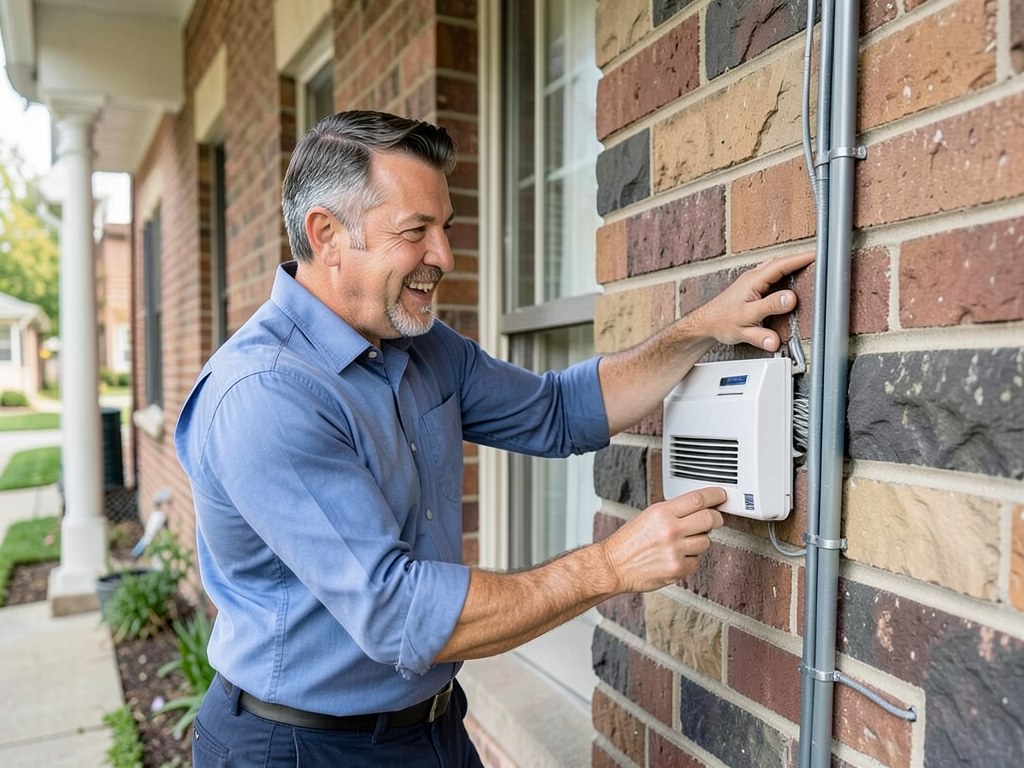
Ductless Mini Split Installation for Older Homes in The Highlands
Living in a classic Denver bungalow or Victorian in The Highlands means dealing with unique heating and cooling challenges. These beautiful older homes often lack existing ductwork, making traditional central air conditioning systems expensive or impossible to install. Ductless mini splits offer a perfect solution for maintaining year-round comfort in these historic properties while preserving their architectural integrity.. Read more about Getting a New Central Air System Installed in Your Lakewood Home.
Ductless mini splits work by connecting an outdoor compressor unit to one or more indoor air handlers through small refrigerant lines. This setup eliminates the need for bulky ductwork, making installation faster and less invasive than traditional systems. For Highlands homeowners, this means you can add modern comfort without compromising the charm of your 100-year-old home.. Read more about Why Cherry Creek Homeowners Are Upgrading to Energy Efficient Heat Pumps.
The technology has evolved significantly, with today’s systems offering exceptional efficiency and heating capabilities even in Denver’s harsh winters. Modern cold-climate mini splits can maintain heating output when temperatures drop well below zero, making them a reliable primary heating source for many Denver homes.. Read more about Finding a Reliable Commercial HVAC Contractor for Your RiNo Business.
Why The Highlands Needs Specialized Mini Split Solutions
The Highlands neighborhood features many homes built before 1940, with construction methods and materials that present unique challenges for HVAC installation. Balloon-frame construction common in these homes creates open wall cavities that can complicate refrigerant line routing. The thick plaster walls require specialized mounting techniques that won’t damage historic surfaces.
Denver’s high-altitude climate adds another layer of complexity. At 5,280 feet above sea level, air density affects heat pump performance. Systems must be properly sized and charged to account for the thinner air, which impacts heat transfer efficiency. This is why working with a local contractor familiar with Highlands’ specific building stock is crucial.
Many Highlands homes also feature mature trees and established landscaping that can impact outdoor unit placement. Proper site assessment ensures the compressor unit gets adequate airflow while maintaining your property’s aesthetic appeal. Some installations may require creative solutions like roof-mounted units or strategic placement behind existing structures.
Performance in Denver’s Extreme Climate
Denver experiences dramatic temperature swings, with summer highs reaching 95°F and winter lows occasionally dropping to -20°F. Standard mini splits struggle in these conditions, but modern cold-climate models use inverter technology and enhanced compressor designs to maintain efficiency across this wide range.
Look for systems with HSPF2 ratings above 10 for heating efficiency and SEER2 ratings above 18 for cooling. These metrics, introduced in 2023, provide more accurate real-world performance data than previous standards. High-efficiency models can reduce heating costs by 30-50% compared to electric resistance heating.
During Denver’s notorious temperature inversions, when cold air gets trapped against the mountains, mini splits continue operating effectively. The inverter-driven compressors can adjust their speed to match heating demand, avoiding the energy waste of traditional on/off cycling systems.
Installation Process for Historic Highlands Homes
Professional installation follows a specific process to ensure optimal performance and minimal disruption to your historic home. The first step involves a comprehensive load calculation using Manual J methodology, which accounts for your home’s unique characteristics like plaster walls, single-pane windows, and potential air infiltration points.
Refrigerant line routing requires careful planning to avoid structural elements while maintaining proper slope for condensate drainage. In many Highlands homes, lines run through exterior walls or along rooflines where they’re less visible. All penetrations receive proper sealing to prevent air leaks and moisture intrusion.
Electrical requirements vary by system size, but most residential mini splits need a dedicated 240-volt circuit. Older homes may require electrical panel upgrades to accommodate the new load. This is also an opportunity to address any outdated wiring that could pose safety hazards.
Mounting indoor units requires special consideration in plaster-walled homes. Technicians use specialized anchors and mounting hardware designed for older construction methods. Some installations incorporate custom covers or concealment solutions to blend units with existing decor.
Cost Factors and Investment Considerations
System costs vary based on home size, number of zones, and equipment efficiency ratings. A typical single-zone installation for a 400-500 square foot room ranges from $3,500 to $5,000, while whole-home multi-zone systems can cost $15,000 to $25,000.
Several factors influence pricing in the Highlands area. Historic district regulations may require additional permits or installation methods. Homes with difficult access or complex layouts often need more labor hours. The age and condition of existing electrical systems can also impact total costs.
While the upfront investment seems significant, mini splits offer substantial long-term savings. Their efficiency often results in 30-40% lower utility bills compared to electric resistance heating or window air conditioners. Many homeowners recoup their investment within 5-7 years through energy savings alone.
Maintenance Requirements for Longevity
Proper maintenance ensures your mini split system operates efficiently for 15-20 years. The most critical task is regular filter cleaning, which should occur every 2-3 months. Dirty filters reduce airflow and force the system to work harder, decreasing efficiency and potentially causing premature component failure.
Outdoor units need annual cleaning to remove debris, leaves, and dirt that can accumulate in the coils. In Denver’s dusty climate, this becomes even more important. Professional maintenance includes checking refrigerant levels, testing electrical connections, and verifying proper system operation.
Condensate drains require periodic inspection to prevent clogs that could cause water damage. In older homes, where moisture management is already a concern, ensuring proper drainage becomes critical. Some installations include secondary drain pans for added protection.
Frequently Asked Questions
Are mini splits noisy?
Modern mini splits operate at 19-30 decibels indoors, quieter than a whisper. Outdoor units typically produce 50-60 decibels, similar to normal conversation. Proper installation ensures minimal noise transfer to living spaces.
Can mini splits heat my entire home?
Yes, multi-zone systems can heat and cool entire homes effectively. The key is proper sizing and strategic placement of indoor units to ensure even temperature distribution throughout your space.
How long does installation take?
Most single-zone installations complete in one day. Whole-home systems typically require 2-3 days, depending on complexity and any necessary electrical upgrades.
Do I need permits in Denver?
Yes, Denver requires mechanical permits for mini split installations. A licensed contractor handles permit acquisition and ensures all work meets local building codes and manufacturer specifications.
What about backup heating?
While modern cold-climate mini splits handle most Denver winters, some homeowners maintain existing heating systems as backup for extreme cold snaps or power outages.
Energy Efficiency and Environmental Impact
Ductless mini splits represent a significant step toward reducing your home’s carbon footprint. These systems use electricity rather than natural gas or oil, and their high efficiency means less overall energy consumption. When paired with renewable energy sources like rooftop solar, they can provide truly sustainable heating and cooling.
Denver’s electrical grid continues to incorporate more renewable energy, making electric heating increasingly environmentally friendly. Xcel Energy’s commitment to 100% carbon-free electricity by 2050 means today’s electric heating investments will become even cleaner over time. Xcel Energy rebate programs.
The elimination of ductwork also reduces energy losses common in traditional forced-air systems. Duct losses can account for 30% of energy consumption in conventional systems, making mini splits inherently more efficient even before considering their superior compressor technology.
Comparing Mini Splits to Other Options
Traditional HVAC installation in older homes often requires extensive ductwork, which can cost $10,000 to $20,000 and involve major structural modifications. Mini splits avoid these issues while providing superior efficiency and zoned temperature control.
Window units and portable air conditioners offer lower upfront costs but suffer from poor efficiency, noise, and security concerns. They also provide no heating capability, requiring separate solutions for winter comfort.
High-velocity mini-duct systems work in some applications but still require chases and soffits that can impact historic home aesthetics. They also tend to be noisier and less efficient than modern mini splits.
| Feature | Ductless Mini Split | Traditional HVAC | Window Unit |
|---|---|---|---|
| Installation Impact | Minimal wall penetrations | Major ductwork required | No installation needed |
| Efficiency (SEER2) | 18-24 | 14-18 | 10-14 |
| Heating Capability | Excellent (cold climate models) | Excellent | None |
| Noise Level | Very quiet | Moderate | Moderate to loud |
| Long-term Cost | Lower energy bills | Higher energy bills | Higher energy bills |
Choosing the Right System for Your Home
Selecting the appropriate mini split system requires evaluating several factors specific to your Highlands home. Square footage, ceiling height, insulation quality, and window characteristics all influence sizing calculations. Homes with poor insulation or many windows may need higher-capacity systems.
The number of indoor units needed depends on your comfort preferences and home layout. Some homeowners prefer individual room control, while others opt for whole-home systems with fewer, larger units. Multi-zone systems allow different temperatures in various areas, accommodating diverse comfort preferences.
Brand selection matters significantly for long-term reliability. Mitsubishi Electric, Daikin, and Fujitsu lead the market with cold-climate models specifically designed for Denver’s conditions. These brands offer better warranties, more reliable performance in extreme cold, and superior technical support.
Professional load calculations using Manual J methodology ensure proper sizing. Oversized systems short-cycle, reducing efficiency and comfort. Undersized systems struggle to maintain temperatures during extreme weather. Neither scenario provides optimal performance or value.
Ready to Upgrade Your Highlands Home?
Don’t let another summer or winter pass without the comfort you deserve. Modern ductless mini splits offer the perfect blend of efficiency, reliability, and preservation for your historic Highlands home. With proper installation and maintenance, these systems provide decades of comfortable, cost-effective heating and cooling.
Call (720) 502-9511 today to schedule your free consultation. Our experienced technicians understand the unique challenges of Highlands homes and will recommend the perfect solution for your specific needs. We handle everything from initial assessment through final installation, ensuring your complete satisfaction with every step.
Pick up the phone and call (720) 502-9511 before the next temperature extreme hits. Your comfort can’t wait, and neither should you. Let’s make your historic Highlands home as comfortable as it is beautiful. For more information, visit U.S. Department of Energy ductless mini split guide.
You may also find this helpful. Fast AC Repair Services in Aurora for When the Summer Heat Hits.
You may also find this helpful. Expert Boiler Repair and Maintenance for Historic Capitol Hill Homes.
{
“@context”: “https://schema.org”,
“@type”: “BlogPosting”,
“headline”: “Ductless Mini Split Installation for Older Homes in The Highlands”,
“description”: “Learn how ductless mini splits solve heating and cooling challenges in Denver’s historic Highlands homes without existing ductwork.”,
“wordCount”: 1634,
“datePublished”: “2026-02-18T12:09:00.000Z”,
“dateModified”: “2026-02-18T12:09:00.000Z”,
“inLanguage”: “en-US”,
“mainEntityOfPage”: {
“@type”: “WebPage”,
“@id”: “https://fortresshvacdenver.com”
},
“publisher”: {
“@type”: “LocalBusiness”,
“name”: “Fortress HVAC Denver”,
“url”: “https://fortresshvacdenver.com”
},
“author”: {
“@type”: “Organization”,
“name”: “Fortress HVAC Denver”,
“url”: “https://fortresshvacdenver.com”
},
“image”: {
“@type”: “ImageObject”,
“url”: “https://fortresshvacdenver.com/wp-content/uploads/2026/03/ductless-mini-split-installation-for-older-homes-i-1.png”
}
}
{
“@context”: “https://schema.org”,
“@type”: “HVACBusiness”,
“name”: “Fortress HVAC Denver”,
“url”: “https://fortresshvacdenver.com”,
“address”: {
“@type”: “PostalAddress”,
“addressLocality”: “Denver”
},
“areaServed”: {
“@type”: “City”,
“name”: “Denver”
}
}
{
“@context”: “https://schema.org”,
“@type”: “FAQPage”,
“mainEntity”: [
{
“@type”: “Question”,
“name”: “Are mini splits noisy?”,
“acceptedAnswer”: {
“@type”: “Answer”,
“text”: “Modern mini splits operate at 19-30 decibels indoors, quieter than a whisper. Outdoor units typically produce 50-60 decibels, similar to normal conversation. Proper installation ensures minimal noise transfer to living spaces.”
}
},
{
“@type”: “Question”,
“name”: “Can mini splits heat my entire home?”,
“acceptedAnswer”: {
“@type”: “Answer”,
“text”: “Yes, multi-zone systems can heat and cool entire homes effectively. The key is proper sizing and strategic placement of indoor units to ensure even temperature distribution throughout your space.”
}
},
{
“@type”: “Question”,
“name”: “How long does installation take?”,
“acceptedAnswer”: {
“@type”: “Answer”,
“text”: “Most single-zone installations complete in one day. Whole-home systems typically require 2-3 days, depending on complexity and any necessary electrical upgrades.”
}
},
{
“@type”: “Question”,
“name”: “Do I need permits in Denver?”,
“acceptedAnswer”: {
“@type”: “Answer”,
“text”: “Yes, Denver requires mechanical permits for mini split installations. A licensed contractor handles permit acquisition and ensures all work meets local building codes and manufacturer specifications.”
}
},
{
“@type”: “Question”,
“name”: “What about backup heating?”,
“acceptedAnswer”: {
“@type”: “Answer”,
“text”: “While modern cold-climate mini splits handle most Denver winters, some homeowners maintain existing heating systems as backup for extreme cold snaps or power outages.”
}
},
{
“@type”: “Question”,
“name”: “Ready to Upgrade Your Highlands Home?”,
“acceptedAnswer”: {
“@type”: “Answer”,
“text”: “Don’t let another summer or winter pass without the comfort you deserve. Modern ductless mini splits offer the perfect blend of efficiency, reliability, and preservation for your historic Highlands home. With proper installation and maintenance, these systems provide decades of comfortable, cost-effective heating and cooling.”
}
}
]
}
{
“@context”: “https://schema.org”,
“@type”: “BreadcrumbList”,
“itemListElement”: [
{
“@type”: “ListItem”,
“position”: 1,
“name”: “Home”,
“item”: “https://fortresshvacdenver.com”
},
{
“@type”: “ListItem”,
“position”: 2,
“name”: “Blog”,
“item”: “https://fortresshvacdenver.com/blog”
},
{
“@type”: “ListItem”,
“position”: 3,
“name”: “Ductless Mini Split Installation for Older Homes in The Highlands”
}
]
}
{
“@context”: “https://schema.org”,
“@type”: “Service”,
“serviceType”: “HVAC”,
“provider”: {
“@type”: “LocalBusiness”,
“name”: “Fortress HVAC Denver”,
“url”: “https://fortresshvacdenver.com”
},
“areaServed”: {
“@type”: “City”,
“name”: “Denver”
},
“description”: “Learn how ductless mini splits solve heating and cooling challenges in Denver’s historic Highlands homes without existing ductwork.”
}