




Menu

Outdoor Unit Not Spinning in Denver – Expert Diagnosis and Same-Day Repair

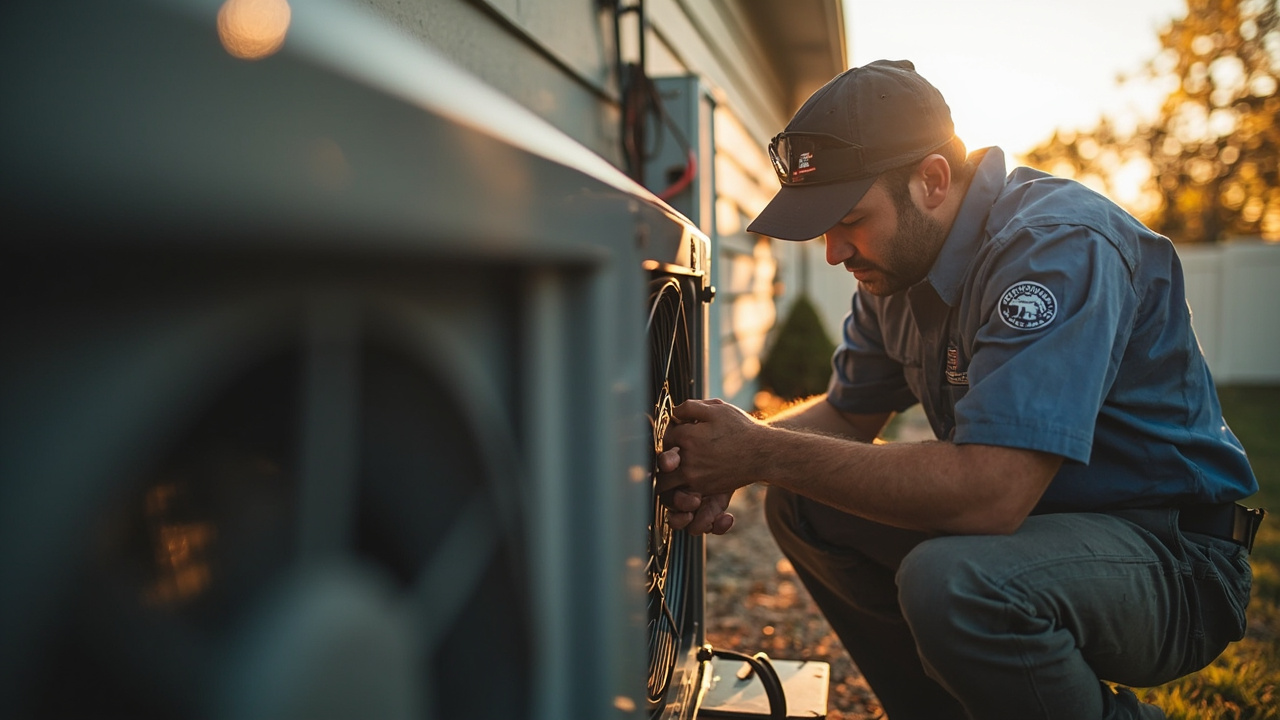
When your air conditioner outdoor fan stops running, you need fast diagnosis and the right fix. Fortress HVAC Denver provides same-day outdoor unit not spinning repair across the Denver metro area.

Slider Image 1
Slider Image 2
Slider Image 3
Slider Image 4
Slider Image 5
Slider Image 7
Slider Image 8
Slider Image 9
Slider Image 10
Slider Image 11

Why Your AC Condenser Fan Stopped Working in Denver

You walk outside, expecting to hear the familiar hum of your cooling system, and instead find silence. Your outdoor unit fan is not running, and the temperature inside is climbing. This is not a minor annoyance in Denver's climate, where summer temperatures regularly spike above 90 degrees and intense UV exposure at 5,280 feet elevation puts additional stress on every outdoor component.

When your condenser fan is not spinning, your air conditioning system cannot expel heat from your home. The compressor continues to run, builds excessive pressure, and eventually shuts down to prevent catastrophic damage. If your outside AC fan is not turning, you are looking at rising indoor temperatures, potential compressor failure, and escalating energy bills as your system cycles repeatedly without cooling.

The most common causes include failed capacitors, burned-out fan motors, seized bearings, broken fan blades, or tripped circuit breakers. Denver's intense sun exposure accelerates capacitor degradation. The rapid temperature swings between day and night cause metal components to expand and contract, wearing down bearings faster than in more temperate climates. Dust from nearby construction or seasonal windstorms clogs fan housings and strains motors.

When your air conditioner outdoor fan is not running, the problem is urgent. Each hour your compressor runs without airflow increases the risk of permanent damage. The refrigerant overheats, oil breaks down, and internal components warp. What starts as a simple capacitor replacement can become a full compressor swap if you wait. If your AC condenser fan is not working, you need diagnosis and repair now, not tomorrow.

Why Your AC Condenser Fan Stopped Working in Denver
How We Diagnose and Fix Your Outdoor Unit Fan

How We Diagnose and Fix Your Outdoor Unit Fan

When your outdoor unit fan has stopped, we arrive with the diagnostic tools and replacement parts needed to restore cooling the same day. Our technicians do not guess. We test voltage at the contactor, measure capacitance with a multimeter, check amperage draw on the fan motor, and inspect the run capacitor for bulging or leaking dielectric fluid.

If the capacitor has failed, which accounts for roughly 60 percent of condenser fan failures, we replace it with a quality dual-run or single-run capacitor rated for Denver's altitude and temperature extremes. Capacitors are voltage-sensitive components, and using the wrong microfarad rating or voltage tolerance causes premature failure. We match OEM specifications exactly.

If the fan motor has seized or shows continuity failure between windings, we replace the motor assembly. We verify the new motor spins freely, check bearing lubrication, and ensure the fan blade is balanced and secure. An unbalanced blade creates vibration that damages the new motor within months.

We also inspect the contactor for pitting or welding on the contact points. A failed contactor prevents voltage from reaching the fan motor, even if the motor itself is functional. We test the control board for relay function and verify that the thermostat is sending the correct call signal to the outdoor unit.

After the repair, we monitor the system through a full cooling cycle. We verify amperage draw, measure airflow across the condenser coil, and check refrigerant pressures to confirm the system is rejecting heat properly. You get a system that cools, not a temporary patch that fails again in two weeks.

What Happens During Your Condenser Fan Repair

Outdoor Unit Not Spinning in Denver – Expert Diagnosis and Same-Day Repair
01

System Shutdown and Safety

We disconnect power at the breaker and the outdoor disconnect box to eliminate shock risk. We discharge the capacitor using an insulated screwdriver across the terminals. We verify zero voltage with a multimeter before touching any wiring. This is not optional. Capacitors store lethal voltage even when the system is off, and mishandling them causes injury or death.
02

Component Testing and Diagnosis

We remove the condenser top panel and test the capacitor, contactor, and fan motor. We measure capacitance and compare it to the rating stamped on the capacitor casing. We check motor windings for continuity and resistance. We spin the fan blade by hand to detect bearing drag or blade damage. This step identifies the failed component so we replace what is broken, not what is convenient.
03

Repair and System Verification

We install the replacement part, reconnect wiring to match the original configuration, and restore power. We monitor the fan motor startup, listen for abnormal noise, and verify smooth operation. We check amperage draw against the motor nameplate rating. We let the system run for 15 minutes and recheck pressures to confirm the condenser is rejecting heat. You get confirmation that the repair is complete and the system is cooling.

Why Denver Homeowners Trust Fortress HVAC for Condenser Fan Repairs

When your condenser fan stops spinning, you need a technician who understands how Denver's altitude and climate affect HVAC performance. The lower air density at 5,280 feet reduces the cooling capacity of air-cooled condensers by roughly 10 percent compared to sea level. Your outdoor unit works harder to reject the same amount of heat, which increases stress on the fan motor and capacitor.

We stock high-altitude-rated capacitors and motors that handle the reduced air density and intense UV exposure common in the Denver metro. Generic parts sourced from coastal suppliers often fail prematurely because they are not rated for our operating conditions. We use components designed for high-altitude performance and backed by manufacturers who understand the environmental stressors in Colorado.

We also recognize that most condenser fan failures happen during the first heatwave of the season, when systems that sat dormant for months suddenly run at full capacity. Capacitors weaken during the off-season, and the first startup triggers failure. We respond fast during peak demand because we know you cannot wait three days for an appointment when your home is heating up.

Our technicians are trained on the specific brands and configurations common in Denver, from older R-22 systems still running in historic neighborhoods like Washington Park to newer high-efficiency units in subdivisions near Stapleton and Lowry. We know the quirks of each system and the common failure points.

You also get transparent pricing before we start work. We explain what failed, why it failed, and what we recommend to prevent recurrence. If your system is old and additional failures are likely, we tell you. If a simple repair buys you another five years, we tell you that too. You make the decision based on facts, not fear.

What to Expect When You Call Fortress HVAC

Same-Day Service Availability

We prioritize outdoor unit fan failures because the problem escalates quickly. When your condenser fan is not spinning, every hour of delay increases the risk of compressor damage. We dispatch technicians the same day you call, and most repairs are completed in a single visit. Our trucks carry the most common replacement parts, including capacitors, contactors, and fan motors for major brands. You get your system back online fast, not scheduled for next week.

Comprehensive Diagnostic Process

We do not replace parts randomly and hope the problem disappears. Our technicians test every component in the electrical pathway from the thermostat to the fan motor. We measure voltage, amperage, capacitance, and continuity. We inspect the fan blade for cracks or imbalance. We check the condenser coil for blockage that restricts airflow and overworks the motor. You get an accurate diagnosis and a targeted repair, not a service call that leaves you with the same problem tomorrow.

Reliable Repair Results

When we finish the repair, your system cools properly. We do not leave until we verify the fan motor runs smoothly, the amperage draw is within specification, and the system completes a full cooling cycle without error. We check refrigerant pressures to confirm the condenser is rejecting heat efficiently. We clean debris from the condenser cabinet and secure all panels. You get a system that works reliably, not a rushed job that fails again in two days.

Post-Repair System Monitoring

After your condenser fan repair, we recommend monitoring your system for unusual noises, short cycling, or reduced cooling performance. If you notice any issues, call us immediately. We also offer seasonal maintenance plans that include capacitor testing, motor lubrication, and electrical connection inspection. Catching small problems before they cause fan motor failure saves you money and prevents emergency repairs during the next heatwave. Preventive maintenance extends the life of your outdoor unit and keeps your home comfortable.

Frequently Asked Questions

You Have Questions,
We Have Answers

Why is my outside AC not spinning? +

Your outside AC fan stops spinning due to a failed capacitor, burned-out fan motor, tripped breaker, or debris blocking the blades. The capacitor stores energy to start the motor. When it fails, the motor cannot turn. In Denver, spring pollen and cottonwood debris can jam fan blades, especially after windy days. A tripped breaker often signals an electrical issue. If you hear humming but see no movement, the capacitor is likely dead. Turn off your system and call a technician. Running the compressor without airflow will overheat your unit and cause expensive damage.

What is the problem if the fan is not spinning? +

A non-spinning fan means no airflow over the condenser coil. Your compressor keeps running, but heat cannot escape. This causes the system to overheat and shut down on safety limits. Common causes include a failed start capacitor, seized motor bearings, or a broken fan blade. Denver's temperature swings stress capacitors over time. If the fan blade spins freely by hand when power is off, the motor or capacitor is the problem. If it feels stuck, bearings have seized. Do not ignore this. Continuing to run the system without fan operation will destroy the compressor.

Why is my AC unit humming but not spinning? +

Humming without spinning indicates a failed capacitor or seized motor. The compressor tries to start but the fan motor lacks the energy to turn. The capacitor gives the motor its starting boost. When it dies, you hear electrical hum but no rotation. Denver's high elevation and intense sun exposure accelerate capacitor wear. A seized motor bearing also creates this symptom. The motor gets power but cannot turn due to internal friction. Turn off your AC immediately. The compressor will overheat without airflow. A technician can test the capacitor and motor to identify the exact failure point.

How to fix AC unit outside fan not working? +

First, turn off power at the breaker and thermostat. Check for debris blocking the fan blades. Clear any leaves, cottonwood fluff, or dirt buildup common in Denver yards. If blades spin freely by hand, reset the breaker. If it trips again, you have an electrical fault. If the fan still does not run, the capacitor or motor has failed. Capacitor replacement is straightforward for a technician. Motor replacement costs more but is often necessary after years of service. Do not attempt electrical repairs yourself. High voltage components can injure you or damage the system further.

Should I turn off my AC if the fan isn't spinning? +

Yes. Turn off your AC immediately if the outdoor fan stops spinning. The compressor continues running but cannot release heat without airflow. This causes refrigerant pressure to spike and internal temperatures to climb. Safety switches will eventually shut the system down, but damage may occur first. In Denver's summer heat, a non-spinning fan can overheat a compressor in minutes. Continued operation risks a complete compressor failure, which costs thousands to replace. Turn off the system at the thermostat and breaker. Call a technician to diagnose the fan motor or capacitor before restarting.

What is the $5000 rule for AC? +

The five thousand dollar rule is a decision formula for replacement versus repair. Multiply your system's age by the repair cost. If the result exceeds five thousand, replace the unit instead of repairing it. For example, a ten-year-old system needing a six hundred dollar repair equals six thousand. Replacement makes more financial sense. This rule accounts for diminishing efficiency and increasing repair frequency as systems age. In Denver, older units struggle with our temperature extremes and altitude. A newer system provides better efficiency, lower utility bills, and fewer breakdowns. Use this formula to make informed decisions when facing expensive repairs.

How do I know if my fan motor is blown? +

A blown fan motor shows several signs. The fan does not spin even though power reaches the unit. You may smell burning or see scorch marks near the motor housing. The motor feels extremely hot to the touch after the system runs. Testing with a multimeter shows no continuity through the windings. In Denver, motors fail from overheating during high-demand summer days or from bearing wear after years of service. A seized motor hums but cannot turn. A completely dead motor stays silent. A technician can test the motor directly and check for shorted windings or failed bearings.

Can you spray WD-40 in a fan motor? +

No. Never spray WD-40 into an AC fan motor. WD-40 is a solvent, not a lubricant. It displaces moisture but does not provide lasting lubrication. Most modern fan motors are sealed and require no external lubrication. Spraying WD-40 can damage motor windings, attract dust buildup, and create fire risk near electrical components. If your motor squeals or grinds, the bearings have worn out. No spray will fix this. The motor needs replacement. In Denver's dry climate, dust and dirt enter motors easily. Regular professional maintenance prevents motor failure better than any spray product can.

Does putting ice in front of a fan work? +

Placing ice in front of a fan creates a temporary cooling effect but does not solve AC problems. The ice cools air passing over it, but the effect is minimal and short-lived. This is not a substitute for repairing your outdoor unit. In Denver's low humidity, evaporative cooling works better than ice. If your AC fan is not spinning, your system cannot cool your home regardless of ice placement. Fix the root problem. A failed capacitor or motor needs professional repair. Ice tricks waste time while your compressor overheats. Address the mechanical failure to restore proper cooling.

What is the 3 minute rule for AC? +

The three-minute rule prevents short cycling damage to your compressor. After your AC shuts off, wait three full minutes before restarting it. This allows refrigerant pressure to equalize between the high and low sides of the system. Restarting too quickly forces the compressor to start against high pressure, which strains the motor and can blow the start capacitor. In Denver's high elevation, pressure dynamics already stress systems. Modern thermostats enforce this delay automatically. If your breaker trips repeatedly, you may be manually restarting too fast. Let the system rest before attempting another start.

How Denver's Altitude and Sun Exposure Accelerate Condenser Fan Failures

Denver's 5,280-foot elevation creates unique challenges for air conditioning systems. The lower air density reduces the heat transfer efficiency of your condenser coil, forcing the fan motor to run longer and work harder to reject the same amount of heat. The intense UV exposure at high altitude degrades capacitor dielectric material faster than at sea level, shortening capacitor lifespan by 20 to 30 percent. Rapid temperature swings between afternoon heat and cool mountain nights cause metal components to expand and contract, wearing down bearings and loosening electrical connections. If your outside AC fan is not turning, these environmental factors likely contributed to the failure.

Fortress HVAC Denver understands these local conditions because we work in them daily. We see how altitude affects system performance in neighborhoods from Capitol Hill to Highlands Ranch. We stock parts rated for Colorado's climate and know which components fail most often in Denver systems. Our technicians are trained to identify the early warning signs of capacitor degradation and motor bearing wear before they cause complete failure. When you choose a local HVAC provider, you get expertise that matches your environment, not generic advice from a national call center that does not understand Denver's unique operating conditions.

HVAC Services in The Denver Area

Fortress HVAC is proud to serve the Denver area and surrounding communities. We invite you to view our location on the map, which highlights our service area. While we often come directly to you for services, knowing our central base can help you understand our reach. Feel free to contact us with any questions about our service coverage or to schedule an appointment directly.

Address:
Fortress HVAC Denver, 6035 E 38th Ave, Denver, CO, 80207

Additional Services We Offer

Our news updates

Latest Articles & News from The Blogs

The Pros and Cons of Electric Baseboard Heating vs Mini-Splits in Capitol Hill Condos Capitol Hill condo owners face a…

The Pros and Cons of Electric Baseboard Heating vs Mini-Splits in Capitol Hill Condos

The Pros and Cons of Electric Baseboard Heating vs Mini-Splits in Capitol Hill Condos Capitol Hill condo owners face a…

Comparing Daikin and Mitsubishi Mini-Splits for Your Chaffee Park Home Office

Comparing Daikin and Mitsubishi Mini-Splits for Your Chaffee Park Home Office Denver's high-altitude climate and extreme temperature swings create unique…

Is Duct Sealing Worth the Cost for Your Drafty Harvey Park Mid-Century Modern?

Is Duct Sealing Worth the Cost for Your Drafty Harvey Park Mid-Century Modern? Harvey Park’s mid-century modern homes built in…

Contact Us

Your outdoor unit fan will not fix itself. Call Fortress HVAC Denver at (720) 502-9511 for same-day diagnosis and repair. We arrive fast, diagnose accurately, and restore your cooling system today.